
Enlightened Minds
₹
400
₹ 320 (20% off)
Available
Dr. APJ Abdul Kalam had an incredible passion for enlightening the youth and he made this process of interacting with young students, his lifetime mission, after surviving a helicopter crash landing at Ranchi. There were many questions that came to his mind, like: What type of understanding do the youth have towards development? Are they really concerned about the development and the future of India? How the Minds of youth can be enlightened? To address these questions and to understand the mind frame of children, he started with a resolution of meeting a million children which eventually turned out to be a historical achievement of meeting 150 million children, during his lifetime. His final moments, on the 27 of July 2015, was spent in front of the students of the Indian Institute of Management (IIM) Shillong. The collection of some of Dr. Kalam’s speeches, presented in this book, are indeed a methodically developed tool, which educates people on how to discover their passions and uncover their potential. Through there speeches of Dr. Kalam, this book is a good teacher on various aspects such as, how to build ideal relationships that are key to a fulfilling life, and how to live satisfying, successful and passionate lives.
Read moreAbout the Book
Dr. APJ Abdul Kalam had an incredible passion for enlightening the youth and he made this process of interacting with young students, his lifetime mission, after surviving a helicopter crash landing at Ranchi. There were many questions that came to his mind, like: What type of understanding do the youth have towards development? Are they really concerned about the development and the future of India? How the Minds of youth can be enlightened? To address these questions and to understand the mind frame of children, he started with a resolution of meeting a million children which eventually turned out to be a historical achievement of meeting 150 million children, during his lifetime. His final moments, on the 27 of July 2015, was spent in front of the students of the Indian Institute of Management (IIM) Shillong.
The collection of some of
Dr. Kalam’s speeches, presented in this book, are indeed a methodically developed tool, which educates people on how to discover their passions and uncover their potential.
Through there speeches of
Dr. Kalam, this book is a good teacher on various aspects such as, how to build ideal relationships that are key
to a fulfilling life, and how to
live satisfying, successful and passionate lives.
Book Details
You Are Born to Blossom
- Author Name:
Dr. A.P.J. Abdul Kalam
- Book Type:

- Description:
This book is an account of how Dr. Kalam visualizes Information and Communication Technology mining the rural talent. Here, Dr. Kalam presents his dream of schools in India at 2020 as symbiotic nerve centres connecting teachers, students and community; personifying knowledge that exists in the world. He also makes a clarion call to accelerate the process of societal transformation. This would involve raising the standards of governance and safeguarding the sanctity of public institutions. The book uses the metaphor of a tree to describe the process of knowledge bearing fruits of prosperity in the contemporary globalised world where different phases, formative, adult working life, and post-50 experienced senior citizens, call for different kinds of learning. The book refers to a contextual contribution of a large number of Indian scientists and artists and proves that there is no age bar to blossom. He advocates creation of conditions that favour growth of diverse individual talents akin to a garden and calls for a scientific mind-set guided by conscience, consensus and by actions that take our social and moral values into account in building our own systems.

Songs of Life (Collection of Poems)
- Author Name:
Dr. A.P.J. Abdul Kalam
- Book Type:
- Description:
The Songs of Life is presented with selected poems from my books of poem Life Tree, Luminous Sparks and My Journey and also some of my new poems. The purpose of this Songs of Life is to celebrate the human life. In spite of many sufferings all around, God has blessed us with his grace in multiple dimensions of nature smiling at us. Hence, Songs of Life is the Song of every heart and soul in happiness and, in sorrow. The result of the poems should be to cheer our hearts.

AASMAAN SE OONCHI UDAAN
- Author Name:
Dr. A.P.J. Abdul Kalam
- Book Type:
- Description:
‘यह आपके जीवन का सबसे अच्छा समय है, जब आप पंखों को फैलाना और उड़ना सीख रहे हैं।’ भारत के पूर्व राष्ट्रपति भारतरत्न डॉ. ए.पी.जे. अब्दुल कलाम को युवा शक्ति पर अगाध विश्वास था। वह भारत और भारत से बाहर 2.1 करोड़ से भी अधिक बच्चों और युवाओं से मिले तथा उनसे ज्ञान की शक्ति, आकांक्षा, नैतिक व्यवहार एवं समाज में परिवर्तन लाने की आवश्यकता पर बात की। उन्होंने देशभर के स्कूलों, विश्वविद्यालयों और संस्थानों में युवाओं से मुलाकात की और एक संकल्पित शिक्षक के रूप में उनसे बातचीत की। ‘आसमान से ऊँची उड़ान’ में उनके लगभग दो हजार में से चुनिंदा व्याख्यान संकलित किए गए हैं। ये व्याख्यान स्कूलों के शिक्षकों और छात्रों के अलावा अन्य वर्गों के बीच दिए गए थे। उनमें से प्रत्येक में उन्होंने अपने आप को जीवन के लिए सबसे अच्छी तरह तैयार करने, चुनौतियों को जानने और उनका मुकाबला कर आगे बढ़ने तथा प्रत्येक व्यक्ति के सर्वोत्तम प्रदर्शन को सामने लाने पर बात की है। अपने और अपने शिक्षकों एवं गुरुओं के साथ ही संसार के कुछ महानतम स्त्री-पुरुषों के जीवन की घटनाओं तथा विज्ञान और प्रौद्योगिकी में नई-नई खोज की चर्चा कर वे हमें उन सपनों और कठिन परिश्रम का महत्त्व बताते हैं, जिनसे उन सपनों को हकीकत में बदला जा सकता है। प्रेरणा और सकारात्मक दृष्टिकोण से समृद्, जीवन के मुक्त आकाश में ऊँची उड़ान भरने की प्रेरणा देती हर भारतीय के लिए एक अनिवार्य पुस्तक।

Meri Jeevan Yatra
- Author Name:
Dr. A.P.J. Abdul Kalam
- Book Type:
- Description:
"रामेश्वरम में पैदा हुए एक बालक से लेकर भारत के ग्यारहवें राष्ट्रपति बनने तक का डॉ. ए.पी.जे. अब्दुल कलाम का जीवन असाधारण संकल्प शक्ति, साहस, लगन और श्रेष्ठता की चाह की प्रेरणाप्रद कहानी है। छोटी कहानियों और पार्श्व चित्रों की इस शृंखला में डॉ. कलाम अपने अतीत के छोटे-बड़े महत्त्वपूर्ण पलों को याद करते हैं और पाठकों को बताते हैं कि उन पलों ने उन्हें किस तरह प्रेरित किया। उनके प्रारंभिक जीवन पर गहरी छाप छोड़ने वाले लोगों और तदनंतर संपर्क में आए व्यक्तियों के बारे में वे उत्साह और प्रेम के साथ बताते हैं। वे अपने पिता और ईश्वर के प्रति उनके गहरे प्रेम, माता और उनकी सहृदयता, दयालुता, उनके विचारों और दृष्टिकोणों को आकार देनेवाले अपने गुरुओं समेत सर्वाधिक निकट रहे लोगों के बारे में भी उन्होंने बड़ी आत्मीयता से बताया है। बंगाल की खाड़ी के पास स्थित छोटे से गाँव में बिताए बचपन के बारे में तथा वैज्ञानिक बनने, फिर देश का राष्ट्रपति बनने तक के सफर में आई बाधाओं, संघर्ष, उनपर विजय पाने आदि अनेक तेजस्वी बातें उन्होंने बताई हैं। ‘मेरी जीवन-यात्रा’ अतीत की यादों से भरी, बेहद निजी अनुभवों की ईमानदार कहानी है, जो जितनी असाधारण है, उतनी ही अधिक प्रेरक, आनंददायक और उत्साह से भर देनेवाली है। आभार मेरी जीवन-यात्रा घटनाओं से भरे जीवन का विवरण है। मेरे मित्र हैरी शेरिडॉन करीब बाईस वर्षों से मेरे साथ रहे हैं और अनेक घटनाओं के भागीदार बने हैं। उन्होंने मेरे साथ सुख और दु:ख, दोनों झेले हैं। शेरिडॉन हर तरह के उतार-चढ़ावों में मेरे साथ रहे हैं और जब कभी मुझे जरूरत पड़ी, उन्होंने मेरी पूरी-पूरी सहायता की। ईश्वर उन्हें और उनके परिवार को सदैव सुखी रखे। मैं सुदेषणाशोम घोष को भी धन्यवाद देना चाहूँगा, जो पुस्तक की परिकल्पना से लेकर उसे आकार देने तक मेरे साथ रहीं। पुस्तक प्रकाशित होने तक वे धैर्य के साथ निरंतर मुझसे जुड़ी रहीं। मैं उनके प्रयासों को नमन करता हूँ।

Hum Honge Kamyab
- Author Name:
Dr. A.P.J. Abdul Kalam
- Book Type:
- Description:
प्रश्नोत्तर शैली में प्रस्तुत यह पुस्तक भारत के महान् प्रेरणा-पुरुष और राष्ट्रपति डॉ.ए.पी.जे. अब्दुल कलाम द्वारा बच्चों से बातचीत पर आधारित है। बच्चे समाज और राष्ट्र का भविष्य होते हैं। बच्चे जितने शिक्षित, संस्कारी व चरित्रवान् होते हैं, समाज और राष्ट्र का भी उतना ही चारित्रिक विकास होता है। बच्चों की जिज्ञासाएँ अद्भुत व अनुपम होती हैं और उनके सोच को व्यापकता प्रदान करती हैं। उनकी जिज्ञासाओं का समाधान जीवन-पथ पर आगे बढ़ने हेतु उन्हें संबल प्रदान करता है। इसमें डॉ. कलाम के जीवन के अनूठे प्रसंगों और भारत को एक विकसित राष्ट्र बनाने के उनके महान् स्वप्न तथा शिक्षा, स्वास्थ्य, विज्ञान, चिकित्सा, उद्योग व प्रौद्योगिकी एवं देश को विकसित बनानेवाले अन्य महत्त्वपूर्ण क्षेत्रों के बारे में बच्चों से उनकी रोचक व प्रेरक बातचीत प्रस्तुत है। डॉ. कलाम के जीवन-प्रसंगों, उनके विचारों को प्रस्तुत करती प्रेरणादायी पुस्तक।

Mera Bharat
- Author Name:
Dr. A.P.J. Abdul Kalam
- Book Type:
- Description:
Awating description for this book

Vaigyanik Bharat
- Author Name:
Dr. A.P.J. Abdul Kalam
- Book Type:
- Description:
Awating description for this book

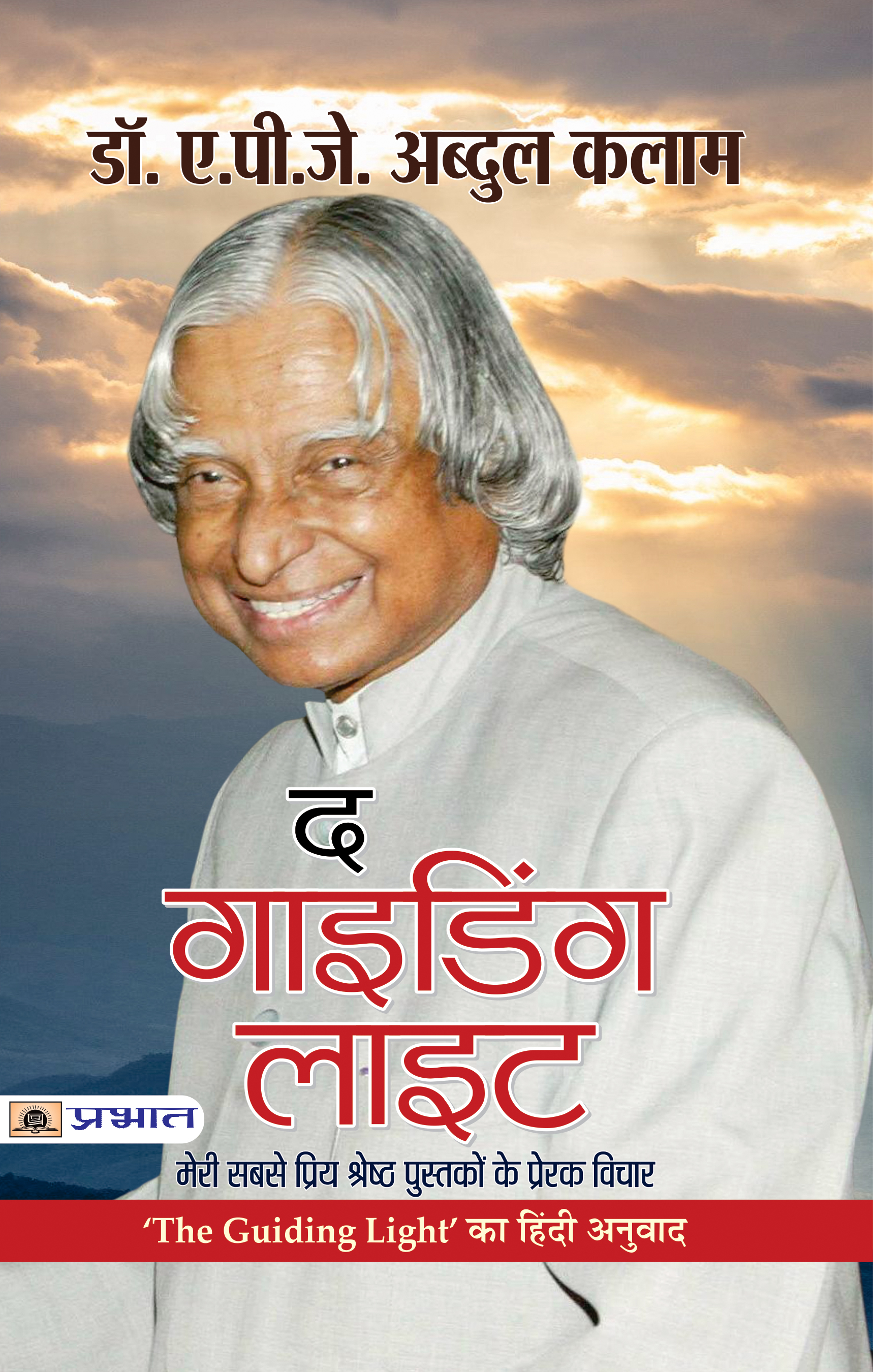
The Guiding Light
- Author Name:
Dr. A.P.J. Abdul Kalam
- Book Type:
- Description:
ज्ञान का भंडार, प्रेरक और अनुकरणीय उक्तियों का अद्भुत चयन, जिसने भारत के सबसे विद्वान् व्यक्तियों में से एक, ए.पी.जे. अब्दुल कलाम की सोच को प्रभावित किया और उसे स्वरूप दिया। अपने स्कूल के दिनों से लेकर अब तक, जब वह अस्सी की उम्र को पार कर चुके हैं, डॉ. कलाम को लिखित रचनाओं से काफी लगाव रहा है। उन्होंने जीवनपर्यंत प्रेरक पुस्तकों, धार्मिक ग्रंथों, दार्शनिक रचनाओं और कविताओं को पढ़ा। उनमें से वह ‘द गाइडिंग लाइट’ को लेखन के सबसे अच्छे उदाहरणों में से एक मानते हैं। इन शब्दों ने उनकी सोच पर प्रभाव डाला और उन्हें स्वरूप दिया, जरूरत पड़ने पर उनकी सहायता की और आज जो कुछ भी वह हैं, उनके ही कारण हैं। अपने लेखनों और संबोधनों में उन्होंने इन रचनाओं से लिये गए उद्धरणों का प्रयोग किया, जिनसे दुनिया भर में उनसे मिलनेवाले करोड़ों लोगों को प्रेरणा मिली। इस पुस्तक में रवींद्रनाथ टैगोर, अल्बर्ट आइंस्टीन, फ्रेडरिक नीत्शे, जिद्दू कृष्णमूर्ति, विलियम शेक्सपियर, जॉन मिल्टन और महात्मा गांधी जैसे लेखकों की रचनाओं से लिए गए उद्धरण हैं, जो अपने आप में काफी विविधता रखते हैं। साथ ही, कुरान, भगवद् गीता, बाइबिल, तिरुक्कुरल और अनेक अन्य रचनाओं से ली गई पंक्तियाँ भी शामिल हैं। ‘द गाइडिंग लाइट’ विभिन्न स्रोतों से जुटाए गए सुविचारों से संपन्न है। यह विचारप्रधान और ज्ञान का ऐसा भंडार है, जो गहन मंथन की प्रेरणा देता है। जीवन को प्रकाशमान करनेवाली उक्तियों का पठनीय संकलन।
Bharat Bhagya Vidhata
- Author Name:
Dr. A.P.J. Abdul Kalam
- Book Type:
- Description:
Awating description for this book

AAO BACHCHO AVISHKARAK BANEN
- Author Name:
Srijan Pal Singh +1
- Book Type:
- Description:
महान् वैज्ञानिकों का मस्तिष्क प्रश्नों से भरा होने के कारण सदैव अशांत रहता है। वे किसी भी बात के लिए पूछते हैं कि ऐसा क्यों होता है? क्या मैं इससे बेहतर कर सकता हूँ? या इससे बेहतर क्या हो सकता है? वे प्रश्नों से लबालब भरे होते हैं, कभी-कभी वे अपने प्रश्नों से दूसरों को भी नाराज कर देते हैं। प्यारे बच्चो, क्या तुम अनुमान लगा सकते हो कि अलेक्जेंडर ग्राहम बेल का सबसे अधिक लोकप्रिय छात्र कौन था? वह हेलेन कीलर थी, जो दृष्टिहीन तथा बधिर होने के साथ-साथ एक महान् लेखिका, समाजसेविका तथा कवयित्री थीं। महान् वैज्ञानिक छोटी-से-छोटी घटनाओं से भी अत्यधिक प्रेरित होते हैं। वे असफलता को सफलता प्राप्ति की एक सीढ़ी के रूप में प्रयोग कर लेते हैं। युवाशक्ति के प्रेरणास्रोत डॉ. ए.पी.जे. अब्दुल कलाम का आपसे आग्रह है कि अपना छोटा सा लक्ष्य चुनें, अपने भीतर एक नई ऊर्जा का संचार करें और एक ऊँची उड़ान भरने के लिए उद्यत हो जाएँ। यह पुस्तक छात्रों-युवाओं में कुछ नया करने की प्रेरणा देती है, ताकि नवाचार और आविष्कार कर हम समाज को बेहतर बनाने में कुछ योगदान दे सकें।

Tejaswi Man
- Author Name:
Dr. A.P.J. Abdul Kalam
- Book Type:
- Description:
"मैं यह पुस्तक इसलिए लिख रहा हूँ ताकि मेरे युवा पाठक उस आवाज को सुन सकें, जो कह रही है-' आगे बढ़ो ' । अपने नेतृत्व को हमें समृद्धि की ओर ले जाना चाहिए । रचनात्मक विचारोंवाले युवा भारतीयों के विचार स्वीकृति की बाट जोहते-जोहते मुरझाने नहीं चाहिए । जैसाकि कहा गया है-चितन पूँजी है, उद्यम जरिया है और कड़ी मेहनत समाधान है । युवा पीढ़ी ही देश की पूँजी है । जब बच्चे बड़े हो रहे होते हैं तो उनके आदर्श उस काल के सफल व्यक्तित्व ही हो सकते हैं । माता-पिता और प्राथमिक कक्षाओं के अध्यापक आदर्श के रूप में महत्त्वपूर्ण भूमिका निभा सकते हैं । बच्चे के बड़े होने पर राजनीति, विज्ञान, प्रौद्योगिकी और उद्योग जगत् से जुड़े योग्य तथा विशिष्ट नेता उनके आदर्श बन सकते हैं । -इसी पुस्तक से भारत के पूर्व राष्ट्रपति महामहिम डॉ. ए.पीजे. अब्दुल कलाम ने आनेवाले वर्षों में भारत को एक महाशक्ति के रूप में स्थापित करने का स्वप्न देखा है; और इसे साकार करने की संभावना उन्हें भारत की युवा शक्ति में नजर आती है । हम बच्चों- युवाओं को प्रेरित कर उन्हें शक्ति-संपन्न भारत की नींव बना सकें, यही इस पुस्तक को लिखने का उद्देश्य है । प्रत्येक चिंतनशील भारतीय के लिए पठनीय पुस्तक । "

Mera Desh Badal Raha Hai
- Author Name:
Dr. A.P.J. Abdul Kalam
- Book Type:
- Description:
आज बड़ी संख्या में भारतीय युवा क्षमतावान, समर्पित, दृढ-संकल्पित, आदर्शवादी और कड़ी मेहनत करनेवाले हैं। उनमें अद्भुत शक्ति, सामर्थ्य और क्षमता है। डॉ. ए.पी.जे. अब्दुल कलाम का युवाओं को प्रबुद्ध बनाने के प्रति विशेष आग्रह था। यद्यपि डॉ. कलाम का पूरा ध्यान बच्चों और किशोरों पर ही केंद्रित रहा, लेकिन उन्होंने व्यक्तिगत और सामाजिक स्तर पर वयस्कों के लिए भी खूब काम किया। उन्होंने सभी लोगों को अपनी कमियाँ और कमजोरियाँ पहचानकर उनसे पार पाने का मार्ग दिखाते हुए जीवन में सफल होने के लिए अगले उचित कदम उठाने के लिए आह्वान किया। डॉ. कलाम के प्रेरक विचारों ने समाज में एक नई चेतना, नए उत्साह और नई स्फूर्ति का संचार किया। भारत सशक्त-सबल-समर्थ बने और विश्व में अप्रतिम स्थान बनाए, ऐसी दृष्टि उन्होंने समाज को दी। डॉ. कलाम के 25 भाषणों के माध्यम से यह पुस्तक जीवन के विविध पहलुओं के लिए अच्छी शिक्षक है, जैसे एक परिपूर्ण जीवन के लिए आवश्यक आदर्श रिश्ते कैसे बनाएँ, जीवन के विविध पहलुओं में संतुलन कैसे कायम करें और कैसे एक संतुष्ट, सफल और उत्साहपूर्ण जीवन जिएँ, ताकि स्वस्थ समाज, समर्थ राष्ट्र का निर्माण हो सके।

Agni Ki Udaan
- Author Name:
Dr. A.P.J. Abdul Kalam +1
- Book Type:
- Description:
" त्रिशूल ' के लिए मैं ऐसे व्यक्ति की सुलाश में था जिसे न सिर्फ इलेक्ट्रॉनिक्स एवं मिसाइल युद्ध की ठोस जानकारी हो बल्कि जो टीम के सदस्यों में आपसी समझ बढ़ाने के लिए पेचीदगियों को भी समझा सके और टीम का समर्थन प्राप्त कर सके । इसके लिए मुझे कमांडर एस.आर. मोहन उपयुक्त लगे, जिनमें काम को लगन के साथ करने की जादुई शक्ति थी । कमांडर मोहन नौसेना से रक्षा शोध एवं विकास में आए थे । ' अग्नि ', जो मेरा सपना थी, के लिए किसी ऐसे व्यक्ति की जरूरत थी जो इस परियोजना में कभी-कभी मेरे दखल को बरदाश्त कर सके । यह बात मुझे आर.एन. अग्रवाल में नजर आई । वह मद्रास इंस्टीट्यूट ऑफ टेकोलॉजी के विलक्षण छात्रों में से थे । वह डी.आर.डी.एल. में वैमानिकी परीक्षण सुविधाओं का प्रबंधन सँभाल रहे थे । तकनीकी जटिलताओं के कारण ' आकाश ' एवं ' नाग ' को तब भविष्य की मिसाइलों के रूप में तैयार करने पर विचार किया गया । इनकी गतिविधियाँ करीब आधे दशक बाद तेजी पर होने की उम्मीद थी । इसलिए मैंने ' आकाश ' के लिए प्रह्लाद और ' नाग ' के लिए एन. आर. अय्यर को चुना । दो और नौजवानो-वी.के. सारस्वत एवं ए.के. कपूर को क्रमश: सुंदरम तथा मोहन का सहायक नियुक्त किया गया । -इसी पुस्तक से प्रस्तुत पुस्तक डॉ. ए.पी.जे. अब्दुल कलाम के जीवन की ही कहानी नहीं है बल्कि यह डॉ. कलाम के स्वयं की ऊपर उठने और उनके व्यक्तिगत एवं पेशेवर संघर्षों की कहानी के साथ ' अग्नि ', ' पृथ्वी ', ' आकाश ', ' त्रिशूल ' और ' नाग ' मिसाइलों के विकास की भी कहानी है; जिसने अंतरराष्ट्रीय स्तर पर भारत को मिसाइल-संपन्न देश के रूप में जगह दिलाई । यह टेकोलॉजी एवं रक्षा के क्षेत्र में आत्मनिर्भरता हासिल करने की आजाद भारत की भी कहानी है । "

Mere Sapnon Ka Bharat
- Author Name:
Dr. A.P.J. Abdul Kalam
- Book Type:
- Description:
पूर्व राष्ट्रपति डॉ. ए.पी.जे. अब्दुल कलाम का स्वप्न है कि वर्ष 2020 तक भारत एक विकसित राष्ट्र बने। प्रस्तुत पुस्तक में लेखकद्वय डॉ. कलाम व डॉ. सिवताणु पिल्लै ने इस स्वप्न को साकार करने की प्रक्रिया का बड़ी ही सूक्ष्मता और गहराई से विश्लेषण किया है। विकसित भारत के लक्ष्य को प्राप्त करने में छात्र, युवा, किसान, वैज्ञानिक, इंजीनियर, तकनीशियन, चिकित्सक, चिकित्सा कर्मी, शिक्षाविद्, उद्योगपति, सैन्य कर्मी, राजनेता, प्रशासक, अर्थशास्त्रा्, कलाकार और खिलाड़ियों की क्या-क्या भूमिका हो सकती है, इसके बारे में भी उन्होंने महत्त्वपूर्ण सुझाव दिए हैं। हाल के वर्षों में, जीवन-स्तर को बेहतर बनाने में प्रौद्योगिकी ने महत्त्वपूर्ण भूमिका निभाई है। प्रौद्योगिकी एक ऐसा इंजन है, जिसमें देश को विकास तथा संपन्नता की ओर ले जाने और राष्ट्रों के समूह में उसे आवश्यक प्रतिस्पर्धात्मक लाभ उपलब्ध कराने की क्षमता है। इस प्रकार, भारत को एक विकसित देश में बदलने में प्रौद्योगिकी की महत्त्वपूर्ण भूमिका है। आज भारत के पास प्रक्षेपण यानों, मिसाइलों तथा वायुयानों के सिस्टम डिजाइन, सिस्टम इंजीनियरिंग, सिस्टम इंटीग्रेशन तथा सिस्टम मैनेजमेंट की योग्यता और महत्त्वपूर्ण प्रौद्योगिकियों के विकास की क्षमता है—इस पुस्तक में इन सभी पहलुओं पर अनुकरणीय प्रकाश डाला गया है।

Bharat 2020 Aur Uske Baad
- Author Name:
Dr. Y.S. Rajan +1
- Book Type:
- Description:
परिवर्तन का समय अभी है। विकल्प स्पष्ट और भयानक है। अगर हम वर्तमान ढर्रे पर ही चलते रहे तो विश्व के अन्य लोग हमसे आगे निकल जाएँगे। गरीबी व बेरोजगारी और ज्यादा बढ़ जाएगी, जो हमारे समाज को अंतर्विस्फोट की ओर ले जाएगी। और अगर हम बदलाव लाएँगे तो हम वास्तविक प्रगति कर पाएँगे—गरीबी से समृद्धि की ओर, गतिरोध से तीव्र विकास की ओर।’ भारत अभी भी एक दशक के भीतर ही विकसित देशों की सूची में शामिल हो सकता है। ‘भारत 2020 और उसके बाद’ नामक यह पुस्तक इस रूपांतरण के लिए एक पूरी कार्ययोजना प्रदान करती है।

Sukhi Parivar Samriddha Rashtra
- Author Name:
Acharya Mahapragya +1
- Book Type:
- Description:
परिवार व राष्ट्र के विकास के माध्यम से ही एक शांतिपूर्ण, सुखी व समृद्ध समाज का विकास हो सकता है। सुविख्यात जैन मुनि आचार्य महाप्रज्ञ तथा पूर्व राष्ट्रपति भारत-रत्न डॉ. ए.पी.जे. अब्दुल कलाम का समाज के प्रति समर्पण और उसकी उन्नति के प्रति चिंता सर्वविदित है; परंतु विसंगतियों के बावजूद उसके सशक्त होने की क्षमता पर भी उन्हें पूरा भरोसा है। इस विचार-प्रधान पुस्तक ‘सुखी परिवार, समृद्ध राष्ट्र’ में इन दो विशिष्ट व्यक्तियों के परिवार, समाज और राष्ट्र के प्रति सरोकारों को रेखांकित किया गया है। लेखकद्वय का विचार है कि एक उत्तम राष्ट्र का निर्माण करने के लिए इसके बीज परिवार में ही बोए जाने चाहिए। कोई ऐसा व्यक्ति ही, जिसका पालन-पोषण उचित मूल्यों की शिक्षा देनेवाले परिवार में हुआ हो, राष्ट्र के प्रति अपने उत्तरदायित्व को समझ सकता है। ऐसा नागरिक ‘निष्ठा से काम करो और निष्ठा से सफलता पाओ’ के सिद्धांत को अपनाएगा। केवल आर्थिक विकास और सैन्य-शक्ति से राष्ट्र उन्नत नहीं होगा, बल्कि इसके लिए मूल्यपरक समाज-जीवन का वातावरण बनाना होगा। यह दर्शन ही इस पुस्तक का मूल सिद्धांत है।

An Alternative Perspective On Education
- Author Name:
Atul Kothari
- Book Type:
- Description:
Education is the foundation of the development of any country. But in our country, the First Education Policy was framed in 1968, 21 years after independence; the second policy was formulated in 1986; 34 years later, India got the National Educational Policy-2020 on 25th July, 2020. Besides these, certain commissions were also constituted for reforms in education, which made some good recommendations, but these could not be implemented for sheer want of political will. For an instance, the Kothari Commission in 1968, recommended 6 per cent of Gross Domestic Product (GDP) for expenditure on education, which was also adopted by the Education Policy-1986, but this is yet to be translated into practice. If we ignore pre-colonial period, the Bharat of post-independence has not yet been able to determine the aim of education. Character building and moulding a human i.e. holistic development of personality should be the aim of education. Essays on related subjects are included in this book. To identify the issues and problems that plague the education, and their solution, we carried out basic but innovative experiments in schools, colleges and universities. The original experiences of these exercises have been penned down as articles and research papers. This book is an anthology of the related writings.

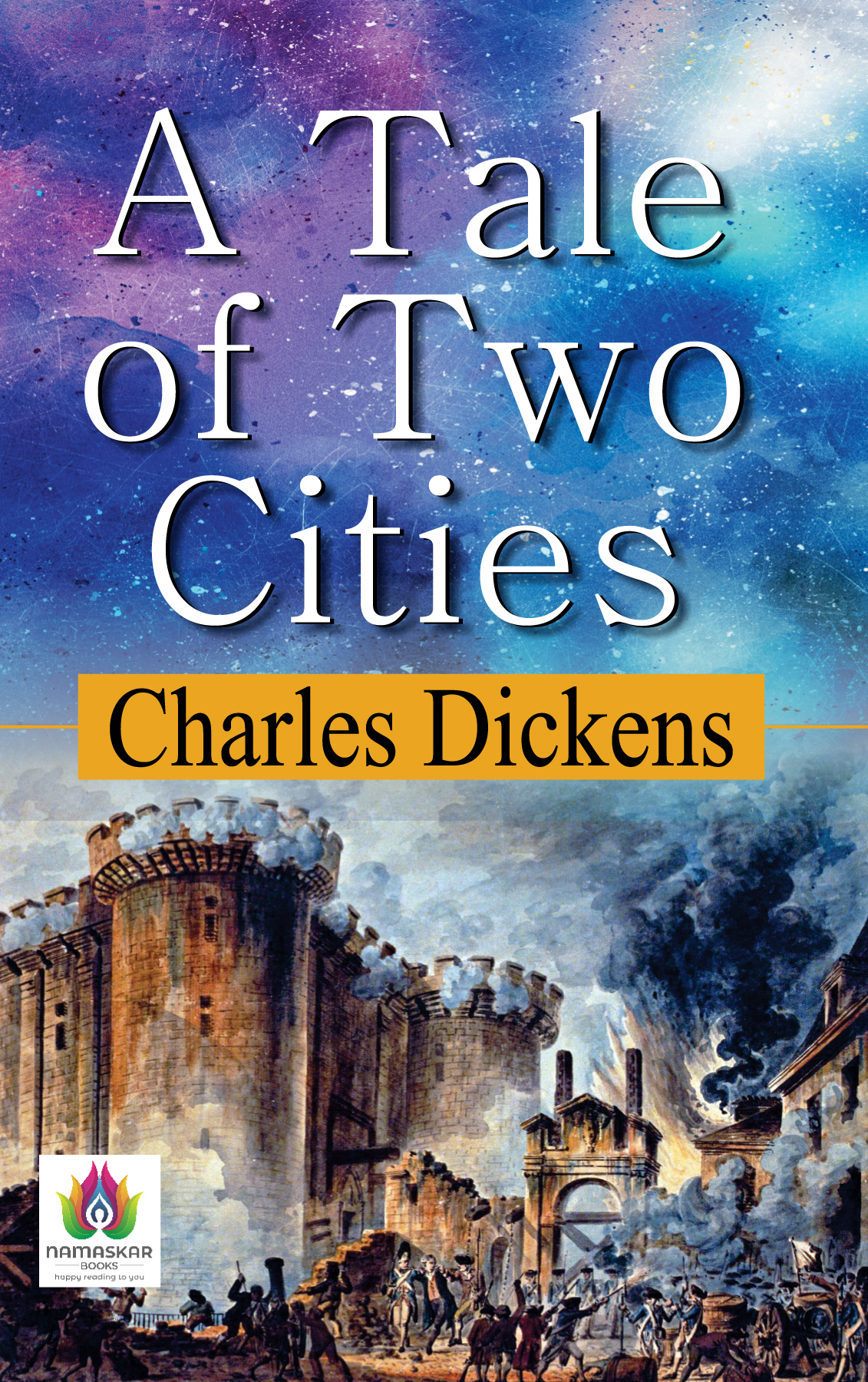
A TALE OF TWO CITIES
- Author Name:
Charles Dickens
- Book Type:
- Description:
This Book Doesnt have any Description.
The Power of Your Subconscious Mind
- Author Name:
Dr. Joseph Murphy
- Book Type:
- Description:
The Power of Your Subconscious Mind, one of the most popular bestselling inspirational guides of all time, shows how changing your thought patterns can produce dramatic improvements in your life. Using practical, easy-to-understand techniques and real-world case studies, Dr Joseph Murphy reveals the vast influences of the subconscious mind on all aspects of existence-money, relationships, jobs, and happiness and how you can apply and direct its power to achieve your goals and dreams. Through this book, DDrMurphy provides the readers with the tools that one would need to unlock the extraordinary powers of their subconscious mind. One can improve relationships, finances, and physical well-being by following it. Once a person has learned how to use this unbelievably powerful force, there is nothing they will not be able to accomplish.

Born to win
- Author Name:
Zig Ziglar +1
- Book Type:
- Description:
“If I could recommend only two books to help you become more, do more, and have more the first would be the Bible; the second is Born to Win. This masterpiece makes it clear why Zig Ziglar has been the world’s great motivator for five decades.” Dave Anderson, President, Learn To Lead, author How to Lead by THE BOOK. In eighty-five years of living and over fifty years of giving, Zig Ziglar, the icon of motivational and inspirational speaking, a man many call the Father of Motivation and Balanced Life Living, presents his last extensive and most comprehensive book ever! Born to Win – Find Your Success Code. Zig Ziglar’s ultimate book compresses over four and one-half decades of life changing tools and practices into an inspiring, concise, easy to use format for bottom line people who want to grow and improve the whole spectrum of their life “right now!” Readers will learn that when you have the hope that things can change, and a plan to make that change possible, then you can and will take action. Zig Ziglar’s whole person, balanced living approach to life has inspired millions to enjoy good health, a new depth of love and gratitude for family and friends, financial security and independence, and spiritual peace of mind. His instruction on how to live a life that leaves no room for regret or worry is the starting point for a joy filled, exciting, vibrant, life. It is true that when you have prepared yourself to be the right kind of person, you can do what you need to do to expect success. When you truly understand that you were Born to Win, you can change the world!

Customer Reviews
Be the first to write a review...
Enlightened Minds emerged from a singular moment of clarity: a helicopter crash landing at Ranchi that transformed Dr. APJ Abdul Kalam's purpose from scientist-statesman to lifelong mentor of India's youth. This book is not a memoir of achievements but an inquiry into the minds of young Indians — what they understand about development, how deeply they care about their nation's trajectory, and what it takes to awaken their potential. Through structured dialogues and reflections gathered from students across India, Kalam addresses the gap between youthful energy and informed engagement, offering a framework for both understanding and action.
The work stands apart for its diagnostic approach: rather than preaching values, it seeks first to listen — to map the aspirations, anxieties, and blind spots of a generation. For readers searching for Kalam's philosophy on education and nation-building distilled into direct conversation, this book offers his most focused exploration of how enlightenment, not mere ambition, shapes citizens capable of transforming India.
What kind of reading experience will Enlightened Minds provide me with?
Enlightened Minds reads as an intimate dialogue rather than a lecture. You experience Dr. Kalam's post-crash transformation into a listener and questioner, not just a speaker. The tone is reflective and investigative, mapping the landscape of young Indian minds through structured conversations. It rewards readers who seek understanding over inspiration — those curious about the why behind youth engagement rather than motivational slogans. You leave with a framework for thinking about development, not just feeling inspired about it.
Who is this book best suited for, and what does it expect of its reader?
Best suited for educators, policymakers, parents, and students themselves who want to understand the psychology of youth engagement in nation-building. It expects a reader genuinely interested in examining assumptions — about what young Indians know, care about, and need to become active citizens. If you approach education and development as problems requiring diagnosis before prescription, this book meets you at that analytical level. It assumes no prior expertise but rewards attentive, reflective reading.
What is the cultural significance of Kalam's focus on youth enlightenment to Indian readers today?
In contemporary India, where demographic advantage is often celebrated but youth unemployment and disengagement persist, Kalam's inquiry remains urgent. He addresses the gap between India's young population and their informed participation in democratic and economic life. The book connects to today's debates on education reform, skill development, and civic consciousness. It challenges the assumption that enthusiasm alone builds nations, arguing instead for enlightenment — critical awareness paired with purpose — as the foundation for India's future.
What makes Kalam's approach in this book distinctive from his other youth-focused works?
Unlike his visionary writings on India's technological future, Enlightened Minds is grounded in empirical curiosity sparked by his experience in the Ranchi crash. He positions himself as a researcher rather than an icon, asking structured questions to understand what young Indians actually think about development. The book's distinctiveness lies in its diagnostic method — mapping perceptions before prescribing solutions — and its acknowledgment that even a beloved leader must first listen to guide effectively. It's Kalam in inquiry mode, not just inspiration mode.
What does this book leave the reader with after finishing it?
You finish with a clearer lens for evaluating youth engagement initiatives — recognizing the difference between motivational rhetoric and genuine enlightenment. Emotionally, it instills a sense of responsibility: if Kalam could redirect his final years toward understanding young minds, what might your contribution be? Intellectually, you gain a framework for thinking about awareness, concern, and capability as prerequisites for participation in development. Culturally, it reinforces the idea that India's future depends not on demographic numbers but on the quality of understanding that those young minds possess.