
The Yoga Sutras for Children
₹
399
₹ 327.18 (18% off)
Available
What are the Yoga Sutras? Instructions for bearded rishis who lived in the forests of ancient India? Or the complete manual of asanas? Neither! In fact, the text may well have been called ‘Maharishi P’s Ultimate Handbook of Mind Control’, for it is really a set of techniques to help us – all of us – awaken and harness the explosive power of our minds, through our actions, our attitudes and our awareness. And not our asanas? Those too, but not in the way you imagined it. In this surprising, sparkling book, Roopa Pai unravels the secrets of Patanjali's compact 2,000-year-old text in ways both fun and accessible. Walk down the well-marked paths into a dazzling world where a whole new version of yourself – self-assured, fearless and free – awaits you. Go on, then – what are you waiting for?
Read moreAbout the Book
What are the Yoga Sutras? Instructions for bearded rishis who lived in the forests of ancient India? Or the complete manual of asanas? Neither! In fact, the text may well have been called ‘Maharishi P’s Ultimate Handbook of Mind Control’, for it is really a set of techniques to help us – all of us – awaken and harness the explosive power of our minds, through our actions, our attitudes and our awareness. And not our asanas? Those too, but not in the way you imagined it. In this surprising, sparkling book, Roopa Pai unravels the secrets of Patanjali's compact 2,000-year-old text in ways both fun and accessible. Walk down the well-marked paths into a dazzling world where a whole new version of yourself – self-assured, fearless and free – awaits you. Go on, then – what are you waiting for?
Book Details
The Vedas and Upanishads for Children
- Author Name:
Roopa Pai
- Book Type:

- Description:
3,000 years ago, deep inside the forests of India, a great ‘thought- revolution’ was brewing. In those forest labs, the brightest scientist-philosophers contemplated the universe and reflected upon the already-ancient texts called the Vedas, gaining some startling insights into questions that we still have no watertight answers to, like: * What is the universe made of? * How do I know I’m looking at a tree when I see one? * Who am I? My body, my mind, my intelligence, my emotions, or NOTA? And where did they put those explosive findings? In a sprawling body of goose-bumpy, thought-provoking and fascinating oral literature called the Upanishads! Intimidated? Don’t be! For this joyful, fun guide to some of India’s most enduring and secular wisdoms, reinterpreted for first-time explorers by author Roopa Pai, is guaranteed to keep you turning the pages. Why haven’t you read it yet?

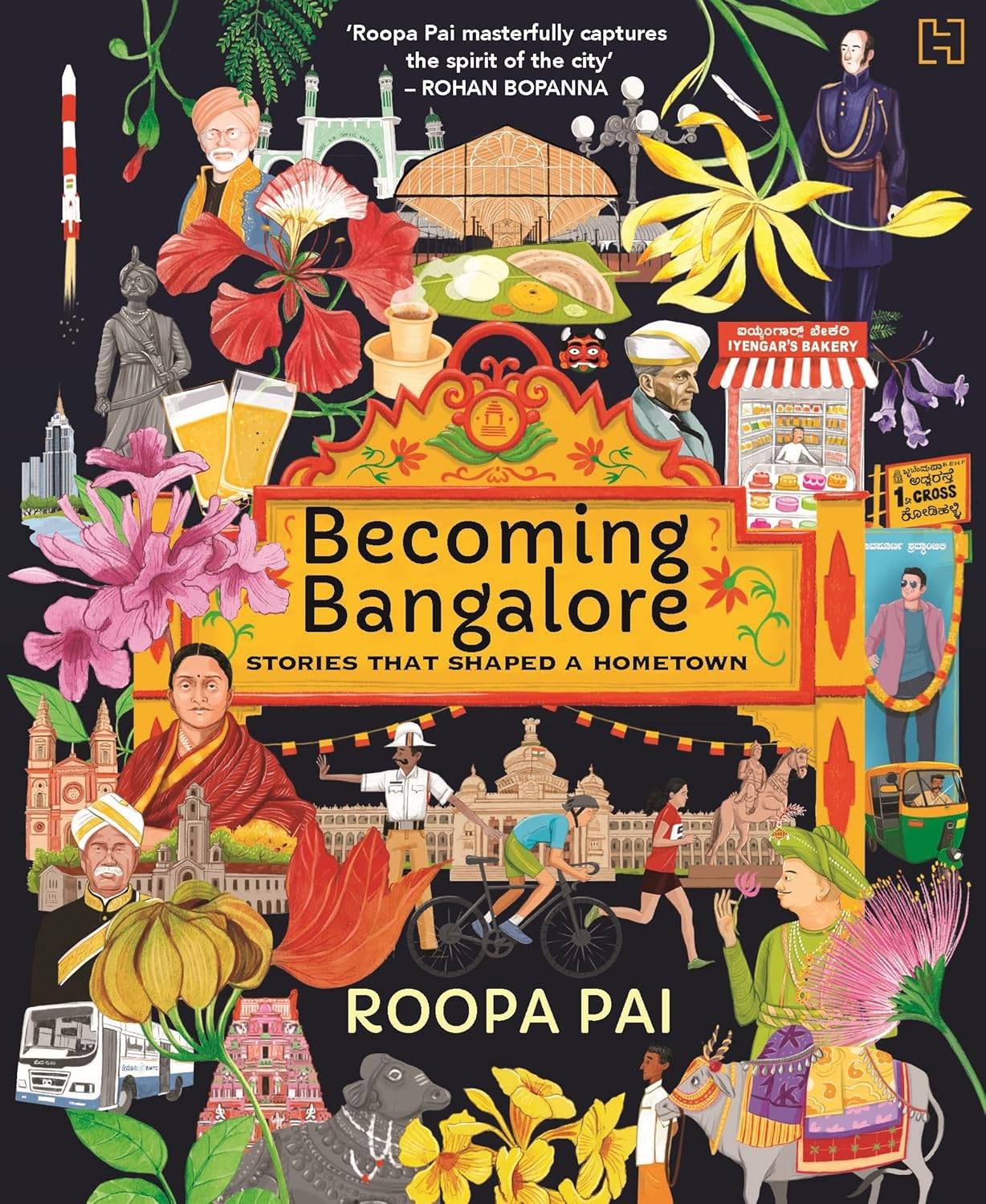
Becoming Bangalore
- Author Name:
Roopa Pai
- Book Type:
- Description:
What makes a city uniquely itself? Is it its geography, history, location? Is it its leaders, aspirations, demographics? Or is it a palpable spirit, wrought of a combination of all these, that seeps into the soil over centuries, and charges the air, infecting residents and visitors alike? Two decades of exploring her hometown – and reading, writing and talking about it – has convinced Roopa Pai that the last is true: cities are neither born nor made, they become. In this collection of evocative essays, she trawls the city's history to tease out bits of the Bangalore jigsaw – a scientist's quest for excellence, a maharani's foresight, an entrepreneur's vision, a chief minister's ambition, a writer's pride in his language, and more – in an effort to trace the genesis of the liberal soul of the metropolis and its ability to offer inclusive, creative, laid-back spaces amid its frenetic growth. What emerges is a fascinating mosaic that reveals how a little sixteenth-century settlement on a hill became India's most charismatic city.
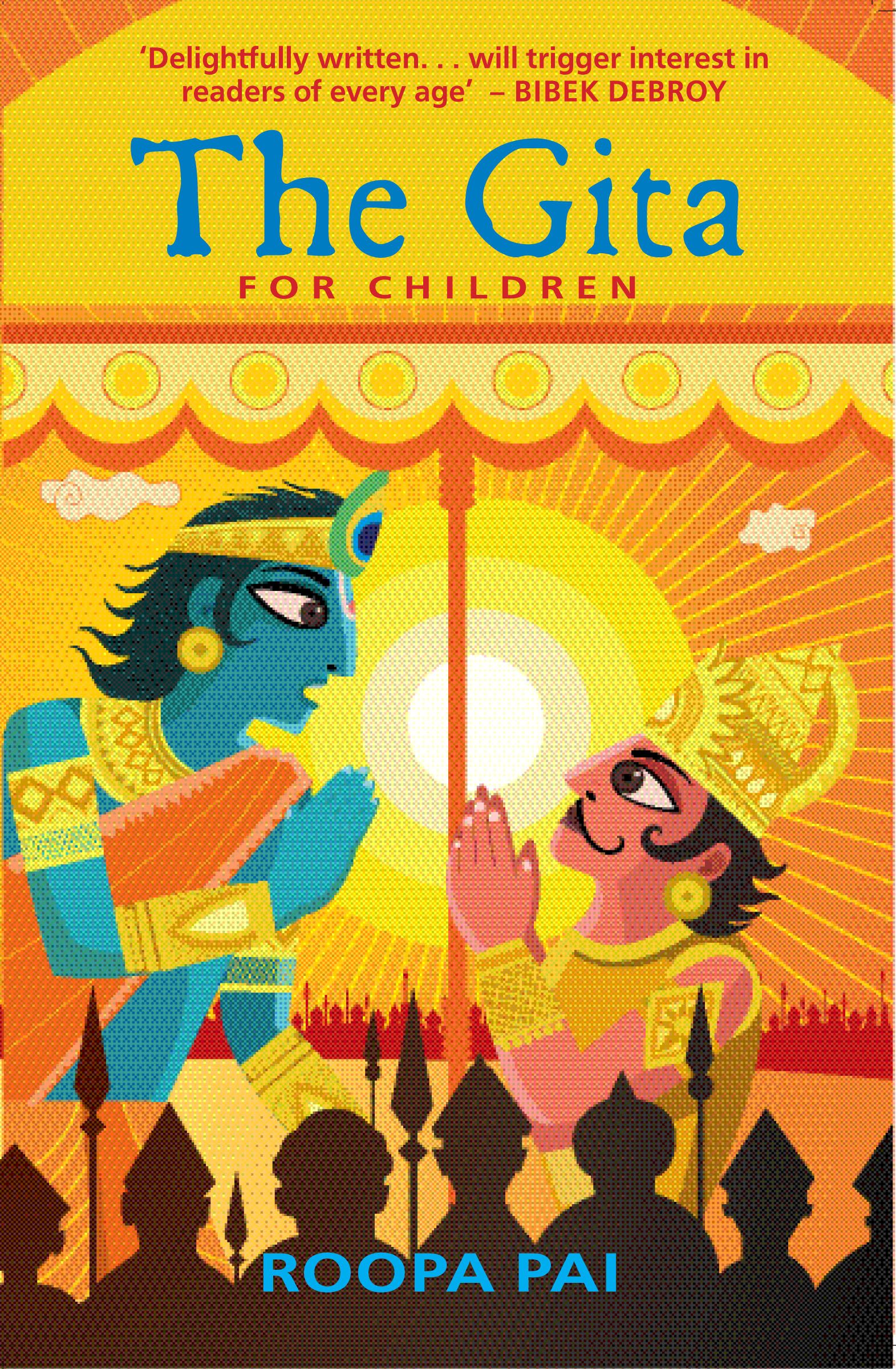
The Gita For Children
- Author Name:
Roopa Pai
- Book Type:
- Description:
It's one of the oldest books in the world and India's biggest blockbuster bestseller! - But isn't it meant only for religious old people? - But isn't it very long... and, erm, super difficult to read? - But isn't the stuff it talks about way too complex for regular folks to understand? Prepare to be surprised. Roopa Pai's spirited, one-of-a-kind retelling of the epic conversation between Pandava prince Arjuna and his mentor and friend Krishna busts these and other such myths about the Bhagavad Gita. Lucid, thought-provoking and brimming with fun trivia, this book will stay with you long after you have turned the last page.
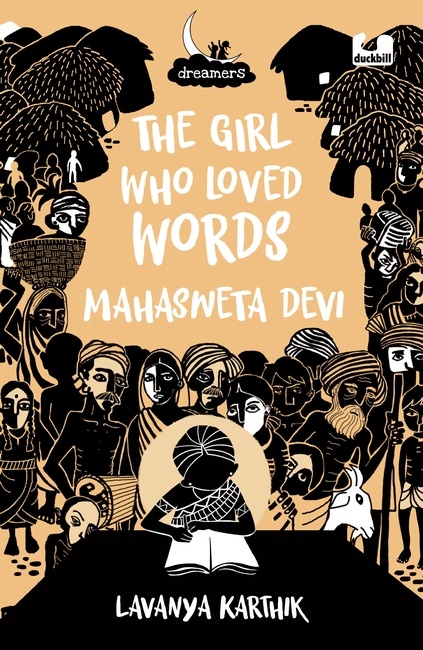
The Girl Who Loved Words: Mahashweta Devi
- Author Name:
Lavanya Karthik
- Book Type:
- Description:
Before Mahasweta Devi became a writer and human rights activist, she was a girl with a love for words.
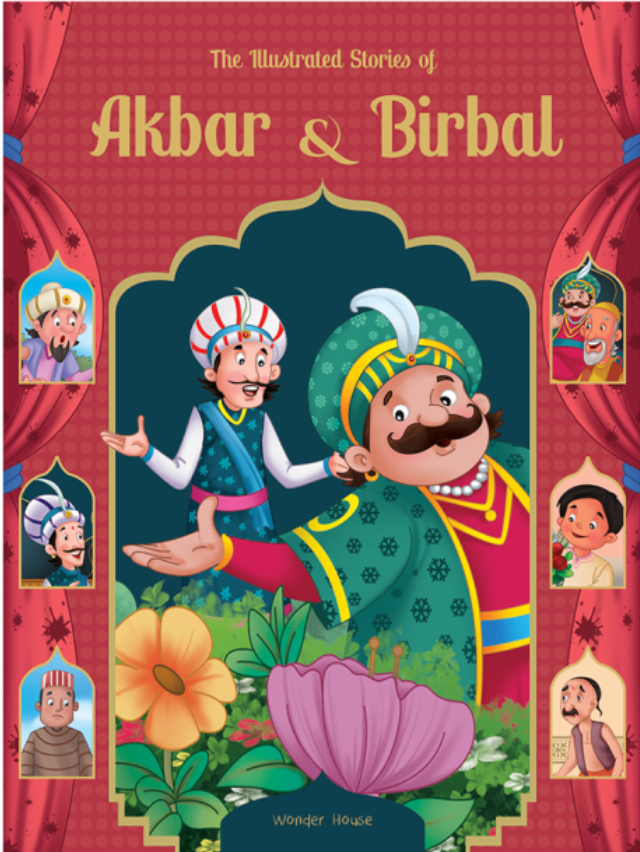
Akbar and Birbal
- Author Name:
Wonder House
- Book Type:
- Description:
An enchanting collection of the beloved tales of Emperor Akbar and his witty advisor, Birbal. The tales showcase Birbal's wit, intelligence, and charm as he solves complex problems and navigates the mysteries. Timeless Tales of Wisdom and Wit! Beautiful and vibrant illustrations Explores themes of loyalty and friendship Imparts valuable lessons on wisdom, justice, and cleverness Suitable for all ages Introduces glorious heritage of India
The Girl Who Played with Numbers: Shakuntala Devi
- Author Name:
Lavanya Karthik
- Book Type:
- Description:
Before Shankuntala Devi was world-renowned as the human computer, she was a girl to whom numbers were her friends and playmates.

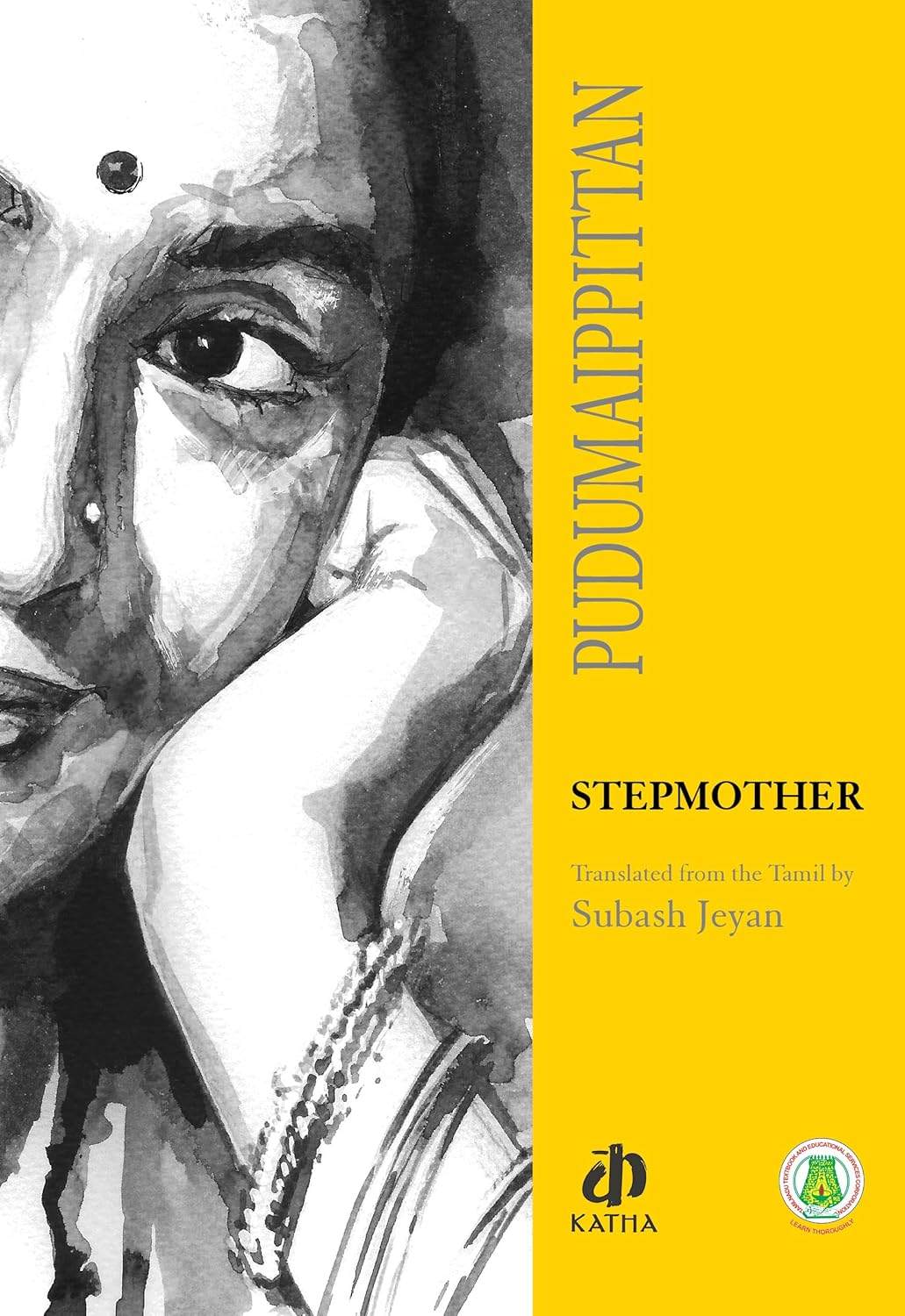
Stepmother
- Author Name:
C. Viruthachalam
- Book Type:
- Description:
Widowed professor Sundaravadivelu rebuilds his life with the beautiful Maragadham. Yet, their new beginning is overshadowed by the recent loss of his son. Through the innocent eyes of his lively, young daughter, Kunjamma, we see the tragic past begin to resurface. A spilled cup of milk ignites a chilling display, while seemingly ordinary scenes from the past reveal unsettling glimpses into the family dynamic. Can Sundaravadivelu and his family find a way to heal and rebuild their lives in the face of such a loss? Translated splendidly into English by Subash Jeyan, this simple, yet poignant story is a remarkable piece of psychological realism.This revised edition is being published under the Tamil Literature in English Translation initiative of the TNTB & ESC. Pudumaippittan (C. Viruthachalam) was an influential and revolutionary writer of Tamil fiction. Though his pungent social satire, progressive thinking and outspoken criticism of accepted conventions irked many contemporary writers and critics, he is widely accepted as a doyen of Tamil Literature. In 2002, the Government of Tamil Nadu nationalised his works.
The Blue Horse and Other Amazing Animals from Indian History
- Author Name:
Nandini Sengupta
- Book Type:
- Description:
SHORTLISTED FOR THE AUTHER AWARDS 2021 (BEST AUTHOR - CHILDREN) This isn't just a story about humans making history.So, step aside, chroniclers and historians. For centuries, we've been overlooked, forgotten, and only occasionally footnoted (thanks a lot). It's time we took our rightful place in the spotlight. We've been the strongest allies, loyal friends- and we might even say we were the soulmates of great kings and queens, princes and princesses, warriors and officials. From risking our lives to save theirs and leading them to victory in battles to providing constant joy and love, we've done it all. Explore Akbar's dazzling court with his favourite cheetah, Samand Manik. Discover the heroic Battle of Haldighati from Chetak's perspective. Learn what Chhatrapati Shivaji was really like, straight from his dog, Waghya. Packed with daring adventures, epic romances, and touching moments, these underdog stories- oh, don't get upset, Bucephalus, it's just a figure of speech!- are unlike anything you've read before!

My Story, My voice – Sita and Helen
- Author Name:
Shailee
- Book Type:
- Description:
Sita and Helen. Two of mythology’s best-known ‘heroines’, famed for the epic wars fought over them in Lanka and Troy. There are endless accounts of how beautiful they were, what happened to them, and how their valiant husbands rescued them. But what do we really know of the women themselves? What did they think? How did they feel? Listen now to their own stories, in their own voices… Shailee imaginatively constructs their hidden sides, filling in the gaps where there was silence before. Rich, detailed illustrations augment text and theme to re-present these stories with an alternative perspective for young people of today.

Parthiban's Dream
- Author Name:
Kalki Krishnamurthy +1
- Book Type:
- Description:
The Chola ruler King Parthiban has a dream… he wants to make his empire the most powerful in the region. However, before he can do this, he is killed in battle. With the rising might of the Pallavas, how is his young son to fulfil this dream? A dramatic moment in history is recreated in this racy thriller by a master raconteur! With heart-stopping twists and turns, unforgettable characters, and the grace and valour of a time past, this is a gripping page-turner of a book.

Little Indians
- Author Name:
Pika Nani
- Book Type:
- Description:
Little Indians by Pika Nani is a lively and engaging journey across India, designed for young readers who are curious about the country’s stories, places, and surprising facts. From the marble rocks of Bhedaghat to the islands of the Andamans, from the heights of Himachal to the prehistoric lands of Gujarat, this book blends storytelling with fascinating trivia. Each chapter opens a new window into a different state—bringing together adventure, humour, and real-world knowledge. Readers encounter unexpected moments along the way: a crocodile chase during a boat ride, a donkey wandering through a film city, and hidden secrets tucked into India’s landscapes. Alongside these stories are nuggets of information that make learning feel effortless and exciting. Structured like a journey through 15 states, Little Indians pieces together diverse cultures, histories, and geographies into one larger picture—helping young readers see India not just as a map, but as a living, interconnected story. Perfect for middle-grade and young adult readers, the book encourages curiosity, imagination, and a deeper connection with the country.

The Puffin Feluda Omnibus
- Author Name:
Satyajit Ray
- Book Type:
- Description:
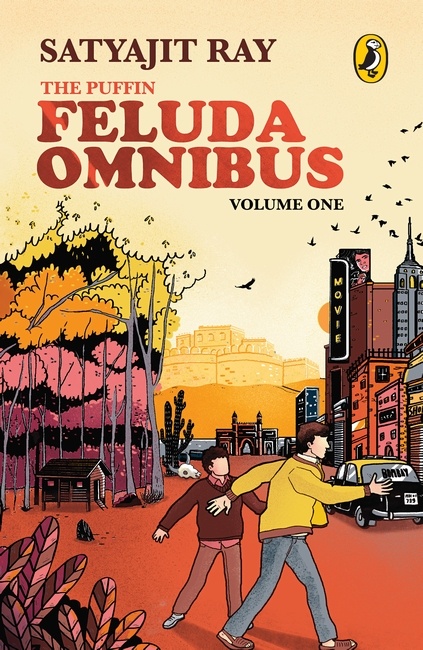
A stolen ring. A boy who can recall his past life. A gruesome murder. Including three unputdownable mysteries by master storyteller Satyajit Ray, this omnibus edition is the perfect introduction to the greatest exploits of Feluda and his sidekick, Topshe. In The Emperor’s Ring, Feluda and Topshe are on holiday in Lucknow when a priceless Mughal ring gets stolen. As Feluda begins to investigate the theft, he finds himself hot on the trail of a devious criminal. In The Golden Fortress, Feluda and Topshe set out for Rajasthan in pursuit of Dr Hajra, a parapsychologist, and Mukul, a boy who claims to remember his previous life. After numerous adventures, they reach Mukul’s Golden Fortress, where Feluda unravels the many strands of one of their most mind-boggling cases. In Bandits of Bombay, Feluda and his companions find themselves in the thick of a thrilling case, with a hair-raising climax aboard a train during a film shoot. Traversing fascinating landscapes and electrifying escapades, this collection is an absolute classic and a must-have for fans of detective fiction.
Wisdom Tales From Gita For Children
- Author Name:
Deepak Bharwani
- Book Type:
- Description:
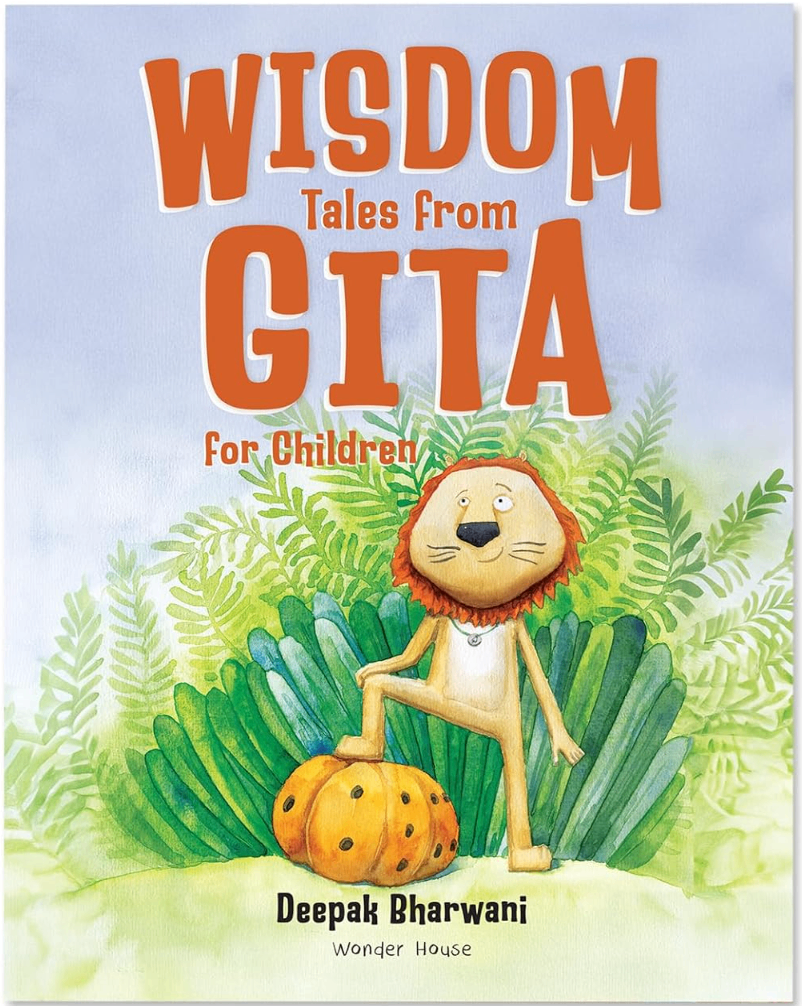
Join Nara and his friends on enchanting adventures through the forest of Lalavan, where every twist and turn unveils the timeless teachings of the Gita. Through playful escapades, they uncover profound life lessons, nurture their personalities, and embark on paths of self-discovery. These captivating tales blend wit, mystery, and meaning—inviting young minds to learn, reflect, and wonder.
The Bird With The Golden Wings
- Author Name:
Smt. Sudha Murty
- Book Type:
- Description:
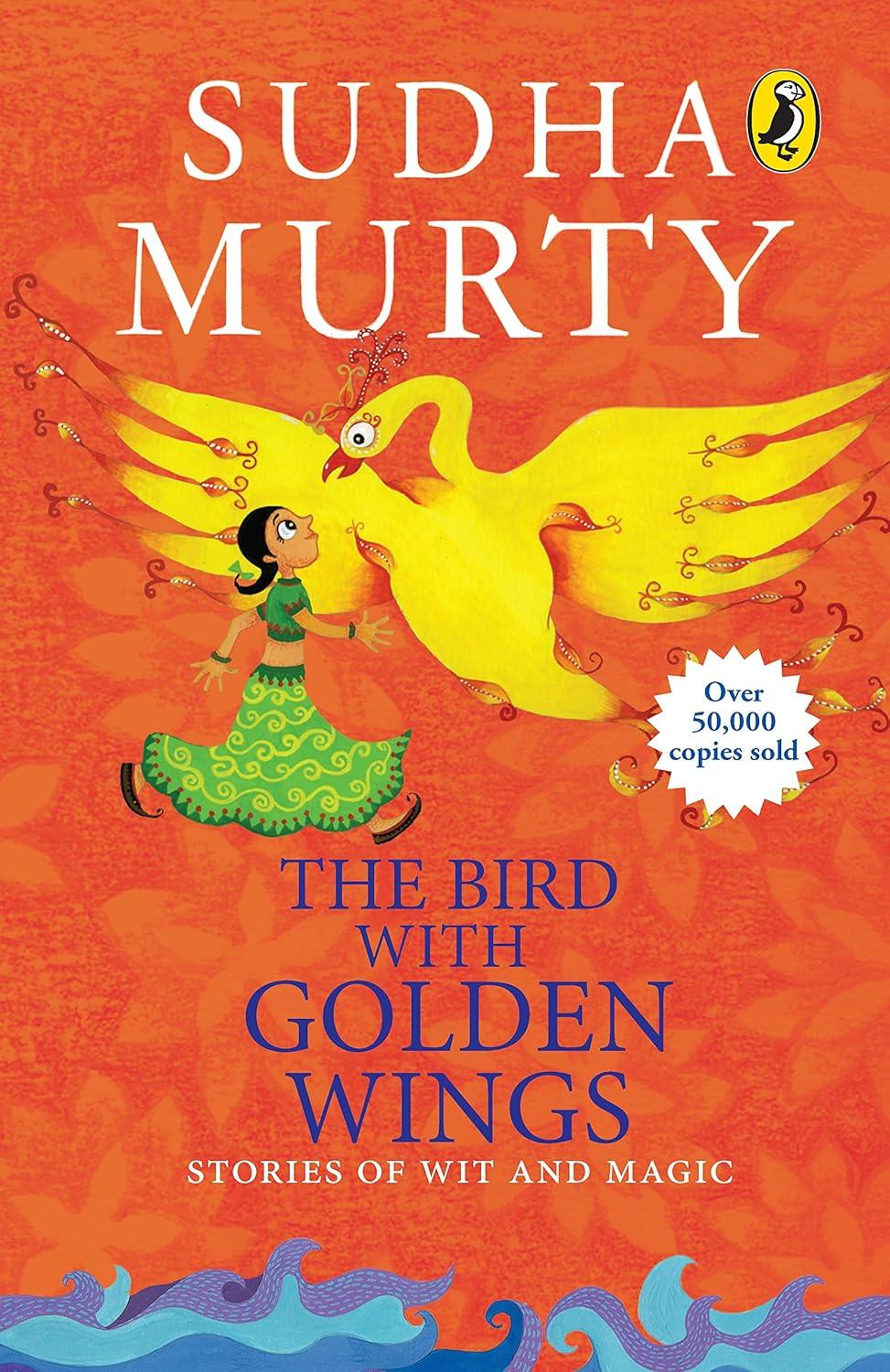
A poor little girl is rewarded with lovely gifts when she feeds a hungry bird all the rice she has. What happens when the girls greedy, nosy neighbour hears the story and tries to get better gifts for herself? Why did the once sweet sea water turn salty? How did the learned teacher forget his lessons only to be aided by the school cook? And how did the king hide his horrible donkey ears from the people of his kingdom? For answers to all this and more, delve right into another fabulous collection of stories by Sudha Murty.
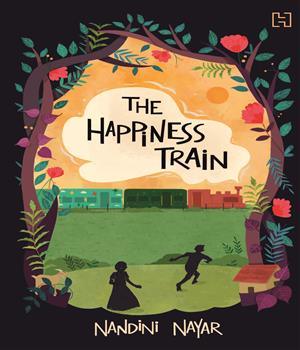
The Happiness Train
- Author Name:
Nandini Nayar
- Book Type:
- Description:
Suraj and Radha never know when the colourful ‘Happiness Train’ will chug into their village, offering them a whole new world of fun and enchantment! ‘Trains and tracks are evil,’ says Amma, ‘they carry people away.’ But this train’s musical whistle, the gorgeous pictures on the coaches, and its promise of faraway, exciting lands – all make Suraj eager to leave his humdrum life and set out on adventures. One day, ignoring Radha’s warnings, he secretly boards the train. Soon Suraj realizes that he and the other runaway boys – Murali, Chhotu and Asad – are being carted away on a dangerous mission. With no hope of escaping, they are close to giving up, when help arrives unexpectedly. Is there a mysterious person on board who can rescue them? How is a raja connected with the train? Has Radha forgotten all about Suraj? And does he finally get what he is looking for? Find out in this unusual story about family, friends, and discovering new routes to happiness and home.
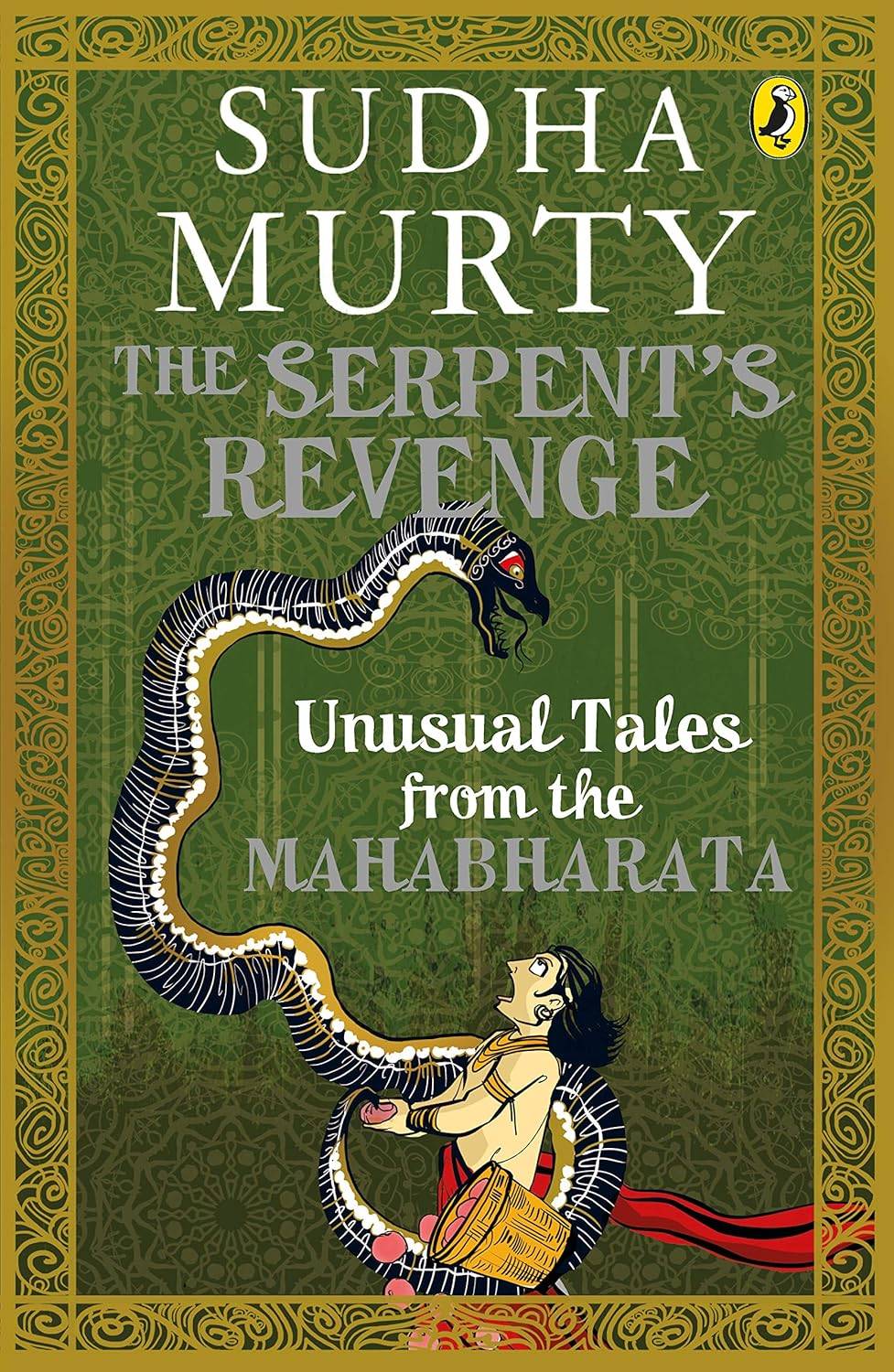
The Serpent's Revenge
- Author Name:
Smt. Sudha Murty
- Book Type:
- Description:
How many names does Arjuna have? Why was Yama cursed? What lesson did a small mongoose teach Yudhisthira? The Kurukshetra war, fought between the Kauravas and Pandavas and which even compelled the gods to choose sides, is well known. However, countless stories from before, after, and during the war offer new perspectives and are largely unfamiliar. Award-winning author Sudha Murty reintroduces the captivating world of India's greatest epic through extraordinary tales in this collection, each of which is sure to inspire wonder and amazement.
Forsaking Paradise
- Author Name:
Abdul Ghani Sheikh
- Book Type:
- Description:
Written by one of the foremost Urdu writers on Ladakh, the northern-most region of India affected by war and tourism. Capturing Ladakh with images and people, this book makes for interesting reading.

WHO
- Author Name:
Trina Chako
- Book Type:
- Description:
Who by Trina Chako is a gripping young adult thriller that pulls you straight into a world of secrets, memory gaps, and danger that feels too close to home. Tiana Singhal seems to have everything going for her—a great internship, a stable life, and a clear path ahead. But in an instant, everything unravels. Forced to run from an unknown threat, she is left with more questions than answers. Who is the girl haunting her nightmares? Why does the face in the mirror feel unfamiliar? And most importantly—who is trying to kill her? As Tiana digs deeper into her past, the lines between truth and illusion begin to blur. Every clue raises new doubts, and every step forward brings her closer to a truth she may not be ready to face. Written in a sharp, accessible style, Who is perfect for teen readers stepping into the thriller genre. It combines suspense, identity, and psychological tension in a fast-paced narrative that keeps you hooked till the last page.

Read Me A Story
- Author Name:
Various Authors
- Book Type:
- Description:
This is a collection of simple stories to be read aloud for young children, published under the Asian/Pacific co-publication program (ACP), with the joint efforts of UNESCO Member estate in Asia and the Pacific, and in cooperation with UNESCO. These stories and illustrations have been contributed by 20 countries in the region and selected by the regional editorial committee for ACP in consultation with the UNESCO member estate in the Asia and Pacific.

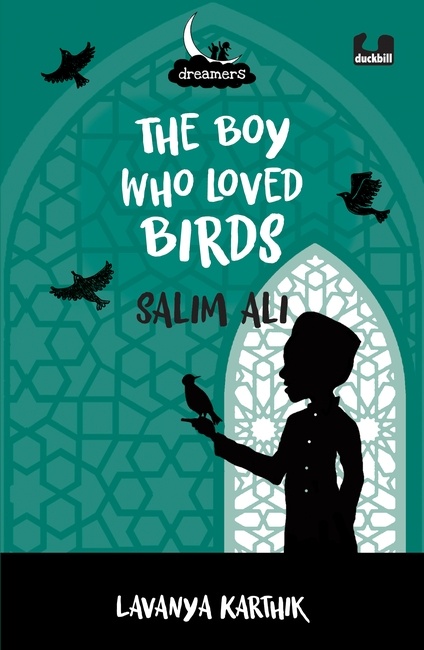
The Boy Who Loved Birds: Salim Ali
- Author Name:
Lavanya Karthik
- Book Type:
- Description:
Before Salim Ali was a world-famous ornithologist, he was a boy curious about the mysteries around him. Especially the mysteries of birds.
Customer Reviews
Be the first to write a review...
The Yoga Sutras for Children dismantles the idea that Patanjali's Yoga Sutras are a manual of postures or instructions for forest-dwelling ascetics. Roopa Pai, whose earlier work The Gita for Children won the 2016 Crossword Award for children's writing, presents this 2,000-year-old text as what it truly is: a handbook on mind control. Focusing on the first two padas of the 195 sutras, Pai translates Patanjali's compressed Sanskrit wisdom into a voice that speaks directly to today's teenagers and curious adults. She anchors abstract concepts—vritti (thought-watching), the eight-limbed path, the quiet lake of the mind—in everyday contexts: Instagram scrolls, exam anxiety, friendship conflicts. Illustrated by Sayan Mukherjee and punctuated by playful dialogues with "Maharishi P", the book refuses to preach, opting instead for spark and clarity.
What kind of reading experience will The Yoga Sutras for Children give me?
The Yoga Sutras for Children delivers a conversational, often humorous journey through Patanjali's teachings on controlling the mind. Roopa Pai uses contemporary examples—social media scrolling, emoji forwards, exam stress—to anchor 2,000-year-old concepts in the reader's daily life. The tone is light yet purposeful, with playful exchanges between the reader and "Maharishi P" (Patanjali) breaking up the instruction. Rather than feeling like a lecture, the book reads like a friendly guide inviting you to observe your own thoughts, emotions, and reactions with fresh curiosity and practical tools.
Who is The Yoga Sutras for Children best suited for, and what does it expect of its reader?
This book is ideal for readers aged 11 and above who are curious about how their minds work and open to philosophical inquiry without religious dogma. It suits teenagers navigating self-doubt, adults seeking accessible entry into Indian philosophy, and parents looking to introduce ancient wisdom without preachiness. The book requires no prior knowledge of Sanskrit, yoga philosophy, or meditation practice—only a willingness to question, reflect, and apply ideas such as vritti-watching to your own experience. Readers who enjoy The Gita for Children or Roopa Pai's witty, direct style will find this equally engaging.
What is the cultural or historical significance of The Yoga Sutras for children's subjects to Indian readers today?
Patanjali's Yoga Sutras remain one of India's most enduring contributions to global thought on mental discipline and self-awareness, yet they are often misunderstood as exercise manuals. For Indian readers today—navigating high-pressure education systems, digital distractions, and rapid cultural change—the Sutras offer homegrown techniques for emotional regulation, focus, and resilience that predate modern psychology by two millennia. By translating these 195 compact verses into relatable language, The Yoga Sutras for Children reclaims an Indian intellectual inheritance and makes it accessible to young readers seeking practical wisdom rather than religious ritual.
What makes Roopa Pai's treatment of Patanjali's teachings in The Yoga Sutras for Children distinctive?
Roopa Pai, a 2016 Crossword Award winner for The Gita for Children, translates Patanjali's densely coded Sanskrit into sparkling, colloquial English without diluting its depth. She personalizes the ancient sage as "Maharishi P," creates imagined conversations with him, and grounds abstract ideas—like the eight-limbed path or the concept of vritti—in Instagram reels, WhatsApp forwards, and teenage friendship drama. Illustrated by Sayan Mukherjee, the book balances intellectual rigor with humour and accessibility, inviting readers to experiment with mind-control techniques rather than passively absorb doctrine. Her tone is curious and irreverent, never preachy.
What does The Yoga Sutras for Children leave the reader with—emotionally, intellectually, or culturally—long after they finish it?
The Yoga Sutras for Children equips readers with a lasting vocabulary for observing and managing their mental states: recognizing vrittis, understanding the interplay of action and awareness, and aspiring toward a calm, focused mind. Emotionally, it offers reassurance that ancient Indian thinkers mapped the chaos of thought long ago and left practical tools for navigating it. Intellectually, it challenges the modern misconception that yoga is exercise, reframing it as a rigorous system of mental discipline. Culturally, it reconnects young Indian readers to a philosophical lineage that speaks to their lived experience with clarity, humour, and respect.