
The Vedas and Upanishads for Children
₹
399
₹ 327.18 (18% off)
Available
3,000 years ago, deep inside the forests of India, a great ‘thought- revolution’ was brewing. In those forest labs, the brightest scientist-philosophers contemplated the universe and reflected upon the already-ancient texts called the Vedas, gaining some startling insights into questions that we still have no watertight answers to, like: * What is the universe made of? * How do I know I’m looking at a tree when I see one? * Who am I? My body, my mind, my intelligence, my emotions, or NOTA? And where did they put those explosive findings? In a sprawling body of goose-bumpy, thought-provoking and fascinating oral literature called the Upanishads! Intimidated? Don’t be! For this joyful, fun guide to some of India’s most enduring and secular wisdoms, reinterpreted for first-time explorers by author Roopa Pai, is guaranteed to keep you turning the pages. Why haven’t you read it yet?
Read moreAbout the Book
3,000 years ago, deep inside the forests of India, a great ‘thought- revolution’ was brewing.
In those forest labs, the brightest scientist-philosophers contemplated the universe and reflected upon the already-ancient texts called the Vedas, gaining some startling insights into questions that we still have no watertight answers to, like:
* What is the universe made of?
* How do I know I’m looking at a tree when I see one?
* Who am I? My body, my mind, my intelligence, my emotions, or NOTA?
And where did they put those explosive findings?
In a sprawling body of goose-bumpy, thought-provoking and fascinating oral literature called the Upanishads!
Intimidated? Don’t be! For this joyful, fun guide to some of India’s most enduring and secular wisdoms, reinterpreted for first-time explorers by author Roopa Pai, is guaranteed to keep you turning the pages.
Why haven’t you read it yet?
Book Details
The Yoga Sutras for Children
- Author Name:
Roopa Pai
- Book Type:

- Description:
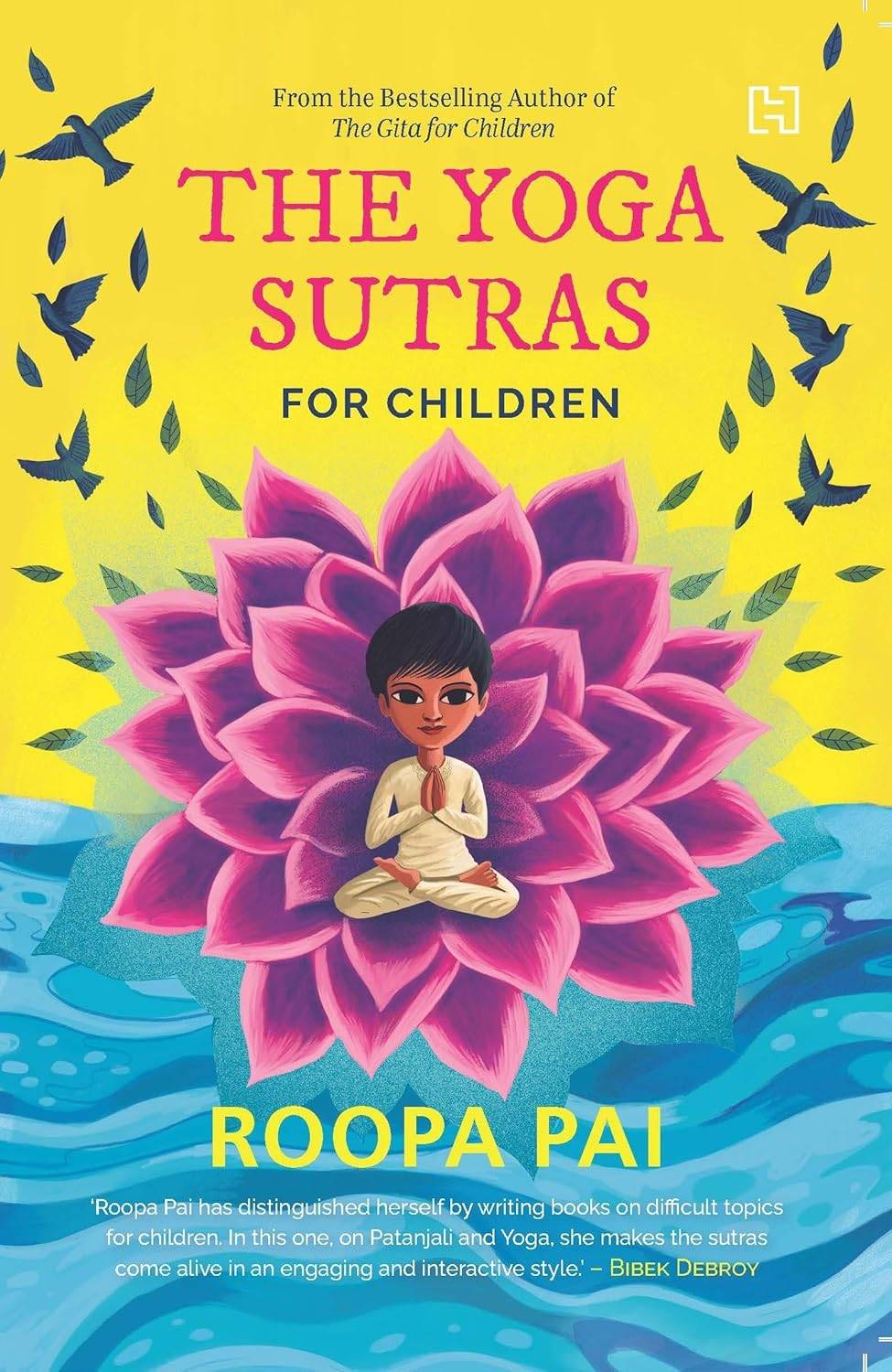
What are the Yoga Sutras? Instructions for bearded rishis who lived in the forests of ancient India? Or the complete manual of asanas? Neither! In fact, the text may well have been called ‘Maharishi P’s Ultimate Handbook of Mind Control’, for it is really a set of techniques to help us – all of us – awaken and harness the explosive power of our minds, through our actions, our attitudes and our awareness. And not our asanas? Those too, but not in the way you imagined it. In this surprising, sparkling book, Roopa Pai unravels the secrets of Patanjali's compact 2,000-year-old text in ways both fun and accessible. Walk down the well-marked paths into a dazzling world where a whole new version of yourself – self-assured, fearless and free – awaits you. Go on, then – what are you waiting for?
Becoming Bangalore
- Author Name:
Roopa Pai
- Book Type:
- Description:
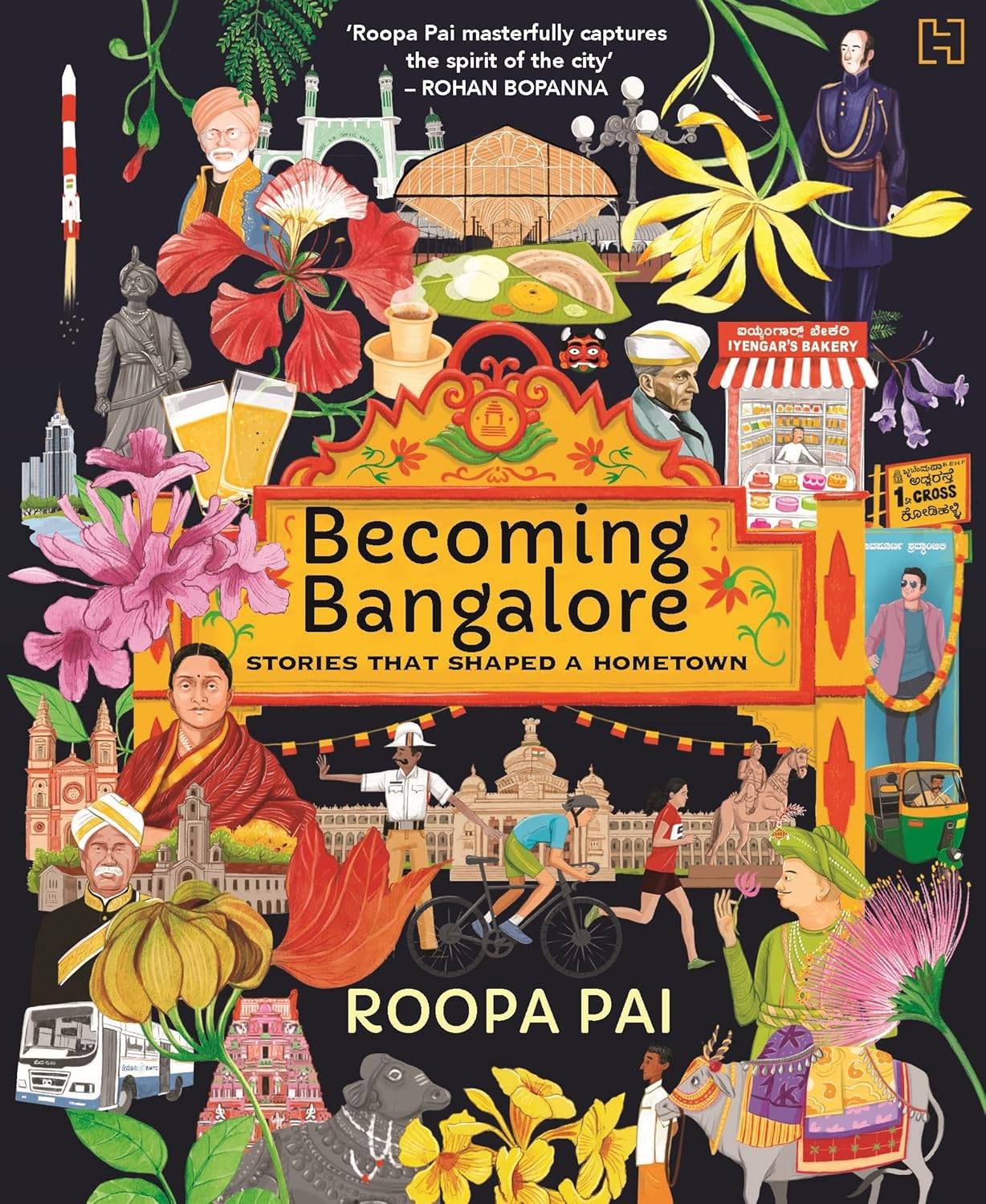
What makes a city uniquely itself? Is it its geography, history, location? Is it its leaders, aspirations, demographics? Or is it a palpable spirit, wrought of a combination of all these, that seeps into the soil over centuries, and charges the air, infecting residents and visitors alike? Two decades of exploring her hometown – and reading, writing and talking about it – has convinced Roopa Pai that the last is true: cities are neither born nor made, they become. In this collection of evocative essays, she trawls the city's history to tease out bits of the Bangalore jigsaw – a scientist's quest for excellence, a maharani's foresight, an entrepreneur's vision, a chief minister's ambition, a writer's pride in his language, and more – in an effort to trace the genesis of the liberal soul of the metropolis and its ability to offer inclusive, creative, laid-back spaces amid its frenetic growth. What emerges is a fascinating mosaic that reveals how a little sixteenth-century settlement on a hill became India's most charismatic city.
The Gita For Children
- Author Name:
Roopa Pai
- Book Type:
- Description:
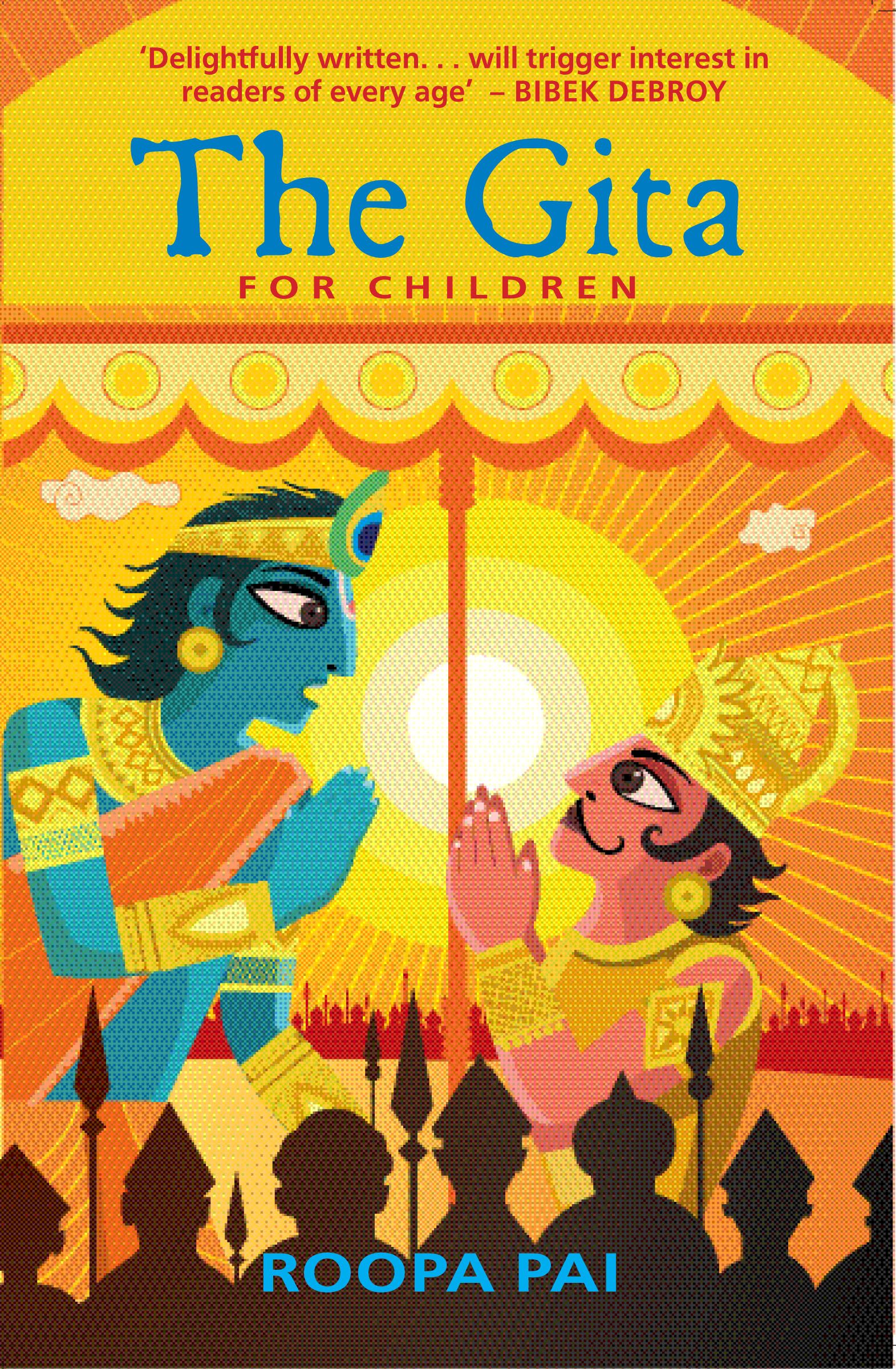
It's one of the oldest books in the world and India's biggest blockbuster bestseller! - But isn't it meant only for religious old people? - But isn't it very long... and, erm, super difficult to read? - But isn't the stuff it talks about way too complex for regular folks to understand? Prepare to be surprised. Roopa Pai's spirited, one-of-a-kind retelling of the epic conversation between Pandava prince Arjuna and his mentor and friend Krishna busts these and other such myths about the Bhagavad Gita. Lucid, thought-provoking and brimming with fun trivia, this book will stay with you long after you have turned the last page.
Gajapati Kulapati
- Author Name:
Ashok Rajagopalan
- Book Type:
- Description:
Small noses catch small colds. Big noses catch big colds. Gajapati Kulapati the elephant has a big nose and catches a great, big, mighty cold! And what happens when he sneezes – Aaaaachoooo….? With repetitive sounds and words that roll rhythmically through the pages, this bestselling series about the adorable elephant puts the zing back into storytelling and reading aloud. Bright, zestful pictures and dynamic visual text echo the lilt, making these big, happy books of fun.

Aai and I
- Author Name:
Mamta Nainy
- Book Type:
- Description:
Aadya looks just like her mother (Aai) same little nose, same delicate ears, same big eyes and identical thick, long hair. But one day, Aai goes away to a big hospital with a promise to return before she learns her next Math lesson. The long-awaited return shocks Aadya because her mother now looks entirely unlike her. She wonders if Aai will ever greet her with her usual cheery, "Hello! Mini-me." Or will She have to take matters into her own hands to hear that again? With lyrical prose and a tender touch, Aai and I is an empowering story about the bond between a mother and a daughter and of the little one finding her own identity as she no longer 'looks' the same as her mother. Mamta Nainy captures Elan Aadya's innocence, impatience, and dilemma, and Sanket Pethkar's vibrant, gorgeous artwork brings to life the nuanced see-saw of the child's emotions in this Maharashtrian household.

Machher Jhol
- Author Name:
Richa Jha
- Book Type:

- Description:
When Gopu's father (Baba) falls sick, the visually impaired Gopu knows he would have to step out alone. He negotiates the crowds, the markets and the traffic of the city of Calcutta, all by himself, to reach his grandma's house to get her to cook Baba's favourite fish curry. Does he succeed in bringing it home to him? In this book, Richa Jha writes as much about the courage of Gopu as she does about the sounds and smells of a bustling metropolis. Sumanta Dey brings alive the city of Calcutta between the covers of this book and makes the readers feel they are walking alongside Gopu.

Gajapati Kulapati Kalabalooosh!
- Author Name:
Ashok Rajagopalan
- Book Type:
- Description:
KALABALOOOOOOOOOOOOOOSH! It is a hot day and Gajapati plunges into the cool water. Then he looks around. Where is everybody else? With repetitive sounds and words that roll rhythmically through the pages, this bestselling series about the adorable elephant puts the zing back into storytelling and reading aloud. Bright, zestful pictures and dynamic visual text echo the lilt, making these big, happy books of fun.

Adventure of Konchige
- Author Name:
Anupama K Benachinamardi
- Book Type:
- Description:
Konchige is a captivating tale of a small hat that accidentally flew away in the wind one day. As it embarked on its adventurous journey, it encountered various daring experiences. This story unfolds the enchanting journey of the hat and reveals its fate.

Kempi The Cow
- Author Name:
Anupama K Benachinamardi
- Book Type:
- Description:
Every day, Kempi the cow wanders through the bustling city streets. But today—uh-oh—did she get stuck in a traffic jam, or was she the reason behind it? What unfolds next is a heartwarming and humorous tale that could easily take place in any Indian city. With its delightful blend of laughter and emotion, this story captures the chaos and charm of urban or semi urban life. Featuring stunning illustrations of typical Indian cityscapes, it’s a story that resonates with children of all ages!

The Manic Panic
- Author Name:
Richa Jha
- Book Type:
- Description:
Mom and Dad completely lose the plot the day the Wifi stops working in the house. In a role reversal of sorts, it's up to little Shivi to get her bored and tantrum-throwing parents to see that there is a perfectly wonderful life to be enjoyed beyond their screen craze. Mithila Ananth's zany, whimsical digital illustrations with a minimal neat colour palette and a touch of quiet humour throw into sharp focus Richa Jha's funny story done as a second person narrative. Together, they draw the reader right into the centre of this book's relatable universe.

Detective Pranav
- Author Name:
Anupama K Benachinamardi
- Book Type:
- Description:
Detective Pranav is a story about a young boy filled with imagination who often finds himself in trouble. Join him as he navigates through his investigation to prove his innocence and get to the bottom of mischief he is not guilty of!

Ants and the Stranger
- Author Name:
Anupama K Benachinamardi
- Book Type:
- Description:
When Kitty, Chitty, Titty, Thitty, and Pitty set off on a quest for food, an unexpected stranger suddenly appears before them. Who is he? Why is he here? Is he a friend—or a foe? This charming and thought-provoking story draws readers closer to the wonders of nature and sparks curiosity about the world around us. With its gentle message and engaging narrative, it’s a perfect addition to any school classroom or library collection.

Antara's Day Out
- Author Name:
Prabha Sudhagade
- Book Type:
- Description:
Ever feel stuck in the same routine every day? So did a little ant named Antara! Tired of the ordinary, she decided it was time for a change—something exciting, something bold. Join Antara on a delightful adventure and discover where her curiosity leads her. You never know what surprises await just around the corner! This beautiful story not only takes readers on Antara’s exciting journey but also introduces the fascinating homes and nests of different insects along the way. With its blend of adventure and learning, it’s a perfect read for young minds—and an excellent addition to any school classroom or library!

Harivamsha
- Author Name:
Bibek Debroy
- Book Type:
- Description:
A gorgeous, lucid rendering of the majestic conclusion to the Mahabharata As an epilogue to the greatest epic of all time, the Harivamsha further elaborates on the myriad conflicts of dharma and the struggle between good and evil. Stories abound-from the cosmogony of the universe to the legends of the solar and lunar dynasties and even a foreshadowing of kali yuga in the future. At the centre of all these magnificent tales is the mercurial figure of Krishna, whose miraculous life and wondrous exploits are recounted with vivid detail. In offering a glimpse into Krishna’s life-as a mischievous child, as an enchanting lover, as a discerning prince-this luminous text sheds light on many questions left unanswered in the Mahabharata. Brimming with battles and miracles, wisdom and heroics, philosophical insight and psychological acuity, Bibek Debroy’s splendid translation of the Harivamsha is absolutely essential reading for all those who love the Mahabharata.

Adventures of Rama
- Author Name:
Wonder House
- Book Type:
- Description:
This delightful collection of stories from Indian mythology introduces young readers to our enriching and ancient culture and wisdom.
Kannada Varnamale
- Author Name:
Anupama K Benachinamardi
- Book Type:
- Description:
This book is tailored for individuals with an interest in mastering the Kannada alphabet. It elucidates the pronunciation of each Kannada letter using English phonetics. Moreover, the book incorporates sensory words that captivate children's interest. Another distinctive aspect of this book is its presentation of vowels and consonants within the context of natural phenomena. Our aim is for children to forge a deeper connection with nature through this book.

Durga
- Author Name:
Wonder House
- Book Type:
- Description:
This delightful collection of stories from Indian mythology introduces young readers to our enriching and ancient culture and wisdom.

Sabhi Ke Liye Manvadhikar
- Author Name:
Pratapmal Devpura
- Book Type:
- Description:
जन्म से ही प्रत्येक मानव के कुछ अधिकार हैं। ‘सभी के लिए मानवाधिकार’ पुस्तक में मानवाधिकारों के विभिन्न पक्षों को सरल भाषा में समझाया गया है जिन्हें पढ़कर बच्चे और नवसाक्षर भी मानवाधिकारों को समझ सकते हैं। पुस्तक में पाठक को बच्चों के अधिकार, लैंगिक समानता, महिला समानता का अधिकार, महिलाओं के आर्थिक अधिकार, सामाजिक न्याय एवं मानवाधिकार और पुलिस जैसे विषयों के प्रति जागरूक करने का प्रयास किया गया है।

Gajapati Kulapati-Dhoomdamadam Dhapaak Dhoom!
- Author Name:
Ashok Rajagopalan
- Book Type:
- Description:
After his big-big sneeze, Gajapati Kulapati is back with a SPLASH! Like the very popular first book, sounds, rhythm, and repetition make this too a perfect read aloud for little ones.

Gajapati Kulapati-Dhobukkadeer!
- Author Name:
Ashok Rajagopalan
- Book Type:
- Description:
After his big-big sneeze, Gajapati Kulapati is back with a SPLASH! Like the very popular first book, sounds, rhythm, and repetition make this too a perfect read aloud for little ones.

Customer Reviews
Be the first to write a review...
The Vedas and Upanishads for Children does not simplify ancient India's most profound philosophical texts — it makes their questions urgent. Roopa Pai presents the essence of the Vedas and ten Upanishads with contemporary references, balancing philosophy with relatable stories, inviting readers aged eleven and up (and adults who never outgrew curiosity) into the forest laboratories where rishis contemplated consciousness three millennia ago. The book addresses ten Upanishads, describing the content of each, and tackles the concept of Brahman, states of mind, and the persistent riddle "Who am I?" with humour rather than reverence. Pai peppers the text with pop-culture references and relatable examples, transforming what could feel like a history lesson into an encounter with ideas that modern science has yet to resolve.
What kind of reading experience will The Vedas and Upanishads for Children give me?
The book communicates complex philosophical topics with ease, making readers feel engaged rather than lectured. You'll encounter big questions — the nature of consciousness, the meaning of identity, what the universe is made of — presented through conversational prose, contemporary analogies, and moments of humour. The journey is interactive and easy to read, encouraging readers to question and feel rather than simply believe. Expect to finish feeling curious, not certain, with ideas that linger and invite re-reading rather than offering tidy closure.
Who is The Vedas and Upanishads for Children best suited for, and what does it expect of its reader?
Though written in language teenagers understand, the book appeals equally to adults with only cursory knowledge of the Vedas and Upanishads. It suits readers curious about Indian philosophy but intimidated by dense translations, those who want historical and scientific context woven into ancient ideas, and anyone comfortable with abstraction presented playfully. Don't be misled by "for children" in the title — it's informative for beginners of any age. The book does not require religious belief or prior study, only patience with repetition of core concepts like Brahman and a willingness to sit with questions that have no final answers.
What is the cultural or historical significance of The Vedas and Upanishads for Children's subject to Indian readers today?
The book leaves readers awestruck at how the Vedas and Upanishads' deep understanding of the human mind and universe aligns with today's science, yet answers questions science hasn't resolved. For contemporary Indian readers navigating rapid modernisation, the text reconnects them with a philosophical inheritance often studied as duty rather than discovery. Pai's use of pop-culture references and relatable examples makes ancient scriptures' wisdom accessible, reminding readers that the forest-philosopher's inquiry into identity, consciousness, and purpose was secular and empirical, not dogmatic — a posture India's intellectual tradition can reclaim with pride.
What makes Roopa Pai's treatment of this subject distinctive in The Vedas and Upanishads for Children?
Pai does not copy-paste the Vedas and explain their meaning; she summarises their teachings and writes about their essence, a risky editorial choice that succeeds by prioritising clarity over comprehensiveness. Pai, whose The Gita for Children won the 2016 Crossword Award for children's writing, brings the same lucid, humorous voice here. She communicates the difficult and sometimes confusing world of the Vedas and Upanishads in simple language, using modern parallels without diluting philosophical complexity, making millennia-old abstraction feel immediate rather than archaeological.
What does The Vedas and Upanishads for Children leave the reader with — emotionally, intellectually, or culturally — long after they finish it?
The book plants questions rather than conclusions. Readers carry away an intellectual humility: ancient thinkers asked the same questions we do, and their answers remain compelling precisely because they resist dogma. The old answers of the Upanishads remain convincing for a significant number of people who still swear by them. Emotionally, you're left with curiosity rather than certainty, a sense that philosophy need not be solemn to be serious. Culturally, the book offers pride without nationalism — a reminder that India's intellectual inheritance was inquiry-driven, not scripture-bound, and that heritage remains a living resource for anyone willing to think.