Our Incredible Cow
About the book
Nyadosh the cow has a fierce gleam in her eyes and a furious appetite. She chomps on textbooks, feasts on frocks and devours anything blue in colour. But once she gets on the ilish fish trail, there's just no stopping her… This comical tale of a common cow with uncommon taste is one to relish. Nyadosh's extraordinary appetite unfolds through vivid photo collages, offset by light black-and-white doodles. Along with the almost unbelievable true-life story from one of India’s best known writers, they give readers a hilariously different depiction of what we usually think of as a mild-mannered animal! Originally in Bengali
Read more₹
195
₹ 152.1 22% off
Available
Format
About the Book
Nyadosh the cow has a fierce gleam in her eyes and a furious appetite. She chomps on textbooks, feasts on frocks and devours anything blue in colour. But once she gets on the ilish fish trail, there's just no stopping her… This comical tale of a common cow with uncommon taste is one to relish. Nyadosh's extraordinary appetite unfolds through vivid photo collages, offset by light black-and-white doodles. Along with the almost unbelievable true-life story from one of India’s best known writers, they give readers a hilariously different depiction of what we usually think of as a mild-mannered animal!
Originally in Bengali
Book details
- Format
- Paperback
- Publisher
- Tulika Publishers
- Weight
- 85 grams
- ISBN-13
- 9789350466759
- Pages
- 24
- Reading time
- ~1 hrs
- Age
- 0-11
- Country of origin
- India
- Dimensions
- 22 × 24 cm
- Language
- English
The Why-Why Girl
- Author Name:
Mahashweta Devi
- Book Type:

- Description:
Moyna lives in a little tribal village. She cannot go to school because she has to tend goats, collect firewood, fetch water… But she is so full of questions that the postmaster calls her the ‘why-why girl'! In this inspiring and delightful story, her first picture book, acclaimed Jnanpith award-winning writer Mahasweta Devi tells us how she meets Moyna (and her mongoose) and helps her find answers to all the why-whys – in books, that Moyna herself learns to read. Some of the translations have been done by well-known writers: Malayalam by Paul Zacharia, Tamil by Ambai, and Kannada by Girish Karnad. CBSE recommended

Kaan-Kaan Kumari
- Author Name:
Mahashweta Devi
- Book Type:
- Description:
Moyna lives in a little tribal village. She cannot go to school because she has to tend goats, collect firewood, fetch water… But she is so full of questions that the postmaster calls her the ‘why-why girl'! In this inspiring and delightful story, her first picture book, acclaimed Jnanpith award-winning writer Mahasweta Devi tells us how she meets Moyna (and her mongoose) and helps her find answers to all the why-whys – in books, that Moyna herself learns to read. Some of the translations have been done by well-known writers: Malayalam by Paul Zacharia, Tamil by Ambai, and Kannada by Girish Karnad. CBSE recommended

Oru Endendinu Pennkutti
- Author Name:
Mahashweta Devi
- Book Type:
- Description:
Moyna lives in a little tribal village. She cannot go to school because she has to tend goats, collect firewood, fetch water… But she is so full of questions that the postmaster calls her the ‘why-why girl'! In this inspiring and delightful story, her first picture book, acclaimed Jnanpith award-winning writer Mahasweta Devi tells us how she meets Moyna (and her mongoose) and helps her find answers to all the why-whys – in books, that Moyna herself learns to read. Some of the translations have been done by well-known writers: Malayalam by Paul Zacharia, Tamil by Ambai, and Kannada by Girish Karnad. CBSE recommended

Yain-Yain Sirumi
- Author Name:
Mahashweta Devi
- Book Type:
- Description:
Moyna lives in a little tribal village. She cannot go to school because she has to tend goats, collect firewood, fetch water… But she is so full of questions that the postmaster calls her the ‘why-why girl'! In this inspiring and delightful story, her first picture book, acclaimed Jnanpith award-winning writer Mahasweta Devi tells us how she meets Moyna (and her mongoose) and helps her find answers to all the why-whys – in books, that Moyna herself learns to read. Some of the translations have been done by well-known writers: Malayalam by Paul Zacharia, Tamil by Ambai, and Kannada by Girish Karnad. CBSE recommended

Yaake-Yaake Hudugi
- Author Name:
Mahashweta Devi
- Book Type:
- Description:
Moyna lives in a little tribal village. She cannot go to school because she has to tend goats, collect firewood, fetch water… But she is so full of questions that the postmaster calls her the ‘why-why girl'! In this inspiring and delightful story, her first picture book, acclaimed Jnanpith award-winning writer Mahasweta Devi tells us how she meets Moyna (and her mongoose) and helps her find answers to all the why-whys – in books, that Moyna herself learns to read. Some of the translations have been done by well-known writers: Malayalam by Paul Zacharia, Tamil by Ambai, and Kannada by Girish Karnad. CBSE recommended

Enduku-Enduku Ammaayi
- Author Name:
Mahashweta Devi
- Book Type:
- Description:
Moyna lives in a little tribal village. She cannot go to school because she has to tend goats, collect firewood, fetch water… But she is so full of questions that the postmaster calls her the ‘why-why girl'! In this inspiring and delightful story, her first picture book, acclaimed Jnanpith award-winning writer Mahasweta Devi tells us how she meets Moyna (and her mongoose) and helps her find answers to all the why-whys – in books, that Moyna herself learns to read. Some of the translations have been done by well-known writers: Malayalam by Paul Zacharia, Tamil by Ambai, and Kannada by Girish Karnad. CBSE recommended

WHY WHY GIRL
- Author Name:
Mahashweta Devi
- Book Type:
- Description:
Moyna lives in a little tribal village. She cannot go to school because she has to tend goats, collect firewood, fetch water… But she is so full of questions that the postmaster calls her the ‘why-why girl'! In this inspiring and delightful story, her first picture book, acclaimed Jnanpith award-winning writer Mahasweta Devi tells us how she meets Moyna (and her mongoose) and helps her find answers to all the why-whys – in books, that Moyna herself learns to read. Some of the translations have been done by well-known writers: Malayalam by Paul Zacharia, Tamil by Ambai, and Kannada by Girish Karnad.

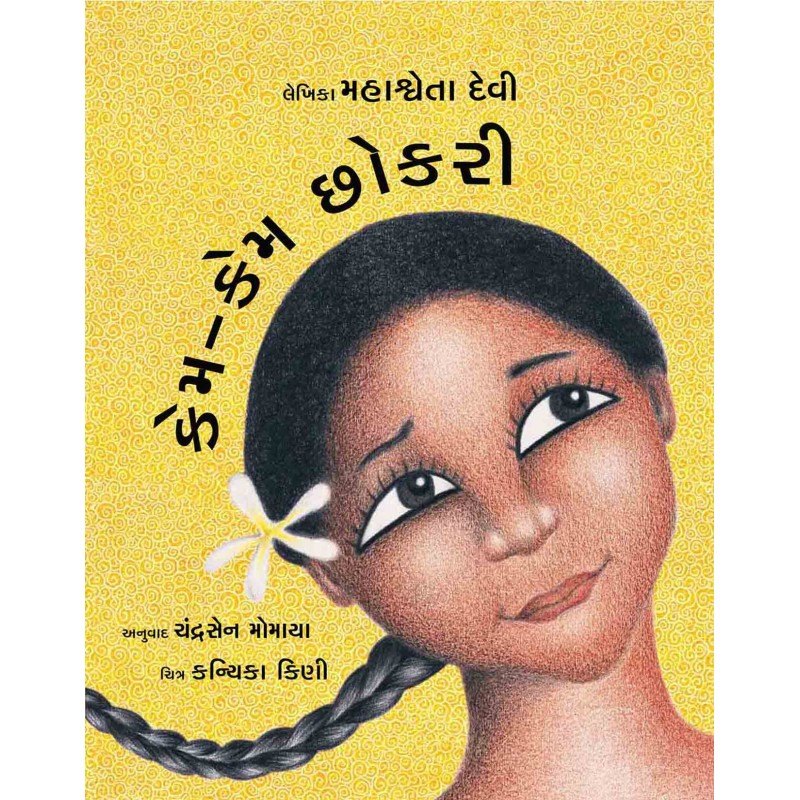
Kame-Kame Chhokri
- Author Name:
Mahashweta Devi
- Book Type:
- Description:
Moyna lives in a little tribal village. She cannot go to school because she has to tend goats, collect firewood, fetch water… But she is so full of questions that the postmaster calls her the ‘why-why girl'! In this inspiring and delightful story, her first picture book, acclaimed Jnanpith award-winning writer Mahasweta Devi tells us how she meets Moyna (and her mongoose) and helps her find answers to all the why-whys – in books, that Moyna herself learns to read. Some of the translations have been done by well-known writers: Malayalam by Paul Zacharia, Tamil by Ambai, and Kannada by Girish Karnad. CBSE recommended
Matrichhabi
- Author Name:
Mahashweta Devi
- Book Type:
- Description:
‘माँ’ सिर्फ़ एक सम्बन्धवाचक शब्द नहीं, बल्कि बरगद की वृक्ष की तरह इसकी विशालता है। जिसकी असंख्य जड़ें हैं, जो ज़मीन में मज़बूती से पैठकर अपने हर छोटे तने को पेड़ बनते देखती है। महाश्वेता देवी की ‘मातृछवि’ में माँ रूपी बरगद के अनेक तने हैं जिनमें उसके भिन्न-भिन्न रूप दिखाई देते हैं। इसमें कौशल्या है जो अपनी ज़मीन के लिए, अपने अधिकार के लिए हसुआ लेकर अकेले पूरे गाँव का नेतृत्व करती है और अपनी ज़िन्दगी न्योछावर कर देती है। वहीं जाह्नवी माँ हैं, जिन्हें जीते-जी देवी अवतार का रूप बताकर उनके पोते उनकी कमाई खाते रहते हैं और असल में उन्हें एक कोठी में बन्द कर खाने के लिए भी तरसाते हैं। ‘मातृछवि’ सिर्फ़ माँ के भिन्न रूपों को नहीं गढ़ती, बल्कि आज़ादी के बाद के बंगाल की सामाजिक, आर्थिक और राजनीतिक परतों को भी उधेड़ती है। परतों के खुलते ही जहाँ नक्सलबाड़ी आन्दोलन की रक्तरंजित भूमि दिखाई देती है तो वहीं समाजवाद के निर्माण के नाम पर यमुनावती की माँ और उसके जैसे तमाम लोग, जो अपने को फालतू और अनावश्यक समझने पर मजबूर किए जाते हैं। वहीं अपनी इज़्ज़त को बचाए रखने और अपने बच्चे को भरपेट चावल खिलाने के लिए जटी को सुबह-शाम की माँ बनना पड़ता है। और दिन देवी बनकर गुज़ारना पड़ता है। महाश्वेता देवी की कहानियों में भले ही औरत का मातृ रूप आज से पचास साल पहले का ही क्यों न हो, लेकिन इसकी प्रासंगिकता आज भी उतनी ही है जितनी तब रही होगी।

Jungle Ke Davedar
- Author Name:
Mahashweta Devi +1
- Book Type:
- Description:
बिहार के अनेक ज़िलों के घने जंगलों में रहनेवाली आदिम जातियों की अनुभूतियों, पुरा-कथाओं और सनातन विश्वासों में सिझी सजीव, सचेत आस्था का चित्रण। जंगलों को माँ की तरह पूजा करनेवाले, अमावस की रात के अँधेरे से भी काले—और प्रकृति जैसे निष्पाप—मुंडा, हो, हूल, संथाल, कोल और अन्य बर्बर (?), असभ्य (?) जातियों द्वारा शोषण के विरुद्ध और जंगल की मिल्कियत के छीन लिए गए अधिकारों को वापस लेने के उद्देश्य से की गई सशस्त्र क्रान्ति की महागाथा। 25 वर्ष का अनपढ़, अनगढ़ बीरसा उन्नीसवीं शती के अन्त में हुए इस विद्रोह में संघर्षरत लोगों के लिए ‘भगवान’ बन गया था, लेकिन ‘भगवान’ का यह सम्बोधन उसने स्वीकार किया था उनके जीवन में, व्यवहार में, चिन्तन में और आर्थिक एवं राजनीतिक परिस्थितियों में आमूल क्रान्ति लाने के लिए। कोड़ों की मार से उधड़े काले जिस्म पर लाल लहू ज़्यादा लाल, ज़्यादा गाढ़ा दीखता है न। इस विद्रोह की रोमांचकारी, मार्मिक, प्रेरक सत्यकथा है—‘जंगल के दावेदार’। हँसते-नाचते-गाते, परम सहज आस्था और विश्वास से दी गई प्राणों की आहुतियों की महागाथा—‘जंगल के दावेदार’।

Neel Chhavi
- Author Name:
Mahashweta Devi +1
- Book Type:
- Description:
आधुनिक नागर समाज एक तरफ सुख-सुविधा के नाना संसाधनों से सम्पन्न हुआ है तो दूसरी तरफ बौद्धिक-सांस्कृतिक रूप से अपने लिए उसने अनेक संकट भी खड़े किए हैं। साधनों तक पहुँच की बदौलत नैतिक और मानवीय स्तर पर बेहतर बनने के बजाय वह विलासिता को ही अपना चरम लक्ष्य मानने लगा है। ड्रग्स हो या कि ब्लू फिल्म उपभोग की निर्बन्ध आकांक्षा ने इस समाज के लोगों को निरा उपभोक्ता बनाकर छोड़ दिया है। ऊपर से चाक-चौबन्द और जगर-मगर नजर आता यह समाज वस्तुत: आन्तरिक खोखलेपन का शिकार बन चुका है। सबकुछ नियंत्रित करने वाली सियासत हो याकि स्वप्न देखने के लिए प्रेरित करने वाली कला, कोई भी इस संकट से अछूता नहीं है। ‘नील छवि’ निरन्तर पतन की इसी त्रासद सचाई का बेचैन करने वाला आख्यान है, जिसमें कथित उच्च वर्गीय जीवन का आपराधिक दोहरापन और नैतिकता व मानवीयता के घोषित मान्यताओं के निरुपाय होते जाने का चित्रण, ठहरकर सोचने के लिए विवश करता है।

Shri Shriganesh Mahima
- Author Name:
Mahashweta Devi +1
- Book Type:
- Description:
यह बिहार के एक गाँव की कहानी है, जो बीसवीं सदी में नहीं, अभी भी मध्ययुग के बीहड़ अँधेरों में जी रहा है और जहाँ आज भी भारत सरकार का नहीं, बल्कि ऊँची जाति के राजपूत मालिकों का प्रभुत्व चलता है। वही निरंकुश यह तय करते हैं कि नीची जातियों के मर्द–औरतों की भूमिका कब ज़रख़रीद ग़ुलाम, कब बँधुआ मज़दूर, कब उजड़े किसान और कब रखैल की होगी। भूमि–अधिपति श्री श्री गणेश है, इस बर्बर और हिंस्र व्यवस्था का निरंकुश शासक जिसकी महिमा का बखान जन्म से लेकर उसके पिताश्री की रखैल और उसकी धाय माता लछिमा के हाथों मारे जाने तक बड़ी सशक्त शैली में किया गया है। लेकिन फ़िलहाल हारी जानेवाली इस लड़ाई में शामिल लोगों की चित्र–वीथी में हैं हर जगह और हर युग में अत्याचारी के विरुद्ध चिनगारी फूँकने वालों की परम्परा में राँका दुसाध, गांधीवादी अभय महतो, नक्सली जुगलकरन और बस्तियों से जंगलों में भागकर आई अनाम भीड़। उपन्यास में हरेक की छवि बड़ी ही सहज और सशक्त रंगों में उभारी गई है। मध्यवर्ग की नई पीढ़ी की यौवन पल्लवी शाह की बौनी सहानुभूति पर किया गया कटाक्ष इस उपन्यास के पाठक कभी भूल नहीं पाएँगे। लेकिन बीहड़ अँधेरे में किरण है सरसतिया की आवाज़, जो अपनी कोख से राँका दुसाध जैसी उद्धत सन्तान को टेर रही है, यही है इस उपन्यास में उपन्यासकार की आस्था का उद्घोष।

Shaalgirah Ki Pukar Per
- Author Name:
Mahashweta Devi +1
- Book Type:
- Description:
हिन्दुस्तान में गोराशाही लूट पर टिकी थी। व्यापार करने आई ईस्ट इंडिया कम्पनी ने लूट-व्यापार को स्थायी बनाने के लिए षड्यंत्र और सैनिक हस्तक्षेप के ज़रिए 1757 में प्लासी-युद्ध में जीत के बाद सत्ता हाथ में ले ली। मगर रियाया पर प्रभुत्व स्थापित करना आसान न था। गोरों के ख़िलाफ़ असन्तोष फैलने लगा था। मुनाफ़े के लिए गोरे अकाल और भूख की तिजारत कर रहे थे। अपने शासन-क्षेत्र का विस्तार कर रहे थे। बिहार-बंगाल के जंगल के दावेदार संथालों से अपना लोहा मनवाने और उनकी स्वतंत्र-प्रवृत्ति पर क़ाबू पाने के लिए गोरों ने जंगल-उत्पादों, धान-चावल की ख़रीद शुरू की। गोरों ने बाज़ार को हथियार बनाया। संथाल भड़क उठे और विद्रोह की कमान सँभाली संथाल परगना के आदि विद्रोही तिक्का माँझी ने। संथाल जीवन और गोरों के विरुद्ध उनके ऐतिहासिक संग्राम की गाथा दर्ज है। ‘शाल-गिरह की पुकार’ में प्रख्यात लेखिका महाश्वेता देवी की प्रखर लेखनी से। यह न केवल इतिहास है बल्कि हर भारतीय के लिए गौरव-स्मृति भी है।

Ghaharaati Ghatayen
- Author Name:
Mahashweta Devi +1
- Book Type:
- Description:
घहराती घटाएँ विख्यात बांग्ला कथाकार महाश्वेता देवी की आठ लम्बी कहानियाँ अथवा उपन्यासिकाएँ इस पुस्तक में संकलित हैं। उनकी श्रेष्ठतम रचनाओं में इनकी गणना की जा सकती है। इनमें ‘रुदाली’ नामक उपन्यासिका भी शामिल है जिस पर इसी नाम से एक बेहद सार्थक फ़िल्म बनाई जा चुकी है। इन उपन्यासिकाओं में बिहार के आदिवासी इलाक़ों के जीवन का रोमांचक वर्णन है और आदिवासियों के सामाजिक, सांस्कृतिक तथा आध्यात्मिक जीवन के खरे चित्र बेलौस भाषा में दिखाए गए हैं। उनके शोषण-उत्पीड़न, उनकी आशा-आकांक्षा, उनका भोलापन और उनकी जिजीविषा को भीतर तक देखा-दिखाया गया है। मानव-जीवन के इस सबसे प्रताड़ित, पिछड़े और दयनीय, फिर भी स्वाभिमानी और तेजस्वी पक्ष को प्रस्तुत करने में महाश्वेता देवी की लेखनी का कमाल इन रचनाओं को अभूतपूर्व ताज़गी और कचोट से भर देता है।

Agnigarbh
- Author Name:
Mahashweta Devi +1
- Book Type:
- Description:
पश्चिम बंगाल समेत पूरे भारतवर्ष में भूमिहीन किसानों के असन्तोष और विद्रोह का इतिहास समकालीन घटना-मात्र नहीं है। आधुनिक इतिहास के हर पर्व में विद्रोह का प्रयास, उनके प्रति दूसरे वर्ग के शोषण के चरित्र को प्रकट करता है, जो अब तक प्रायः अपरिवर्तनीय बना हुआ है। दार्जिलिंग ज़िले के नक्सलबाड़ी, खड़ीबाड़ी और फाँसी से लगनेवाले अंचल के अधिकांश भाग के रहनेवाले आदिवासी भूमिहीन किसान हैं। उनमें मेदी, लेप्चा, भोटिया, संथाल, उराँव, राजबंसी और गोरखा सम्प्रदाय के लोग हैं। स्थानीय ज़मींदारों ने बहुत दिनों से चली आ रही ‘अधिया’ की व्यवस्था में उन पर अपना शोषण जारी रखा है। इस व्यवस्था के नियम के अनुसार ज़मींदार भूमिहीन किसानों को बीज के लिए धान, हल-बैल, खाना और मामूली पैसे देकर अपने खेत में काम पर लगाते और उपज का अधिकांश भाग ज़मींदार के घर जाता। ऐसे में वे लोग सामन्ती हिंसा के विरुद्ध हिंसा को चुन लें तो क्या आश्चर्य? ‘अग्निगर्भ’ का संथाल किसान बसाई टुडू किसान-संघर्ष में मरता है। लाश जलने के बावजूद उसके फिर सक्रिय होने की ख़बर आती है। बसाई फिर मारा जाता है। वह अग्निबीज है और अग्निगर्भ है सामन्ती कृषि-व्यवस्था। महाश्वेता देवी मानती हैं कि इस धधकते वर्ग-संघर्ष को अनदेखा करने और इतिहास के इस संधिकाल में शोषितों का पक्ष न लेनेवाले लेखकों को इतिहास माफ़ नहीं करेगा। असंवेदनशील व्यवस्था के विरुद्ध शुद्ध, सूर्य-समान क्रोध ही उनकी प्रेरणा है। एक अत्यन्त प्रेरक कृति।

Nati
- Author Name:
Mahashweta Devi
- Book Type:
- Description:
बंगाल की प्रसिद्ध उपन्यासकार महाश्वेता देवी की चमत्कारी लेखनी से हिन्दी पाठक पूर्णरूपेण परिचित हो चुके हैं। ‘ज्ञानपीठ पुरस्कार’ और ‘साहित्य अकादेमी पुरस्कार’ से सम्मानित महाश्वेता देवी की कृति ‘नटी’ पढ़कर पाठक एक बार फिर चौकेंगे। करीब सवा सौ साल पहले की संगीत-सभा, मुजरा-गोष्ठी, भारतीय स्वातंत्र्य-संग्राम की प्रथम चिनगारी और संघर्ष के वातावरण के बीच मोती नाम की एक नर्तकी की प्रेरणादायक भूमिका का यह इतिहास-खंड एक नई दुनिया की ही सृष्टि करता है। मोती अद्वितीय सुन्दरी थी, अपूर्व नर्तकी, ख़ूब मोहक। लेकिन राजाओं-महाराजाओं के बीच मुजरा करके उनका मनोरंजन करते-करते स्वयं ही एक सिपाही ख़ुदाबख़्श की प्रेयसी बन उसे सारा जीवन संन्यासिनी होकर क्यों बेचैन रहना पड़ा, इसी की कथा है यह—नटी। ..रंग, रेशम, जरी, जेवर और वेणी में तूफ़ान भरकर अनेक मजलिसों से घिरी, घुँघरुओं की झंकार पर थिरकती मोती जब घाघरे का एक वृत्त बनाकर बैठ गई तो उसका सीमाहीन जीवन ख़ुदाबख़्श की एकान्त प्रेम-परिधि में कैसे बँध गया, क्यों? ख़ुदाबख़्श के वक्ष के अतिरिक्त मोती के लिए छिपने का कहीं स्थान नहीं बचा क्यों...क्यों? रंगीन जीवन की अनेकानेक रहस्यमय परतों को एक-एक कर खोलनेवाली और पग-पग पर पाठकों को चौंकानेवाली ‘नटी’ की यह अनुपम कथा एक अनुपम साहित्यिक उपलब्धि है।

Aklant Kaurav
- Author Name:
Mahashweta Devi +1
- Book Type:
- Description:
यह उपन्यास सामयिक वाम राजनीति के परस्पर विरोधी पक्षों के संघर्ष की प्रामाणिक दस्तावेज़ है और इतनी परिपक्व राजनीतिक सूझ-बूझ और प्रखर सामाजिक चेतना से ओतप्रोत कि वाम राजनीति की विचारधाराओं के घटाटोप आकाश के स्पष्ट दिशा-संकेत देता है। संथालों के जागुला गाँव में द्वैपायन सरकार का आगमन एक ऐसी थीसिस लिखने के लिए होता है, जिसका उद्देश्य संथालों की ताक़त और उनकी एकता को छिन्न-भिन्न करना है। वाम राजनीति के दक्षिणी छोर के स्थायी निवासी द्वैपायन सरकार किन्हीं अदृश्य शक्तियों से चालित होकर अक्सर इसी तरह के विषयों के अनुसन्धानकर्ता के रूप में प्रख्यात हैं, किन्तु अब उन्हें पहचान लिया गया है। युवा इन्द्र प्रामाणिक कलकत्ता के यूनियन फ़्रंट पर बड़े नेताओं के बदलते तेवर देखकर ईमानदारी से गाँव में काम करने के लिए आया है, किन्तु नवीन बाबू और मोती बाबू जैसे सजे-धजे काडरों का उसे नक्सल सिद्ध करने में कौन-सा मक़सद है? ईमानदार काडर और बेईमान काडर तथा छुटभैये कॉमरेडों के इस संघर्ष में संथालों को अपना विश्वसनीय पक्ष ढूँढ़ने में कोई कठिनाई नहीं होती। यह उपन्यास पश्चिम बंगाल सरकार द्वारा खेतिहर भूमि के बँटवारे के लिए चलाए गए ‘ऑपरेशन बर्गा’ के लाभों से वंचित आदिवासी जातियों की संघर्ष-गाथा है। न्याय की लड़ाई का प्रामाणिक दस्तावेज़ है।

Chotti Munda Aur Uska Teer
- Author Name:
Mahashweta Devi
- Book Type:
- Description:
भारत के आदिवासी समाज और उसके जीवन पर महाश्वेता देवी ने प्रामाणिक कथासाहित्य का निर्माण किया है। ‘चोट्टि मुण्डा और उसका तीर’ इसी शृंखला की एक कड़ी है, जो इस उपन्यास के नायक चोट्टि मुण्डा (चोट्टि एक नदी का भी नाम है) के संघर्षमय जीवन के माध्यम से मुण्डा जाति के शोषण, उत्पीड़न और उसके ख़िलाफ़ उसके तेजस्वी और वीरत्वपूर्ण संघर्ष की कहानी कहती है। मुण्डा जाति ने अंग्रेज़ों के शासनकाल में बिरसा मुण्डा के नेतृत्व में गौरवशाली विद्रोह किया था, जिसे अन्ततः दबा दिया गया। शोषण, उत्पीड़न बदस्तूर जारी रहा, जो आज़ादी के बाद भी बरकरार रहा। आदिवासी कल्याण की परिकल्पनाएँ कितनी थोथी और पाखंडपूर्ण हैं, यह भी इस उपन्यास में पूरी तरह स्पष्ट होता है। चोट्टि मुण्डा की कहानी मुण्डारी जाति और दूसरी अस्पृश्य हिन्दू जातियों के विद्रोह की अपूर्व तथा शौर्यमय गाथा है, जो हमारे देश के वर्तमान ‘सच’ को उजागर करती है।

Sach-Jhooth
- Author Name:
Mahashweta Devi
- Book Type:
- Description:
बांग्ला की ख्यातनामा लेखक महाश्वेता देवी बांग्ला-पाठकों से अधिक हिन्दी-पाठकों में परिचित व प्रसिद्ध हैं। अपनी यथार्थवादी कृतियों के कारण वे पाठकों के विशाल समूह में आदर की पात्री हैं। महाश्वेता देवी के उपन्यासों की विषय-वस्तु कुछ इतनी नवीन, अनजानी और आकर्षक होती है कि उसे पढ़ते समय पाठक एक अन्य भाव-जगत् की सैर करने लगता है। अपने ‘सच-झूठ’ उपन्यास में वे एक नई ज़मीन हमारे सामने प्रस्तुत करती हैं। भारत में नव-धनाढ्य वर्ग की अपनी विचित्र लीला है। अब वे घर-मकान छोड़ प्रोमोटरों द्वारा निर्मित बहुमंज़िली इमारतों के फ़्लैटों में कई-कई मंज़िलों में बसते हैं। इन फ़्लैटों की सजावट उनके धन के प्रदर्शन का साधन है। लेकिन इन बहुमंज़िली इमारतों के पार्श्व में एक पुरानी बस्ती का होना भी आवश्यक है। वह बस्ती न रहे तो फ़्लैटों में बसनेवाली मेमसाहबों की सेवा के लिए दाइयाँ-नौकरानियाँ कहाँ से आएँ। फिर इन दाइयों की साहबों को ज़रूरत रहती है। मेमसाहबों की ग़ैर-मौजूदगी में ये युवती दाइयाँ साहबों के काम आती हैं। ऐसी ही एक दाई और धनिक साहब अर्जुन के चारों ओर घूमती यह कथा धनिक वर्ग के जीवन के गुप्त रहस्यों को प्रकट करती है जहाँ ग़रीबों का शोषण आज भी बरक़रार है। रहस्य-रोमांच से भरपूर एक चमत्कारी कथा।

Jhansi Ki Rani
- Author Name:
Mahashweta Devi +1
- Book Type:
- Description:
‘झाँसी की रानी’ महाश्वेता देवी की प्रथम रचना है। स्वयं उन्हीं के शब्दों में, ‘इसी को लिखने के बाद मैं समझ पाई कि मैं एक कथाकार बनूँगी।’ इस उपन्यास को लिखने के लिए महाश्वेता जी ने अथक अध्ययन किया और झाँसी की रानी लक्ष्मीबाई के विषय में व्याप्त तरह-तरह की किंवदन्तियों के घटाटोप को पार कर तथ्यों और प्रामाणिक सूचनाओं पर आधारित एक जीवनीपरक उपन्यास की तलाश की। इस पुस्तक को महाश्वेता जी ने कलकत्ता में बैठकर नहीं, बल्कि सागर, जबलपुर, पुणे, इन्दौर, ललितपुर के जंगलों, झाँसी, ग्वालियर, कालपी में घटित तमाम घटनाओं यानी 1857-58 में इतिहास के मंच पर जो हुआ, उस सबके साथ-साथ चलते हुए लिखा। अपनी नायिका के अलावा लेखिका ने क्रान्ति के बाक़ी तमाम अग्रदूतों, और यहाँ तक कि अंग्रेज़ अफ़सरों तक के साथ न्याय करने का प्रयास किया है। इस कृति में तमाम ऐसी सामग्री का पहली बार उद्घाटन किया गया है जिससे हिन्दी के पाठक सामान्यतः परिचित नहीं हैं। झाँसी की रानी पर अब तक लिखी गईं अन्य औपन्यासिक रचनाओं से यह उपन्यास इस अर्थ में भी अलग है कि इसमें कथा का प्रवाह कल्पना के सहारे नहीं बल्कि तथ्यों और दस्तावेज़ों के सहारे निर्मित किया गया है, जिसके कारण यह उपन्यास जीवनी के साथ-साथ इतिहास का आनन्द भी प्रदान करता है।

Frequently asked questions
Delivery, payment and returns for this book.
<p>Our Incredible Cow delivers delight through absurdity. The story moves briskly – each spread reveals a new outrageous thing Nyadosh devours – so the pacing rewards a child's appetite for the unexpected. The emotional tone is warm and comic, never preachy; Mahasweta Devi's voice invites you to laugh at the chaos rather than tidy it into a lesson. Ruchi Shah's surreal photo collages ask the eye to linger: common objects – bottles, vegetables, fabrics – compose the cow's body, making each page a visual puzzle as much as a narrative beat. The feeling it leaves behind is one of generous surprise, the kind that reminds readers that the most memorable stories often come from the moments that refuse to behave.</p>
<ul><li>Young readers (ages 4–8) who relish absurdity and animals behaving badly, and who are ready to see a familiar creature – the cow – stripped of its mild-mannered reputation.</li><li>Families looking for read-aloud picture books that provoke laughter rather than instruction, where the humor lands for both child and adult.</li><li>Readers drawn to innovative illustration styles – those who appreciate how photo collage and hand-drawn elements can collaborate to create something visually arresting.</li><li>Anyone curious about Mahasweta Devi beyond her political novels, seeking the lighter, memoir-inflected side of a writer India honors for her moral seriousness.</li></ul>
<p>In a nation where the cow is venerated, legislated over, and freighted with political symbolism, Nyadosh is quietly, comically subversive. Mahasweta Devi wrote this story decades ago, yet its humor feels especially pointed now – it reminds readers that real animals are messy, willful, and resistant to the tidy roles ideology assigns them. For children growing up amid debates about what cows mean, Nyadosh offers permission to see the animal as it is: unpredictable, even absurd. The cow's appetite for fish (decidedly non-vegetarian) and her disdain for authority (she terrified vets and policemen alike) gently punctures the reverence, restoring the creature to the realm of lived experience rather than symbol alone.</p>
<p>Mahasweta Devi, a Jnanpith Award recipient (1996) known internationally for her fierce advocacy fiction about India's tribal communities, here turns memoir into satire with a light hand. She does not moralize Nyadosh's appetite or flatten the cow into allegory; instead, she reports the chaos with affectionate bemusement, trusting the absurdity to carry its own meaning. Her editorial choice – to frame this as an "almost unbelievable true-life story" rather than fable – anchors the wildness in domestic reality, making the humor feel intimate rather than exaggerated. Paired with Ruchi Shah's collages, which render Nyadosh's body from the very objects she consumed, the book becomes a collaboration between witness and artist, memory and invention.</p>
<p>Emotionally, the book leaves behind laughter and a lingering fondness for the unruly. Intellectually, it quietly teaches that not all stories need tidy morals – sometimes the value lies in preserving the strange, specific truth of what happened. Culturally, it offers young Indian readers a way to hold two ideas at once: respect for tradition and delight in the moments when the world refuses to conform to it. Nyadosh becomes a character children remember precisely because she cannot be contained by expectation, and that memory – of a cow who ate what she wanted and frightened everyone trying to control her – carries a small, irreverent freedom into the reader's imagination.</p>
Customer reviews
Be the first to write a review
Read this one? Tell other readers what you thought about the story, the translation and the print.
Our Incredible Cow is drawn from Mahasweta Devi's own memoir – a true account of Nyadosh, a cow whose appetite defied every convention of what cows are supposed to eat. While India venerates the cow as gentle and vegetarian, Nyadosh feasted on textbooks, frocks, and anything blue, and once she caught the scent of ilish fish, no one could contain her. Mahasweta Devi, recipient of the Jnanpith Award (1996) and the Sahitya Akademi Award, brought her satirical eye to this family story, and illustrator Ruchi Shah reimagined it through surrealistic photo collages layered with black-and-white doodles. The result subverts the expected image of the mild-mannered animal and offers young readers a hilariously different perspective – one where a cow can be petulant, fierce, and utterly unforgettable. First in Tulika's Illustrated Classics series, this picture book speaks to the wonder children find in the unexpected and to the humour adults rediscover in the absurd moments family memory preserves.
What kind of reading experience will Our Incredible Cow provide me with?
Our Incredible Cow delivers delight through absurdity. The story moves briskly – each spread reveals a new outrageous thing Nyadosh devours – so the pacing rewards a child's appetite for the unexpected. The emotional tone is warm and comic, never preachy; Mahasweta Devi's voice invites you to laugh at the chaos rather than tidy it into a lesson. Ruchi Shah's surreal photo collages ask the eye to linger: common objects – bottles, vegetables, fabrics – compose the cow's body, making each page as much a visual puzzle as a narrative beat. The feeling it leaves behind is one of generous surprise, the kind that reminds readers that the most memorable stories often come from the moments that refuse to behave.
Who is Our Incredible Cow best suited for, and what does it expect of its reader?
- Young readers (ages 4–8) who relish absurdity and animals behaving badly, and who are ready to see a familiar creature, the cow, stripped of its mild-mannered reputation.
- Families looking for read-aloud picture books that provoke laughter rather than instruction, where the humour lands for both child and adult.
- Readers drawn to innovative illustration styles – those who appreciate how photo collage and hand-drawn elements can collaborate to create something visually arresting.
- Anyone curious about Mahasweta Devi beyond her political novels, seeking the lighter, memoir-inflected side of a writer India honours for her moral seriousness.
What is the cultural significance of a cow like Nyadosh to Indian readers today?
In a nation where the cow is venerated, legislated over, and freighted with political symbolism, Nyadosh is quietly, comically subversive. Mahasweta Devi wrote this story decades ago, yet its humour feels especially pointed now – it reminds readers that real animals are messy, willful, and resistant to the tidy roles ideology assigns them. For children growing up amid debates about what cows mean, Nyadosh offers permission to see the animal as it is: unpredictable, even absurd. The cow's appetite for fish (decidedly non-vegetarian) and her disdain for authority (she terrified vets and policemen alike) gently puncture the reverence, restoring the creature to the realm of lived experience rather than symbol alone.
What makes Mahasweta Devi's treatment of this subject distinctive in Our Incredible Cow?
Mahasweta Devi, a Jnanpith Award recipient (1996) known internationally for her fierce advocacy fiction about India's tribal communities, turns memoir into satire with a light hand here. She does not moralise Nyadosh's appetite or flatten the cow into allegory; instead, she reports the chaos with affectionate bemusement, trusting the absurdity to carry its own meaning. Her editorial choice – to frame this as an "almost unbelievable true-life story" rather than a fable – anchors the wildness in domestic reality, making the humour feel intimate rather than exaggerated. Paired with Ruchi Shah's collages, which render Nyadosh's body from the very objects she consumed, the book becomes a collaboration between witness and artist, memory and invention.
What does Our Incredible Cow leave the reader with, emotionally, intellectually, or culturally, long after they finish it?
Emotionally, the book leaves behind laughter and a lingering fondness for the unruly. Intellectually, it quietly teaches that not all stories need tidy morals – sometimes the value lies in preserving the strange, specific truth of what happened. Culturally, it offers young Indian readers a way to hold two ideas at once: respect for tradition and delight in the moments when the world refuses to conform to it. Nyadosh becomes a character children remember precisely because she cannot be contained by expectation, and that memory – of a cow who ate what she wanted and frightened everyone trying to control her – carries a small, irreverent freedom into the reader's imagination.