
How to Own Your Own Mind
₹
350
₹ 280 (20% off)
Available
Napoleon Hill's timeless classic, Think and Grow Rich, is the best-read self-help book of the twentieth century. Not so well known is how Hill earned his livelihood before he wrote: "Think and Grow Rich". Another classic work of Dr Hill is "How to Own Your Mind", which shows the way to stabilise your mind and achieve success in life. As Dr Hill repeatedly emphasised, action is critical to success. But you must think before you act, or your efforts will be wasted. These timeless chapters about the importance of thought before action will prove very instructive in helping you attain your own Definite Major Purpose. To do so, you must learn how to own your mind, and this book will tell you how to do it.
Read moreAbout the Book
Napoleon Hill's timeless classic, Think and Grow Rich, is the best-read self-help book of the twentieth century. Not so well known is how Hill earned his livelihood before he wrote: "Think and Grow Rich".
Another classic work of Dr Hill is "How to Own Your Mind", which shows the way to stabilise your mind and achieve success in life. As Dr Hill repeatedly emphasised, action is critical to success. But you must think before you act, or your efforts will be wasted.
These timeless chapters about the importance of thought before action will prove very instructive in helping you attain your own Definite Major Purpose. To do so, you must learn how to own your mind, and this book will tell you how to do it.
Book Details
Think and Grow Rich
- Author Name:
Napoleon Hill
- Book Type:

- Description:
Awating description for this book

How to Sell Your Way through Life
- Author Name:
Napoleon Hill
- Book Type:
- Description:
Awating description for this book

POSITIVE THINKING (ENG-PB)
- Author Name:
Napoleon Hill
- Book Type:
- Description:
Personality Development is not possible without positive thinking. This attitude only has the capacity to open the doors of success for you. This book inspires you to abandon negativity (pessimism) and to think with an open mind. With its aid, you can transform your life. It has a collection of keys to your success – P.M.A (Positive Mental Attitude). By following the practical principles prescribed so lucidly and clearly in this book you can achieve P.MA materialize your dreams. So come, brace yourself for flying high and getting inspired by your indomitable will and determination, touch newer peaks of success in life. A must read book for those who want to succeed in life.

The Path to Personal Power
- Author Name:
Napoleon Hill
- Book Type:
- Description:
Awating description for this book

Magic Seeds for Success
- Author Name:
Judith Williamson +1
- Book Type:
- Description:
Judith Williamson is the ideal author to take Napoleon Hill’s writings and create reflections for her readers. When I first read the manuscript that you now have in your hands, I felt like I was back in the classroom and the course was Dr. Hill’s Science of Success. It has been said that when the student is ready, the teacher will appear. Both you and I know that the answers we seek are within each of us, but it often takes someone else to show us the direction in which to proceed. If you are a student of life and desire to be more successful, then by all means let Dr. Hill and Judith Williamson be your teachers. It is not the accumulation of what you read that matters, but what you use. It only takes a few weeks of repeating the same act until it becomes a habit—either a good habit or a bad one. I know you have probably heard the saying, “we first make our habits and then our habits make us.” Just as millions of other Napoleon Hill readers have done for nearly one hundred years, the message you are to receive, if you are ready to receive it, is that there is a roadmap to success. You can attain the success in life most people only dream of attaining. But, first you must follow in the footsteps of those who have achieved their goals. Enjoy the journey.

Think And Grow Rich (Hindi Translation of Think And Grow Rich)
- Author Name:
Napoleon Hill
- Book Type:
- Description:
Awating description for this book

Napoleon Hill Ke Mahan Bhashan
- Author Name:
Napoleon Hill
- Book Type:
- Description:
उद्देश्य की निश्चितता के बिना इस संसार में कभी किसी ने कोई भी सार्थक उपलब्धि प्राप्त नहीं की। हो सकता है कि आपके छोटे-छोटे उद्देश्य हों; लेकिन आप यदि जीवन में सफल होना चाहते हैं तो भविष्य में आपको कोई ऐसा लक्ष्य तय करना होगा, जिसे आपने अब तक प्राप्त नहीं किया है और कुछ ऐसा, जो यह बताता है कि आपके लिए सफल जीवन का अर्थ क्या है। इस युग में सबसे बड़ा पाप यह है कि अधिकांश लोग न केवल अधिक मेहनत करने से बचते हैं, बल्कि यकीन मानिए, मेहनत करने से ही बचते हैं। मनुष्य अपना ही साँचा गढ़ता है। अपना भाग्य वह खुद लिख सकता है, अपने भविष्य को स्वयं आकार दे सकता है। अपना काम स्वयं तय कर सकता है। आप गरीबी के बारे में सोच सकते हैं, आप विफलता के बारे में सोच सकते हैं, आप पराजय के विषय में सोच सकते हैं और आपको बिलकुल यही सब मिलेगा। आप सफलता के बारे में सोच सकते हैं, पैसों की बाढ़ के बारे में सोच सकते हैं, आप उपलब्धि के विषय में सोच सकते हैं और आपको यही मिलेगा। —इसी पुस्तक से सैल्फ हैल्प पुस्तकों के विश्वविख्यात लेखक नेपोलियन हिल ने अपने भाषणों में जीवन के व्यावहारिक पहलू बताए हैं। उनके दीर्घ अनुभव से आमजन लाभ उठा सकें, इसी उद्देश्य से इस पुस्तक में उनके प्रमुख भाषण संकलित किए गए हैं। ये आपको प्रेरित करेंगे, आत्मविश्वास बढ़ाएँगे व सफलता प्राप्त करने के लिए उद्यत करेंगे।

Manchahi Safalta Kaise Payen
- Author Name:
Napoleon Hill
- Book Type:
- Description:
Awating description for this book

Adhiktam Safalata
- Author Name:
Napoleon Hill
- Book Type:
- Description:
डॉ. नेपोलियन हिल के लेखन को जानने के बाद यह जानना आसान हो जाता है कि ज्यूडिथ विलियमसन ने जीवन की संपदाओं से भरपूर पुस्तक के लिए ‘अधिकतम सफलता’ नाम यों चुना? डॉ. हिल ने तेरह वर्ष की अल्पायु में, दक्षिण-पश्चिम वर्जीनिया के पर्वतों पर रहते हुए अपना लेखन आरंभ किया और आनेवाले सात दशकों तक अपनी लेखन प्रतिभा का शानदार परिचय दिया। उन्होंने अपने प्रमुख लेखन में जिन व्यतियों पर अध्ययन और शोध किया, मानो उनके जीवन में से सोना प्राप्त करने के लिए खदानें खोद दीं। उनके प्रमुख कार्यों में ‘लॉ ऑफ ससेस और थिंक ऐंड ग्रो रिच’ को शामिल कर सकते हैं। उनके संपूर्ण लेखन से उनके पाठकों ने यह अनमोल विरासत पाई। अगर आप ‘नेपोलियन हिल : अधिकतम सफलता’ में सुश्री विलियमसन द्वारा दिए गए लेखों को पढ़ेंगे तो निश्चित रूप से इनका लाभ पा सकेंगे। इनमें से कुछ नियम आपकी सफलता की यात्रा में काम आनेवाले हैं। अगर आपको पूरी पुस्तक को पढ़कर लगे कि आपके गुणों में किसी एक गुण विशेष, जैसे लोच आदि की कमी आ रही है तो आपको उस अध्याय को एक बार फिर से पूरी तरह पढ़ना चाहिए, ताकि आप अपने व्यवहार में वांछित बदलाव ला सकें और आप भी सोने की इस खदान से अपने लिए संपदा चुन सकें। अधिकतम सफलता के लिए प्रेरित करने वाली एक पठनीय पुस्तक।

Man Mein Hai Vishwas
- Author Name:
Napoleon Hill
- Book Type:
- Description:
Awating description for this book

Positive Thinking
- Author Name:
Napoleon Hill +1
- Book Type:
- Description:
पॉजिटिव थिंकिंग (सकारात्मक नहीं हो सकता। यही सोच आपकी सफलता के द्वार खोलने की क्षमता रखती है। यह पुस्तक नकारात्मकता को छोड़कर खुले मन से सोचने की प्रेरणा देती है। इसकी सहायता से आप अपना जीवन बदल सकते हैं। इसमें आपकी सफलता के सूत्र संकलित हैं—पी.एम.ए.— पॉजिटिव मेंटल एटीट्यूड (सकारात्मक मानसिक भाव)। जब आप इस पुस्तक में सरल और स्पष्ट रूप से रेखांकित व्यावहारिक सिद्धांतों का अनुपालन करेंगे तो आप भी पी.एम.ए प्राप्त कर अपने सपनों को साकार कर सकते हैं। तो आइए, ऊँची उड़ान भरने के लिए तैयार हो जाइए और अपनी प्रबल इच्छाशक्ति और संकल्पशीलता से प्रेरित होकर सफलता के नए शिखर छुइए।

Safal Aur Ameer Banane Ke 16 Secrets
- Author Name:
Napoleon Hill
- Book Type:
- Description:
" यदि आप अपने लिए सही समय के आने तक इंतजार करेंगे तो समय कभी सही नहीं होगा। आपके पास जो है, उसी से बेहतरीन काम करें; जब जरूरत बढ़ेगी तो बाकी के साधन भी जुट जाएँगे। यदि आपको लगता है कि आप कर सकते हैं तो आप कर लेंगे। अमीरी और गरीबी दोनों ही सोच से पैदा होते हैं। आप जो सोचते हैं, काफी हद तक वही आपकी दुनिया होती है। इस धरती पर कोई भी आपसे अपनी इच्छा के अनुसार सोचने के अधिकार को छीन नहीं सकता। इस कारण, आपका भाग्य सदैव आपके प्रभावी विचारों की प्रकृति से जुड़ा रहता है। न कर्ज लीजिए, न दीजिए; क्योंकि इससे कर्ज व दोस्ती दोनों डूब जाती हैं और कर्ज लेने से परिश्रम की धार कुंद हो जाती है। —इसी पुस्तक से विश्वप्रसिद्ध लेखक नेपोलियन हिल की प्रभावी लेखनी के ये विचार-रत्न आपकी सोच को सकारात्मक करके आपके अमीर होने के पथ को प्रशस्त करेंगे। यह छोटी सी पुस्तक सफलता के हर पहलू की छानबीन करेगी, जो पैसों और सांसारिक साधनों से बना होता है। इसके साथ ही यह पुस्तक सफलता के लिए आवश्यक कुछ अन्य महत्त्वपूर्ण तत्त्वों पर भी ध्यान केंद्रित करेगी, जैसे कि परिवार, दोस्त और अच्छी सेहत। "

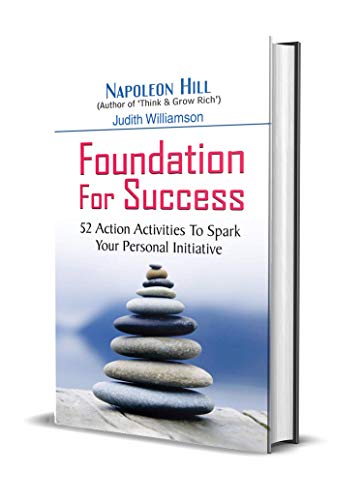
Foundations for Success
- Author Name:
Napoleon Hill +1
- Book Type:
- Description:
Foundations are essential for success in all walks of life. They provide the fundamental support that buildings, people, and organizations need in order to continue to grow. Without a firm footing at the beginning of any enterprise, few projects, people, or programs will succeed. Henry David Thoreau states: “If you have built castles in the air, your work need not be lost; that is where they should be. Now put the foundations under them.” Remember, it starts with a seed of thought, or in our case a coffee bean. We guarantee that when planted, nurtured and shared with good intention this seed will grow beyond your wildest imaginings. It all happens when you get the person – you – right. The rest of the process will fall into place almost upon command because a strong, permanent foundation has been laid. Success is within you, and the process required to achieve it is a simple one. It begins with your realization that you are here to provide for yourself now, care for yourself and your family in the future, and simultaneously make the world a better place in which to live now because you have contributed in an ongoing way to its beautification program through your intentional stewardship. May you believe and achieve all your heart’s desires.
Practical Steps To Think And Grow Rich
- Author Name:
Napoleon Hill
- Book Type:
- Description:
Desc awaiting from Publisher

Sochiye Aur Aamir Baniye
- Author Name:
Napoleon Hill
- Book Type:
- Description:
हज़ारों मील का सफ़र शुरू होता है आपके इसी दिमाग़ से। आप जो चाहें वो बन सकते हैं। लेकिन आप बनना क्या चाहते हैं? यहीं तो उलझाव है, आप एक साथ बहुत कुछ बनना चाहते हैं, जिसे देखते हैं वैसा ही बनना चाहते हैं, थोड़ी देर बाद उसे भी भूलकर कुछ और होना चाहते हैं। क्या यह बात ग़लत है? नहीं न! तो, यह किताब जो पहली चीज़ सिखाती है वह यह है कि किसी चीज़ कैसे चाहें। यह चाहने की तरकीबें सिखाती है। इन तरकीबों को अनगिनत सफ़ल लोगों के अनुभवों के वैज्ञानिक विश्लेषण से विकसित किया गया है। और इस सबको इतनी आसान भाषा में समझाया गया है कि कोई भी समझ सकता है। यह सामान्य किताब नहीं, अमीर बनने की कार्यशाला और हमेशा साथ रखने वाली हैंडबुक है।

Born to win
- Author Name:
Zig Ziglar +1
- Book Type:
- Description:
“If I could recommend only two books to help you become more, do more, and have more the first would be the Bible; the second is Born to Win. This masterpiece makes it clear why Zig Ziglar has been the world’s great motivator for five decades.” Dave Anderson, President, Learn To Lead, author How to Lead by THE BOOK. In eighty-five years of living and over fifty years of giving, Zig Ziglar, the icon of motivational and inspirational speaking, a man many call the Father of Motivation and Balanced Life Living, presents his last extensive and most comprehensive book ever! Born to Win – Find Your Success Code. Zig Ziglar’s ultimate book compresses over four and one-half decades of life changing tools and practices into an inspiring, concise, easy to use format for bottom line people who want to grow and improve the whole spectrum of their life “right now!” Readers will learn that when you have the hope that things can change, and a plan to make that change possible, then you can and will take action. Zig Ziglar’s whole person, balanced living approach to life has inspired millions to enjoy good health, a new depth of love and gratitude for family and friends, financial security and independence, and spiritual peace of mind. His instruction on how to live a life that leaves no room for regret or worry is the starting point for a joy filled, exciting, vibrant, life. It is true that when you have prepared yourself to be the right kind of person, you can do what you need to do to expect success. When you truly understand that you were Born to Win, you can change the world!

The Sun Also Rises (Pb)
- Author Name:
Ernest Hemingway
- Book Type:
- Description:
This book has no description

MAHARANAS: A Thousand Year War for Dharma
- Author Name:
Dr. Omendra Ratnu
- Book Type:
- Description:
The book that is going to become as sacred as scriptures in each Hindu home. The book that will destroy the lies woven around the glorious Hindu resistance for one thousand uninterrupted years to Islamic invaders of various hues. The book that will reveal the truth of the greatest Dynasty, not just the greatest Hindu Dynasty, not just the greatest Dynasty of Bharat, but the greatest Dynasty in the world: The Sisodiyas of Mewad. The Avataras who fought invaders non-stop for 1000 years, who endured all hardships, who refused to surrender even when their kingdom was encircled by enemies on all sides, who lived like nomads, but refused to give up. The Dynasty because of which Kesaria still flies on the sacred land of Bharat. The book questions the whitewash of the deeds and lives of the great Maharanas, especially the greatest of them; Maharana Pratap Singh. Written by a passionate practicing surgeon who brings the same incisiveness, exactness, and accuracy to the study of the history of this great Dynasty, as his profession. The book that will arouse in you the sleeping kshatriya, and will remind you that honour and pride do not define the man, they are the man.

28 SHARE MARKET MONEY MAKING SECRETS (PB)
- Author Name:
Sudha Shrimali
- Book Type:
- Description:
There are numerous books available in the market on the subject of share market, however, in this book, the author has attempted to elucidate the complicated aspects of financial domain in a clear and simple language. The modus operandi of share market, commodity market, mutual funds and idiomatic language used in the market have all been explained with illustrations. She presents her suggestions for selection of a good broker. Explanations on the factors impacting the market, references to historical crashes of the market, asset allocation and discussions on popular methods of investment for the benefit of readers are the special features of the book. This book would work as a great guide not only for beginner investors but also for students of degree courses, academic certifications and professional examinations.

An Odyssey Through The Dark
- Author Name:
Rehan Raza
- Book Type:
- Description:
A flourishing career, a passionate love affair and a lasting friendship come in the way of an unforgiving disaster. What ensues is a desperate attempt to hold onto the pieces that are falling apart. The pandemic not just ravaged the lives of millions of people but also bolstered the feelings of love, friendship and brotherhood in its wake. When the world was collapsing under COVID-19, a group of youngsters was busy salvaging humanity. While the Delhiites were adrift on the second wave, the heroic efforts of Rahul, a small-town boy, and Aditi, a gorgeous, affluent and qualified doctor with a benevolent heart, together with the support of the district administration’s office proved that not all heroes wear capes. But are these heroes ready to pay the price for providing succour to others? Will they be magnanimous enough to let go of their own dreams, aspirations and even their life as they devote their time and resources to provide relief to strangers? Will their love tide over the unforgiving disaster that has gripped the world?

Customer Reviews
04/12/2022
Shardha Jain
Book Review : This book takes the reader to another level of their mind and thoughts. It explains the importance of thoughts before action, as it proves helpful to attain your Definite Major Purpose. It is divided into three parts : a) Creative Vision b) Organised Thought c) Controlled Attention The conversation between Carnegie and Napoleon Hill meant to change the perspectives of readers towards their imagination and thoughts. Analysis of each chapter adds the beauty to the book. Inspirational quotes are addded in between chapters that are full of wisdom. Charts added are in detail & quite informative. The book tend to direct readers towards Creative Vision, Organised thought and Controlled attention. If you like to read self improvement books, this book has much for you.
How to Own Your Mind is the strategic blueprint Napoleon Hill wrote before Think and Grow Rich became a phenomenon—a disciplined inquiry into harnessing thought itself as the engine of success. While his later work promised prosperity, this earlier manuscript dissects the mechanics: how to stabilize a restless mind, how to think with precision before committing to action, and how wasted effort stems not from laziness but from unexamined thinking. Hill insists that mental ownership—clarity, focus, and intentionality—is the prerequisite for everything else.
Written for readers who recognize that ambition without method leads nowhere, this book strips success philosophy down to cognitive discipline. It asks not what you want, but whether you've mastered the instrument—your own mind—required to get it. For Indian readers navigating volatile careers and information overload, Hill's call to think before you act resonates as both timeless wisdom and urgent necessity.
What kind of reading experience does How to Own Your Mind offer?
How to Own Your Mind reads like a manual for self-regulation rather than a motivational speech. Hill's tone is instructional and systematic, asking you to slow down and examine how you currently think before rushing into goals. It demands active engagement—pausing to assess your mental habits, identifying where you act impulsively, and practicing clarity before commitment. The experience is sobering and clarifying, not euphoric. Readers leave with a toolkit for mental discipline rather than inspirational slogans, making it ideal for those who prefer structured introspection over emotional momentum.
Who should read How to Own Your Mind, and what does it expect of the reader?
- Professionals or entrepreneurs who have acted on countless ideas but see inconsistent results and want to understand why
- Readers already familiar with Think and Grow Rich who want to trace Hill's philosophical origins
- Anyone struggling with decision paralysis or impulsive action, seeking a framework to stabilize their thinking
- Self-improvement readers tired of vague positivity and looking for cognitive discipline
- People who recognize that their mind—not their circumstances—is the variable they need to control
Why is mental discipline especially relevant to Indian readers navigating modern work life?
Indian professionals today face relentless streams of information, high-pressure environments, and cultural expectations that often demand quick decisions without room for reflection. Hill's insistence that wasted effort comes from unexamined thinking speaks directly to a generation balancing ambition with burnout. In a culture where action is often prized over pause, this book reclaims thought as labor—strategic, intentional, and essential. Mental ownership is not a luxury but a survival skill for navigating volatile markets, family pressures, and competing life scripts.
What makes Napoleon Hill's approach to the philosophy of success distinctive in this work?
Unlike motivational writers who focus on desire or willpower, Hill treats the mind as an instrument requiring calibration before use. He separates thinking from wanting, insisting that most failures stem not from a lack of ambition but from acting on unstable, unconsidered thoughts. His focus on stabilization—achieving mental clarity and control before pursuing goals—sets this work apart from action-first success literature. Hill writes as a mechanic of consciousness, not a cheerleader, making his counsel practical and repeatable rather than inspirational and fleeting.
What does this book leave with the reader long after finishing it?
- A permanent question before every major decision: Have I thought this through, or am I reacting?
- Awareness that mental clarity is a skill to be practiced daily, not a trait some people are born with
- The understanding that success is less about doing more and more about doing the right things after disciplined thought
- A sense of accountability—you cannot blame circumstances if you haven't first owned your mind
- Confidence that thinking itself, when done rigorously, is productive work that determines all outcomes