Dictionary of Proverbs
About the book
"Proverbs are wise sayings. They are usually short, pithy statements of general truth. Proverbs are largely based on common sense or the practical experience of humanity. They are often metaphorical. The word ‘proverb’ is said to have originated from the Latin word proverbium meaning concrete statement. These statements usually express a truth of any kind ranging from spiritual, practical to philosophical. The book is packed with popular proverbs arranged under alphabetical headings intended to help the readers in finding the proverbs of their choice. The use of proverbs certainly adds to the beauty and impact of the expression. The readers are sure to benefit from this book."
Read more₹
400
320 20% off
Unavailable
Format
About the Book
"Proverbs are wise sayings. They are usually short, pithy statements of general truth. Proverbs are largely based on common sense or the practical experience of humanity. They are often metaphorical.
The word ‘proverb’ is said to have originated from the Latin word proverbium meaning concrete statement. These statements usually express a truth of any kind ranging from spiritual, practical to philosophical.
The book is packed with popular proverbs arranged under alphabetical headings intended to help the readers in finding the proverbs of their choice. The use of proverbs certainly adds to the beauty and impact of the expression. The readers are sure to benefit from this book."
Book details
- Format
- Hardbound
- Publisher
- Prabhat Prakashan
- Weight
- 400 grams
- ISBN-13
- 9789350481806
- Pages
- 480
- Reading time
- ~16 hrs
- Age
- 18+
- Country of origin
- India
- Dimensions
- 14 × 21.5 cm
- Language
- English
Dictionary of Phrasal Verbs
- Author Name:
Najmussehar
- Book Type:

- Description:
Awating description for this book

Merriam-Webster's Pocket Dictionary
- Author Name:
Merriam-Webster
- Book Type:
- Description:
The perfect dictionary for quick, on-the-go language reference. Features 40,000 entries with clear, concise definitions. Includes variant spellings, list of abbreviations, and pronunciations. With a compact trim size, this flexi paperback fits almost any pocket!

Merriam-Webster's Everyday Language Reference Set
- Author Name:
Merriam-Webster
- Book Type:
- Description:
An attractive, affordable reference set including: The new edition of The Merriam-Webster Dictionary The Merriam-Webster Thesaurus Merriam-Webster's Vocabulary Builder

Merriam-Webster's Pocket Thesaurus
- Author Name:
Merriam-Webster
- Book Type:
- Description:
This is a compact compendium of synonyms, related words, and antonyms that fits in the palm of your hand! It includes more than 85,000 words.

Merriam-Webster's MM Dictionary 2022
- Author Name:
Merriam-Webster
- Book Type:
- Description:
An alphabetical listing of English-language words, with over seventy-five thousand definitions, pronunciation guides, usage examples, and reference materials.

Merriam-Webster's MM Thesaurus 2023
- Author Name:
Merriam-Webster
- Book Type:
- Description:
Contains over 150,000 synonyms, antonyms, idiomatic equivalents, related words, and contrasted words in alphabetical arrangement.

Merriam-Webster's Collegiate Dictionary 11th Ed Indexed
- Author Name:
Merriam-Webster
- Book Type:
- Description:
"The new Eleventh Edition of America's best-selling dictionary merges print, CD-ROM, and Internet-based formats to deliver unprecedented accessibility and flexibility at one affordable price. Fully revised print content features more than 225,000 clear and precise definitions and more than 10,000 words and meanings. Includes easily installable CD-ROM and free one-year subscription to new Collegiate Web site. "

Dictionary of Economics (Financial Education Frequently Used Terms in Economics)
- Author Name:
A. Sulthan
- Book Type:
- Description:
Economics is a social Science concerned with the production, distribution, and consumption of Goods and Services. It studies how individuals, businesses, governments, and nations make choices on Allocating resources to satisfy their wants and needs, trying to determine how these groups should organise and Coordinate efforts to achieve maximum output. Our daily lives are surrounded by economics, even if we do not always realise it. This book aims to cover the main aspects of economics that need to be learnt. The book will also be useful for the general reader who comes across these terms on television, newspapers and magazines. The dictionary gives concise explanations of the Terms used in daily life. Profiles of some economists and abbreviations used in the economies and currencies around the world are also given.
 Dictionary of Economics (Financial Education Frequently Used Terms in Economics)
Merriam-Webster's Dictionry of Synonyms & Antonyms
- Author Name:
Merriam-Webster
- Book Type:
- Description:
A convenient guide to choosing words precisely. Clear explanations of the distinctions between synonyms. Example phrases included. Antonyms listed at most entries.

Merriam-Webster's Collegiate Thesaurus
- Author Name:
Merriam-Webster
- Book Type:
- Description:
Find the right word every time with this indispensable guide! This classic reference is a must-have for every reader and writer. This newly revised and updated edition has been updated to reflect today's vocabulary and features over 275,000 word choices, examples, and explanations. Concise definitions pinpoint meanings shared by synonyms, helping you choose exactly the word you need Sample sentences and phrases provide examples of how words are used in context Includes synonyms, related words, idiomatic phrases, near antonyms, and antonyms Alphabetical order helps you find the right word fast This book is a perfect companion to the best-selling Merriam-Webster's Collegiate(R) Dictionary, Eleventh Edition.

Merriam-Webster's Dictionary and Thesaurus HC 2020
- Author Name:
Merriam-Webster
- Book Type:
- Description:
Revised and Updated Edition! Two essential language references integrated into one handy volume. More than 60,000 dictionary entries with hundreds of new words and senses added across a variety of fields. More than 13,500 thesaurus entries including extensive synonym and antonym lists. Dictionary and thesaurus entries are combined alphabetically. Features clear and concise word guidance including abundant usage examples to clarify meanings. Newly added words include: airplane mode, bucket list, dystopia, parkour, and truther. Based on the best-selling Merriam-Webster’s Collegiate® Dictionary.

Share Market Dictionary
- Author Name:
A. Sulthan
- Book Type:
- Description:
Share Market Dictionary has been produced to aid beginning traders in the challenging task of becoming familiar with the new Vocabulary and terminology used in Stock Exchanges. The book could be a valuable reference tool for use while attending seminars, watching or listening to financial programmes, and reading material on the financial market. The book contains a 600-glossary and over 100 commonly used abbreviations and acronyms in finance and the stock market.

Why I Killed Gandhi?
- Author Name:
Nathuram Godse
- Book Type:
- Description:
Awating description for this book

Persian Hindi Dictionary : Vols. 2
- Author Name:
Chandrashekhar
- Book Type:
- Description:
फ़ारसी भाषा, हिन्दी की ही तरह, भारतीय आर्य भाषा उपकुल का एक भाग है। ईरान एवं भारत, दोनों कृषि–प्रधान देश रहे हैं। दोनों की संस्कृतियों में अनेक समानताएँ आज भी विद्यमान हैं। मुग़ल–पूर्व, मुग़ल और मुग़लोत्तर शासन के दौरान हिन्दुस्तान में फ़ारसी भाषा का प्रसार एवं प्रचार अपनी चरम सीमा पर था। कबीरदास, सूरदास, मलिक मुहम्मद जायसी जैसे हिन्दी के कालजयी महान कवियों ने फ़ारसी भाषा के अनेक शब्दों को अपनी भावाभिव्यक्ति का साधन बनाया और उनका रचनात्मक प्रयोग किया। इस प्रकार कहा जा सकता है कि फ़ारसी ने हिन्दी साहित्य की रचनाधर्मिता पर भी अपनी अमिट छाप छोड़ी है। फ़ारसी के अनेक शब्द ऐसे भी हैं, जिनका चलन आज ईरान में लगभग समाप्त हो चला है, लेकिन हिन्दी में वे अब भी जीवित हैं और साहित्य में ही नहीं, आम बोलचाल की भाषा में प्रयोग किए जा रहे हैं। फ़ारसी के अनेक मुहावरे अनूदित होकर हिन्दी की निधि बन चुके हैं। प्रस्तुत ‘फ़ारसी–हिन्दी शब्दकोश’ हज़ारों वर्षों में फैले भारत–ईरान के सांस्कृतिक सम्बन्धों को रेखांकित करनेवाला प्रथम शब्दकोश है। विभिन्न विषयों एवं अलग–अलग परिप्रेक्ष्यों से सम्बन्धित लगभग 25,000 शब्द–प्रविष्टियों से सम्पन्न यह शब्दकोश, जिसमें पुरातन और नवीन दोनों प्रकार की अर्थ–परम्पराओं का समावेश है, प्राचीन और अर्वाचीन शब्दों का सुन्दर मिश्रण है। आशा है, यह शब्दकोश विभिन्न प्रकार के अध्ययनकर्ताओं तथा सामान्य पाठकों के लिए समान रूप से उपयोगी सिद्ध होगा।
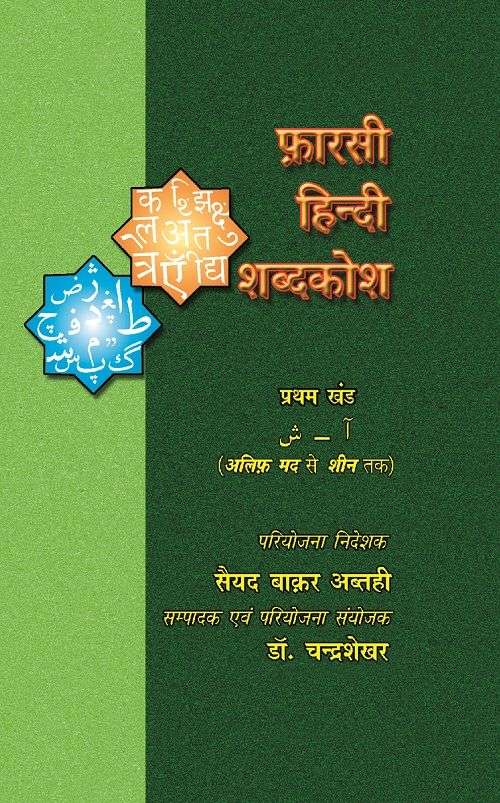
Persian Hindi Dictionary : Vols. 1
- Author Name:
Chandrashekhar
- Book Type:
- Description:
फ़ारसी भाषा, हिन्दी की ही तरह, भारतीय आर्य भाषा उपकुल का एक भाग है। ईरान एवं भारत, दोनों कृषि–प्रधान देश रहे हैं। दोनों की संस्कृतियों में अनेक समानताएँ आज भी विद्यमान हैं। मुग़ल–पूर्व, मुग़ल और मुग़लोत्तर शासन के दौरान हिन्दुस्तान में फ़ारसी भाषा का प्रसार एवं प्रचार अपनी चरम सीमा पर था। कबीरदास, सूरदास, मलिक मुहम्मद जायसी जैसे हिन्दी के कालजयी महान कवियों ने फ़ारसी भाषा के अनेक शब्दों को अपनी भावाभिव्यक्ति का साधन बनाया और उनका रचनात्मक प्रयोग किया। इस प्रकार कहा जा सकता है कि फ़ारसी ने हिन्दी साहित्य की रचनाधर्मिता पर भी अपनी अमिट छाप छोड़ी है। फ़ारसी के अनेक शब्द ऐसे भी हैं, जिनका चलन आज ईरान में लगभग समाप्त हो चला है, लेकिन हिन्दी में वे अब भी जीवित हैं और साहित्य में ही नहीं, आम बोलचाल की भाषा में प्रयोग किए जा रहे हैं। फ़ारसी के अनेक मुहावरे अनूदित होकर हिन्दी की निधि बन चुके हैं। प्रस्तुत ‘फ़ारसी–हिन्दी शब्दकोश’ हज़ारों वर्षों में फैले भारत–ईरान के सांस्कृतिक सम्बन्धों को रेखांकित करनेवाला प्रथम शब्दकोश है। विभिन्न विषयों एवं अलग–अलग परिप्रेक्ष्यों से सम्बन्धित लगभग 25,000 शब्द–प्रविष्टियों से सम्पन्न यह शब्दकोश, जिसमें पुरातन और नवीन दोनों प्रकार की अर्थ–परम्पराओं का समावेश है, प्राचीन और अर्वाचीन शब्दों का सुन्दर मिश्रण है। आशा है, यह शब्दकोश विभिन्न प्रकार के अध्ययनकर्ताओं तथा सामान्य पाठकों के लिए समान रूप से उपयोगी सिद्ध होगा।

Prabhat Vidyarthi English-Hindi Dictionary
- Author Name:
Badri Nath Kapoor
- Book Type:
- Description:
विद्यार्थियों के लिए कोश बनाना अधिक कठिन कार्य है । पहले तो प्रविष्टियों के रूप में उन्हीं शब्दों को ग्रहण किया जाना चाहिए जो उनकी पाठ्य-पुस्तकों में प्रयुक्त हों और दूसरे, उनके वही या उतने ही अर्थ लिये जाने चाहिए जिनका उनसे प्रयोजन हो । तीसरे, अर्थ-विवेचन में ऐसे सरल शब्दों का प्रयोग हो जिनका ज्ञान सामान्यत: विद्यार्थियों को रहता है । प्रस्तुत कोश का निर्माण करते समय इन बातों का ध्यान रखा गया है । भाषिक- सामर्थ्य सफल जीवन-निर्वाह का मूल्य उपकरण है । इस उपकरण की प्राप्ति शब्दों के उपयुक्त अर्थों और प्रयोगों की सिद्धि से ही संभव है । विश्वास है, प्रस्तुत कोश विद्यार्थियों के लिए बहूपयोगी होने के साथ ही उनके शब्द--ज्ञान में वृद्धि करते हुए उसे समृद्ध करने में सहायक सिद्ध होगा ।

Hindustani Shastriya Sangeet Ka Shabd Kosh
- Author Name:
Pandit Amarnath
- Book Type:
- Description:
पंडित अमरनाथ को ‘संगीतकारों का संगीतकार’ कहा जाता है। इस कोश में उन्होंने हिन्दुस्तानी शास्त्रीय संगीत की तकनीकी शब्दावली को जन साधारण के हितार्थ बहुत आसान शब्दों में प्रस्तुत किया है। ‘आवर्त’ और ‘खरज भरना’ जैसे जटिल पदों से लेकर ‘मूर्छना’ और ‘श्रुति’ जैसी सांगीतिक शब्दावली को व्याख्यायित करते हुए यहाँ वे हिन्दुस्तानी शास्त्रीय संगीत की उन परम्पराओं, उसके दार्शनिक और कला-पक्षों को सहृदय श्रोताओं-पाठकों के लिए बोधगम्य कर रहे हैं जिनका ज्ञान अभी तक उस्तादों और पारखी जनों तक ही सीमित था। संगीत क्षेत्र के महान गुरुओं की प्रसिद्ध उक्तियों और प्रचलित कहावतों-मुहावरों की पृष्ठभूमि और अर्थ-विश्लेषण इस शब्दकोश को और भी पठनीय तथा रुचिकर बनाता है। पंडित अमरनाथ इनकी व्युत्पत्ति व संगीत के अभ्यास व प्रस्तुति में उनके निहितार्थों को दिलचस्प ढंग से स्पष्ट करते हैं। पुस्तक की विशेष उपलिब्ध रेखा भारद्वाज की प्रस्तावना और पंडितजी की सुपुत्री बिन्दु चावला द्वारा लिखित उनका जीवन- परिचय है। संगीतप्रेमी पाठकों, छात्रों, भाषाविदों और इतिहास अध्येताओं के लिए यह पुस्तक समान रूप से उपयोगी है।

Vishva Kala Gyan Kosh
- Author Name:
Roop Narayan Batham
- Book Type:
- Description:
‘विश्व कला ज्ञान कोश’ भारत की किसी भी भाषा में कला और कलाकार विषयक पहला सन्दर्भ ज्ञान कोश है, जिसमें विद्यार्थियों, अध्यापकों तथा सामान्य कला प्रेमियों के लिए विश्व की कला और कलाकारों से जुड़ी हजारों सामान्य ज्ञान की जानकारियाँ एक ही स्थान पर जुटाई गई हैं। कला और कलाकारों की समग्रता की संक्षिप्त, सरल और रोचक ढंग से जानकारी देना इस कोश का मुख्य उद्देश्य है। कला के तकनीकी शब्दों की पारिभाषिक जानकारी, देशी तथा विदेशी कलाकारों के नाम तथा उच्चारण, जीवन-काल, योगदान, प्रेरक संस्मरण, कालानुक्रमिक विश्व कला का विकास, विश्व के कलातीर्थ, शैक्षणिक व शोध-संस्थान, कला के क्षेत्र में छात्रवृत्ति देने वाले विश्वविद्यालय तथा फाउण्डेशन आदि से सम्बन्धित जानकारियाँ भी इसमें संग्रहित हैं। छात्रों और प्राध्यापकों के लिए मार्गदर्शक और संग्रहणीय कोश।

Tehzeebi Shabdkosh
- Author Name:
Naima Jafri Pasha
- Book Type:
- Description:
इंसानी ज़िन्दगी लगातार विकसित होती रही है जो समय का बुनियादी सच है, इस विकास के जुलूस में ज़बान की बहुत सी शक्लें और आवाज़ें मिटती और नई शक्लें और आवाज़ें उभरती रहती हैं जिन्हें वापस नहीं लाया जा सकता। लेकिन फिर भी हम समय के बहाव में चली जाने वाली अपनी सांस्कृतिक और भाषाई विरासत को सहेजने और समेटने का काम तो कर ही सकते हैं। ये किताब भी इसी उर्दू विरासत को महफ़ूज़ रखने की एक कोशिश है। इस शब्दकोश में आज से कोई सौ-डेढ़ सौ साल पहले तक उर्दू कल्चर का प्रतिनिधित्व करने वाली शब्दावली को संकलित किया गया है। इस शब्दावली में, उस ज़माने में आम और ख़ास लोगों की ज़िन्दगी, ज़िन्दगी गुज़ारने के तरीक़ों, विभिन्न सामाजिक, सांस्कृतिक, आर्थिक और व्यावसायिक गतिविधियों से सम्बन्धित शब्द और मुहावरे शामिल किए गए हैं।

Adhunik Vividh Kala Shabdsagar
- Author Name:
Roop Narayan Batham
- Book Type:
- Description:
‘आधुनिक विविध कला शब्दसागर’ तेईस आधुनिक सर्जनात्मक और व्यावसायिक कलाओं के सामान्य प्रचलित और महत्त्वपूर्ण शब्दों का संग्रह है। इसमें चित्रकला, मूर्तिकला, संगीत, नृत्य, नाटक, काव्य, फैशन, पाककला, गृहसज्जा, फोटोग्राफी, विज्ञान, फिल्म, टेलीविजन, संग्रहालय विज्ञान, पुरातत्त्व, अभिलेख, डिजाइन, शिल्प, सौन्दर्यशास्त्र, कला-समीक्षा, छापाकला आदि कलाओं से सम्बन्धित शब्द शामिल हैं। कोश के आरम्भिक पृष्ठों में सभी कला विषयों के शब्दों को अंग्रेजी के वर्णक्रमानुसार प्रस्तुत किया गया है, जिसमें उसका वर्गीकरण, उच्चारण, हिन्दी पर्याय तथा साधारण शब्दों में उसकी सामान्य व्याख्या प्रस्तुत की गई है। अनेक कम प्रचलित किन्तु महत्त्वपूर्ण शब्दों के साथ कई अन्य तत्सम्बन्धित शब्दों के भी अंग्रेजी समानार्थी शब्द दिये गए हैं ताकि पाठक सहजता से कोश में प्रयुक्त शब्दों के भाव समझ सकें। शब्दों के शुद्ध उच्चारण के सम्बन्ध में सदैव मतभेद रहा है, मुख्यतः विदेशी भाषाओं के सन्दर्भ में। इस समस्या के निदान के लिए इसमें विदेशी शब्दों के शुद्ध उच्चारण में एक व्यावहारिक समझौता किया गया है, जैसे— Colour के वास्तविक उच्चारण ‘कलअॅ’ के स्थान पर ‘कलर’ ही रखा है, इस प्रकार ‘अ’, (R) ‘र’ की ध्वनि से समझौता किया गया है। उसी तरह Art के शुद्ध उच्चारण में ‘आट’ के स्थान पर ‘आर्ट’ स्वीकारा है। नाटक के एक शब्द ‘Daddy’ के लिए ‘पितातुल्य’ प्रतिष्ठित ‘नाट्यकर्मी’ के साथ उर्दू के शब्द ‘उम्रदराज फनकार’ को भी लिया गया है। अंग्रेजी शब्दों के हिन्दी सुबोध पर्यायों के लिए विभिन्न भारतीय भाषाओं के बोलचाल से जुड़े अनेक शब्दों को स्वीकार किया गया है। जैसे—‘Dedicated Artist’ के लिए ‘जुझारू कलाकार’, ‘व्रती कलाकार’ आदि। शब्दों के अधिकाधिक पर्याय देने के प्रयास में उनके भावार्थ से जुड़े भाव को प्राथमिकता दी गई है। जैसे Design शब्द के 18 तो Aesthetics के 9 पर्याय दिये गए हैं। यह कोश कभी-कभार कला के किसी शब्द की जानकारी मात्र देने वाला कोश नहीं है, कला के विद्यार्थियों, कला प्रेमियों और जिज्ञासुओं के लिए महत्त्वपूर्ण पाठ है। भारत में बहुउपयोगी कलाओं के समग्र कोश की रचना का यह सम्भवतः पहला प्रयास है, अतः इसमें अनेक त्रुटियों और कमियाँ रह गई होंगी। मुझे आशा है कि सुधी-पाठक इसे और समृद्ध करने के लिए अपने बहुमूल्य सुझावों से हमें अवगत करायेंगे।

Customer reviews
Be the first to write a review
Read this one? Tell other readers what you thought about the story, the translation and the print.
This Dictionary of Proverbs is a reference work that treats proverbs not as decorative fragments but as vessels of condensed human experience. Arranged alphabetically, it gathers wise sayings—proverbium in Latin, meaning concrete statements—that span spiritual counsel, practical guidance, and philosophical observation. Each entry distills a truth born from common sense or the accumulated practice of generations, often delivered in metaphor to sharpen meaning and aid memory.
Unlike anthologies that group proverbs by theme or region, this dictionary organizes by headword, enabling readers to locate a saying swiftly or to trace how a single concept—time, truth, fortune—has been expressed across cultures. The format serves students drafting essays, speakers seeking rhetorical precision, and anyone curious about the architecture of folk wisdom. The book assumes that proverbs are not relics but active tools for thinking, and that their brevity rewards close attention rather than casual browsing.
What kind of reading experience will this Dictionary of Proverbs give me?
This book offers a referential, exploratory experience rather than a cover-to-cover narrative. Each proverb is a standalone unit—pithy, metaphorical, distilled—inviting you to pause and consider layers of meaning. The alphabetical structure rewards browsing and targeted lookup in equal measure. You will encounter truths that feel timeless yet rooted in practical observation, and comparing sayings under a single headword reveals how cultures encode similar insights differently. It is a book that rewards slow engagement and invites cross-referencing, not passive consumption.
Who is this book, Dictionary of Proverbs, best suited for, and what does it expect of its reader?
- Students and educators seeking authoritative proverbs for essays, debates, or classroom discussion
- Writers and speakers wanting concise, metaphorical language to sharpen rhetoric
- Readers curious about the origins and range of folk wisdom across spiritual, practical, and philosophical domains
- Language learners exploring English idiomatic expressions and their cultural roots
It expects the reader to engage with brevity thoughtfully, to appreciate that a short statement can carry philosophical weight, and to use the alphabetical index actively.
What is the cultural significance of proverbs to Indian readers today?
In India, proverbs bridge oral tradition and written culture—grandparents still teach through sayings, and regional languages maintain rich proverbial vocabularies. This English-language dictionary connects Indian readers to a global tradition of condensed wisdom while offering equivalents and reference points for sayings they know in Hindi, Bengali, or Tamil. In a time when social media favours brevity, proverbs model how to convey depth in few words. They remain vital in negotiation, persuasion, and moral education, making this reference culturally continuous rather than archaic.
What makes this dictionary's treatment of proverbs distinctive?
Unlike thematic anthologies, this book organizes proverbs alphabetically by headword, prioritizing retrieval over storytelling. It treats proverbs as concrete statements—proverbium—not decoration, recognizing their origin in lived experience rather than literary invention. The range is unusually broad: spiritual axioms sit beside practical warnings and philosophical reflections, reflecting the true scope of proverbial thought. This editorial choice makes the book a working tool for research and composition, not merely a collection to admire. It assumes proverbs are functional knowledge, still capable of shaping argument and understanding.
What does this book, Dictionary of Proverbs, leave the reader with long after they finish it?
- A sharpened awareness of how much wisdom is encoded in everyday speech
- An appreciation for metaphor as a teaching device across cultures and centuries
- The ability to locate and deploy proverbs precisely in writing or conversation
- A recognition that brevity and depth are not opposites—that a few words can carry generations of observation
- A renewed curiosity about the sources of common sense and the ways communities distill truth into portable form

