Gajapati Kulapati
About the book
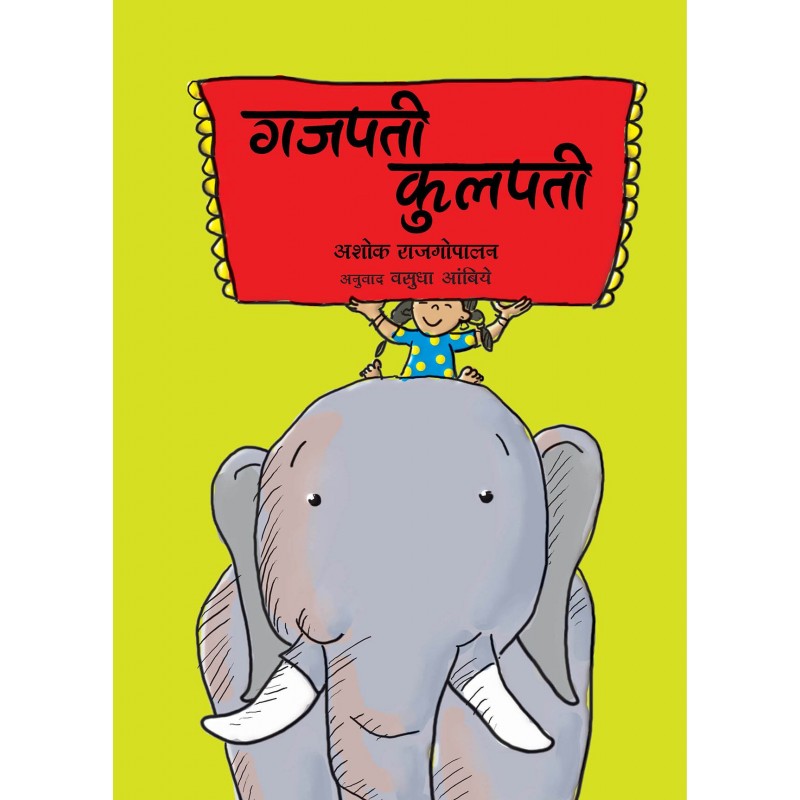
Small noses catch small colds. Big noses catch big colds. Gajapati Kulapati the elephant has a big nose and catches a great, big, mighty cold! And what happens when he sneezes – Aaaaachoooo….? With repetitive sounds and words that roll rhythmically through the pages, this bestselling series about the adorable elephant puts the zing back into storytelling and reading aloud. Bright, zestful pictures and dynamic visual text echo the lilt, making these big, happy books of fun.
Read more₹
185
₹ 153.55 17% off
Available
Format
About the Book
Small noses catch small colds. Big noses catch big colds. Gajapati Kulapati the elephant has a big nose and catches a great, big, mighty cold! And what happens when he sneezes – Aaaaachoooo….? With repetitive sounds and words that roll rhythmically through the pages, this bestselling series about the adorable elephant puts the zing back into storytelling and reading aloud. Bright, zestful pictures and dynamic visual text echo the lilt, making these big, happy books of fun.
Book details
- Format
- Paperback
- Publisher
- Tulika Publishers
- Weight
- 130 grams
- ISBN-13
- 9788181468352
- Pages
- 20
- Reading time
- ~1 hrs
- Age
- 0-11
- Country of origin
- India
- Dimensions
- 22 × 24.1 cm
- Language
- English
Gajapati Kulapati-Dhoomdamadam Dhapaak Dhoom!
- Author Name:
Ashok Rajagopalan
- Book Type:

- Description:
After his big-big sneeze, Gajapati Kulapati is back with a SPLASH! Like the very popular first book, sounds, rhythm, and repetition make this too a perfect read aloud for little ones.

Gajapati Kulapati-Chhabaak
- Author Name:
Ashok Rajagopalan
- Book Type:
- Description:
After his big-big sneeze, Gajapati Kulapati is back with a SPLASH! Like the very popular first book, sounds, rhythm, and repetition make this too a perfect read aloud for little ones.

Gajapati Kulapati-Dhaas Poos Bhooos!
- Author Name:
Ashok Rajagopalan
- Book Type:
- Description:
After his big-big sneeze, Gajapati Kulapati is back with a SPLASH! Like the very popular first book, sounds, rhythm, and repetition make this too a perfect read aloud for little ones.

Gajapati Kulapati
- Author Name:
Ashok Rajagopalan
- Book Type:
- Description:
Small noses catch small colds. Big noses catch big colds. Gajapati Kulapati the elephant has a big nose and catches a great, big, mighty cold! And what happens when he sneezes – Aaaaachoooo….? With repetitive sounds and words that roll rhythmically through the pages, this bestselling series about the adorable elephant puts the zing back into storytelling and reading aloud. Bright, zestful pictures and dynamic visual text echo the lilt, making these big, happy books of fun.

Gajapati Kulapati-Jhoopjhapoosh
- Author Name:
Ashok Rajagopalan
- Book Type:
- Description:
After his big-big sneeze, Gajapati Kulapati is back with a SPLASH! Like the very popular first book, sounds, rhythm, and repetition make this too a perfect read aloud for little ones.

Gajapati Kulapati-Dhobukkadeer!
- Author Name:
Ashok Rajagopalan
- Book Type:
- Description:
After his big-big sneeze, Gajapati Kulapati is back with a SPLASH! Like the very popular first book, sounds, rhythm, and repetition make this too a perfect read aloud for little ones.

Gajapati Kulapati
- Author Name:
Ashok Rajagopalan
- Book Type:
- Description:
Small noses catch small colds. Big noses catch big colds. Gajapati Kulapati the elephant has a big nose and catches a great, big, mighty cold! And what happens when he sneezes – Aaaaachoooo….? With repetitive sounds and words that roll rhythmically through the pages, this bestselling series about the adorable elephant puts the zing back into storytelling and reading aloud. Bright, zestful pictures and dynamic visual text echo the lilt, making these big, happy books of fun.

Gajapati Kulapati Kalabalooosh!
- Author Name:
Ashok Rajagopalan
- Book Type:
- Description:
KALABALOOOOOOOOOOOOOOSH! It is a hot day and Gajapati plunges into the cool water. Then he looks around. Where is everybody else? With repetitive sounds and words that roll rhythmically through the pages, this bestselling series about the adorable elephant puts the zing back into storytelling and reading aloud. Bright, zestful pictures and dynamic visual text echo the lilt, making these big, happy books of fun.

Gajapati Kulapati
- Author Name:
Ashok Rajagopalan
- Book Type:
- Description:
Small noses catch small colds. Big noses catch big colds. Gajapati Kulapati the elephant has a big nose and catches a great, big, mighty cold! And what happens when he sneezes – Aaaaachoooo….? With repetitive sounds and words that roll rhythmically through the pages, this bestselling series about the adorable elephant puts the zing back into storytelling and reading aloud. Bright, zestful pictures and dynamic visual text echo the lilt, making these big, happy books of fun.
Ha.. Ha.. Hasya!
- Author Name:
Ashok Rajagopalan
- Book Type:
- Description:
The devas are at the gates of the asura kingdom, raring to wage war. But the asuras turn up unarmed and jolly! Is their king, Hasyasura, up to something? Does he have a secret weapon? Indra, king of the gods, is suspicious. Narada sends Hasya sura, the teen deva, as spy from the sky to uncover the plans of his almost-namesake down under. There, in the hurly-burly of Patala politics he meets more than his match in Princess Shantaswaroopa who has ideas of her own to resolve the eternal enmity between suras and asuras! A laugh out loud story that makes a pitch for sporting wars.

Read Aloud Stories
- Author Name:
Ashok Rajagopalan
- Book Type:
- Description:
Amidst jhamak-tamak sunsets and groves of Malgova mangoes, whirling winds and growling thunderheads, maxi taxis and leafy forests, meet a remarkable cast of two- and four-legged characters in 15 entertaining stories meant to be read aloud. Written in prose and verse by a list of well-known writers, all are rich with sound, rhythm and repetition, slipping comfortably into local language where natural. Ashok Rajagopalan's illustrations add fun and energy in his inimitable style.

Gudugu Thadugu
- Author Name:
Ashok Rajagopalan
- Book Type:
- Description:
Muni the mason has to break a shed and make a new clinic. He goes up the hill asking various people to help him. But sometimes help takes on an unexpected form! A hilarious story about friendship and teamwork.

Girls To The Rescue
- Author Name:
Sowmya Rajendran +1
- Book Type:
- Description:
Move over, petrified princesses in towers. Stand back, sword bucklers. These audacious girls are their own saviours! What do you think happens when Snow White, Cinderella and gang meet an author who wonders: "Now what would any red-blooded girl with brains do in such a situation?" Six leading ladies decide not to stick to the script, and take us instead through some riveting retellings that sizzle with humour as they toss around notions of beauty, perfection and strength. Armed with real-world skills, they rewrite their happily-ever-afters. Rescue themselves. And save the fairytale!

5 Fantastic Facts about the Indian Constitution
- Author Name:
Ashok Rajagopalan
- Book Type:
- Description:
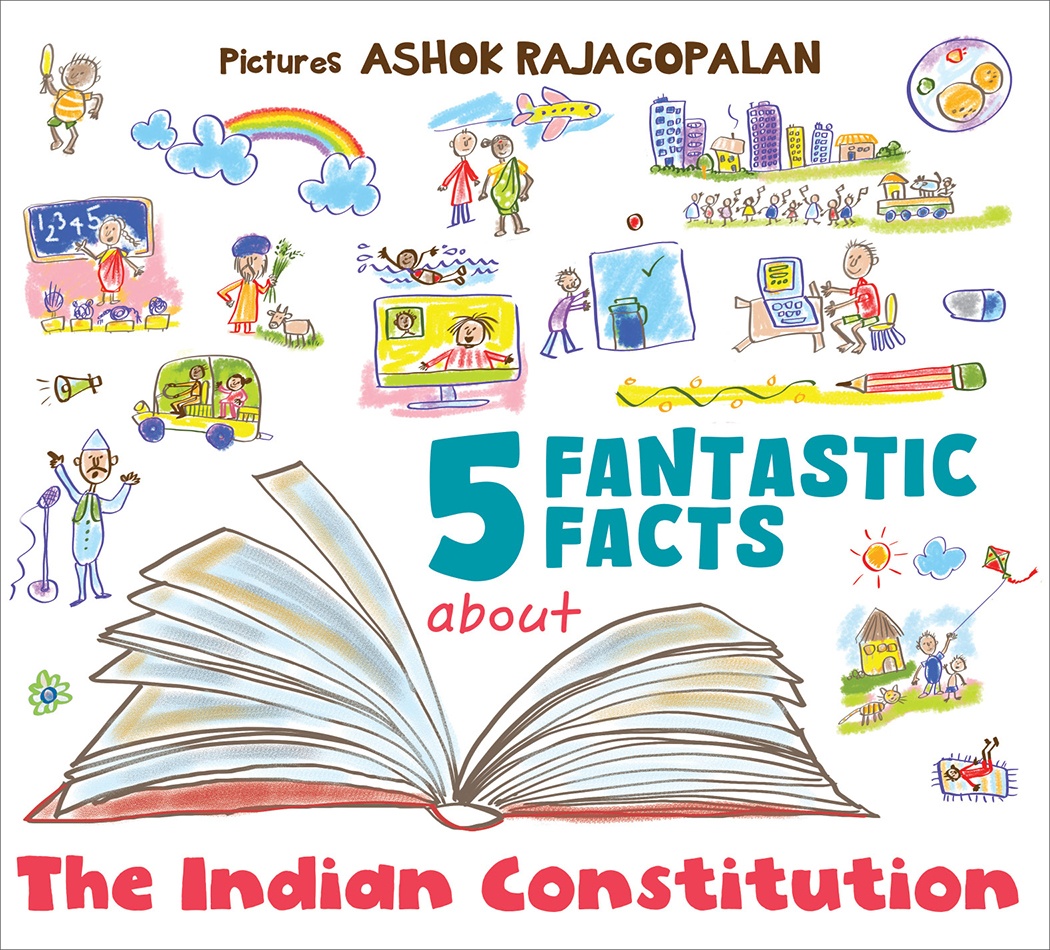
India’s remarkable Constitution introduced to children through five fantastic facts and animated pictures, to celebrate 75 years since adopting it to become a Republic. These facts are based on 5 Cool Things You Did Not Know About the Indian Constitution, a video by actor Swara Bhaskar. Ashok Rajagopalan, creator of the beloved Gajapati Kulapati series, captures our democracy’s lively spirit with warm, humorous visuals. As young readers explore their quirky details, they absorb a sense of India’s diversity. At the end, 'The Constitution and Me' section features activities for children to engage with some of the ideas in the book.
Tumi Ki Paro?
- Author Name:
Ashok Rajagopalan
- Book Type:
- Description:
তুমি কি তোমার পায়ের আঙুল দিয়ে স্বাদ নিতে পারো? নাকি কান দিয়ে দেখতে পাও? অথবা, অন্তত, তোমার চুল দিয়ে গন্ধ নিতে পারো? না? আচ্ছা, তোমার চারপাশে এমন কিছু প্রাণী আছে যারা পারে! প্রাণীরা কীভাবে 'স্বাভাবিক' কাজ করে তা আবিষ্কার করার জন্য এক অদ্ভুত জগতে উঁকি দাও। আর ছবিগুলোর মজার অংশগুলো দেখো।

Ninagidu Saadhyave?
- Author Name:
Ashok Rajagopalan
- Book Type:
- Description:
ನಿಮ್ಮ ಕಾಲ್ಬೆರಳುಗಳಿಂದ ರುಚಿ ನೋಡಬಲ್ಲಿರಾ? ಅಥವಾ ನಿಮ್ಮ ಕಿವಿಗಳಿಂದ ನೋಡಬಲ್ಲಿರಾ? ಅಥವಾ, ಕನಿಷ್ಠ, ನಿಮ್ಮ ಕೂದಲಿನಿಂದ ವಾಸನೆ ಮಾಡಬಲ್ಲಿರಾ? ಅಲ್ಲವೇ? ಸರಿ, ನಿಮ್ಮ ಸುತ್ತಲೂ ಇರುವ ಜೀವಿಗಳಿವೆ! ಪ್ರಾಣಿಗಳು 'ಸಾಮಾನ್ಯ'ವಾದ ಕೆಲಸಗಳನ್ನು ಮಾಡುವ ವಿಭಿನ್ನ ವಿಧಾನಗಳನ್ನು ಕಂಡುಹಿಡಿಯಲು ಒಂದು ಕುತೂಹಲಕಾರಿ ಜಗತ್ತಿನಲ್ಲಿ ಇಣುಕಿ ನೋಡಿ. ಮತ್ತು ಚಿತ್ರಗಳಲ್ಲಿನ ತಮಾಷೆಯ ತುಣುಕುಗಳನ್ನು ನೋಡಿ.

Tumhi Hey Karu Shakaal Ka?
- Author Name:
Ashok Rajagopalan
- Book Type:

Go Go Flamingo
- Author Name:
Priya Kuriyan +1
- Book Type:
- Description:
A flock of flamingos flies south in search of food and drink. What they find in the water causes a hullabaloo… They get draped and decked in unspooled tape, rubber tyres, shoes, plastic bags, syringe-needles, even rear-view mirrors! Unaware of their doom, they break into a dance in a confused trance. Priya Kuriyan brings the irony alive through stunning visuals. Real objects imaginatively placed together with her drawings create a lifelike three-dimensional effect. Along with Devashish Makhija’s brilliant verse soaked in satire, they paint a telling picture – of the violence unthinking humans inflict on the natural world through hazardous waste.

The Why-Why Girl
- Author Name:
Mahashweta Devi
- Book Type:
- Description:
Moyna lives in a little tribal village. She cannot go to school because she has to tend goats, collect firewood, fetch water… But she is so full of questions that the postmaster calls her the ‘why-why girl'! In this inspiring and delightful story, her first picture book, acclaimed Jnanpith award-winning writer Mahasweta Devi tells us how she meets Moyna (and her mongoose) and helps her find answers to all the why-whys – in books, that Moyna herself learns to read. Some of the translations have been done by well-known writers: Malayalam by Paul Zacharia, Tamil by Ambai, and Kannada by Girish Karnad. CBSE recommended

Frequently asked questions
Delivery, payment and returns for this book.
<p>Gajapati Kulapati offers a <strong>participatory, performative reading experience</strong> built on rhythm and sound rather than complex narrative. The book invites readers—especially young children—to chant, echo, and exaggerate the words as they turn each page. The repetitive structure and onomatopoeic phrases create a playful, almost musical flow that rewards reading aloud. It leaves behind a sense of <strong>joyful noise</strong> and the memory of an elephant whose sneeze becomes an adventure in itself, making it ideal for storytime sessions where energy and laughter are welcome.</p>
<ul><li><strong>Toddlers and preschoolers</strong> (ages 2–5) who are beginning to engage with picture books and delight in sound patterns.</li><li><strong>Parents and caregivers</strong> looking for read-aloud books that encourage vocal participation and dramatic expression.</li><li><strong>Early readers</strong> who benefit from repetitive text and visual cues to build confidence and language rhythm.</li><li>Readers who appreciate <strong>Indian children's literature</strong> that celebrates humor, community, and the tactile pleasure of words that bounce and roll.</li></ul>
<p>Gajapati Kulapati represents a shift in Indian children's publishing toward <strong>indigenous storytelling rhythms</strong> that honor the oral traditions of Indian languages—where sound, repetition, and performance are central to how stories are shared. In a market historically dominated by imported picture book formats, this book asserts that <strong>Indian children deserve stories</strong> built on their own linguistic musicality. Its success across multiple Indian language editions demonstrates hunger for locally rooted early literacy materials that celebrate playfulness and collective reading experiences rather than didactic lessons.</p>
<p>Rajagopalan treats the elephant's cold not as a problem requiring resolution but as a <strong>sensory event worth celebrating</strong>. Rather than impose a moral or lesson, he lets the sneeze itself become the story's centerpiece, building anticipation through visual and verbal rhythm. His dual role as writer and illustrator allows the book's <strong>comic illustrations and dynamic typography</strong> to work as a unified performance, where scale, color, and sound-words amplify each other. This approach respects young readers as collaborators who complete the story through their own vocal energy and imaginative play.</p>
<p>Gajapati Kulapati leaves readers with the memory of <strong>shared laughter</strong> and the visceral pleasure of words that feel good to say out loud. Emotionally, it affirms that stories for young children can be exuberant and anarchic without needing tidy conclusions. Intellectually, it models how <strong>rhythm and repetition build early literacy skills</strong> while honoring children's natural love of noise and exaggeration. Culturally, it stands as evidence that Indian picture books can carve their own path—grounded in local linguistic textures and illustrated with bold, comic sensibility—and become beloved classics on their own terms.</p>
Customer reviews
Review this book
Share your thoughts with other readers.
Customer reviews
No written reviews yet. Be the first to share what you thought.
Gajapati Kulapati announces what happens when an elephant with a big nose catches a great, big, mighty cold—and the answer arrives in a sneeze that echoes across the page. Ashok Rajagopalan builds the story not through a linear plot but through rhythmic repetition and onomatopoeia that young readers instinctively chant back: Aaaaachoooo becomes an event, not just a sound. The book's visual text—bright, zestful, and dynamic—mirrors the lilt of the words, turning each two-page spread into an invitation to perform rather than simply read.
First published in 2010, this picture book launched a beloved series that has been translated into multiple Indian languages and became a runaway hit for its refusal to treat early readers as passive audiences. Rajagopalan, who both wrote and illustrated the book, uses comic sensibility and bold colour to let Gajapati Kulapati's predicament unfold with humour and warmth, making the elephant's enormous sneeze feel less like a mishap and more like a shared celebration of sound, scale, and silliness.
What kind of reading experience will Gajapati Kulapati give me?
Gajapati Kulapati offers a participatory, performative reading experience built on rhythm and sound rather than complex narrative. The book invites readers—especially young children—to chant, echo, and exaggerate the words as they turn each page. The repetitive structure and onomatopoeic phrases create a playful, almost musical flow that rewards reading aloud. It leaves behind a sense of joyful noise and the memory of an elephant whose sneeze becomes an adventure in itself, making it ideal for storytime sessions where energy and laughter are welcome.
Who is Gajapati Kulapati best suited for, and what does it expect of its reader?
- Toddlers and preschoolers (ages 2–5) who are beginning to engage with picture books and delight in sound patterns.
- Parents and caregivers looking for read-aloud books that encourage vocal participation and dramatic expression.
- Early readers who benefit from repetitive text and visual cues to build confidence and a sense of language rhythm.
- Readers who appreciate Indian children's literature that celebrates humour, community, and the tactile pleasure of words that bounce and roll.
What is the cultural significance of Gajapati Kulapati's approach to early childhood reading in India today?
Gajapati Kulapati represents a shift in Indian children's publishing toward indigenous storytelling rhythms that honour the oral traditions of Indian languages—where sound, repetition, and performance are central to how stories are shared. In a market historically dominated by imported picture book formats, this book asserts that Indian children deserve stories built on their own linguistic musicality. Its success across multiple Indian-language editions demonstrates a hunger for locally rooted early literacy materials that celebrate playfulness and collective reading experiences rather than didactic lessons.
What makes Ashok Rajagopalan's treatment of this subject distinctive in Gajapati Kulapati?
Rajagopalan treats the elephant's cold not as a problem to be solved but as a sensory event worth celebrating. Rather than impose a moral or lesson, he lets the sneeze itself become the story's centrepiece, building anticipation through visual and verbal rhythm. His dual role as writer and illustrator allows the book's comic illustrations and dynamic typography to function as a unified performance, in which scale, colour, and sound-words amplify one another. This approach respects young readers as collaborators who complete the story through their own vocal energy and imaginative play.
What does Gajapati Kulapati leave the reader with—emotionally, intellectually, or culturally—long after they finish it?
Gajapati Kulapati leaves readers with the memory of shared laughter and the visceral pleasure of words that feel good to say out loud. Emotionally, it affirms that stories for young children can be exuberant and anarchic without needing tidy conclusions. Intellectually, it models how rhythm and repetition build early literacy skills while honouring children's natural love of noise and exaggeration. Culturally, it stands as evidence that Indian picture books can carve their own path—grounded in local linguistic textures and illustrated with bold, comic sensibility—and become beloved classics on their own terms.