Asha the Auto-Driver
About the book
Asha’s first trip in her colourful auto every morning is to the flower market, where she buys a big bag of jasmine buds. Follow her through the week and through the city, as she picks up and drops off passengers at the railway station, the beach, the cricket stadium… stringing and selling jasmine all the way. Vibrant pictures liven up the route and offer snapshots of a city – Chennai!
Read more₹
195
₹ 161.85 17% off
Available
Format
About the Book
Asha’s first trip in her colourful auto every morning is to the flower market, where she buys a big bag of jasmine buds. Follow her through the week and through the city, as she picks up and drops off passengers at the railway station, the beach, the cricket stadium… stringing and selling jasmine all the way. Vibrant pictures liven up the route and offer snapshots of a city – Chennai!
Book details
- Format
- Paperback
- Publisher
- Tulika Publishers
- Weight
- 120 grams
- ISBN-13
- 9788196867959
- Pages
- 24
- Reading time
- ~1 hrs
- Age
- 0-11
- Country of origin
- India
- Dimensions
- 21 × 24 cm
- Language
- English
Asha the Auto-Driver
- Author Name:
Aruna Shekar
- Book Type:

- Description:
Asha’s first trip in her colourful auto every morning is to the flower market, where she buys a big bag of jasmine buds. Follow her through the week and through the city, as she picks up and drops off passengers at the railway station, the beach, the cricket stadium… stringing and selling jasmine all the way. Vibrant pictures liven up the route and offer snapshots of a city – Chennai!

Asha the Auto-Driver
- Author Name:
Aruna Shekar
- Book Type:
- Description:
Asha’s first trip in her colourful auto every morning is to the flower market, where she buys a big bag of jasmine buds. Follow her through the week and through the city, as she picks up and drops off passengers at the railway station, the beach, the cricket stadium… stringing and selling jasmine all the way. Vibrant pictures liven up the route and offer snapshots of a city – Chennai!

Auto Driver Asha
- Author Name:
Aruna Shekar
- Book Type:
- Description:
Asha’s first trip in her colourful auto every morning is to the flower market, where she buys a big bag of jasmine buds. Follow her through the week and through the city, as she picks up and drops off passengers at the railway station, the beach, the cricket stadium… stringing and selling jasmine all the way. Vibrant pictures liven up the route and offer snapshots of a city – Chennai!

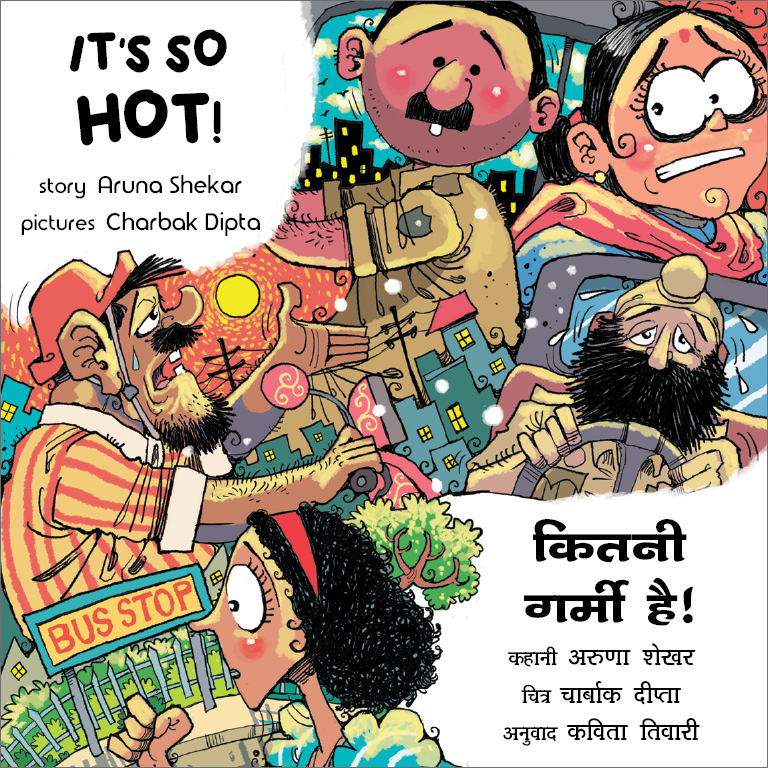
Kitni Garmi Hai!
- Author Name:
Aruna Shekar +1
- Book Type:
- Description:
It’s a hot, hot day. Shouting people, thirsty puppies, honking cars – everyone is rushing to get away from the heat, except for one big cow… How will they all cool off? Crisp text and furiously frantic illustrations capture the chaos and cacophony of a scorching summer day.
Crow vs Vada (English)
- Author Name:
Aruna Shekar
- Book Type:
- Description:
The tea stall opens. Hot masala vadas pile up on the table… and the game begins. Crow just wants one! But the tea-seller is watching her, and there are more competitors in the mix. Crisp text follows the action move by move, and Crow’s cheeky retorts pep up the fun of the animated pictures. Who wins?

Vee Loved Garlic
- Author Name:
Richa Jha
- Book Type:

- Description:
When Miss Vee Noonie falls in love with garlic, there is pandemonium in the house. She is a vampire, after all. Her parents do their best to urge her to stay away from it. Garlic, they tell her, is fatal for vampires. Freethinker Vee's research tells her that's not true and she leaves no stone unturned in convincing her folks. Does she succeed? Richa Jha celebrates a young thinking mind's spirit of inquisitiveness, questioning the given, persuasiveness and non-conformist free will in this pacey picture book that is packed with sharp dialogues, intense passion, and chic humour. The breathtaking sweep of Kunal Kundu's detailed etching and dramatic artwork lingers on till long after the book has been put aside.

Kempi The Cow
- Author Name:
Anupama K Benachinamardi
- Book Type:
- Description:
Every day, Kempi the cow wanders through the bustling city streets. But today—uh-oh—did she get stuck in a traffic jam, or was she the reason behind it? What unfolds next is a heartwarming and humorous tale that could easily take place in any Indian city. With its delightful blend of laughter and emotion, this story captures the chaos and charm of urban or semi urban life. Featuring stunning illustrations of typical Indian cityscapes, it’s a story that resonates with children of all ages!

Adventure of Konchige
- Author Name:
Anupama K Benachinamardi
- Book Type:
- Description:
Konchige is a captivating tale of a small hat that accidentally flew away in the wind one day. As it embarked on its adventurous journey, it encountered various daring experiences. This story unfolds the enchanting journey of the hat and reveals its fate.

The Manic Panic
- Author Name:
Richa Jha
- Book Type:
- Description:
Mom and Dad completely lose the plot the day the Wifi stops working in the house. In a role reversal of sorts, it's up to little Shivi to get her bored and tantrum-throwing parents to see that there is a perfectly wonderful life to be enjoyed beyond their screen craze. Mithila Ananth's zany, whimsical digital illustrations with a minimal neat colour palette and a touch of quiet humour throw into sharp focus Richa Jha's funny story done as a second person narrative. Together, they draw the reader right into the centre of this book's relatable universe.

SEVEN STAIRS TO SUN
- Author Name:
Anup Ray +1
- Book Type:
- Description:
A beautiful book for children about nature, clouds and the sun.

HOLIDAY OH NO NO
- Author Name:
Jaswinder Kaur Bindra
- Book Type:
- Description:
This book presents a situation in which the Sun decides to go on holiday, and the world is left in a mess.

Detective Pranav
- Author Name:
Anupama K Benachinamardi
- Book Type:
- Description:
Detective Pranav is a story about a young boy filled with imagination who often finds himself in trouble. Join him as he navigates through his investigation to prove his innocence and get to the bottom of mischief he is not guilty of!

Ants and the Stranger
- Author Name:
Anupama K Benachinamardi
- Book Type:
- Description:
When Kitty, Chitty, Titty, Thitty, and Pitty set off on a quest for food, an unexpected stranger suddenly appears before them. Who is he? Why is he here? Is he a friend—or a foe? This charming and thought-provoking story draws readers closer to the wonders of nature and sparks curiosity about the world around us. With its gentle message and engaging narrative, it’s a perfect addition to any school classroom or library collection.

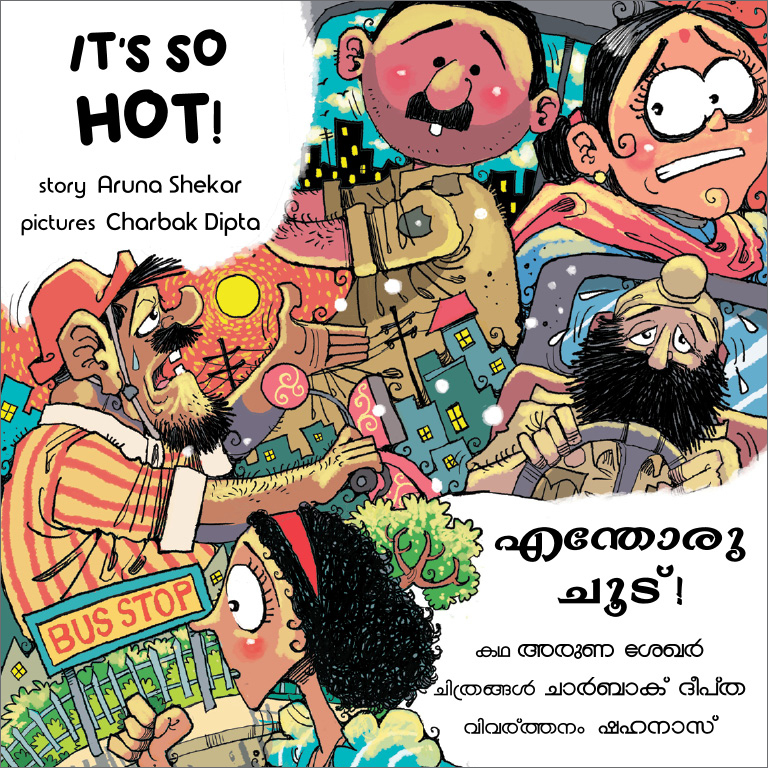
Endhoru Choodu!
- Author Name:
Aruna Shekar +1
- Book Type:
- Description:
It’s a hot, hot day. Shouting people, thirsty puppies, honking cars – everyone is rushing to get away from the heat, except for one big cow… How will they all cool off? Crisp text, and furiously frantic illustrations, capture the chaos and cacophony of a scorching summer day.
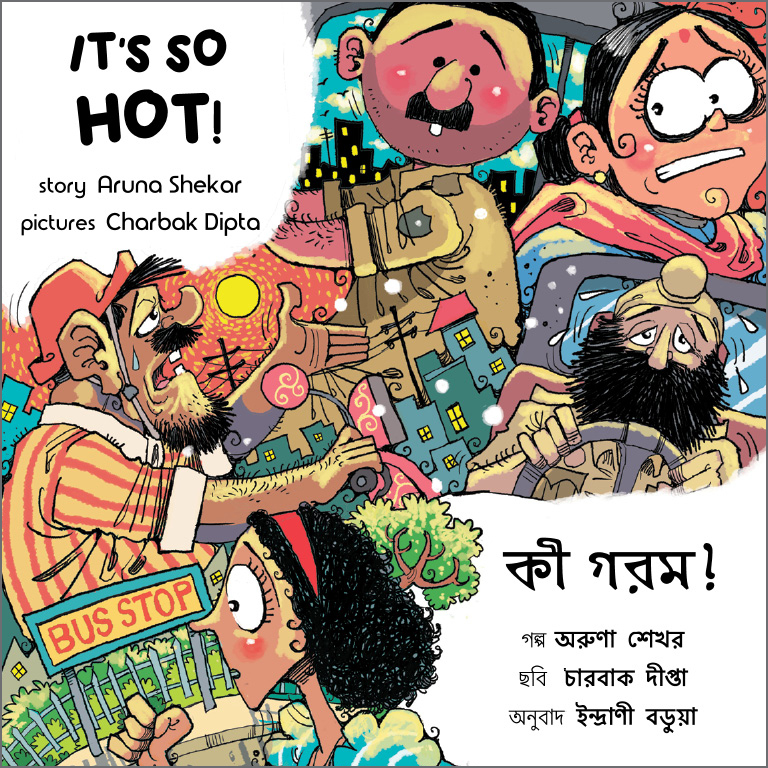
Ki Gorom!
- Author Name:
Aruna Shekar +1
- Book Type:
- Description:
It’s a hot, hot day. Shouting people, thirsty puppies, honking cars – everyone is rushing to get away from the heat, except for one big cow… How will they all cool off? Crisp text, and furiously frantic illustrations, capture the chaos and cacophony of a scorching summer day.
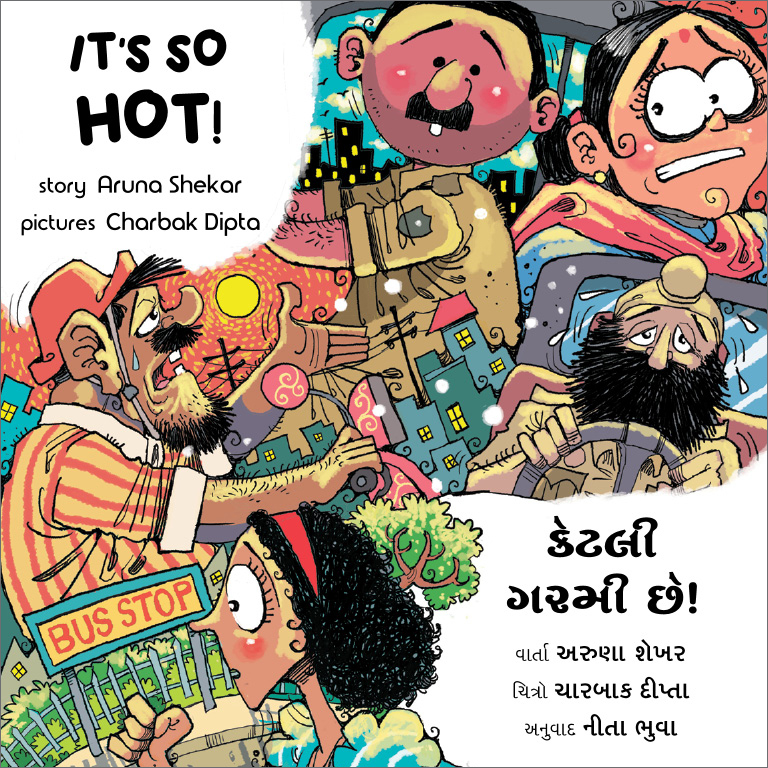
Ketli Garami Chhe!
- Author Name:
Aruna Shekar +1
- Book Type:
- Description:
It’s a hot, hot day. Shouting people, thirsty puppies, honking cars – everyone is rushing to get away from the heat, except for one big cow… How will they all cool off? Crisp text, and furiously frantic illustrations, capture the chaos and cacophony of a scorching summer day.
Eshtu Sekhe!
- Author Name:
Aruna Shekar +1
- Book Type:
- Description:
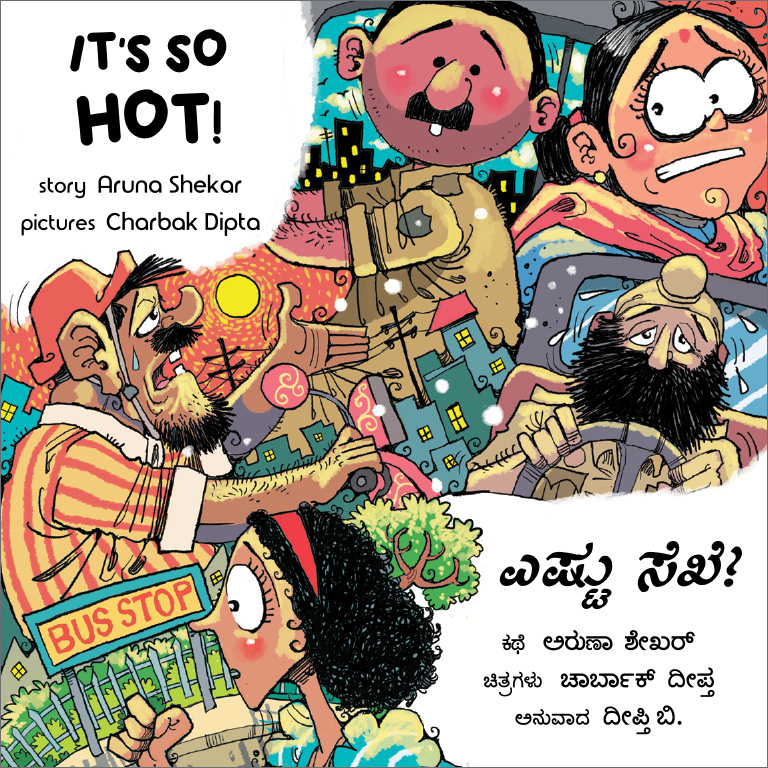
It’s a hot, hot day. Shouting people, thirsty puppies, honking cars – everyone is rushing to get away from the heat, except for one big cow… How will they all cool off? Crisp text, and furiously frantic illustrations, capture the chaos and cacophony of a scorching summer day.
Perseverance with Janaki Ammal
- Author Name:
Pervin Saket +1
- Book Type:
- Description:
Discover the meaning of perseverance with Janaki Ammal, the first Indian woman botanist. This engaging board book is the perfect way to introduce little readers to big values. What's inside the book Simple text written in verse with vibrant art A historical timeline that puts the story into context Accompanied by downloadable activity sheets that extend learning Age range: 2 years to 8 years

Crow vs Vada/Kaageyoo Vadeyoo (Kannada)
- Author Name:
Aruna Shekar
- Book Type:
- Description:
The tea stall opens. Hot masala vadas pile up on the table… and the game begins. Crow just wants one! But the tea-seller is watching her, and there are more competitors in the mix. Crisp text follows the action move by move, and Crow’s cheeky retorts pep up the fun of the animated pictures. Who wins?

Crow vs Vada/Kauvi Aur Vada (Hindi)
- Author Name:
Aruna Shekar
- Book Type:
- Description:
The tea stall opens. Hot masala vadas pile up on the table… and the game begins. Crow just wants one! But the tea-seller is watching her, and there are more competitors in the mix. Crisp text follows the action move by move, and Crow’s cheeky retorts pep up the fun of the animated pictures. Who wins?

Frequently asked questions
Delivery, payment and returns for this book.
<p>Asha the Auto-Driver offers a warm, rhythmic reading experience built around the routines of a working week. The book moves at the steady pace of Asha's daily route—predictable yet full of small discoveries—as each day brings a new destination and a new group of passengers. Young readers will feel the satisfaction of repetition (that morning trip to the flower market, the ongoing work of stringing jasmine) layered with the pleasure of exploring a city. It leaves behind a sense of purpose and pride, showing work as something visible, valuable, and woven into the fabric of everyday life.</p>
<ul><li>Children aged 3 to 7 who are beginning to notice the adults around them and what they do for a living.</li><li>Young readers curious about transport, city life, and the geography of their own or other Indian cities.</li><li>Families looking for picture books that celebrate women in non-traditional roles and the dignity of informal-sector work.</li><li>Readers who enjoy books structured around the days of the week or daily routines, offering both predictability and gentle variety.</li></ul>
<p>Auto-rickshaws are a defining feature of Indian urban mobility, yet women drivers remain a visible minority navigating both traffic and social expectations. By centering a woman auto-driver, the book affirms a reality still unfolding in cities like Chennai, Bengaluru, and Delhi, where women are claiming space in public transport. The jasmine-stringing detail connects Asha to a centuries-old South Indian tradition—flowers as both adornment and livelihood—making her work feel rooted in cultural continuity even as her role challenges convention. For today's young readers, Asha models economic independence and plural identities.</p>
<p>Aruna Shekar chooses to show Asha's week without drama or obstacle—there is no crisis to resolve, no passenger who needs rescuing. Instead, the book's structure mirrors the dignity of consistent work: each day has its own rhythm, its own landmark, its own small transaction. By pairing the driving route with the parallel craft of jasmine-stringing, Shekar gives Asha two forms of skilled labour, both visible and valued. The illustrations amplify this choice, turning Chennai's streetscape into a character of its own and making the ordinary week feel abundant rather than mundane.</p>
<p>Asha the Auto-Driver plants a quiet conviction that work itself can be beautiful, that a week structured around purpose and route holds its own poetry. Young readers carry away a mental map of Chennai—not as a tourist itinerary but as a working landscape—and an image of a woman who drives her own vehicle, earns her own income, and navigates the city with confidence. Emotionally, the book leaves a sense of calm competence and the understanding that everyday labour, when seen closely, is both intricate and honourable. It gently expands what a child imagines possible for women and for cities.</p>
Customer reviews
Review this book
Share your thoughts with other readers.
Customer reviews
No written reviews yet. Be the first to share what you thought.
Asha the Auto-Driver takes young readers on a week-long journey through Chennai from the seat of a woman auto-rickshaw driver's colourful three-wheeler. Each morning begins at the flower market, where Asha buys jasmine buds to string and sell throughout her day—a detail that roots the story in a real livelihood pattern common to South Indian cities. The book maps a child's understanding of urban space through familiar landmarks: the railway station, the beach, the cricket stadium. What makes this picture book singular is its dual portrait of labour—Asha both drives and strings flowers, two income streams woven into one route—and its vibrant illustrations that turn a working week into a celebration of Chennai's streetscape and the dignity of a woman earning her own way.
What kind of reading experience will Asha the Auto-Driver give me?
Asha the Auto-Driver offers a warm, rhythmic reading experience built around the routines of a working week. The book moves at the steady pace of Asha's daily route—predictable yet full of small discoveries—as each day brings a new destination and a new group of passengers. Young readers will feel the satisfaction of repetition (that morning trip to the flower market, the ongoing work of stringing jasmine) layered with the pleasure of exploring a city. It leaves behind a sense of purpose and pride, showing work as something visible, valuable, and woven into the fabric of everyday life.
Who is Asha the Auto-Driver best suited for, and what does it expect of its reader?
- Children aged 3 to 7 who are beginning to notice the adults around them and what they do for a living.
- Young readers curious about transport, city life, and the geography of their own or other Indian cities.
- Families looking for picture books that celebrate women in non-traditional roles and the dignity of informal-sector work.
- Readers who enjoy books structured around the days of the week or daily routines, offering both predictability and gentle variety.
What is the cultural significance of Asha the Auto-Driver for Indian readers today?
Auto-rickshaws are a defining feature of Indian urban mobility, yet women drivers remain a visible minority navigating both traffic and social expectations. By centring a woman auto-driver, the book affirms a reality still unfolding in cities like Chennai, Bengaluru, and Delhi, where women are claiming space in public transport. The jasmine-stringing detail connects Asha to a centuries-old South Indian tradition—flowers as both adornment and livelihood—making her work feel rooted in cultural continuity even as her role challenges convention. For today's young readers, Asha models economic independence and plural identities.
What makes Aruna Shekar's treatment of this subject distinctive in Asha the Auto-Driver?
Aruna Shekar chooses to show Asha's week without drama or obstacles—there is no crisis to resolve, no passenger who needs rescuing. Instead, the book's structure mirrors the dignity of consistent work: each day has its own rhythm, its own landmark, its own small transaction. By pairing the driving route with the parallel craft of jasmine-stringing, Shekar gives Asha two forms of skilled labour, both visible and valued. The illustrations amplify this choice, turning Chennai's streetscape into a character of its own and making the ordinary week feel abundant rather than mundane.
What does Asha the Auto-Driver leave the reader with—emotionally, intellectually, or culturally—long after they finish it?
Asha the Auto-Driver plants a quiet conviction that work itself can be beautiful, that a week structured around purpose and route holds its own poetry. Young readers carry away a mental map of Chennai—not as a tourist itinerary but as a working landscape—and an image of a woman who drives her own vehicle, earns her own income, and navigates the city with confidence. Emotionally, the book leaves a sense of calm competence and the understanding that everyday labour, when seen closely, is both intricate and honourable. It gently expands what a child imagines is possible for women and for cities.