Short Stories from Pakistan
About the book
The short stories - originally written in Urdu, Punjabi, Sindhi, Pushto, and Saraiki, and now translated into English - showcased in this anthology engage with the above questions in their own ways, articulating a multiplicity of voices and experiences. They chronicle the birth of the nation of Pakistan in traumatic circumstances and its chequered history over the past fifty years by depicting the "desire and aspirations, fear and horror, pride, shame, helplessness and a thousand other unnamed feelings" of their protagonists. In doing so, they also depict the immensely varied and rich tapestry of cultural life in Pakistan.
Read more₹
350
₹ 290.5 17% off
Available
Format
About the Book
The short stories - originally written in Urdu, Punjabi, Sindhi, Pushto, and Saraiki, and now translated into English - showcased in this anthology engage with the above questions in their own ways, articulating a multiplicity of voices and experiences. They chronicle the birth of the nation of Pakistan in traumatic circumstances and its chequered history over the past fifty years by depicting the "desire and aspirations, fear and horror, pride, shame, helplessness and a thousand other unnamed feelings" of their protagonists. In doing so, they also depict the immensely varied and rich tapestry of cultural life in Pakistan.
Book details
- Format
- Paperback
- Publisher
- Sahitya Akademi
- Weight
- 463 grams
- ISBN-13
- 9788126015986
- Pages
- 334
- Reading time
- ~11 hrs
- Age
- 18+
- Country of origin
- India
- Dimensions
- 19 × 22 cm
- Language
- English
Kachhue
- Author Name:
Intizar Hussain +1
- Book Type:

- Description:
‘कछुए’—यह इंतिज़ार साहब का बहुचर्चित कहानी-संग्रह है जिसमें ‘कछुए’ के अलावा दो और ऐसी कहानियाँ (पत्ते वापस) शामिल हैं जो भाषा, शिल्प और कथ्य, गरज़ कि हर पहलू से उस कहानी से अलग हैं जिसे हम प्रेमचन्द के ज़माने से आज तक पढ़ते आए हैं। वह कहानी अपने यथार्थवाद के लिए जानी गई और, समय-समय पर प्रयोग के तौर पर होनेवाले थोड़े-बहुत फेरबदल के साथ, उसका ज़ोर यथार्थ के यथासम्भव प्रामाणिक चित्रण पर ही रहा। इस संग्रह की ये चार, और इससे बाहर की इसी ढंग की कई अन्य कहानियाँ यथार्थ के दृश्य वैभव से बाहर की कहानियाँ हैं, वे समय और स्थान की निर्धारित सीमाओं को लाँघकर हमें एक ज़्यादा व्यापक अनुभव तक ले जाती हैं। इंतिज़ार हुसैन ख़ुद (अगर इनको किसी ख़ाने में रखना ही हो तो) इन कहानियों को ‘जातक कहानी’ नाम देते हैं। ‘मैं जातक कहानी लिखता हूँ। ये नई है या पुरानी, पता नहीं। इतना पता है कि सन् ’36 की हक़ीक़तनिगारी वाली कहानी से इसका कोई नाता नहीं हो सकता कि जातक कहानी हक़ीक़त के उस महदूद तसव्वुर की नफ़ी है जिस पर हक़ीक़तनिगारी की इमारत खड़ी है और उस इनसान दोस्ती की जो उस अफ़साने का ताज समझी जाती है। जातक कहानियाँ पढ़ने के बाद सन् ’36 की इनसान दोस्ती मुझे फ़िरक़ापरस्ती नज़र आती है। जातकों में आदमी कोई अलग फ़िरक़ा नहीं है। सब जीव-जन्तु एक बिरादरी हैं।’ (इसी संग्रह में शामिल ‘नए अफ़सानानिगार के नाम’ से) इनके अलावा बाक़ी की ज़्यादातर कहानियों (‘किश्ती’, ‘दीवार’, ‘रात’, ‘ख़्वाब’ और ‘तक़दीर’) में भी यह जातक-तत्त्व भरपूर ढंग से ज़ाहिर है, हालाँकि इनकी पृष्ठभूमि दूसरी है। शेष कहानियों (‘क़दामत पसंद लड़की’, 31 मार्च, ‘नींद’, ‘असीर’, ‘शोर’ आदि) में भी यथार्थवादी और आधुनिक आग्रहों के अन्तर्विरोधों को रेखांकित करते हुए उनके हास्यास्पद बौनेपन को उकेरा गया है। ‘बेसबब’, ‘सुबह के ख़ुशनसीब’, ‘फ़रामोश’ और ‘बादल’ कुछ खेलती हुई-सी कहानियाँ हैं जो अपने विषय के साथ, बिना कोई जटिल मुद्रा बनाए, एक बेहद सहज और मानवीय विस्मय के साथ पेश आती हैं। निःसन्देह, इंतिज़ार हुसैन की जानी-पहचानी चुटीली-चटकीली कहन तो हर कहानी का हिस्सा है ही।

Naya Ghar
- Author Name:
Intizar Hussain +1
- Book Type:
- Description:
नया घर एक परिवार की दास्तान है जिसका सफ़र अतीत में इस्फ़हान के घर से शुरू होता है और हिजरत करता हुआ क़ज़वीन, हिन्दुस्तान और अंत में पाकिस्तान पहुँचकर भी ज़ारी रहता है। इंतिज़ार हुसैन सीधी-सादी ज़बान में आपबीती सुनाते हैं। इनसानी मुक़द्दर, इनसानी जीवन और ब्रह्मांड से सम्बन्धित मूल प्रश्नों पर सोच-विचार के वक्श्त भी इस सहज स्वभाव को क़ाइम रखते हैं। विभाजन के नतीजे में प्रकट होनेवाली सांस्कृतिक, भावात्मक, मानसिक समस्याएँ; एक सर्वव्यापी और साझा इतिहास और उस इतिहास के बनाए हुए सामाजिक संघटन का बिखराव; देशत्याग, साम्प्रदायिक दंगे, सत्ता की राजनीति का तमाशा, पाकिस्तान में तानाशाही, राजनीतिक दमन और मूलतत्ववाद के परिणामस्वरूप सामाजिक स्तर पर प्रकट होनेवाली घुटन और सामूहिक मूर्खताओं का एहसास; फिर विरोध और अभिव्यक्ति-स्वातंत्रय की वह लहर जो वैयक्तिक सत्ता के विरुद्ध सामूहिक नफ़रतों को अभिव्यक्त करती है - नया घर में इन सारी घटनाओं का रचनात्मक चित्रण मिलता है। पिछले चालीस बरसों (‘नया घर’ 1987 ई. में प्रकाशित हुआ था) में होनेवाली हर वह राजनीतिक घटना जिससे सामूहिक दृष्टि प्रभावित हुई है, इंतिज़ार हुसैन की रचनात्मक प्रक्रिया और प्रतिक्रिया में उसकी गूँज सुनाई देती है। इंतिज़ार हुसैन ने एक बहुत बड़े कैनवस की कहानी को यहाँ ‘मिनिएचर’ रूप में प्रस्तुत किया है। कहानी का हर पात्र और हर घटना चित्रण में इस तरह गुँथा हुआ है कि सारे घटक एक दूसरे की संगति में ही अपने अर्थ तक पहुँचते हैं। अतीत की धुंध को चीरती हुई कहानी वर्तमान का भाग इस तरह बनती है कि दोनों कहानियाँ अपने अलग-अलग स्तरों पर भी जीवित रहती हैं। ‘नया घर’ एक सिलसिला भी है और विभिन्न मूल्यों, रवैयों, परम्पराओं और दो ज़मानों के बीच एक संग्राम भी।

Basti
- Author Name:
Intizar Hussain +2
- Book Type:
- Description:
यह उपन्यास भारत और पाकिस्तान के सम्मिलित उर्दू कथा साहित्य में अपनी अनूठी कथा-शैली और इंसानी सरोकारों के संवेदनशील आकलन के कारण अपूर्व स्थिति रखता है। हिन्दू-मुस्लिम सांस्कृतिक मिथकों, क़िस्सों, जातक कथाओं, लोककथाओं को यथार्थपरक घटनाओं के साथ इस जादू से पिरोया गया है कि कथ्य की सम्प्रेषणीयता देश-काल को लाँघ गई है। इस उपन्यास में भारत के विभाजन के बाद सीमा-पार के एक संवेदनशील व्यक्ति की मनःस्थिति, अपनी जड़ों से फिर से जुड़ने की अकुलाहट, अपनी सांस्कृतिक पहचान की छटपटाहट से उत्पन्न नॉस्टेल्जिया, 1971 के भारत-पाक युद्ध के दौरान पाकिस्तान की फ़िज़ा में आम आदमी की प्रतिक्रियाएँ, बौद्धिकों की नपुंसकता, जकड़ती हुई राजनीतिक व्यवस्था की काली छाया का चित्रण बड़ी ही सहज और रोचक भाषा में किया गया है। उपन्यासकार अपने इस उपन्यास में इस भोलेपन से इंसानी नियति से जुड़े अनेक मूलभूत प्रश्न उठाता है कि निरंकुश राजनीति की काइयाँ नज़र पहचाने भी और न भी पहचाने। सांस्कृतिक पहचान की अन्तर्यात्रा का यह उपन्यास भारतीय पाठकों को बेहद रुचेगा।

CHASO SELECTED SHORT STORIES
- Author Name:
K.Chandrahas +1
- Book Type:
- Description:
Chaso, short for Chaganti Somayajulu, was born in 1915 in Srikakulam and spent most of his life in Vizianagaram. He began his literary journey as a poet in English and later in Telugu. He was also an essayist and wrote one play. However, his true passion was the short story, which he considered a lyrical poem. His first short story, 'Chinnaaji,' published in 1942, was critically acclaimed, and by 1945 he was recognised as a leading figure and master of the genre. He set high standards for himself and, throughout a life dedicated to literature, published only about 50 stories. He was the first Telugu writer to incorporate Marxist ideas into short stories, though his stories are notably free of rhetoric. His narratives often portray the raw lives of the poor and the very poor, characterised by brevity, reticence, and compression. He was a founding member of the Progressive Writers Association. An atheist, Chaso willed his body for medical research, which his family honoured after his death in 1994.

The Best Stories of Mohapatra Nilamani Sahoo
- Author Name:
Guruprasad Mohapatra +1
- Book Type:
- Description:
The Best Stories of Mohapatra Nilamani Sahoo: This book is a translation of Mohapatra Nilamani Sahoo's short stories, written in his inimitable style. The stories, originally written in Odia, were truly representative of Odia culture and traditions; the narrative is unique and deeply emotional and carries the readers with the flow. This volume is a specimen of Mohapatra Nilamani Sahoo's short stories for the wider readership

Beyond The Backyard
- Author Name:
P.Sathyavathi +2
- Book Type:
- Description:
Women’s voices no longer solely portray confinement to kitchens and backyards or victimhood. Instead, they emphasise unseen restrictions faced by individuals and significant barriers within global contexts. This collection of twenty-nine short stories covers diverse themes, complex narratives, unique characters, inventive metaphors, and alternative viewpoints. All stories aim for a just and equitable world. Key topics include Dalit, minority, and tribal issues, farmers’ struggles, new forms of exploitation in high-tech sectors under Globalisation, and existential questions, which are central to these women's writings. Over a dozen passionate translators helped bring these stories to English-speaking readers. The shift of women from victims to survivors to saviours would be even more impactful if men and women worked together to build a casteless, classless, environmentally mindful society- an aspiration our writers share.

Something Unspoken Too
- Author Name:
Prem Parkash +1
- Book Type:
- Description:
Something Unspoken Too, Kujjh Ankeha Vi, which won Prem Parkash the prestigious Sahitya Akademi Award in 1992, is now being rendered into English as Something Unspoken Too. Most of the stories iun this collection bear testimony to this unique facet of Prem Parkash's art and craft, through which he searches for the hidden, the unrevealed, the mysterious and the unspoken, all in an effort to understand the complexities of human motives and actions. Thestories in this collection move precariously across the spectruuum of words and silences, giving rise to spaces in which the unarticulated can aesthetically be located. Prem Parkash is a 'poet' of the twilight zone, a wanderer of forbidden territories and a cartographer of complex human relationships.

Mystery of the Missing Cap and Others Award Winning Stories
- Author Name:
Manoj Das
- Book Type:
- Description:
Mystery of the Missing Cap and Others Stories, originally published as Manoj Dasanka Katha O Kahini was the first collection of short stories in Odia to receive the Sahitya Akademi Award (1972). The collection spans twenty-two years of the writer's contribution to Odia short story. While Sri Das has won wider recognitions through his subsequently written stories, roping into the circle of his admires writers like Graham Greene and H.R.F. Keating, this collection marks a mile stone in the evolution of Odia fiction, infusing into the genre of short stories a neew vitality through a combination of deep psychological insight into characters and situations and a remarkable precision in sytle. The translation is by the author himself whoalso occupies a special places in Indian writing in English.

Indian Stories Vol 1
- Author Name:
K. Sreenivassarao
- Book Type:
- Description:
Volume 1 of Indian Stories is a curated selection of short stories translated into English from various Indian languages. This volume goes beyond being a simple collection; it captures the evolving social conditions and value systems over the past sixty years. The diverse stories showcase the richness of Indian culture and tradition, while also featuring universal elements that resonate with contemporary audiences and other cultures. The narratives within this anthology reflect the essence of India over time, weaving in mystical elements as they bridge the past and present. The dynamism, wisdom, and human qualities present in these tales ensure their relevance for generations. This is the first volume in a series, with each installment designed to highlight different aspects of Indian culture.

Indian Short Stories 1900 To 2000
- Author Name:
E. V. Ramakrishnan
- Book Type:
- Description:
This collection of 43 stories from 21 languages highlights India's diverse and intricate life. They depict everything from the chaos and mass hysteria of partition to the suppressed anger and self-pity of people trapped in broken homes. These narratives explore both outer experiences and internal struggles within Indian society. The stories emphasise the sacred and the profane, as well as the voices of the elite and the marginalised, serving as mirrors for self-reflection. Together, these tales trace a transformative century during which India emerged as a unified nation. The vivid imagery from the tumultuous 20th century is both disturbing and enlightening.

My Father’s Friend and Other Stories
- Author Name:
Ashokamitran +1
- Book Type:
- Description:
Ashokamitran published the collection of stories called Appavin Snehidar (My Father's Friend) in 1991. All the stories are shot through with a comic vision that marks Ashokamitran's and nine short stories, all of which were written between 1990 and 1991. Ashokamitran writes in a spare and understated style about the changing cityscape in India today, and about the lives of ordinary men and women caught up in the tragic circumstances of every day life. All the stories are shot through with a comic vision that marks Ashokamitran's work and gives it its compassion.

The Village Well & Other Stories
- Author Name:
P. Jayalakshmi +1
- Book Type:
- Description:
Oorabavi and Other Stories is a collection of Kolakaluri Enoch’s short stories on the life in rural India, predominantly the life of Dalits. Life in rural India revolves around the village well and water sharing, caste domination and operation by dominant castes. Enoch tried tackling the problem way back in 1969 through successful resistance and reclamation of water as a right by the marginalized in a village. The volume while successfully defining and giving concrete reality to rooted institutions of caste in India, it also brilliantly recreates suppressed and silenced histories of men and women of various caste occupations- cobbler, scavengers, barbers, washer men, and actors in street plays, beside sensitive portrayal of village youth small time workers in hotels etc. The narrative ranges between exploitation and revenge, hunger and vulnerability, oppression and submission, conscience and need, rebellion and resistance, deprivation and triumph.

Numaainda Kahaaniyaan Intizar Hussain
- Author Name:
Intizar Hussain
- Book Type:
- Description:
ये इंतज़ार हुसैन की 10 कहानियों का संग्रह है। इंतज़ार हुसैन ने अपने 65 साल के लेखन-जीवन में कई उपन्यास और अफ़साने (कहानियाँ) लिखे हैं, लेकिन उनकी असली पहचान और शोहरत उनके अफ़सानों की वजह से ही है। वे न सिर्फ़ अपने अफ़सानों के लिए, बल्कि उर्दू अफ़साना-निगारी की दुनिया में भी एक अहम नाम हैं। उन्होंने लगभग 150 कहानियाँ लिखीं। उनमें से 10 कहानियों को चुनना बहुत मुश्किल काम था, क्योंकि उनकी हर कहानी अपने आप में बेमिसाल है। फिर भी, हमारी कोशिश रही है कि हम आप तक इंतज़ार हुसैन की कुछ बेहतरीन कहानियाँ पहुँचाएँ।

Adoration of the Ancients
- Author Name:
Ravichnadra P. Chittampalli +1
- Book Type:
- Description:
Adorations of the Ancients offers a complete English translation of all 19 stories from Vaddaradhane in a single volume. These stories represent the earliest prose in 10th-century Halagannada. Initially, they seem to be highly religious, emphasising ethics and morality aligned with the Jain tradition. However, as creative works, they function on multiple levels: realistic, mythical, fantastic, quasi-historical, worldly, monarchical, economic, and socio-cultural. The characters are consistently portrayed within various economic classes and, interestingly, rarely within caste groups. Women characters are depicted as strong and decisive. This translation is based on R.L. Anantharamaiah’s edition of Shivakotyacharya’s Vaddaradhane. It aims to balance the limitations and scope of equivalents and approximations, making the reading experience enjoyable while maintaining scholarly interest.

Dharamguru
- Author Name:
Swarajbir +1
- Book Type:
- Description:
यह नाटक उच्चस्तरीय बौद्धिक रचना का प्रमाण देता है। नाटककार ने पूरे धार्मिक व्यवहार पर जो कटाक्ष किया है, वह अपने आप में एक बड़ी उपलब्धि है। संवादों, घटनाओं तथा कार्यव्यापार के माध्यम से उभारा गया नाटकीय टकराव शिखर को छूता है। इस नाटक ‘धर्मगुरु’ की प्रस्तुति से पंजाबी नाटक नए क्षितिजों के द्वार खोलता है...। —गुरुशरण सिंह (नाटककार एवं निर्देशक) स्वराजबीर के नाटक पहली बार पंजाबी नाटक को उस नाट्य विधिविधान के साथ जोड़ते हैं जो भारतीय नाट्य रूप से जुड़ा हुआ है। यही वजह है कि ये नाटक अग्रदूत बनकर पंजाबी नाटक में पैदा हुई जड़ता को तोड़ते हैं। नाट्य-विधि के रूप में ही इनमें कविता और गद्य अन्तर्सम्बन्धित हैं। —डॉ. सुतिंदर सिंह नूर स्वराजबीर का नाटक ‘धर्मगुरु’ वर्तमान समय पर एक बड़ी टिप्पणी है जो धर्म और राजनीति की साँठ-गाँठ के माध्यम से समाज के समूचे अस्तित्व को अपनी गिरफ़्त में लेने के लिए सक्रिय है। इस समय इसकी प्रस्तुति एक साहसिक क़दम है। —‘नवांजमाना’ (दैनिक, जालंधर) यह नाटक ‘धर्मगुरु’ आज के दौर में फैले धार्मिक कठमुल्लापन और सामाजिक आपाधापी पर तीखा व्यंग्य है। तथाकथित धार्मिक नेताओं की मनमानियों और समाज की बेबसी की त्रासदी के दौर में इस नाटक का मंचन बुद्धिजीवियों और कलाकारों की बुलन्द आवाज़ और सच्चाई का प्रतीक है। —‘अजीत’ (दैनिक, जालंधर)

Beyond the Shores of the River Existentialism
- Author Name:
Munipalle B Raju +1
- Book Type:
- Description:
English translation by Nidadavolu Malathi of Sahitya Akademi Award winning Telugu short stories Astitvanadam Aavali Teerana by Munipalle B Raju.

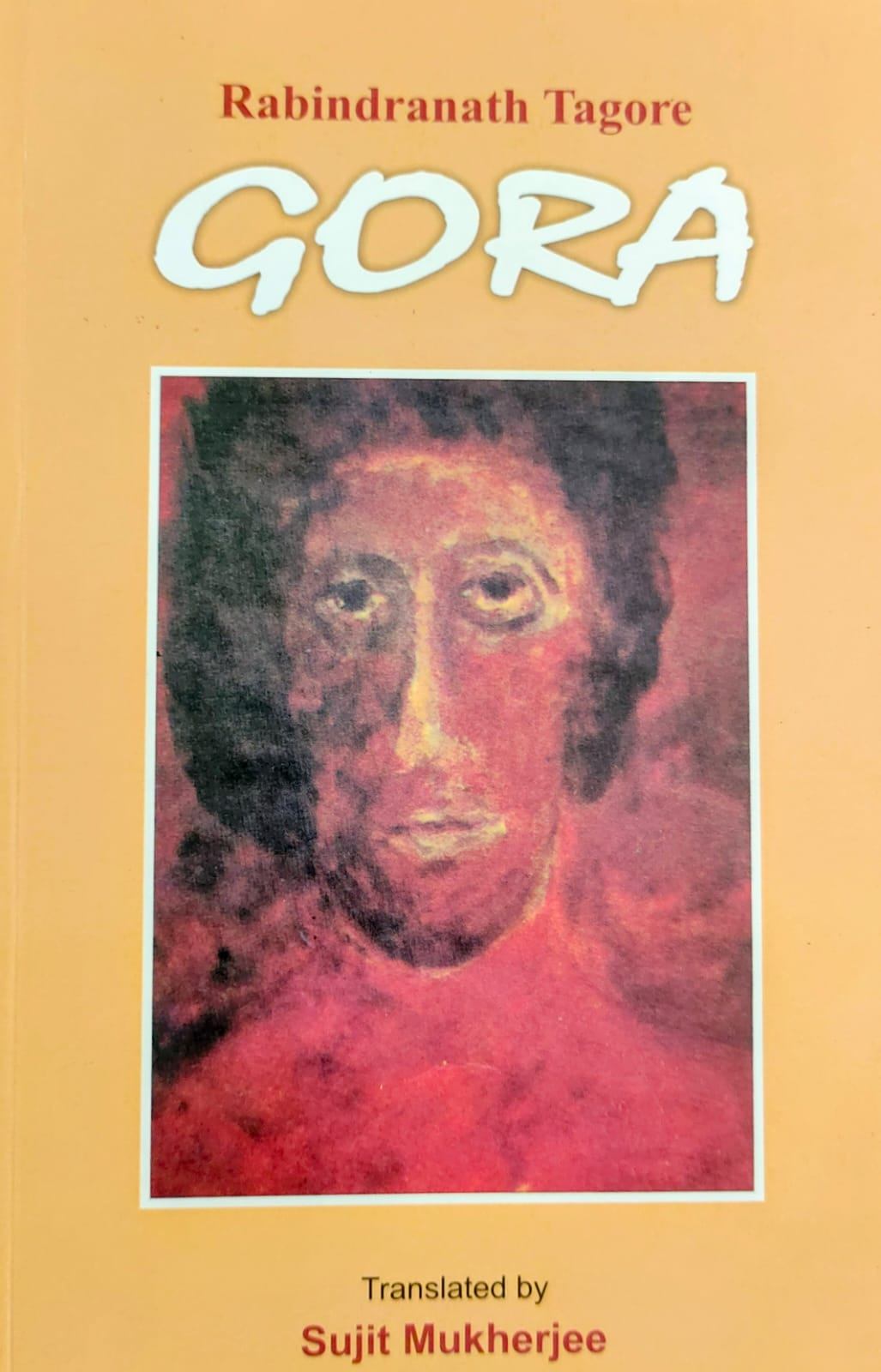
Gora
- Author Name:
Rabindranath Thakur
- Book Type:
- Description:
English Translation of Rabindranath Tagore's Bengali novel Gora. Gora consists of two parallel love stories of two pairs of lovers: Gora and Sucharita, Binoy and Lolita. Their emotional development is shown in the background of the social and political problems prevalent in India towards the end of the 19th-century. The novel is the longest novel written by Tagore. It deeply influences the Indian society and emerged as a debate between Brahmo Samaj and Hinduism.
Agneyam
- Author Name:
P. Vatsala +1
- Book Type:
- Description:
Agneyam tells the story of Nangema, a Namboodiri woman forced to leave her native home in Palghat due to poverty. She journeys alone through the perilous paths of Wayanad and creates a life for herself and her family in that wild land. She was a real person, not a figment of Vatsala's imagination. Living in Wayanad, she carved out a life for herself, but as events unfolded, she returned to her native Palghat, stayed with her daughter, and died peacefully. Vatsala knew her intimately and was inspired to write her exhilarating and tragic life story as a novel, "AGNEYAM." Vatsala is one of Kerala's leading women writers. Through her, the real Nangema becomes an artistic marvel - a woman born into luxury but falling into poverty; brave enough to change her life by moving to Wayanad, working as a cook, running a small shop, and eventually owning and cultivating land. An independent and courageous woman, aided by the untamed land. This is their story. But it is also the story of the Kurichia bonded labourers, the original landowners, and their helpless, fearful, and impoverished existence. Vatsala crafts this story in her unique, feminine, compassionate, lyrical language, writing with complete empathy for her protagonist. The result is a significant literary work from a historical, sociological, and literary perspective, always emphasising the woman's point of view. Vatsala has authored many novels and short stories, but this novel stands out for its lyrical language and powerful depiction of an independent woman. The translator, Vasanthi Sankaranarayanan, is a student of literature, cinema, theater, and dance. Her doctoral dissertation focuses on "Malayalam Cinema, Society and Politics of Kerala. " As a native of Kerala with a deep interest in Malayalam literature and women's studies, this is her third translation of a Malayalam novel- her previous works being "Agnisakshi" by late Lalithambika Antarjanam and "Brashtu" by Matampu Kunhukuttan.

Anna
- Author Name:
C. N. Annadurai
- Book Type:
- Description:
Everyone regarded Anna as one of the most remarkable figures produced by Tamil Nadu. His greatness stems from the widespread acclaim he received from prominent leaders of his era. His various talents demonstrate his capabilities as an effective administrator, deep thinker, prolific writer, insightful journalist, and above all, a humanitarian that leaves us in awe of his literary contributions. He observed the living conditions of Tamils during his time and aimed to instigate change through his writing and speeches. Inspired by Periyar's thoughts and pride in Tamil heritage, he emerged as a towering advocate for humanism, dedicated to protecting the Tamil community and working toward their advancement. Anna once referenced influential figures like Shelley, Byron, Keats, Coleridge, Emerson, and Bacon, remarking that they are not foreigners in the truest sense. Is Tiruvalluvar simply a Tamil? They are all global citizens and educators, and Anna holds a similar esteemed position as a worldwide citizen. Anna is recognised as a pioneer in short stories that explore the tension between tradition and modernity. He is a relentless journalist and a guiding light as a dramatist. In addition to being a remarkable orator, his political acumen further defines him as the genius of his century. In summary, Anna is a true phenomenon.

Draupadi
- Author Name:
Yarlagadda Lakshmi Prasad +1
- Book Type:
- Description:
Draupadi, originally written in Telugu, was first serialised in Andhra Jyoti before it came out in book form. The novel presented in a unique style, is not just an account of the different incidents occur around Draupadi but these incidents have been fused together into a fascinating story. The narrative process and the structural method of description used by Lakshmi Prasad fully engage the reader.

Frequently asked questions
Delivery, payment and returns for this book.
<p>This anthology offers a layered, sometimes unsettling reading experience that resists easy emotional closure. The stories move between grief, dark humour, resilience, and ambiguity—there is no single tonal centre. Readers accustomed to narrative resolution may find some pieces fragmentary or open-ended, reflecting the unfinished business of national identity itself. The pace varies widely across the collection: some stories are intimate character studies, others are historical snapshots. What lingers is not catharsis but a sense of proximity to lives lived under constant historical pressure, where the personal and political are inseparable.</p>
<ul><li>Readers interested in Partition literature and its long-term cultural aftermath across borders.</li><li>Those curious about regional South Asian languages and how translation carries or transforms meaning.</li><li>Readers willing to sit with uncomfortable questions about nationalism, belonging, and historical memory.</li><li>Students of comparative literature or postcolonial studies seeking primary sources beyond canonical anglophone writing.</li><li>Anyone who wants to hear Pakistan through Pakistani voices rather than external commentary.</li></ul>
<p>For Indian readers, this collection breaks the mirror of mutual othering that dominates India-Pakistan narratives. It reveals how Partition, communal violence, military rule, and economic struggle have been experienced and narrated within Pakistan across linguistic and regional lines. In an era where cross-border literary exchange is limited, the anthology serves as a rare archive of shared history told from the other side. It complicates simplistic notions of Pakistani identity and invites Indian readers to recognise the internal diversity and contestation that shape Pakistan's literary and cultural life—much like India's own.</p>
<p>Unlike single-author collections or thematic anthologies, this book privileges <strong>linguistic and regional plurality</strong> as the organising principle. By including stories originally written in Urdu, Punjabi, Sindhi, Pushto, and Saraiki, the editors resist the dominance of any one language or cultural narrative. The result is a portrait of Pakistan that is fragmented, polyvocal, and honest about internal differences. The editorial choice to translate rather than commission in English ensures that the textures of regional storytelling traditions—idiom, rhythm, social context—remain visible even in translation, giving readers access to Pakistan's literary heterogeneity.</p>
<ul><li>A more textured understanding of Pakistan's internal diversity and the limits of nationalist cohesion.</li><li>An emotional residue of unresolved questions about Partition, loss, and belonging that persist across generations.</li><li>Awareness of how regional languages carry distinct historical and cultural memories within a single nation-state.</li><li>A sense of literature as a site of reckoning—where fiction holds what official history cannot.</li><li>Empathy grounded not in sentiment but in proximity to lives lived under conditions most readers will never face.</li></ul>
Customer reviews
Review this book
Share your thoughts with other readers.
Customer reviews
No written reviews yet. Be the first to share what you thought.
What sets Short Stories from Pakistan apart is its linguistic breadth and its refusal to settle on a single narrative of nationhood. This anthology draws from five languages—Urdu, Punjabi, Sindhi, Pushto, and Saraiki—each carrying its own regional memory and cultural weight. The stories do not merely recount Pakistan's fifty-year journey from Partition onward; they inhabit the fractures, the pride, the shame, and what the editor calls "a thousand other unnamed feelings" that official histories leave out. Readers encounter voices from Pakistan's margins and centers alike, each story a window into how communities have processed trauma, aspiration, and identity in a nation born from violence and shaped by continual flux.
Published by Sahitya Akademi, the collection privileges authenticity over polish—these are not stories written for export but for internal reckoning, now made accessible through English translation. For Indian readers, the anthology offers a rare opportunity to hear Pakistan's self-narration in multiplicity, beyond the monolith of geopolitical discourse. It is a book that demands patience and rewards curiosity, especially for those interested in Partition's long shadow, regional literatures of South Asia, and the ways fiction archives what history compresses.
What kind of reading experience do Short Stories from Pakistan offer?
Short Stories from Pakistan is an anthology that offers a layered, sometimes unsettling reading experience, resisting easy emotional closure. The stories move between grief, dark humour, resilience, and ambiguity—there is no single tonal centre. Readers accustomed to narrative resolution may find some pieces fragmentary or open-ended, reflecting the unfinished business of national identity itself. The pace varies widely across the collection: some stories are intimate character studies; others are historical snapshots. What lingers is not catharsis but a sense of proximity to lives lived under constant historical pressure, where the personal and political are inseparable.
Who should read this book, and what does it expect of its reader?
- Readers interested in Partition literature and its long-term cultural aftermath across borders.
- Those curious about regional South Asian languages and how translation carries or transforms meaning.
- Readers willing to sit with uncomfortable questions about nationalism, belonging, and historical memory.
- Students of comparative literature or postcolonial studies seeking primary sources beyond canonical Anglophone writing.
- Anyone who wants to hear Pakistan through Pakistani voices rather than external commentary.
What is the cultural significance of this anthology for Indian readers today?
For Indian readers, this collection breaks the mirror of mutual othering that dominates India-Pakistan narratives. It reveals how Partition, communal violence, military rule, and economic struggle have been experienced and narrated within Pakistan across linguistic and regional lines. In an era where cross-border literary exchange is limited, the anthology serves as a rare archive of shared history told from the other side. It complicates simplistic notions of Pakistani identity and invites Indian readers to recognize the internal diversity and contestation that shape Pakistan's literary and cultural life—much like India's own.
What makes this anthology distinctive in its treatment of Pakistani identity?
Unlike single-author collections or thematic anthologies, this book privileges linguistic and regional plurality as the organizing principle. By including stories originally written in Urdu, Punjabi, Sindhi, Pushto, and Saraiki, the editors resist the dominance of any one language or cultural narrative. The result is a portrait of Pakistan that is fragmented, polyvocal, and honest about internal differences. The editorial choice to translate rather than commission in English ensures that the textures of regional storytelling traditions—idiom, rhythm, social context—remain visible even in translation, giving readers access to Pakistan's literary heterogeneity.
What does this book leave the reader with after finishing it?
- A more textured understanding of Pakistan's internal diversity and the limits of nationalist cohesion.
- An emotional residue of unresolved questions about Partition, loss, and belonging that persist across generations.
- Awareness of how regional languages carry distinct historical and cultural memories within a single nation-state.
- A sense of literature as a site of reckoning—where fiction holds what official history cannot.
- Empathy grounded not in sentiment but in proximity to lives lived under conditions most readers will never face.

