
Contemporary Indian Short Stories Series III
₹
200
₹ 166 (17% off)
Available
This sheaf of nineteen short stories, written by different authors, represents a cross-section of contemporary Indian short fiction. Eighteen stories are translations from eighteen modern Indian languages, and one is a specimen of Indian creative writing in English. Selected by the Sahitya Akademi's Advisory Boards of various languages, these stories, provide fascinating glimpses into the panorama of Indian life, with its baffling variety, its rich contrasts of the simple and the sophisticated, the ancient and the modern. Here is evidence, if such were needed that Indian literature is one though written in many languages its oneness consisting not of a stale uniformity but of a rich variety. This is the third volume of Sahitya Akademi series of such representative anthologies in English of contemporary Indian short story.
Read moreAbout the Book
This sheaf of nineteen short stories, written by different authors, represents a cross-section of contemporary Indian short fiction. Eighteen stories are translations from eighteen modern Indian languages, and one is a specimen of Indian creative writing in English.
Selected by the Sahitya Akademi's Advisory Boards of various languages, these stories, provide fascinating glimpses into the panorama of Indian life, with its baffling variety, its rich contrasts of the simple and the sophisticated, the ancient and the modern. Here is evidence, if such were needed that Indian literature is one though written in many languages its oneness consisting not of a stale uniformity but of a rich variety.
This is the third volume of Sahitya Akademi series of such representative anthologies in English of contemporary Indian short story.
Book Details
Katha Saptak - Dheerendra Asthana
- Author Name:
Dhirendra Asthana
- Book Type:

- Description:
collection of seven brilliant stories - बहादुर को नींद नहीं आती - पराधीन - मेरी फ़र्नांडीस क्या तुम तक मेरी आवाज़ पहुँचती है? - उस रात की गंध - मुहिम - और आदमी रोया - चीख

Katha Saptak Hari Bhatnagar
- Author Name:
Hari Bhatnagar
- Book Type:
- Description:
Collection of 7 brilliant stories: - बिल्ली नहीं दीवार - सामूहिक नरसंहार - ज़ाफ़र मियाँ की शहनाई - शिकंजा - माई - शर्म - बजरंग पांडे के पाड़े

Peddibhotla Subbaramaiah Short Stories
- Author Name:
Peddibhotla Subbaramaiah
- Book Type:
- Description:
Peddibhotla Subbaramaiah's short stories are the English translations of the Telugu book Peddibhotla Subbaramaiah Kathalu, which has won the Sahitya Akademi Award. This collection includes thirty-four stories that explore a variety of themes, delicate issues, unique events, and different incidents. These stories vividly depict society, social realism, and social consciousness. Each story sheds light on a different facet of social reality, showcasing sharp and perceptive observations of society. The collection mainly concentrates on middle-class struggles, jealousy, and daily life.

Anna
- Author Name:
C. N. Annadurai
- Book Type:
- Description:
Everyone regarded Anna as one of the most remarkable figures produced by Tamil Nadu. His greatness stems from the widespread acclaim he received from prominent leaders of his era. His various talents demonstrate his capabilities as an effective administrator, deep thinker, prolific writer, insightful journalist, and above all, a humanitarian that leaves us in awe of his literary contributions. He observed the living conditions of Tamils during his time and aimed to instigate change through his writing and speeches. Inspired by Periyar's thoughts and pride in Tamil heritage, he emerged as a towering advocate for humanism, dedicated to protecting the Tamil community and working toward their advancement. Anna once referenced influential figures like Shelley, Byron, Keats, Coleridge, Emerson, and Bacon, remarking that they are not foreigners in the truest sense. Is Tiruvalluvar simply a Tamil? They are all global citizens and educators, and Anna holds a similar esteemed position as a worldwide citizen. Anna is recognised as a pioneer in short stories that explore the tension between tradition and modernity. He is a relentless journalist and a guiding light as a dramatist. In addition to being a remarkable orator, his political acumen further defines him as the genius of his century. In summary, Anna is a true phenomenon.

My Big Book of Fun with Friends (Vol 1)
- Author Name:
Geeta Dharmarajan
- Book Type:
- Description:
Introducing the Ultimate Adventure FunBook for 7-10 Year Olds! Tired of saying “I’m bored!”? Fear not! Dive into this action-packed FunBook where you, the intrepid adventurer, solve mobius strip twists, launch a colony club, and as reader-leaders, challenge yourself daily. What’s Inside? Cool mazes, thought-provoking Big Ideas, and mind-bending puzzles play hide and seek inside your brain making you a more curious, creative, critical thinker! Whether you’re a girl, a boy, or an elephant lover, there’s something for everyone! Be sure to look out for tips on how you can be a reader-leader! Why ChooseOur FunBook? Our 35 years of expertise: This book is crafted by seasoned adventurers who know what makes young minds tick. Discover India! Explore the magic of India’s diversity. Meet families like yours and those who live in completely different worlds. Katha’s storybooks aren’t just friends; they’re wonderland guides. Discover our books through this FunBook! Unlock Big Ideas! Scan the QR code inside to explore fabulous books that’ll transform you into a kind, empathetic, and resilient person. Parents and grandparents, get ready to TADAA! To Think. Ask. Discuss. Act. And Achieve a goal! Spend hours bonding with your little adventurers!

Pratinidhi Kahaniyan : Mohan Rakesh
- Author Name:
Mohan Rakesh +1
- Book Type:
- Description:
मोहन राकेश की कहानियां नई कहानी को एक अपूर्व देन के रूप में स्वीकार की जाती हैं। इस संकलन में उनकी प्राय सभी प्रतिनिधि कहानियां संग्रहीत हैं, जिनमें आधुनिक जीवन का कोई-न-कोई विशिष्ट पहलू उजागर हुआ है । राकेश मुख्यतः आधुनिक शहरी जीवन के कथाकार हैं, लेकिन उनकी संवेदना का दायरा मध्यवर्ग तक ही सिमित नहीं है । निम्नवर्ग भी पूरी जीवन्तता के साथ उनकी कहानियों में मौजूद है । इनके कथा-चरित्रों का अकेलापन सामाजिक संदर्भो की उपज है । वे अपनी जीवनगत जददोजहद में स्वतंत्र होकर भी सुखी नहीं हो पते, लेकिन जीवन से पलायन उन्हें स्वीकार नहीं । वे जीवन-संघर्ष की निरंतरता में विश्वास रखते हैं । पत्रों की इस संघर्ष शीलता में ही लेखक की रचनात्मक संवेदना आश्चर्यजनक रूप से मुखर हो उठती है । हम अनायास ही प्रसगानुकुल कथा-शिल्प का स्पर्श अनुभव करने लगते हैं, जो कि अपनी व्यंगात्मक सांकेतिकता और भावाकुल नाटकीयता से हमें प्रभावित करता है । इसके साथ ही लेखक की भाषा भी जैसे बोलने लगती है और अपने कथा-परिवेश को उसकी समग्रता में धारण कर हमारे भीतर उतर जाती है।

Dharohar Kahaniyaan : Rahul Sankrityayan
- Author Name:
Rahul Sankrityayan +1
- Book Type:
- Description:
कौन ऐसा पाठक है जिसने एक बार प्रेमचन्द की कहानियों को पढ़ा हो और उन्हें भूल पाया हो! यह इसलिए कि हम उनकी रचनाओं को उनके देदीप्यमान, प्रखर व्यक्तित्व की लौ में देखने, ग्रहण करने लगते हैं। जहाँ उनकी रचनाएँ हमारे सामने जीवन का प्रामाणिक, जीवन्त चित्र प्रस्तुत करती हैं, सामाजिक जीवन के विभिन्न पहलुओं के प्रति हमें सचेत करती हैं, वहीं वे हमारे दिल में सद्भाव जगाती हैं, हमारे मस्तिष्क को झकझोरती हैं, हमें जिन्दगी को देखने समझने का नजरिया देती हैं। —भीष्म साहनी

Mitti Ki Gaadi
- Author Name:
Priyamvad
- Book Type:
- Description:
मिट्टी की गाड़ी प्रियंवद की लघु कहानियों का संग्रह है। मिट्टी की गाड़ी को 2018 में फेडरेशन ऑफ इंडियन पब्लिशर्स, नई दिल्ली द्वारा 11-17 वर्ष की आयु वर्ग में उत्कृष्टता प्रमाणपत्र प्राप्त हुआ। Age group 9-12 years

Pratinidhi Kahaniyan : Usha Priyamvada
- Author Name:
Usha Priyamvada +1
- Book Type:
- Description:
उषा प्रियम्वदा को पढ़ना एक साथ बहुत से बिम्बों में घिर जाना है। बिम्ब जो घुमड़ते बादलों की तरह अनायास तैरते चले आते हैं और एक सार्थक संगति में गुँथकर पहले दृश्य का रूप लेते हैं। कहानियों में परम्परा के निर्वहण की अभ्यस्तता और उसे तोड़ देने की सजगता एक साथ गुँथी हुई मिलती है। 1952 से 1989 तक के कालखंड में फैली उषा प्रियम्वदा की कहानियों का अधिकांश साठ के दशक में उनके विदेश प्रवास के बाद आया है। ज़ाहिर है, डायस्पोरा मनोविज्ञान रिवर्स कल्चरल शॉक से उबरने की क्रमिक प्रक्रिया को नॉस्टेल्जिया में तब्दील कर देता है। इसलिए उषा जी की कहानियों की ज़मीन भले ही विदेशी हो गई हो, वहाँ की खुली संस्कृति और उदार वर्जनामुक्त माहौल से सम्बन्धों में सहजता और कुंठाहीनता पनपी हो, लेकिन उनकी नायिका स्वयं को भारतीयता के संस्कारों से मुक्त नहीं कर पाई है। यही वजह है कि दाम्पत्येतर प्रेम सम्बन्ध बनाते हुए भी वह अपराध-बोध और लोकापवाद के भय से ग्रस्त रहती है। सरपट दौड़ते हुए अचानक ठिठककर खड़े हो जाना, और फिर बिना कुछ कहे अपनी खोह में दुबक जाना उनकी स्त्री की विशेषता है। उषा जी बेहद महीन और कलात्मक पच्चीकारी के साथ उसके चारों ओर रहस्यात्मकता का वातावरण बुनती हैं, जो एक सम्मोहक तिलिस्म का रूप धरकर पाठक के भीतर सीढ़ी-दर-सीढ़ी उतरता चला जाता है, ठीक कृष्णा सोबती की लम्बी कहानी 'तिन पहाड़' की जया की तरह।

Pratinidhi Kahaniyan : Bhisham Sahni
- Author Name:
Bhisham Sahni +1
- Book Type:
- Description:
भीष्म साहनी के कथा-साहित्य से गुज़रना अपने समय को बेधते हुए गुज़रना है। हिन्दी के प्रगतिशील कहानीकारों में उनका स्थान बहुत ऊँचा है। यहाँ उनके सात कहानी-संग्रहों से प्राय: सभी प्रतिनिधि कहानियों को संकलित कर लिया गया है। युग-सापेक्ष सामाजिक यथार्थ, मूल्यपरक अर्थवत्ता और रचनात्मक सादगी इन कहानियों के कुछ ऐसे पहलू हैं, जो हमारे लिए किसी भी काल्पनिक और मनोरंजक दुनिया को ग़ैर-ज़रूरी ठहराते हैं। विभिन्न जीवन-स्थितियों में पड़े इनके असंख्य पात्र आधुनिक भारतीय समाज की अनेक जटिल परतों को पाठकों पर खोलते हैं। उनकी बुराइयाँ, उनका अज्ञान और उनके हालत व्यक्तिगत नहीं, सार्वजनीन और व्यवस्थाजन्य हैं। इसके साथ ही इन कहानियों में ऐसे चरित्रों की भी कमी नहीं, जो गहन मानवीय संवेदना से भरे हुए हैं और अपने-अपने यथास्थितिवाद से उबरते हुए एक सार्थक सामाजिक बदलाव के लिए संघर्षरत शक्तियों से जुड़कर नया अर्थ ग्रहण करते हैं। वे न तो अपनी भयावह और दारुण दशा से आक्रान्त होते हैं न निराश, बल्कि अपने साथ-साथ पाठकों को भी संघर्ष की एक नई उर्जा से भर जाते हैं।

Patna wala Pyar
- Author Name:
Abhilash Dutta
- Book Type:
- Description:
पटना वाला प्यार (कहानी संग्रह) में पटना की जीवन शैली, वहां की संस्कृति का प्रभाव कहानियों की पृष्ठभूमि है। पटना के संस्कार कहानी के पात्रों में स्पष्ट दिखाई दे रहे हैं। पटना को जैसा एक आम आदमी अख़बारों और ख़बरों के माध्यम से जानता होगा बिलकुल वैसा ही इस कहानी संग्रह में सहज ही परिलक्षित होता है। कहानी ‘एक मुलाकात’ में दिल्ली और पटना के बीच की यात्रा, कैसे एक प्रेम में फंसी लड़की को वेश्या बना देती है। वहीं ‘पटना वाला प्यार’ कहानी के दोनों भागों के प्यार, एक छोटे शहर की युवा हो रही पीढ़ी की अल्हड़ मति का शानदार चित्रण प्रस्तुत करती है। ‘रीयूनियन’ कहानी पढ़कर व्यक्ति को अपने जीवन के कटु सत्य का सहज ही साक्षात्कार हो जाता है। कहानी से पता चलता है कि जीवन में आने वाला हर शख़्स अपना एक वजूद रखता है। ‘लाल चच्चा’ कहानी हो या ‘फैसला’, ‘अज्ञात आतंकवादी’ हो या ‘सुसाइड जिम्मेदार कौन’ या फिर ‘परछाई’ समाज को सीधे-सीधे आईना दिखाने वाली कहानियाँ कही जा सकती है।

Gyarah Rupye Ka Fountain Pen
- Author Name:
Amit Dutta +1
- Book Type:
- Description:
अमित दत्ता की कहानियों का संग्रह सभी पाठकों को पसंद आएगा। ये कहानियां हैं बचपन की, प्यार की, फिल्मों की. इनमें से प्रत्येक कहानी पाठक को बांधे रखती है। तपोशी घोषाल के चित्र इस पुस्तक को एक आकर्षक दृश्य बनाते हैं। चित्रों में रंगों और विवरणों का प्रयोग समृद्ध है। Age 12+

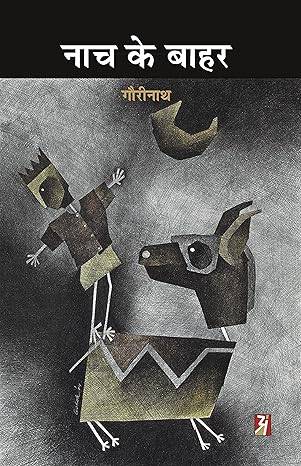
Nach Ke Bahar
- Author Name:
Gourinath
- Book Type:
- Description:
A Collection of Short Stories by Gourinath
Katha Saptak Alpana Mishr
- Author Name:
Alpana Mishr
- Book Type:
- Description:
Collection of 7 brilliant stories: - छावनी में बेघर - मुक्ति - प्रसंग - मिड डे मील - उपस्थिति - बेतरतीब - अंधेरी सुरंग में टेढ़े मेढ़े अक्षर - कथा के ग़ैरज़रूरी प्रदेश में

Pratinidhi Kahaniyan: Manzoor Ehtesham
- Author Name:
Manzoor Ehtesham +1
- Book Type:
- Description:
बड़े मानवीय विज़न और अपने परिवेश में धड़कते जीवन की सूक्ष्म हरकतों को एक सहज भाषा में पकड़ने वाले कथाकार मंज़ूर एहतेशाम की ये कहानियाँ हमें उनकी कथा-विधियों और विश्व दृष्टि, दोनों से परिचित कराती हैं। अपने यादगार उपन्यासों से जाने जानेवाले मंज़ूर अपनी कहानियों के छोटे फलक में बड़े सवाल उठाते हैं, जिनके दायरे में राजनीति, समाज, मनुष्य निर्मित आपदाओं से लेकर धार्मिक जड़ताओं से उपजी अमानवीयता तक आ जाती है। शिल्प के स्तर पर जोखिम उठाते हुए वे कैसे अपने समय के सत्य के पीछे दूर तक चले जाते हैं, इस संचयन में शामिल कहानियों से हमें यह भी पता चलता है। इस प्रस्तुति की सम्पादक वन्दना राग की यह टिप्पणी ठीक ही है कि ‘अपनी ख़ूबसूरत भाषा और बिम्बों के साथ-साथ मुलायम अहसासों का ऐसा ताना-बाना रचनेवाले’ कथाकार कम ही होंगे।

Katha Saptak Sudha Arora
- Author Name:
Sudha Arora
- Book Type:
- Description:
Collection of 7 brilliant stories: - उधड़ा हुआ स्वेटर - औरत की चुप्पी - अन्नपूर्णा मंडल की आख़िरी चिट्ठी - काला शुक्रवार - काँच के इधर और उधर - औरत की चुप्पी उर्फ़ रहोगी तुम वही - सात सौ का कोट

Katha Saptak Sudha Om Dhingra
- Author Name:
Sudha Om Dhingra
- Book Type:
- Description:
Collection of 7 brilliant stories: - बिल्ली नहीं दीवार - सामूहिक नरसंहार - ज़ाफ़र मियाँ की शहनाई - शिकंजा - माई - शर्म - बजरंग पांडे के पाड़े

Pratinidhi Kahaniyan: Madhu Kankaria
- Author Name:
Madhu Kankariya +2
- Book Type:
- Description:
मधु कांकरिया का कथा-प्रदेश अपने रचाव और आस्वाद में एकदम अलग है। वे समाज और जीवन को जस-का-तस उठाकर रचती हैं जिसमें समय अपनी समूची जटिलता में दिखाई पड़ता है। वे रेशा-रेशा करके यथार्थ को पुनर्रचित नहीं करतीं, यथार्थ के उलझे-पुलझे किसी टुकड़े को उठाकर उसे रेशा-रेशा देखती हैं। इसीलिए उनकी भाषा भी हमें समकालीन कथाकारों से भिन्न मालूम पड़ती है। समूचापन उनके शिल्प की विशेषता है; शायद यही कारण है कि उनकी कहानियों में, जैसे कि उनके उपन्यासों में भी, विषयों का दोहराव नहीं होता। वे एक जीवन-स्थिति को एक समस्या की तरह लेती हैं, और उसे समझते हुए आगे बढ़ती हैं। वे फ्रेम-दर-फ्रेम खुलती हैं और उनके पात्र अपने सम्पूर्ण परिवेश के साथ हमें अपने जीवन का हिस्सा बना लेते हैं। इस संचयन में उनकी दस कहानियाँ शामिल हैं।

Fuhar
- Author Name:
Yogi Mahajan +1
- Book Type:
- Description:
Fuhar-stories

Pargrahi
- Author Name:
Ramesh Chandra Sharma
- Book Type:
- Description:
विज्ञान का मनमोहक नाम इक्कीसवीं सदी की चर्चाओं में इतना अधिक प्रभावी हो गया है कि साहित्यकार इसके प्रभाव से अछूता नहीं रह सकता। इसका असर इस उपन्यास में नज़र आएगा। सत्य और सौंदर्य की तलाश में नायक, चित्रकार अभय अंतरिक्ष और आसमान के उस पार ‘एल्यिंज’—परग्रहियों के होने के विश्वास में उनके चित्र बनाता है। उसकी सोच में इंद्र के अखाड़े की अप्सराएँ आ जाती हैं। इस सोच की गहराई में वह इस कदर डूब जाता है कि अपने अस्तित्व की सच्चाई का ध्यान आते हुए भी उसे चमत्कार से कम नहीं समझता। अपने अतीत, असंतोष से भी छुटकारा पा लेता है। चाँद, तारों और मंगल आदि ग्रहों पर प्राणियों के होने या न होने की अनिश्चितता, पृथ्वी के बीच पनपी दुर्दशा की समस्या का समाधान उसके दिल और दिमाग को झकझोर कर रख देता है। इस उपन्यास में कई जगह घटनाक्रम तथा समय के अनुकूल उर्दू के शायरों के शेर तथा हिंदी कविताओं के कुछ अंश कथानक की रोचकता बढ़ाते हैं। उपन्यास का नायक अंतर्विरोध के चक्रव्यूह से बाहर कैसे निकलता है, यह भी इस कथा की खूबी है। अज्ञात, परंतु अत्यंत रुचि के विषय ‘एलियन’ यानी परग्रही को केंद्र में रखकर लिखा गया पठनीय उपन्यास

Customer Reviews
Be the first to write a review...
Contemporary Indian Short Stories Series III is not a uniform literary experience but a deliberate collision of sensibilities — eighteen translations from as many modern Indian languages, plus one story composed directly in English. What makes this collection singular is its institutional curation: each story was selected by the Sahitya Akademi's language-specific Advisory Boards, ensuring that no dominant regional voice drowns out the others. The result is a rare panorama where a Kashmiri narrative sits beside a Tamil one, where Assamese existential dread converses with Gujarati social satire. The reader encounters the simple and the sophisticated not as abstract categories but as lived contrasts — a village elder's superstition rendered in one story, a cosmopolitan intellectual's crisis in another. This is Indian short fiction as polyphonic witness, preserving the linguistic and emotional textures that a single-author collection or mainstream anthology would flatten. Published by Sahitya Akademi, it functions as both literary archive and living argument for India's irreducible plurality.
What kind of reading experience will Contemporary Indian Short Stories Series III give me?
This collection delivers a restless, shifting emotional register — you will not settle into one authorial voice or thematic groove. Each story resets your expectations, moving from rural fatalism to urban alienation, from comic social observation to tragic personal reckoning. The experience is less about narrative momentum and more about cumulative recognition: you begin to see the vast, contradictory emotional geography of contemporary India emerge story by story. It rewards patient, attentive reading that does not demand stylistic coherence but relishes difference.
Who is this book best suited for, and what does it expect of its reader?
- Readers curious about Indian literature beyond the familiar anglophone canon, willing to encounter voices from Assamese, Kannada, Malayalam, and other regional traditions.
- Students or scholars of comparative literature who value institutional curation and linguistic diversity as curatorial principles.
- Those interested in how translation mediates regional specificity — the collection assumes you will notice when a story's idiom feels village-rooted versus cosmopolitan.
- Readers comfortable with tonal dissonance, who do not need thematic unity across a collection.
What is the cultural significance of multilingual Indian short fiction to readers today?
In an era when a handful of metropolitan narratives dominate both publishing and cultural discourse, this collection insists that Indian literature is irreducibly multilingual. It challenges the assumption that English-language writing alone can represent the nation's literary imagination. For contemporary readers, it offers access to regional realities — caste dynamics in Tamil Nadu, linguistic pride in Bengal, communal memory in Punjab — that mainstream fiction often homogenises or ignores. It preserves the cultural and emotional specificity that translation can carry but monolingual dominance erases.
What makes Sahitya Akademi's curation of this collection distinctive?
Unlike commercial anthologies driven by editorial taste or market appeal, this collection is curated by Sahitya Akademi's language-specific Advisory Boards — committees of scholars, writers, and critics with deep knowledge of their respective literary traditions. This institutional process ensures that each story is not just aesthetically strong but culturally representative, chosen to reflect the concerns and innovations of its language community. The result is a collection that resists both populist accessibility and avant-garde obscurity, offering instead a cross-section of what serious regional writers were exploring at the time.
What does this book leave the reader with long after finishing it?
You finish with a recalibrated sense of what Indian literature actually contains — not a single national voice but a chorus of irreducible regional, linguistic, and emotional particularities. The lasting impression is not of any one character or plot but of the sheer variety the collection insists upon: the recognition that every Indian language shelters its own narrative logic, its own way of framing moral dilemmas, its own relationship to modernity and tradition. It leaves you skeptical of any literary claim to speak for India as a whole.