
The Mood of 2025
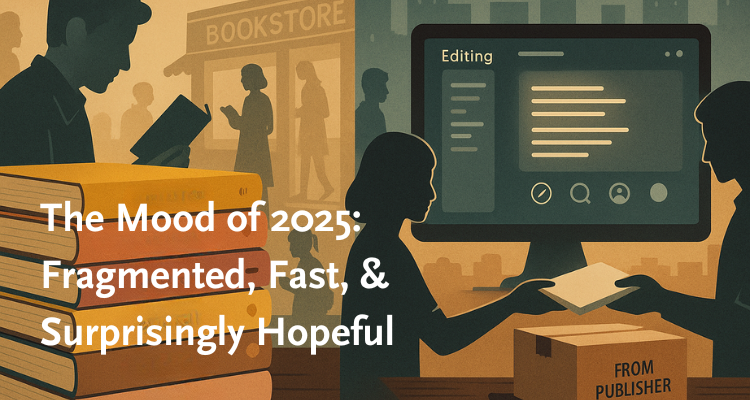
2025 didn’t wait for permission. It rewired Indian publishing while everyone was busy predicting its death.
There’s a strange comfort in believing publishing moves slowly. That editors quietly pore over manuscripts, that readers discover books by accident, and that the industry is built on calm, deliberate decisions.
But 2025, refused to play along.
This was the year India’s reading ecosystem cracked open—economically, technologically, and culturally. And for the first time, the change didn’t come from global tech giants. It came from readers themselves, regional language communities, and platforms willing to rethink the whole model.
The Mood of 2025: Fragmented, Fast, and Surprisingly Hopeful
Walk into any literary festival this year and you’d hear the same buzz:
“Nobody understands Indian readers anymore.”
But that’s exactly the point—there’s no single Indian reader.
In 2025:
- Tier-2 and Tier-3 cities became the largest paperback buyers.
- Gen-Z kept mixing languages in their reading: Marathi + English, Tamil + Hindi.
- Retired readers quietly drove demand for premium hardcovers.
- Book clubs mushroomed in Delhi, Bengaluru, Indore, Shillong, Kozhikode, and Surat.
The market stopped behaving like a single market, and publishing finally had to pay attention.
What Broke in 2025
Let’s be honest. Some things needed to collapse so better things could grow.
a) The Discount Illusion Cracked
After years of deep discounting on e-commerce, readers realised something simple:
A ₹399 book is not a ₹179 commodity.
Publishers tightened margins. Readers didn’t walk away.
Instead, they began looking for platforms that felt authentic and piracy-safe.
(Yes, this is where Rachnaye’s direct-from-publisher model started gaining trust.)
b) Mass-Paperback Publishing Lost Steam
The old model—print 5,000 copies, pray, discount hard—finally died.
Smaller, brighter print runs became normal.
Books became deliberate again.
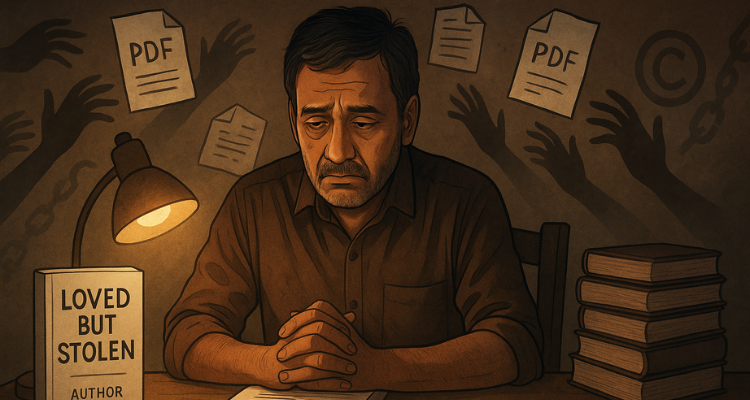
c) Piracy Evolved—And Got Worse
AI-powered PDF scrapers were the villain of 2025.
Entire books were being cloned faster than takedown notices could be issued.
Writers panicked.
Publishers panicked harder.
Platforms that shipped books only from publishers, with piracy checks at source, suddenly mattered far more than people admitted publicly, over Linkedin and other social media platforms.
d) AI Copyright Storms Hit the Industry
Writers questioned:
“Was my book used to train a model?”
Publishers asked:
“How do we protect catalogues from unscrupulous training?”
In 2025, writers’ unions drafted their first AI consent guidelines.
A messy year, but an important one.
What Grew: Quietly but Powerfully
Here’s where the year surprised everyone.
a) Regional Languages Took the Lead
Tamil, Malayalam, Marathi, Assamese, Odia, Maithili, and Konkani topped discovery charts.
Not as a trend—more like a cultural correction.
Readers wanted stories that sounded like home.
b) AI-Assisted Editing Became Normal
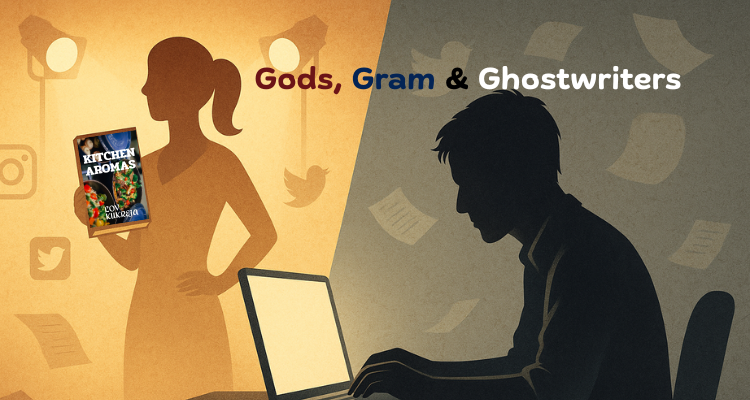
Not ghostwriting.
Not replacement.
Just cleaner drafts, faster revisions, better grammar passes.
Even old-school editors started admitting:
“AI cuts time, but we keep the voice.”
c) Direct Publishing Platforms Scaled
For the first time in a decade, publishers saw a genuine alternative to Amazon.
Platforms like Rachnaye gave:
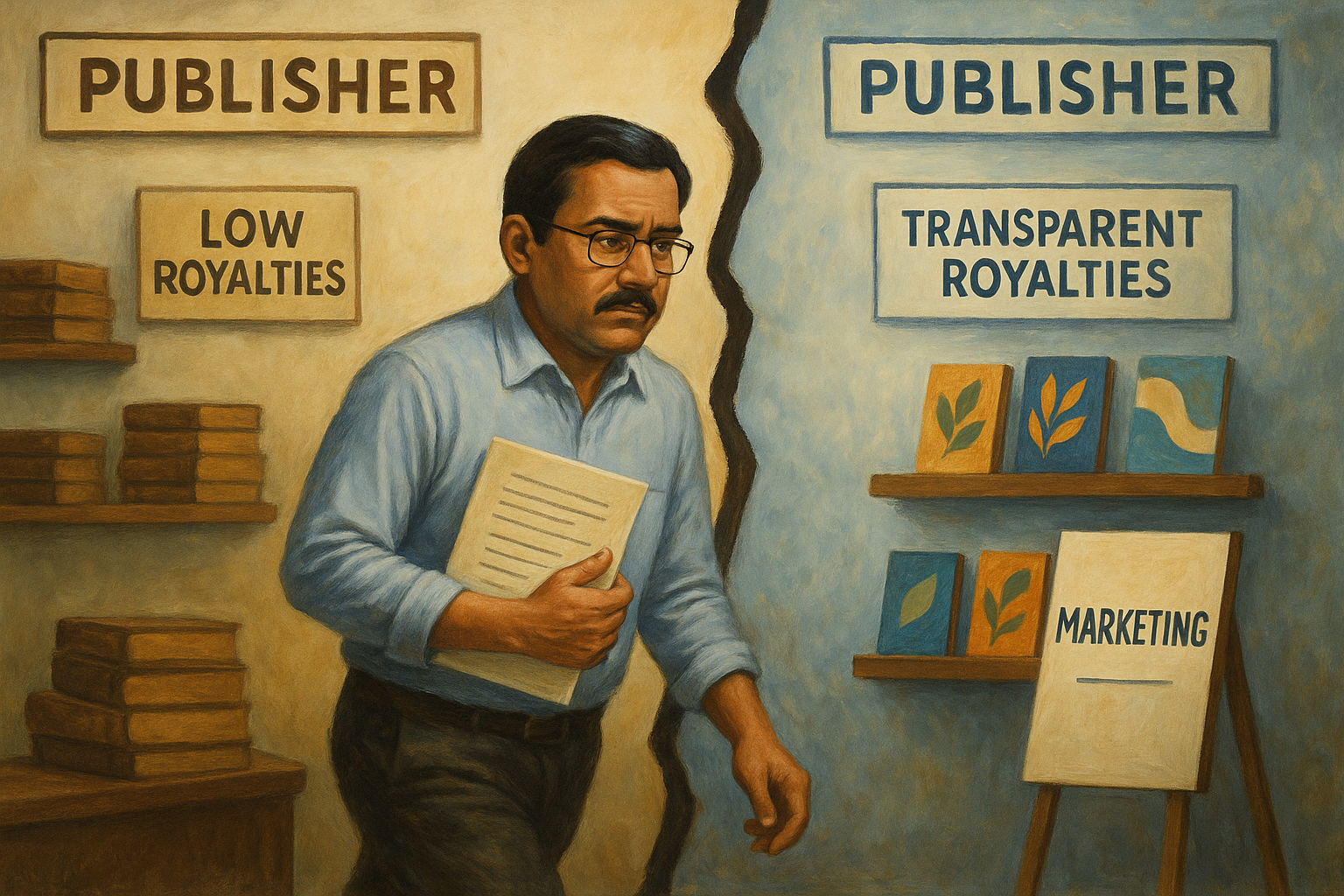
- higher royalties,
- no predatory discounting,
- piracy-free shipping,
- Visibility for Indian languages.
Writers loved it.
Publishers loved it more.
d) Reader-Funded Projects Took Off
Micro-subscriptions, “pay-what-you-feel”, and reader-backed novellas—2025 turned writers into community-driven creators.
The New Indian Reader: Who Actually Bought Books in 2025?
This is where the picture clears up.
Tier-2 & Tier-3 Cities Became the New Powerhouses
Bhubaneswar, Nashik, Ranchi, Vijayawada, Jodhpur, Madurai—paperback hunger exploded.
Urban Gen-Z Bought More Books Than Expected
But shorter ones:
- anthologies
- essays
- novellas
- illustrated editions
- bilingual collections
The 50+ Reader Drove the Comeback of Hardbacks
The feel of a good book mattered more than algorithmic recommendations.
What 2025 Taught Indian Writers
a) Shorter Manuscripts Won
The 500-page novel lost its shine.
200–250 pages?
Perfect.
b) Adaptation Thinking Became Mainstream
Writers wrote scenes, not chapters.
Dialogues tightened.
Visual pacing became a craft.
c) Writers Learned to Protect Their Work
AI consent clauses.
Digital watermarking.
Opt-out options.
2025 was the first year writers discussed copyright in everyday conversation.
d) Community Became Non-Negotiable
Writers relied on shared groups, offline meets, and platforms like Rachnaye to stay visible and sane.
So… What Changed Indian Publishing in 2025?
Here’s the clear list readers search for:
- Rise of Indian language readership
- Fall of deep discounting
- Direct-to-reader platforms are gaining prominence.
- Growth of AI-assisted editing
- Piracy is becoming more sophisticated.
- Smaller, smarter print runs
- More community-backed publishing
- Adaptation-driven writing
- Regional authors going global
This wasn’t a cosmetic shift.
It was structural.
Why Indian Readers Shifted to Regional Languages in 2025
Because:
- Regional stories felt more authentic.
- Translations became affordable
- Social media spotlighted regional writers.
- Local festivals boosted discovery.
- More platforms supported Indian scripts.
- Gen-Z embraced their linguistic identity
2025 didn’t create this shift.
It just made it impossible to ignore.
How Indian Publishers Started Selling Direct in 2025
Publishers moved to:
- their own websites
- platform partnerships (Rachnaye-style models)
- WhatsApp commerce
- local bookstore tie-ups
- city-based reading clubs
Direct selling reduced piracy, increased royalties, and gave publishers real-time sales data—something e-commerce giants never shared.
What This Means for 2026
If 2025 was disruption, 2026 will be refinement.
Expect:
- AI to become a background tool, not the headline.
- Indian languages to lead catalogue expansions
- New economic models (micro-subscriptions, small batch print runs)
- Greater legal clarity around AI copyright
- Stronger direct-selling ecosystems
- Writers forming “collectives” for mutual support
- Translation pipelines are professionalizing further
Publishing won’t go back to pre-2025.
It shouldn’t.
Where Rachnaye Stands in This New Landscape
Rachnaye entered this shift early—almost accidentally.
But 2025 made its relevance obvious:
- Direct-from-publisher delivery → kills piracy at the root.
- Transparent monetisation for writers → better economics
- Strong Indian language catalogue → fits the country’s actual taste.
- Smart match engine → publishers find the right manuscripts.
- Offline library plans → builds real reading communities.
- AI editing + tools → supports writers without overshadowing them
In a noisy ecosystem, Rachnaye sits where authors, publishers, and readers finally align.
Why This Year Mattered
If you zoom out, 2025 wasn’t the year publishing collapsed—it’s the year it grew up.
Readers chose authenticity.
Writers demanded fairness.
Publishers embraced transparency.
And Indian languages claimed the stage they always deserved.
The industry didn’t just change.
It recalibrated.
And this time, everyone’s invited.












Awantika Singh
Dec 18, 2025
good one
safwan sumra
Nov 25, 2025
Nice
Add a comment
Add a comment