
Editorial Room Inside Story
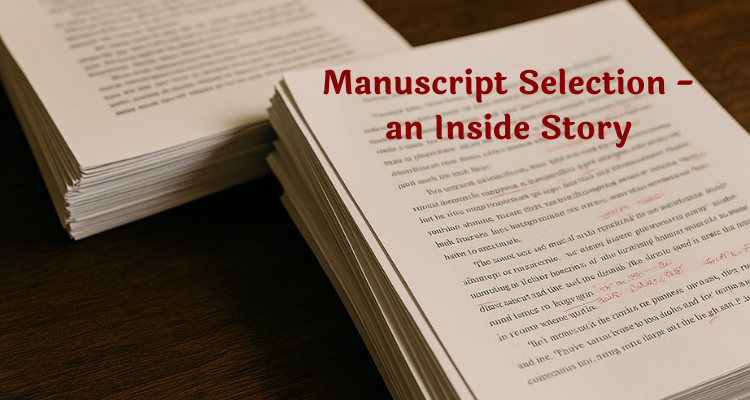
After twenty-odd years in Indian publishing, you develop certain instincts.
You can tell how a meeting will end before it begins.
You can predict which manuscript will be called “important” and which will be called “interesting but difficult.”
You learn to read silences better than sentences.
And you learn something else, something far less noble.
The editorial room is not neutral.
Editors like to believe they are custodians of literature. That we sit between chaos and coherence, shaping manuscripts with care and integrity. And sometimes, that’s true. But more often, the editorial room behaves like any other human institution; guided by taste, fear, fatigue, habit, and yes, bias.
Not malicious bias. The quieter kind. The kind that wears reason like a disguise.
When a manuscript arrives, editors talk about voice, structure, and originality. What they don’t talk about, at least not openly, is how quickly assumptions creep in. Before the prose has a chance to breathe, the author has already imagined where they live. Who they might be. Whether they “fit.”
This happens unconsciously. But it happens.
A manuscript set in a familiar urban landscape is treated as universal. A manuscript set in a small town is treated as a sociological study. One is allowed just to be a story. The other is asked to explain itself.
This is not a conspiracy. It’s comfort masquerading as judgment.
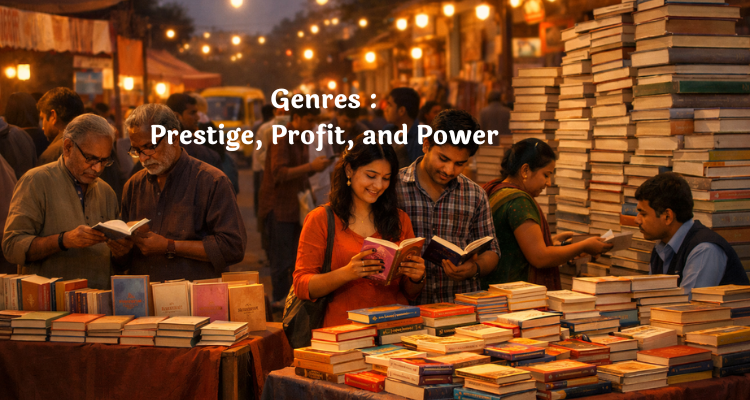
Genre bias is another polite fiction. Editors will insist they judge all writing equally. In practice, genres enter the room carrying weight. Literary fiction is welcomed with seriousness. Romance is met with suspicion. Young adult fiction is tolerated, rarely respected. Speculative fiction set in India is often admired privately and rejected publicly.
It’s not that editors dislike these genres. It’s that they don’t know how to defend them in acquisition meetings. And in publishing, what cannot be defended is quietly abandoned.
Then there is language, specifically, the kind of English that feels “right.” Indian publishing has developed a preferred accent of prose. Fluent, global, lightly Indian but never inconveniently so. Manuscripts that carry regional rhythms, translated cadences, or non-standard syntax are often “cleaned up” in the name of readability.
What gets lost in that cleaning is texture. Memory. Anger. Music.
Editors rarely report being uncomfortable with unfamiliar voices. Instead, they say the writing needs polishing. And polish, in this context, often means sanding away difference.
Bias also enters through education. No editor will admit to publishing degrees, but credentials do something subtle; they create trust. A writer from a prestigious institution is assumed to understand critique. A writer without a pedigree is assumed to need discipline.
The edits may be identical. The tone is not.
One author is guided. The other is corrected.
Over time, this distinction shapes who remains in the system and who quietly leaves.
Perhaps the most uncomfortable bias is political, but not in the way people expect. Indian publishing prides itself on progressive values, on speaking truth to power. But dissent has boundaries. Anger must be articulated in a way that feels informed, controlled, and familiar.
Anger that arrives unfiltered, especially from the margins, makes editorial rooms uneasy. It is labelled excessive, raw, or lacking nuance. Editors ask for softening, for balance, for perspective. Rarely do they ask whether the discomfort is the point.
The result is a literature of managed outrage. Palatable critique. Safe radicalism.
Editors often hide behind the market. “This won’t sell.” “Readers aren’t ready.” “It’s too niche.” Sometimes these statements are true. Often, they are shields, ways to avoid internal conflict, risk, or additional labour.
The market becomes a convenient alibi.
What isn’t said is that the market is shaped by what editors repeatedly choose to publish. You cannot claim readers don’t want something you’ve never allowed to exist.
None of this is to villainise editors. Most are deeply invested in books. Many are exhausted. Underpaid. Forced to think like marketers while being held responsible for cultural outcomes. Bias thrives in such conditions. Familiarity feels efficient. Risk feels expensive.
But I would like to acknowledge these matters.
Because the greatest myth of publishing is that good writing always finds its way. It doesn’t. Writing finds its way through systems. Systems reflect the people who operate them.
There are manuscripts I rejected years ago that still return to me—not because they were flawless, but because they were honest in ways I wasn’t ready to support. They asked too much of the list. Of the reader. Of me.
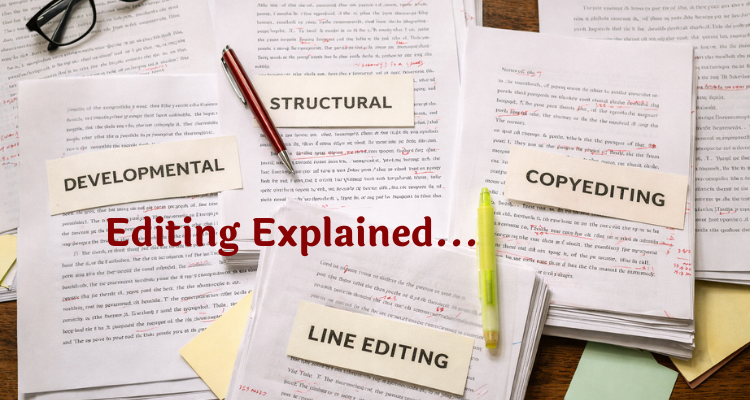
Editing, at its best, is an act of humility. At its worst, it becomes an act of quiet gatekeeping.
The future of Indian literature will not depend only on writers finding their voice. It will depend on editors learning to question their instincts and recognising when taste turns into exclusion.
The editorial room does have a smell.
Ink. Coffee. Old habits.
The question is whether we are willing to air it out.





Add a comment
Add a comment