Autobiography of Dr. B.R. Ambedkar
About the book
My Autobiography | Autobiography of Dr. B.R. Ambedkar | Ambedkar's Challenges, Ambitions, and Accomplishments
Read more₹
450
₹ 360 20% off
Available
Format
About the Book
My Autobiography | Autobiography of Dr. B.R. Ambedkar | Ambedkar's Challenges, Ambitions, and Accomplishments
Book details
- Format
- Paperback
- Publisher
- Prabhat Prakashan
- Publication year
- 2024
- Weight
- 350 grams
- ISBN-13
- 9789355627629
- Pages
- 220
- Reading time
- ~7 hrs
- Age
- 18+
- Country of origin
- India
- Dimensions
- 10 × 10 cm
- Language
- English
The Untouchables
- Author Name:
DR. B.R. Ambedkar
- Book Type:

- Description:
Who are the Untouchables, and what is the origin of Untouchability? These are the main topics which it is sought to be investigated, and the results of which are contained in the following pages. Before launching upon the investigation, It Is necessary to deal with certain preliminary questions. The first such question is: Are the Hindus the only people in the world who observe Untouchability? The second is: If Untouchability is observed by Non-Hindus also, how does untouchability among Hindus compare with the Untouchability study that has so far been attempted?

Annihilation of Caste
- Author Name:
DR. B.R. Ambedkar
- Book Type:
- Description:
Annihilation of Caste is an undelivered speech written in 1936 by B. R. Ambedkar, an Indian academic turned politician. He wrote Annihilation of Caste for the 1936 meeting of a group of liberal Hindu caste reformers in Lahore. After reviewing the speech’s controversiality, conference organizers revoked Ambedkar’s invitation. He then self-published the work. The work is considered a classic and is being re-evaluated time and again.

Philosophy of Hinduism & Waiting For A Visa
- Author Name:
DR. B.R. Ambedkar
- Book Type:
- Description:
"Philosophy of Hinduism is a profound and critical analysis by Dr. B.R. Ambedkar that examines the foundations and philosophical underpinnings of Hinduism. Written with an intent to investigate the principles of justice, equality and morality within Hindu religious and social doctrines, the book delves into key concepts of Hindu philosophy, such as the idea of karma, dharma and the caste system. Waiting for a Visa is a powerful and eye-opening work by Dr. B.R. Ambedkar, one of India's foremost social reformers and the chief architect of the Indian Constitution. Written in 1935-36, this autobiographical account is a collection of personal and real-life incidents that expose the harsh realities of caste discrimination faced by Ambedkar and other Dalits in the Pre-independent India."

Revolution And Counter-Revolution In Ancient India
- Author Name:
DR. B.R. Ambedkar
- Book Type:
- Description:
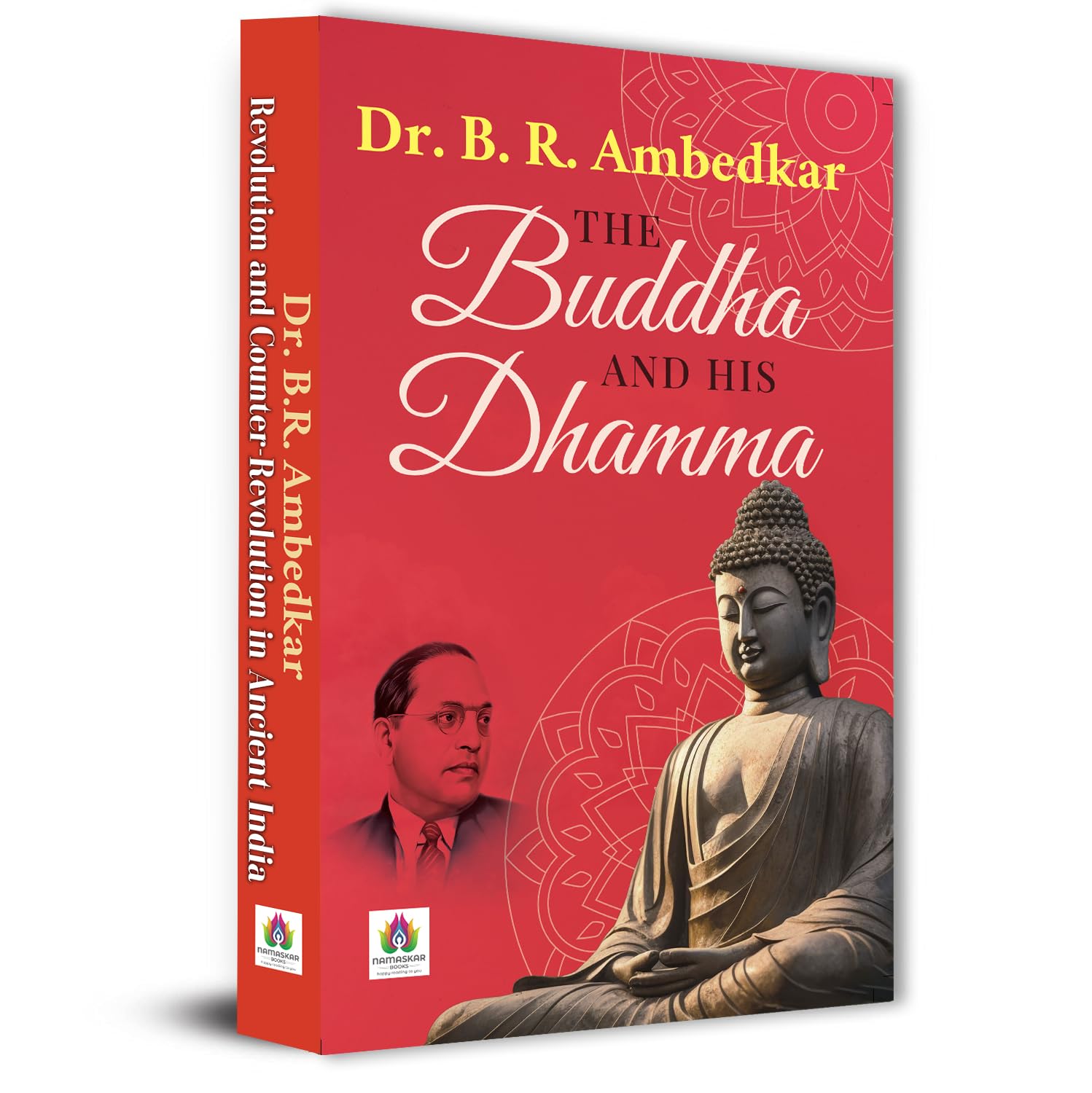
"In Revolution and Counter-Revolution in Ancient India, Dr. B.R. Ambedkar presents a sweeping and insightful historical analysis of social and religious dynamics in ancient Indian society. This work examines the ideological and power struggles that shaped India's history, focusing on the conflicts between Buddhism and Brahmanism. The book highlights how this conflict influenced India's cultural and religious landscape, ultimately leading to the decline of Buddhism in the land of its birth. Ambedkar explores how Buddhism brought revolutionary social changes that challenged the caste hierarchy and promoted values of equality, compassion and rationalism, in contrast to the caste-based system upheld by Brahmanism."

The Buddha and His Dhamma Book on Buddha's Life And Philosophy
- Author Name:
DR. B.R. Ambedkar
- Book Type:
- Description:
"The Buddha and His Dhamma is Dr. B.R. Ambedkar's final and perhaps most spiritually significant work, offering a detailed exploration of the life, teachings and philosophy of Gautama Buddha. First published in 1957, this book serves as a foundational text for the Navayana or Neo-Buddhist movement, which Ambedkar initiated to promote a version of Buddhism rooted in social justice, equality and compassion. In this work, Ambedkar reinterprets the teachings of the Buddha to emphasise principles of rationalism, ethical living, and human dignity, critiquing traditional religious practices that, in his view, perpetuate superstition and social inequality. He presents the Buddha as a revolutionary figure whose teachings directly oppose caste-based discrimination and advocate for a moral code that transcends ritualistic practices."
Who Were The Shudras?
- Author Name:
DR. B.R. Ambedkar
- Book Type:
- Description:
"Who Were the Shudras?—Is a book about the history of the Shudra (lowest) varna of the Indian caste system written in 1946 by Dr. Bhimrao Ambedkar. The book is dedicated to Jyotirao Phule and intends to break the myth about Shudras being an untouchable caste in India. Ambedkar cites the Indian scriptures like The Vedas and Mahabharata among others to argue that Shudras were in fact Aryan kings who fell to a substandard caste after a long-drawn conflict with the Brahmans. Ambedkar also discusses the Aryan race theory and does not agree on the Indo-Aryan migration that has often been considered canon in the history of the race. The book is a debunking of myths and ideologies and hopes to achieve a sense of tolerance for a misunderstood and ill-treated caste in India."

Pakistan Or The Partition Of India (Pb)
- Author Name:
DR. B.R. Ambedkar
- Book Type:
- Description:
Awating description for this book
Bharat Ka Savidhan By Dr. B.R. Ambedkar
- Author Name:
DR. B.R. Ambedkar
- Book Type:
- Description:
Awating description for this book

Aur Babasaheb Ambedkar Ne Kaha : Vols. 1-6
- Author Name:
DR. B.R. Ambedkar +2
- Book Type:
- Description:
वह अम्बेडकर ही थे जिनके सिद्धान्तों ने दलित वर्ग को नई चेतना प्रदान की। और बाबासाहेब अम्बेडकर ने कहा...उन्हीं के 1920 से लेकर 1956 तक के लेखों, अभिलेखों और अभिभाषणों का संकलन है। पाँच खंडों में विभाजित इस रचनावली में डॉ. अम्बेडकर की उसी सामग्री को लिया गया है जो अभी तक केवल मराठी में उपलब्ध थी। हमें खुशी है कि हम इस सामग्री को पहली बार सीधे हिन्दी में उपलब्ध करा रहे हैं। पहले खंड में बाबासाहेब के 1920 से 1928 तक के लेख व अभिभाषण प्रस्तुत हैं। अपने भाषणों में डॉ. अम्बेडकर ने जहाँ ब्राह्मणवाद पर कड़ा प्रहार किया, वहीं उन्होंने दलितों को भी नया दृष्टिकोण अपनाने के लिए प्रेरित किया। प्रथम खंड में प्रस्तुत सामग्री बताती है कि किस तरह से हजारों सालों से दलितों पर हो रही जुल्म-ज्यादतियों के खिलाफ लडऩे के लिए बाबासाहेब ने दलित वर्ग को मानसिक रूप से सुदृढ़ किया और उन्हें उनके उद्धार का रास्ता भी दिखाया। इसमें कोई सन्देह नहीं कि यह खंड दलित वर्ग ही नहीं बल्कि सामाजिक क्रान्ति में विश्वास रखनेवाले सभी महानुभावों की जिज्ञासाओं को तुष्ट करेगा।

Meri Atmakatha "मेरी आत्मकथा" Book in Hindi | Dr. B.R. Ambedkar
- Author Name:
DR. B.R. Ambedkar
- Book Type:
- Description:
Awating description for this book

The Untouchables
- Author Name:
DR. B.R. Ambedkar
- Book Type:
- Description:
Who are the Untouchables and what is the origin of Untouchability? These are the main topics which it is sought to investigate and the results of which are contained In the following pages. Before launching upon the investigation It Is necessary to deal with certain preliminary questions. The first such question Is : Are the Hindus the only people in the world who observe Untouchability? The second is: If Untouchability is observed by Non-Hindus also how does untouchability among Hindus compare with Untouchability study has so far been attempted.

Dharmantaran Ambedkar Ki Dhamma Yatra
- Author Name:
DR. B.R. Ambedkar +2
- Book Type:
- Description:
‘धर्मान्तरण’ जाति व्यवस्था, बौद्ध धर्म के मूल्यों और लिंग के प्रश्न से सम्बन्धित मुद्दों पर एक बहुत ही महत्त्वपूर्ण पुस्तक है। रतन लाल द्वारा शानदार ढंग से सम्पादित यह पुस्तक समानता और सामाजिक न्याय की दिशा में सामाजिक परिवर्तन के मूल्यों के लिए प्रतिबद्ध सभी लोगों के लिए आवश्यक है। —प्रो. राम पुनियानी भारत में सदियों से धर्मान्तरण होता रहा है। सर्वाधिक धर्मान्तरण द्विजों ने किया है। लेकिन विवाद का विषय बीसवीं सदी में दलितों का धर्मान्तरण बना, क्योंकि डॉ. आंबेडकर ने अस्पृश्यता से ग्रस्त दलित जातियों को अपनी मुक्ति के लिए हिन्दू धर्म छोड़ने का आह्वान किया था। डॉ. रतन लाल ने इस सम्पूर्ण बहस को इस पुस्तक में एक साथ रखकर साहित्य और इतिहास के विद्यार्थियों के लिए अत्यन्त महत्त्वपूर्ण कार्य किया है। —कँवल भारती बाबासाहेब आंबेडकर के विचारों और रणनीति में धर्मान्तरण का अहम स्थान है। आज जब हम हिन्दू राष्ट्र बनने की दहलीज पर खड़े है, तो इन विचारों और रणनीतियों को इस सन्दर्भ में देखा जा सकता है। रतन लाल ने बाबा साहेब के विशाल लेखों और भाषणों के 15000 पन्नों में बिखरे उनके धर्मान्तरण सम्बन्धित विचारों को, बड़ी मेहनत से किताब में संकलित किया है। मुझे यकीन है कि हिन्दी पाठक इसे कृतज्ञतापूर्वक स्वीकार करेंगे। —आनन्द तेलतुम्बड़े धर्मान्तरण पर बाबासाहेब आंबेडकर के लेखन और भाषणों का यह विस्तृत चयन इस विषय पर उनके विचारों की स्पष्ट तस्वीर देता है। रतन लाल ने विस्तृत भूमिका लिखी है, जो धर्मान्तरण के सम्बन्ध में बाबासाहेब के दृष्टिकोण को समझने के लिए ऐतिहासिक रूपरेखा प्रदान करती है। —अशोक गोपाल रतन लाल द्वारा सम्पादित इस किताब से हमें मालूम होता है कि आधुनिक चिन्तक डॉ. भीमराव आंबेडकर का धर्म जैसे पारम्परिक विचार और व्यवहार के साथ किस प्रकार का रिश्ता रहा। क्यों उन्हें धर्म अनिवार्य जान पड़ा और वे क्यों बौद्ध मत की तरफ़ ही मुड़े? इस किताब की भूमिका को अनिवार्य रूप से पढ़ा जाना चाहिए क्योंकि वह बौद्धिक तटस्थता के साथ धर्म के प्रसंग में डॉक्टर आंबेडकर के भीतर के द्वन्द्वों की पड़ताल करती है। —प्रो. अपूर्वानंद

Shoodra Kaun The?
- Author Name:
DR. B.R. Ambedkar
- Book Type:
- Description:
"शूद्र कौन थे ? डॉ. भीमराव आंबेडकर द्वारा 1946 में लिखी गई पुस्तक, जो भारतीय जाति प्रणाली के सबसे निचले वर्ण शूद्रों के इतिहास पर केंद्रित है। यह पुस्तक ज्योतिराव फुले को समर्पित है और शूद्रों को भारत में एक अस्पृश्य जाति मानने की मिथ्या धारणाओं को तोड़ने का प्रयास करती है। आंबेडकर ने वेदों और महाभारत जैसे भारतीय ग्रंथों का संदर्भ देते हुए तर्क दिया कि शूद्र वास्तव में आर्य राजा थे, जो ब्राह्मणों के साथ लंबे संघर्ष के बाद एक निम्न जाति में परिवर्तित कर दिए गए। वे आर्य नस्ल सिद्धांत की भी चर्चा करते हैं और इंडो-आर्यन प्रवासन सिद्धांत को स्वीकार नहीं करते हैं, जिसे अकसर आर्य जाति के इतिहास का अभिन्न अंग माना जाता है। यह पुस्तक उन मिथकों और विचारधाराओं का खंडन करती है, जो शूद्रों को गलत तरीके से परिभाषित करती आई हैं और भारत में इस गलत समझी गई एवं शोषित जाति के प्रति सहिष्णुता स्थापित करने की आशा रखती है।"

Buddha Aani Tyancha Dhamm
- Author Name:
DR. B.R. Ambedkar
- Book Type:
- Description:
डॉ. बाबासाहेब आंबेडकरांचे रामायण-महाभारत हे ग्रंथ वाचून समाधान झाले नाही तेव्हा ते बुद्धांकडे वळले. बौद्ध धर्म हा एकमेव असा धर्म आहे की, विज्ञानाने जागृत झालेला समाज तो सहर्ष स्वीकारील. मानवासाठी कल्याणकारी असणाऱ्या या धर्मात उच्च-नीच, श्रेष्ठ-कनिष्ठ, स्त्री-पुरुष, स्पृश्य-अस्पृश्य असा कोणताही भेद नाही. समानता हेच तत्त्व या धम्मात व्यापून आहे. ‘बहुजन हिताय, बहुजन सुखाय' हे या धम्माचं मध्यवर्ती सूत्र आहे. हे तत्त्वज्ञान त्यांनी ‘बुद्ध आणि त्यांचा धम्म' या ग्रंथातून विस्तृतपणे मांडलेले आहे. गौतम बुद्धांच्या जीवन आणि तत्त्वज्ञानावर, समाजातील मौलिक प्रश्नांवर विवेचन करणारा हा एकमेवाद्वितीय ग्रंथ होय. सबंध मानवास समृद्ध जीवन जगण्याचा मार्ग दाखवणारा हा एक प्रमाण ग्रंथ म्हणता येईल.डॉ. बाबासाहेब आंबेडकरांनी लिहिलेला हा अखेरचा ग्रंथ असून त्यांच्या सर्व ग्रंथांत या ग्रंथाला सर्वाधिक महत्त्व आहे. त्यांची भूमिका धर्मचिकित्सकाची होती. तर्काला पटेल ते स्वीकारायचं आणि न पटेल ते नाकारण्याचं धम्मात दिलेलं स्वातंत्र्य घेऊनच ‘बुद्ध आणि त्यांचा धम्म' हा ग्रंथ त्यांनी लिहिला.मूळ इंग्रजीत असणारा हा ग्रंथ मराठी, हिंदी, गुजराती, तेलुगू, तमिळ, कन्नड, पंजाबी आदी भाषांत अनुवादित झालेला आहे. या ग्रंथावर ‘अ जर्नी ऑफ सम्यक बुद्ध' हा चित्रपटसुद्धा प्रदर्शित झालेला आहे.गौतम बुद्ध आणि डॉ. बाबासाहेब आंबेडकरांवर ज्यांची प्रगाढ निष्ठा आहे त्यांच्यासाठी आणि विद्यार्थी, ज्ञानसाधक, अभ्यासक आदींना प्रस्तुत ग्रंथ नक्कीच अत्यंत उपयुक्त ठरेल. Buddha Aani Tyancha Dhamm | Bharatratna Dr. Babasaheb Ambedkar बुद्ध आणि त्यांचा धम्म | भारतरत्न डॉ. बाबासाहेब आंबेडकर

Bharat Ka Samvidhan
- Author Name:
DR. B.R. Ambedkar
- Book Type:
- Description:
यह पुस्तक विभिन्न प्रतियोगी परीक्षाओं की तैयारी कर रहे अभ्यर्थियों, शिक्षकों, विधिवेत्ताओं तथा संविधान व कानून के क्षेत्र में शोध कर रहे विद्यार्थियों के लिए अत्यंत उपयोगी है। इसके अतिरिक्त, भारतीय संविधान के विषय में जानकारी प्राप्त करने की इच्छा रखने वाले सुधी पाठक भी इसे पढ़कर अपना ज्ञानवर्धन कर सकते हैं। वस्तुतः, यह एक उपयोगी, पठनीय व संग्रहणीय ग्रंथ है। इसमें नागरिकता, राज्य की नीति के निदेशक तत्त्वों, कार्यपालिका, न्यायपालिका, व्यवस्थापिका, संघ एवं राज्यों के बीच संबंध, निर्वाचन, राजभाषा, आपदा-उपबंध, संविधान संशोधन इत्यादि विभिन्न विषयों से संबंधित प्रावधानों का विस्तृत उल्लेख है।

Sri Aurobindo and Shakespeare
- Author Name:
Dr. Meenu Sodhi Sharma
- Book Type:
- Description:
In this book an attempt has been made to compare the two legendary writers by comparing the eastern way of thinking with the western way. Shakespeare is amongst the writers Sri Aurobindo holds in high esteem. Sri Aurobindo’s admiration for the great dramatist resulted in obvious Shakespearean influences on him. He adopts for his plays Elizabethan model of drama perfected by Shakespeare’s genius. Shakespeare’s influence is traceable also in Sri Aurobindo’s sonnets. It is said that Sri Aurobindo had Shakespearean literature on his bed-side when he left his mortal remains. Both the great writers were not satisfied by merely holding mirror to the nature but due to their greater and deeper life power, they recreated the human life in its beauty and completeness. Therefore, there is an obvious need to compare and contrast Shakeapeare and Sri Aurobindo so as to bring out affinities that may be there between their creative ideal and vision as well as their poetic and dramatic art, along with the former’s influence on the later. In this book an attempt has been made to fulfill the need and to contribute, in some measure to the appreciation of Sri Aurobindo’s poetry and plays. It also briefly touches upon Indian response to Shakespeare. It focuses mainly on Sri Aurobindo’s numerous insights and critical observations on him. To sum up writings of the two such outstanding writers, who represent two very different ways of thinking. On one hand Shakespeare potrays lot of blood shed, gory tales and a wild kind of poetic justice in his writings, but on the other hand Sri Aurobindo truely follows Indian ethos of non violence or ‘Ahimsa’. The author underlines the stark similarities and differences in both the writer’s exploring their plays and sonnets. The structure of plays and sonnets may be same of both the greatest minds but ethos and personna ingrained in their writings is quite different.

Selected Readings of Sri Ramanuja
- Author Name:
S Ranganath
- Book Type:
- Description:
Selected Readings of Sri Ramanuja: Sri Ramanujacharya is one of the three great acharyas whose Sahasramanotsava was recently celebrated with joy and grandeur. His efforts to uplift the poor and oppressed are remarkable. Over his 120-year life, he authored numerous works to inspire devotion in the masses by emphasising the concept of Saranagati or Prapatti (self-surrender to God). Scholars from both Eastern and Western traditions, including Swami Vivekananda and Dr. S. Radhakrishnan, as well as Goethe and Ninian Smart, have honoured Ramanuja with high praise. His altruistic service, compassion, and love for the uneducated and impoverished remain relevant today. This book, in 25 chapters, explores the influence of the Vishishtadvaita philosophy within Indian tradition, organised into three sections: Predecessors of Ramanuja, Ramanuja himself, and his Successors. The final chapter discusses Ramanuja's enduring significance for the 21st century, offering a comprehensive overview of his contributions to Indian thought.

One Immigrant, A Hundred Stories
- Author Name:
Debajyoti Chatterji
- Book Type:
- Description:
One Immigrant, A Hundred Stories is Debajyoti Chatterji’s intimate reflection on a life shaped by family, culture, and the immigrant experience. It is a story told not for the public eye but for his children and their descendants. Through vivid recollections, he explores his upbringing in India, the challenges of building a new life in America, and the insights gained along the way. With a blend of personal memories and reflections on his research, Chatterji offers a view of his journey that is deeply personal and universally relatable to anyone who has faced the complexities of navigating two cultures. This memoir is a thoughtful collection of moments that reveal the essence of his life as a Bengali immigrant—one who, with unwavering commitment, continues to hold fast to his language, culture, and identity. Written for his family, it is a legacy of love, understanding, and heritage passed from generation to generation.

From Hampi to Harappa
- Author Name:
Tirumala Ramachandra +1
- Book Type:
- Description:
"From Hampi to Harappa" is considered among the top ten Telugu autobiographies of the twentieth century. Ramachandra's honesty, self-reflection, and the conflict between his traditional Vaishnava beliefs and modern education make this book remarkable. During the nationalist struggle, he was attracted to extremist ideas but found his own path again through personal struggles. It's astonishing that someone who was a great scholar in Sanskrit, Telugu, Kannada, and Prakrit, had to experience hunger and travel across India to find work to feed himself in the 1930s and 40s. The book is filled with unbelievable incidents, such as his mentor Veturi Prabhakara Sastry experiencing extreme hunger while the author survived on very little food. Similarly, he survived on Ganga water for almost a month while waiting in Kanpur for a conman who had promised a business partnership. He did a variety of jobs, including working as a cataloguer in manuscript libraries, a hotel worker, and a Havaldar clerk in the military, before finally settling in a newspaper. Through his experiences, Ramachandra provides us with glimpses of the civilizations around Hampi and Harappa and insights into modern India during the Independence Movement.

Kalam's Family Tree: Ancestral Legacy of Dr. A.P.J. Abdul Kalam
- Author Name:
Dr. A. P. J. M. Nazema Maraikayar +1
- Book Type:
- Description:
"This book is an intimate memoir written by A.P.J. Abdul Kalam’s niece, who is closely connected to him and the family. The book offers a rare glimpse into the family life and ancestral roots of India’s beloved “Missile Man.’ The book was originally written in Tamil and later translated in English and Hindi. It takes you to Dr. Kalam’s humble beginnings in Rameshwaram, Tamil Nadu, where the young Kalam’s curiosity and thirst of knowledge were nurtured within the embrace of a close-knit Muslim family. From the sacrifices of his parents to the wisdom imparted by his grandparents, the book celebrates the indelible impact of family on his journey to becoming the President of India. It emphasises on the cultural and religious roots that he inherited from different generations. It mainly reflects how historical events, wars, societal changes, economic conditions, etc., had an effect on his personality. The book is a tribute to the power of heritage, perseverance and the pursuit of knowledge values that resonated deeply within the Kalam lineage."

Customer reviews
Be the first to write a review
Read this one? Tell other readers what you thought about the story, the translation and the print.

