
Jashn - An Awakening
₹
120
102 (15% off)
Unavailable
“In our society, even alcoholism, drug addiction are treated as illnesses and people are entitled to be counselled, but if I tell anyone about my thing, I’ll be judged in every aspect for sure. Some people might even cross-check the date to match my visit with the day a petty or huge theft happened at their places,” exclaimed Shubhavi. “The shame and burden of being caught as a shoplifter cannot be erased ever; never, people will become hawk around you throughout life.” Such is the shame Shubhavi and women like her face in society, leading their lives with a bleak future. Will this ever stop? Will these women take a stand for themselves against the stereotypes of society? Will their voice create a new beginning for the aspiring generation? Relatable sagas of women unfold as they plant a seed, a revelation; an awakening.
Read moreFormat:
About the Book
“In our society, even alcoholism, drug addiction are treated as illnesses and people are entitled to be counselled, but if I tell anyone about my thing, I’ll be judged in every aspect for sure. Some people might even cross-check the date to match my visit with the day a petty or huge theft happened at their places,” exclaimed Shubhavi.
“The shame and burden of being caught as a shoplifter cannot be erased ever; never, people will become hawk around you throughout life.”
Such is the shame Shubhavi and women like her face in society, leading their lives with a bleak future. Will this ever stop? Will these women take a stand for themselves against the stereotypes of society? Will their voice create a new beginning for the aspiring generation? Relatable sagas of women unfold as they plant a seed, a revelation; an awakening.
Book Details
Masroof Aurat
- Author Name:
Tasnif Haider
- Book Type:

- Description:
इस किताब में आपको जिन कहानीकारों की कहानियाँ मिलेंगी, वो बहुत से लोगों के लिए नए हैं। इस किताब के ज़रीए कोशिश की गई है कि उन आवाज़ों को इकठ्ठा किया जाए जो अक्सर नज़र-अन्दाज़ कर दी गई हैं। इन कहानियों के ज़रीए आपको ये बताने की कोशिश की गई है कि हमारे समाज में जहाँ औरतें हमारे आस-पास साँस ले रही हैं, पैदा होते ही उन पर किस तरह पत्थर फेंकने शुरू कर दिए जाते हैं। ये कहानियाँ औरतों के साथ होने वाले ज़ुल्म का दस्तावेज़ भी हैं और समाज में उनको ना-समझ और दूसरा दर्जा देने वाले मर्दों का आईना भी।

Amreeka Meri Jaan And Other Stories
- Author Name:
Hari Om
- Book Type:
- Description:
Stories have a way of shaping the world we live in. They weave together our beliefs, emotions and the truths we hold dear, often blending reality with imagination. This book is a collection of such stories deeply rooted in the fabric of communal dynamics, yet echoing universal human experiences. Each story sheds light on the innocence, complexities and conflicts that emerge when communities, cultures and individuals collide. The tales in this book are set against the backdrop of day-to-day life in villages and towns. They feature vibrant characters, each with their own quirks and stories to tell. From Rahmat, the oil presser, whose quiet resilience and legendary past make him a figure of endless fascination, to the youthful debates and riddles that animate village temples, these stories explore the deep connections-and divides that define us. While these stories are fictional, they reflect the reality of the world around us. They are not just about individuals or communities; they are about humanity as a whole its flaws, its beauty and its unrelenting pursuit of harmony

SILAS MARNER (CLASS XII)
- Author Name:
George Eliot
- Book Type:
- Description:
Silas Marner: the weaver of Raveloe is a novel by George Eliot, published in 1861. An outwardly simple tale of a linen weaver, it is notable for its strong realism and its sophisticated treatment of a variety of issues ranging from religion to industrialisation to community. The novel is set in the early years of the 19th century. Silas Marner, a weaver, is a member of a small calvinist congregation in lantern Yard, a slum street in an unnamed city in northern England. He is falsely accused of stealing the congregation's funds while watching over the very ill Deacon. Two clues are given against Silas: a pocket-knife and the discovery in his own house of the bag formerly containing the money. There is the strong suggestion that Silas' Best friend, William Dane, has framed him, since Silas had lent his pocket-knife to William shortly before the crime was committed. Silas is proclaimed guilty.

The Clamour Of Butterflies: Stories About The Lost Voices
- Author Name:
Hari Om
- Book Type:
- Description:
This collection of eleven compelling stories offers a deep and poignant exploration of the evolving landscape of Indian society, particularly rural life. The stories capture the voices of those often overlooked-people who exist on the margins, their lives shaped by systemic challenges and societal indifference. Through these narratives, the reader is drawn into a world where dreams are both nurtured and shattered, where resilience meets despair, and where the pursuit of happiness is fraught with obstacles. The stories reflect not only the changes in society over the past decade but also the lingering shadows of inequality that contin-ue to haunt progress. They offer a critique of a system that destroys aspirations while showcasing the perseverance of individuals striving to reshape their destinies. Rich in symbolism and layered with meaning, the collection traverses themes of survival, hope, and human dignity.

ufaq
- Author Name:
Qamar Rahman
- Book Type:
- Description:
"Ufaq is a compelling travelogue by Dr Qamar Rahman, a distinguished scientist shaped by the rich cultural milieu of Awadh. Rising as a remarkable voice in the scientific community, Dr Rahman blends her extensive scientific experience with deep social consciousness to craft a narrative that is far more than an account of journeys across places. This work is equally a journey through memory, identity, and struggle, offering rare insights into the experiences of women within the world of science. Moving between personal reflection and cultural observation, Ufaq brings together travel, autobiography, and intellectual history in a deeply engaging and thought-provoking narrative."

Infinity
- Author Name:
Minal Arora
- Book Type:
- Description:
INFiNITY is a thorough account of all aspects of life that a soul must traverse to learn through a human incarnation. It demystifies mind, body, emotions, money, relationships, past lives, karma, ego, diseases and nirvana. It is a discernment worth every revelation, for it unfolds profound concepts that hold the power to transform and heal the reader as they indulge in the riveting examples. The author has used her experience in client therapy to untangle complex relationship scenarios and other life situations, getting to the root cause of the issue. The ease with which the book unfolds the pristine path to self-recognition leaves the reader empowered with a new perception of life.

Nak Bani Musibat
- Author Name:
Naoya Shiga +4
- Book Type:
- Description:
‘नाक’ के प्रसंग लगभग हर सभ्यता और संस्कृति से जुड़े हैं। ‘नाक बनी मुसीबत’ एक व्यंग्यात्मक कहानी है। संग्रह की बाक़ी कहानियाँ गम्भीर हैं। ‘नन्हे का भगवान’ अध्यात्म से प्रभावित है तो ‘किनोसाकी से’ ज़िन्दगी और मौत की कशमकश पर शिगा नाओया का जीवन-दर्शन है। ‘एक और काली बिल्ली’ मनुष्य और जानवर के उभरते आत्मीय सम्बन्ध की भावनात्मक गाथा है जो जापान की समसामयिक रचनाओं में महत्वपूर्ण स्थान रखती है।

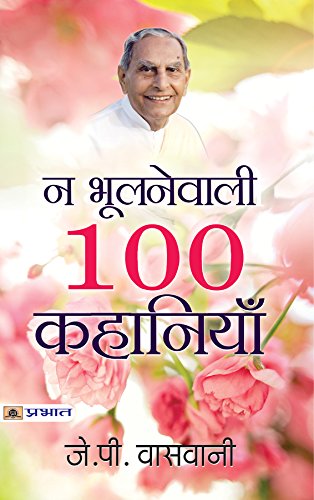
Na Bhoolanewali 100 Kahaniyan
- Author Name:
J.P. Vaswani
- Book Type:
- Description:
दादा जे.पी. वासवानी हमेशा से उत्कृष्ट किस्सागो रहे हैं। उनकी अनौपचारिक वार्त्ताओं, प्रवचनों और पुस्तकों में भी पुराणों की कहानियाँ बहुतायत से बिखरी होती हैं, ताकि वे उन बातों को सुस्पष्ट कर सकें, जिन्हें वे चाहते हैं कि हम आत्मसात् कर लें। ये कहानियाँ इतनी यादगार हैं कि एक लंबे समय तक हमारे दिलों में बसी रहती हैं तथा उन संदेशों या जीवन-मूल्यों को हृदयंगम करने में हमारी मदद करती हैं, जिन्हें दादा ने इतने रचनात्मक रूप में हमारे सामने रखा है। इस पुस्तक में, पूज्य दादा की वार्त्ताओं और पुस्तकों से चुनी हुई एक सौ कहानियाँ संगृहीत हैं। प्रत्येक कहानी के साथ आपके द्वारा मनन करने के लिए आदरणीय दादा का या उनका पसंदीदा विचार तथा एक पुस्तक के रूप में व्यावहारिक अभ्यास भी दिया गया है, जो दादा की अपनी विशेषता है, जिसका अनुसरण करके आप लाभान्वित हो सकते हैं। न भूलनेवाली एक सौ रोचक-ज्ञानवर्धक कहानियों का प्रेरणादायक संग्रह।
Is Hamam mein
- Author Name:
Chitra Mudgal
- Book Type:
- Description:
कहानी को लेकर होनेवाली तमाम चर्चाओं को ध्यान में रखा जाए तो यह विश्वास करना पड़ेगा कि किसी के लिए कहानी केवल भाषा है, किसी के लिए केवल स्थिति चित्रण, कुछ के लिए केवल विचार है तो कुछ के लिए सिर्फ संवेदनाओं का अभिलेख। हरेक के अपने-अपने प्रवर्तक और समर्थक हैं, जो कभी इसे तो कभी उसे कहानी का शिखर घोषित करते रहते हैं। अपने उत्साह में वे यह भुला देते हैं कि कथा साहित्य के व्यापक कैनवस पर अलग-अलग रंगों के रूप में तो उनका कुछ महत्त्व हो सकता है, लेकिन किसी एक को ही कहानी का सर्वोच्च पैमाना नहीं बनाया जा सकता। अर्थरहित भाषा का झुनझुना कब तक बज सकता है, या जीवन-स्थितियों से रहित संवेदना का या संवेदनाविहीन जीवन-स्थितियों का क्या अर्थ है? बहुत से रचनाकार ऐसे हैं, जो प्रचलित मुहावरों और फैशनों से अप्रभावित रहते हुए इस बात के प्रति सचेत हैं कि कहानी वह सबकुछ है और इन सबसे मिलकर बनती है। चित्रा मुद्गल इन्हीं सचेत दृष्टि सम्पन्न रचनाकारों में हैं। उनकी कहानियों का मुख्य सरोकार समकालीन जीवन-स्थितियों में मनुष्य के भीतरी संसार का उद्घाटन है। लेकिन यह भीतरी कशमकश भी बदलते जीवन-परिवेश का आत्मीय ब्योरों और कलात्मक नजर के साथ अंकन भी करती चलती है। इस तरह ये इकहरी अभिव्यक्ति की कहानियाँ न होकर कई स्तरों पर प्रभावित करनेवाली कहानियाँ हैं। ये कहानियाँ मानवीय सम्बन्धों की आन्तरिक जटिलताओं का अंकन पात्रों को उनके परिवेश से काटकर शिमला या कश्मीर के डाकबँगलों में ले जाकर नहीं, बल्कि उनके दैनन्दिन जीवन के संघर्षों के बीच, सामाजिक व्यवस्था की पृष्ठभूमि में करती हैं, जहाँ रोजी-रोटी का संघर्ष भी है और पारिवारिक परम्पराओं तथा जीवन की रूढ़ स्थितियों से टकराव भी। —रमाकान्त

Aaj Ki Taaza Khabar
- Author Name:
Rajendra Mohan Bhatnagar
- Book Type:
- Description:
ये मेरी नहीं, हजारों हजार उन लोगों की कहानियाँ हैं, जिन्होंने इन कहानियों को जिया है, पर जो उन्हें लिख नहीं सके। इन कहानियों में अबूझे जन अपने को भूले-भटके तलाशते मन और उदासी में तल्लीनता ढूँढ़ते क्षण स्वयं से संवाद कर उठे हैं।वे रहें या न रहें, परंतु उनकी इन यादों में अकेली साँझ, मौन में सोई सुबह और पत्थर कूटती दोपहरी चुपचाप बतियाती, आपबीती सुनाती जब-तब जरूर दस्तक देती जान पड़ेगी। विलुप्त होती जा रही इनसानियत, रास्ता भटकी धूप-छाँव, वैश्विक समाज की छिन्न-भिन्न होती आवरण गाथा एवं उद्वेलित होती नृशंसता पुनः आत्म-चेतना की झिलमिल रोशनी में अपने आपको पहचानने की दावत देती है।

Aadhi Duniya
- Author Name:
Rashmi Gaur
- Book Type:
- Description:
प्रस्तुत कहानी-संग्रह की कहानियों में जीवन के विभिन्न रंग दृष्टिगत होते हैं। ‘आधी दुनिया’ में रत्ना की समाज-सेवा की लगन, एक मजबूर औरत की अरथी उठने का दर्द उन समाज-सेवी संस्थानों पर व्यंग्य है, जो एक विशेष आभिजात्य वर्ग की महिलाओं के लिए केवल फैशन परेड और विदेशों में घूमने का साधन बनी हुई हैं। जहाँ ‘कान खिंचाई’ में बच्चे बहादुरी का मीठा फल चख पाएँगे वहीं ‘लगन’ में विपरीत परिस्थितियों में भी लक्ष्य-प्राप्ति का संकल्प। ‘घोंसला’ में टूटते समाज में एकाकीपन का दर्द है तो ‘औलाद’ में अपने वतन में बसने की हौंस। इस प्रकार, नव रंगों में रची ये कहानियाँ अपनी कारुणिकता, मार्मिकता व रोचकता से पाठकों को एक नई दृष्टि देती हैं।

Rafu Wali Saree
- Author Name:
Dakshineshwar Rai Renu
- Book Type:
- Description:
ग्रामीण, क़स्बाई और शहरी जीवन के सुख-दुख की ये कहानियाँ अपने भाषिक प्रवाह के लिए ख़ासतौर पर प्रभावित करती हैं। कहीं छोटे और कहीं बड़े अपने कलेवर में जीवन का एक सम्पूर्ण चित्र सम्भव करती हुईं ये कहानियाँ देर तक हमारी स्मृति में बनी रहती हैं। शीर्षक कथा ‘रफू वाली साड़ी’ के अलावा ‘एक टुकड़ा प्रेम’, ‘किस्मत का खेल’, ‘भला कीजिए भला होगा’, ‘मोहिनी’, ‘पिता’ और ‘भला-बुरा’ आदि संग्रह की लगभग सभी कहानियाँ निम्न तथा मध्यवर्गीय भारतीय जीवन के किसी न किसी महत्त्वपूर्ण पहलू को उजागर करती हैं। यह कथाकार का कौशल है कि अपनी कहानी के फ़्रेम में वे मनुष्य-जीवन के कई पहलुओं को एक साथ रेखांकित करते हुए चलते हैं। ‘चुनावी यात्रा’ शीर्षक कहानी इसका अच्छा उदाहरण है जिसमें आम जन-जीवन से जुड़ी कितनी ही समस्याओं को छूते हुए कथाकार बेरोजगारी, किसानों की बदहाली, काम के लिए दूर-दराज के क्षेत्रों में पलायन की विडम्बना को दिखाते हुए नई पीढ़ी में राजनीतिक सजगता के अभाव की ओर भी इशारा करती है। एक पठनीय कथा-संग्रह।

Janane ki Batein (Vol. 8)
- Author Name:
Deviprasad Chattopadhyay +1
- Book Type:
- Description:
Janane ki Batein Vol. 8 about Fiction: Stories

Naye Daur Ki Prerak Kahaniyan
- Author Name:
Jps Jolly
- Book Type:
- Description:
आज की इस प्रतिस्पर्धात्मक जिंदगी में स्वयं को जमाने से आगे रखने के लिए ज्ञान के साथ-साथ मानसिक बदलाव की भी आवशकता होती है। जो व्यक्ति ऐसा नहीं कर पाते, वो हर क्षेत्र में धीरे-धीरे पिछड़ने लगते हैं। ऐसे में प्रश्न यह उठता है कि जीवन में उत्साह बढ़ाने और जीत हासिल करने के लिए अपनी कार्यशैली में किस प्रकार से परिवर्तन लाया जाए, असल में हमारी जिंदगी की चाल भी नदी की तरह होती है। उसे भी कभी सीधा, कभी टेढ़ा, कभी ऊपर और कभी नीचे गिरना पड़ता है। इसी बात को ध्यान में रखते हुए इस पुस्तक में नए दौर की प्रेरक, ज्ञानवर्धक और मनोरंजक कहानियों का एक ऐसा सग्रंह तैयार किया गया है, जिससे आपको शानदार पैगाम मिलेंगे। साथ ही बदलाव की रौशन लौ आपके हौसलों को बुलंद करने के साथ लक्ष्य प्राप्ति में सहायक होगी। जैसे ही आप इस पुस्तक की कुछ कहानियाँ पढ़ना शुरू करेंगे आप को कुछ ही दिनों में यह अनुभव होने लगेगा कि आपके जीवन में जादुई करिश्मे होने लगे हैं। इतना सा प्रयोग करते ही आपको यह अनुभूति होने लगेगी कि आपके पास वो हुनर आ गया है, जिससे आप हर वो कार्य भी आसानी से कर सकते हैं, जो कल तक असभंव लगते थे। जौली अंकल द्वारा लिखी हुई नए दौर की प्रेरक कहानियों को करीब से समझते ही एक ओर जहाँ आपका हर ख्वाब हकीकत बनने लगेगा, वहीं आपका सारा जीवन उत्साह, उमंग और तरंग से भर जाएगा।

Jadui Chashmen
- Author Name:
Dr. Manjari Shukla
- Book Type:
- Description:
डॉ मंजरी शुक्ला की पठनीय और शिक्षाप्रद बाल-कहानियों का संग्रह है 'जादुई चश्में' 'जादुई चश्में' लेखिका डॉ मंजरी शुक्ला का कहानी संग्रह है। इसमें लेखिका की चौदह कहानियों को संकलित किया गया है। कहानियाँ रोचक है और बच्चों को पढ़ने के लिए दी जा सकती हैं या इन्हें उन्हें पढ़कर सुनाया जा सकता है:

Ulata Latka Raja
- Author Name:
Smt. Sudha Murty
- Book Type:
- Description:
क्या आप जानते हैं कि एक समय था, जब भालू बोलते थे, चाँद हँसता था और शिशु मछली के पेट में पाए जाते थे? क्या आपने कभी हजार भुजाओं वाले व्यक्ति को देखा है? इस संग्रह की कहानियाँ भगवान् विष्णु के दो सबसे प्रसिद्ध अवतारों—राम और कृष्ण—तथा उनके वंश के इर्द-गिर्द घूमती हैं। दोनों के ही विषय में अनगिनत कहानियाँ हैं, लेकिन वर्तमान पीढ़ी के दिल और दिमाग से उनमें से अधिकांश लुप्त होती जा रही हैं। लोकप्रिय लेखिका सुधा मूर्ति आपको एक मंत्रमुग्ध कर देनेवाली यात्रा पर ले जा रही हैं, और इस दौरान आपको उन दिनों के विषय में बताती हैं, जब राक्षस और देवता मनुष्यों के साथ रहते थे, जानवर बोला करते थे और देवी-देवता सामान्य लोगों को अद्भुत वरदान दिया करते थे। भारतीय पौराणिक कथाओं की रोचक प्रस्तुति।

Vo Chhappan Ghante Stories Book
- Author Name:
Neena Mishra
- Book Type:
- Description:
कहानी अपने रचयिता के जीवन का रस होती है। वह रस कभी मीठा तो कभी कसैला होता है। उस रस में वह अपनी कल्पनाओं, मूल्यों, आदर्शों और अपेक्षाओं को बूंद-बूँद टपकाकर बड़े एहतियात से कभी हजार तो कभी तीन-चार हजार शब्द लिखने के लिए स्याही तैयार करता है। पढ़ने की तीव्र लालसा थी तो पाँच बरस के होते-होते अक्षर पढ़ने सीख लिये। घर में पढ़ने-लिखने का माहौल था। सबसे छोटी होने के नाते जो पुस्तकें हाथ लगतीं, पढ़ जाती; कुछ पल्ले पड़तीं, कुछ पल्ले से झड़ जातीं, पर इस प्रक्रिया में भाषा से प्रेम हो गया। आगे जाकर जीवन के विविध अनुभवों के चलते लिखना शुरू किया। कभी गद्य तो कभी पद्य, कभी रिएक्शन तो कभी रिस्पॉन्स ! मेरे लिए कहानी लिखने की प्रक्रिया वैसी ही है, जैसे एक संगीतकार के लिए वाद्ययंत्र पर नई धुन निकालना। इसलिए कुछ कहानियाँ, जैसे 'वह जिंदा है' या 'सपेरा' कुछ घंटों में लिख गईं तो कुछ रचनाओं, जैसे 'राधेश्याम' ने कुछ हफ्ते लिये। 'सलेटी' और 'मरीचिका' की गर्भावधि महीनों या बरसों की रही। आशा है, मेरी कहानियों में मौजूद पृष्ठभूमि की भिन्नता, चरित्रों की विशिष्टता और बदलती कथन-शैली आपको पृष्ठ के बाद पृष्ठ पलटने को प्रेरित करेगी।

Yenangvikarh
- Author Name:
Smt. Meera Jaiswal
- Book Type:
- Description:
मीरा जायसवाल का बचपन और किशोरावस्था उत्तर प्रदेश के कस्बे, शहरों और गंगा की लहरों पर किलोल करते हुए बीता। उनकी रगों में कस्बाई भाषा, संस्कृति, मुहावरे और कजरी बसी हैं। बंसीलाल, अनंतलाल, प्रकाशवती, लता, स्वर्णा और नन्ही फूआ इसी मिट्टी से जुड़े किरदार हैं। नन्ही फूआ की बाल-सुलभ नादानी या बाल-विवाह जैसी कुरीतियों के कारण अच्छे दिनों ने साथ भले ही छोड़ दिया हो, पर कभी न खत्म होनेवाला पश्चात्ताप हमेशा उनका सहचर बना रहा। बंशीलाल, अनंतलाल, प्रकाशवती ऐसे किरदार हैं, जिन्होंने विलायत से उच्च शिक्षा प्राप्त की। सभी प्रतिष्ठित और धनाढ्य वर्ग के इन किरदारों के निजी जीवन का बदरंग चेहरा भी इसी कस्बाई मिट्टी से गढ़ा है। दीर्घायु और खिलाड़ी के जीवन का नीरजा के व्यक्तित्व पर इतना गहरा असर पड़ा कि जीवन भर बात-बात पर कहकहे लगानेवाली, लेकिन किसी भी प्रेमपत्र को देखकर आपे से बाहर हो जानेवाली उनकी अविश्वसनीय एवं नितांत विरोधी प्रवृत्ति लोगों की समझ से परे थी। स्विट्जरलैंड में रहने के बाद मीरा जायसवाल को फ्रेंच, जर्मन, इटैलियन और बेनेजुयेलियन संस्कृति को भी देखने-जानने का अवसर मिला। फ्रोसुआ, इसी स्विट्जरलैंड के रनो शहर के इर्द-गिर्द बसा एक किरदार है। अपने निष्कलुष, निश्छल और बाल-सुलभ चरित्र के बाँकपन के साथ वह भी यहाँ उपस्थित है। ‘येनांगविकारः’ कहानी किन्नरों के जीवन की उन परतों को उधेड़ती है, जिनसे हम कभी रूबरू हुए ही नहीं। इस कहानी के किरदार लता और मोहित उन अपराधों का दंड भुगत रहे हैं, जो उन्होंने किया ही नहीं, जबकि स्वर्णा अपनी झोली में आए उस अप्रत्याशित हर्ष के साथ हैं, जो किसी किन्नर के लिए अकल्पनीय है। अनुक्रम भूमिका—7 आभार—9 1. येनांगविकार: 2. सजनवा बैरी हो गए हमार—41 3. जोड़ियाँ जग थोड़ियाँ —64 4. समरथ को नहिं दोष गुसाईं?—80 5. मेरा सिनेमाई खत—99 6. सफरगाथा गोलगप्पों की —130 7. मिशियो फ्रोंसुआ शोजों —137 8. सराहना तेरो कितनो नाम!—156

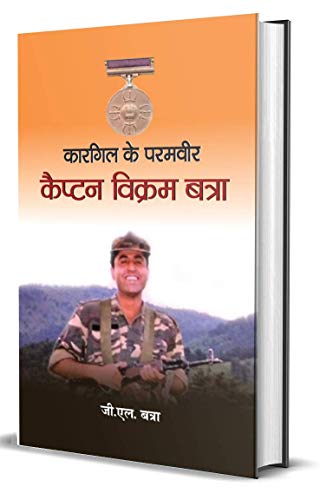
Kargil Ke Paramvir Captain Vikram Batra
- Author Name:
G.L. Batra
- Book Type:
- Description:
मैं या तो जीत का भारतीय तिरंगा लहराकर लौटूँगा या उसमें लिपटा हुआ आऊँगा, पर इतना निश्चित है कि मैं आऊँगा जरूर।’ कैप्टन बत्रा ने अपने साथी को यह कहकर किनारे धकेल दिया कि तुम्हें अपने परिवार की देखभाल करनी है और अपने सीने पर गोलियाँ झेल गए। कैप्टन बत्रा 7 जुलाई, 1999 को कारगिल युद्ध में अपने देश के लिए लड़ते हुए वीरगति को प्राप्त हुए। बेहद कठिन चुनौतियों और दुर्गम इलाके के बावजूद, विक्रम ने असाधारण व्यक्तिगत वीरता तथा नेतृत्व का परिचय देते हुए पॉइंट 5140 और 4875 पर फिर से कब्जा जमाया। उन्हें मरणोपरांत परमवीर चक्र से सम्मानित किया गया। विक्रम मात्र 24 वर्ष के थे। ‘कारगिल के परमवीर : कैप्टन विक्रम बत्रा’ में उनके पिताजी जी.एल. बत्रा ने अपने बेटे के जीवन की प्रेरणाप्रद घटनाओं का वर्णन किया है और उनकी यादों को फिर से ताजा किया है। उन्होंने आनेवाली पीढि़यों में जोश भरने और वर्दी धारण करनेवाले पुरुषों के कठोर जीवन का उल्लेख भी किया है।
Kabhi Basant, Kabhi Patjhad
- Author Name:
Tara Meerchandani
- Book Type:
- Description:
भावना, तुम्हारा फोन।’’ भावना उस समय कॉलेज जाने के लिए साड़ी पहन रही थी, उसने आश्चर्य से पूछा, ‘‘किस का फोन है?’’ ‘‘तुम्हारे किसी विद्यार्थी।’’ मिस्टर अजवाणी ने उत्तर दिया। भावना ने शीघ्रता से साड़ी पहनी, टेलीफोन का रिसीवर उठाया, ‘‘हैलो।’’ ‘‘दीदी!’’ स्वर में घबराहट थी। ‘‘कहो अरुणा।’’ ‘‘दीदी, क्या आप नाटक में भाग नहीं लेंगी?’’ ‘‘किसने कहा तुम्हें?’’ भावना ने पूछा। ‘‘आपके पति, राजाणी अंकल को कह रहे थे।’’ ‘‘यह हो नहीं सकता।’’ ‘‘सच दीदी, कल रात ही राजाणी अंकल आपके घर आए थे, आप सोई हुई थीं। मिस्टर अजवाणी ने उससे कहा कि आपकी तबीयत ठीक नहीं है, इसलिए उन्होंने उसको आपसे मिलने नहीं दिया और उससे यह भी कहा कि आप नाटक में भाग नहीं लेंगी और उन्होंने राजाणी अंकल को आप से मिलने के लिए भी मना कर दिया है।’’ —इसी संग्रह से मानवीय संबंधों पर केंद्रित ये कहानियाँ और उनका कथानक पाठकों को अपने बीच का ही लगेगा। ये पठनीय कहानियाँ आज के भागमभाग वाले जीवन में सुकून देंगी, शीतलता का अहसास देंगी।

Customer Reviews
29/01/2023
Azmi Azim
Okay before i start talking about the book, I wanna tell all the readers about this app I got the book from it's called ' Rachnaye ' just the perfect name for a bookish store✨ So, you find really good titles at reasonable prices, in many different languages. And if you want any book you email them and they'll surely add the book! So do download the app and check it out, it's a really nice app if you ask me✨ ✨So towards the book, 🥀Name- Jashn An Avakening 🥀Author- @geetikakbakshi 🥀Publisher- @inkfeatherspublishing 🥀Rating- 3/5⭐ 🥀Review--- 🥀'JASHN: AN AVAKENING ' is a novel comprising of many short stories of different genre✨ 🥀Humor, mystery, romance, chick lit and what not! I found so much in this book and was so exited. Isn't it weird how a little book, of few pages contains so many worlds and can make the reader feel a load of emotions✨ 🥀Although, I'd say this book might lack a bit of connection between the reader and story. Like when I read a good book, I'm lost in it. I'm intrigued, I'm having that connection with it and bits of it remains with me forever✨ 🥀Maybe this book wasn't that impacting, cause me as a person who reads mid exams cause the book is nice was like okay, this was a good story but what is left? I think this can be fixed, if the stories were a bit long. I understand the meaning of short stories, but what's written in the book is too fast paced! Other than this, it kinda was a relaxing book✨ ~Azmi✨
Jashn - An Awakening is a collection built on a simple, uncomfortable premise: some struggles in Indian society are not permitted the language of illness. Through the voice of Shubhavi, a woman living with kleptomania, the book confronts what it means to carry a condition that grants you neither sympathy nor treatment—only suspicion. Where alcoholism and drug addiction receive the grace of counselling, her compulsion condemns her to a lifetime of surveillance, whispers, cross-checked dates, and erased trust. This is not a book about redemption arcs or moral victories; it is an anatomy of invisibility—the kind that comes when your truth has no place in polite conversation. The prose is direct, stripped of ornament, and unafraid to let shame sit on the page without解 resolution. Jashn asks its readers to sit with discomfort, to witness the gap between what we treat as forgivable and what we exile to silence.
What kind of reading experience will this book give me?
This book offers a raw, confrontational reading experience that refuses to comfort. The emotional tone is unsettling and introspective, built around voices that speak truths Indian society typically silences. The pace is intimate and deliberate, lingering on shame, judgment, and the psychological cost of invisibility. It rewards readers who can sit with moral ambiguity and emotional discomfort without demanding resolution. The feeling it leaves behind is less catharsis and more a quiet, persistent unease—a recognition of how easily we exile those whose struggles we refuse to name.
Who is this book best suited for, and what does it expect of its reader?
- Readers interested in mental health narratives that challenge India's selective compassion for certain illnesses over others.
- Those who value character-driven fiction over plot momentum, willing to inhabit a narrator's internal world without external drama.
- Readers comfortable with moral complexity—characters who are neither villains nor victims, but people navigating conditions society refuses to legitimize.
- Anyone curious about the social psychology of stigma in contemporary Indian middle-class life.
What is the cultural significance of kleptomania and stigma to Indian readers today?
In contemporary India, mental health discourse has expanded—but selectively. Conditions like depression and anxiety are gaining acceptance, while compulsive disorders like kleptomania remain criminalized in the public imagination. This book captures a crucial blind spot: how Indian society grants empathy to some struggles while condemning others to permanent suspicion. The cultural resonance lies in its exposure of middle-class morality—the way respectability depends on policing who deserves understanding and who deserves exile. It speaks to anyone who has ever felt their truth was unspeakable.
What makes this author's treatment of shame and judgment distinctive?
The author refuses the redemption narrative that typically cushions such stories. There is no therapeutic breakthrough, no moment where society softens or the character is healed into acceptability. Instead, the treatment is documentary in its honesty—Shubhavi's voice is allowed to exist without justification or apology. The prose does not prettify shame or make it digestible; it presents the condition as a chronic reality, not a plot obstacle. This refusal to console or resolve is what makes the work feel urgent and uncomfortably real.
What does this book leave the reader with long after they finish it?
It leaves a persistent discomfort about the boundaries of empathy—an awareness of how quickly we decide who deserves understanding and who does not. Emotionally, it implants the narrator's voice: the quiet conviction that some truths can never be spoken aloud in Indian society without consequence. Intellectually, it challenges readers to examine their own thresholds of judgment. Culturally, it lingers as a reminder of the invisible exiles among us—people living under permanent suspicion, stripped of the right to be believed or forgiven.