
The King of Rimes
₹
99
84.15 (15% off)
Unavailable
After being born as dawn unto his own self, the Lebanese Nightingale sings again, this time with a more vibrant and echoing voice. “The King of Rimes” is merely a mixture of the poet’s self-worth and his experimental literary perspectives speaking to the core of life and death. Including the first thirty sonnets following the Shakespearean model, and many more selected poems and quotes, this book is both an expression and a work of art.
Read moreFormat:
About the Book
After being born as dawn unto his own self, the Lebanese Nightingale sings again, this time with a more vibrant and echoing voice.
“The King of Rimes” is merely a mixture of the poet’s self-worth and his experimental literary perspectives speaking to the core of life and death.
Including the first thirty sonnets following the Shakespearean model, and many more selected poems and quotes, this book is both an expression and a work of art.
Book Details
Betarteeb - Weekend Wali Kavita
- Author Name:
Vinod Dubey
- Book Type:

- Description:
सुबह का वक़्त कपालभांति में गुज़ारा, तो चाय पर पत्नी के विचार छूट गए। कॉर्नफ़्लेक्स और फ़्रूट प्लेट में रखे, तो आलू के परांठे और नींबू के अचार छूट गए। न ज़िन्दगी की ये छोटी-बड़ी उलझने बदलती हैं, ना हम बदलते है। कविताएँ बस इन्हें देखने का नज़रियाँ बदल देती हैं। लाख योजनाओं के बावज़ूद जैसे हम अस्त-व्यस्त-सी ज़िन्दगी जीते हैं, ठीक उसी तरह इस संग्रह की कविताएँ भी बेतरतीब विषयों पर लिखी गयी हैं। कई बार हमारी रोज़मर्रा की ज़िन्दगी बिलकुल नीरस हो जाती है, जैसे जेठ की दुपहरी में सड़क पर लावारिस पड़ा टीन का डिब्बा। इसी ज़िन्दगी से निकली इन कविताओं को फुर्सत के पलों में पढ़ियेगा, क्या पता उस जेठ की नीरसता को बसंत की नज़र लग जाए।

Songs of Life (Collection of Poems)
- Author Name:
Dr. A.P.J. Abdul Kalam
- Book Type:
- Description:
The Songs of Life is presented with selected poems from my books of poem Life Tree, Luminous Sparks and My Journey and also some of my new poems. The purpose of this Songs of Life is to celebrate the human life. In spite of many sufferings all around, God has blessed us with his grace in multiple dimensions of nature smiling at us. Hence, Songs of Life is the Song of every heart and soul in happiness and, in sorrow. The result of the poems should be to cheer our hearts.

Herstory
- Author Name:
Neha Bansal
- Book Type:
- Description:
Herstory is a new collection of poems by Neha Bansal, a civil servant, providing a fresh perspective on the lives of others.

Chand Ki Vartani
- Author Name:
Rajesh Joshi
- Book Type:
- Description:
राजेश जोशी का यह कविता-संग्रह हिन्दी कविता का एक नया शिखर है। तीन दशकों से भी अधिक की काव्य-साधना एवं जीवन के लगभग साठ वसन्तों की हरीतिमा से दीप्त यह संग्रह अनेक स्वरों का विलक्षण पुंज है। राजेश ने न केवल अपने को बदला है, बल्कि अपने को बदलते हुए समस्त समकालीन काव्य में सर्वथा नए घूर्ण उत्पन्न कर दिए हैं। वे सारे गुण और स्वाद जिनके लिए राजेश जोशी जाने और माने जाते हैं, यहाँ अपनी पूर्णता एवं सौष्ठव के साथ उपस्थित हैं, साथ ही बहुत कुछ ऐसा भी है जो नितान्त अप्रत्याशित पर आह्लादकारी है और वह है जीवन को उसकी जटिलता में जाकर देखने का उपक्रम, सभी तहों-परतों को उलट-पुलट अनुभव के नामिक तक उत्खनन का धैर्य—‘दिखने में जो अक्सर आसान से दिखते हैं एक कवि को करने होते हैं ऐसे कई पेचीदा काम’। और इसके लिए राजेश तदनुरूप भाषा की खोज भी करते हैं, बनी-बनाई भाषिक आदतों को छोड़ते हुए वह अभिव्यक्ति के ख़तरे उठाते हैं—‘ताप से भरे शब्दों’ को ढूँढ़ते दूर बीहड़ में जाते हैं और ‘आँसुओं के लिए’ भी ढूँढ़ लाते हैं वैसे ही ‘पारदर्शी शब्द’। राजेश की कविता हमारे समय का ऐसा संघनित दस्तावेज़ है कि केवल उसके आधार पर हम समकालीन भारत का एक दृश्य-लेख बना सकते हैं। इतने तात्कालिक ब्योरे हैं यहाँ, इतने प्रसंग, पात्र और राजनीतिक-सामाजिक उद्वेलन। साथ ही उनकी कविता जीवन के उन तन्तुओं की खोज करती है जहाँ उन उद्वेलनों का कम्प सबसे तीव्र है, और उन लोगों का यशोगान करती है जो निरन्तर संघर्ष करते हुए जीवन को बदलने का ताब रखते हैं। उनकी कविता साहस के साथ सत्ता के सभी पायदानों पर वार करती है, एक विराट सत्ता जो अर्थव्यवस्था से लेकर हमारी रसोई तक व्याप्त है। नागार्जुन और धूमिल के बाद सत्ता के तिलिस्म को उघाड़नेवाले सर्वाधिक सशक्त कवि राजेशी जोशी हैं। आख्यान, कथोपकथन, लोक-कथाओं के स्वप्न-वृत्तान्त, जातीय मिथक, अतियथार्थ के खम, सपाटबयानी, शब्दों के खेल और कल्पना-क्रीड़ा, फंतासी सब कुछ मिलकर एक नया रसायन बनाते हैं जो अन्यत्र दुलर्भ है। राजेश की कविता अब भाषा के नए उपकरणों एवं आयुधों का व्यवहार करती है तथा कविता को वहाँ ले जाती है जहाँ भाषा ‘अर्थ से अधिक अभिप्रायों में निवास करती है’। यह ठोस जगत् की, ठोस जीवन की कविता है उर्फ़ चाँद की वर्तनी नीले नभ पर। — अरुण कमल

Ranjish Hi Sahi
- Author Name:
Ahmed Faraz
- Book Type:
- Description:
In the present book “Ranjish Hi Sahi,” the selected works present the image of a multidimensional poet—one who is at once romantic, neo-classical, modern, and rebellious. Through his poetry, Faraz not only highlights the delicate aspects of love but also offers a deep insight into the political and social conditions of his time. This is why his voice does not remain confined to personal emotions; rather, it becomes a reflection of collective consciousness.This book clearly establishes Faraz’s unique position in Urdu poetry. His style is simple yet powerful, combining emotional intensity with depth of thought. “Ranjish Hi Sahi” not only portrays the many shades of love but also compels the reader to reflect—and that is its greatest strength.

Yah Mera Hi Ansh Hai
- Author Name:
Ravindra Bharti
- Book Type:
- Description:
रवीन्द्र भारती की कविताओं में चारों ओर की वास्तविकताओं से मनुष्य के लिए रचनात्मक संस्कार खोजने की शक्ति दीखती है। अपनापे का यह अनुभव छायावादोत्तर रोमानी मिठास का नहीं, एक संघर्षरत मनुष्य के लौकिक-भौतिक प्रेम का अनुभव है। सबसे बड़ी बात तो यह है कि उनकी कविता उन दृश्यों को भी साकार कर देती है, जो उसमें लिखे नहीं गए, परन्तु छाया की भाँति इसके तथ्यों से निसृत हैं। कई आयामों को एक में समाहित कर सकने की यह सामर्थ्य आज की कविता में दुर्लभ ही है। रवीन्द्र भारती की कविताएँ गाँव, घर, खेत, लोग आदि सबके दृश्यमान यथार्थ के पीछे करुणा के आयामों को खोलती और सम्पूर्ण अनुभव के आयामों को गहरा करती हैं। आज के दौर में जहाँ सरल भाषा में दुरूह कविता खुलेआम स्वीकृत की जा रही है, वहाँ यह कवि सरल भाषा में गहराई का अन्वेषण कर रहा है और भावुकता को आत्मदया बनाने से बचता हुआ सहानुभूति को व्यापक अर्थ देकर काव्य-भाषा को समृद्ध कर रहा है। —रघुवीर सहाय; ‘रविवार’, 15-21 नवम्बर, 1987 रवीन्द्र भारती ने इतनी तीव्र और मर्मान्तक संवेदना से अपने अनुभवों को जो काव्यात्मक अभिव्यक्ति दी है, उसने मुझे बराबर प्रभावित किया है। गाँव के अनुभवों की जो सम्पदा आप अपने भीतर समोए हैं, वह अथाह जान पड़ती हैं—और जब उनमें से कुछ को चुनकर अभिव्यक्त करते हैं—बिलकुल अपने निजी मुहावरे में तो लोग, लैंडस्केप और चारों तरफ़ की पीड़ा का प्रदेश आलोकित हो उठता है। —निर्मल वर्मा; पत्रांश, 10.5.1981

Bagh Duhne Ka Kaushal
- Author Name:
Raman Kumar Singh
- Book Type:
- Description:
हिन्दी की समकालीन कविता में कुछ समय से आए बदलाव अभी ठीक से परिभाषित नहीं किए गए हैं, लेकिन यह निर्विवाद है कि वह काव्य-पीढ़ियों से आगे की, जीवन के ज़्यादा विस्तारों को देखती-पहचानती हुई कविता है। अपने पूर्वज कवियों का विवेक उसके अनुभव-संसार में उपस्थित है लेकिन उसकी संवेदना बिलकुल नई और अपनी है। इस संवेदना में यह जानने की बेचैनी है कि समाज, मानव-सम्बन्ध और राजनीति में हमने क्या-क्या खोया है, कौन-सी दुनियाएँ हमसे छूट गई हैं और हमारी मूलभूमि का, हमारी स्थानीयता का क्या हाल है। आश्चर्य नहीं कि रमण कुमार सिंह अपने पहले कविता-संग्रह ‘बाघ दुहने का कौशल’ की ज़्यादातर कविताओं में बार-बार उस जीवन को जाँचते-परखते लौटते हैं जो हमारे पीछे रह गया है और जिसकी जर्जरता और उदासी हमारा पीछा करती रहती है। एक सहज, गँवई यथार्थ और उसका जादू जो अब हमारा अतीत है और हमारे सामने फैले शहरी निम्न-मध्यवर्गीय यथार्थ के आपसी तनाव भी इन कविताओं की अन्तर्वस्तु बनाते हैं और उस ‘लुटेरे समय’ की छवियाँ उभारते हैं जो ‘दादी की लोरियों’ और ‘बुजुर्गों की लाठी’ से लेकर ‘आकाश की नीलिमा’ तक को छीन रहा है और जिसके प्रति विरोध दर्ज करना जरूरी है, अन्यथा वह हमारी अभिव्यक्ति को भी नष्ट कर दे सकता है। रमण कुमार सिंह की कविताओं में हमारे लोकजीवन का जर्जरित होता स्वरूप बहुत शिद्दत से व्यक्त हुआ है। वे एक तरफ उस संसार की बची-खुची चीजों, परम्पराओं और सम्बन्धों को कविता की स्थायी स्मृति की तरह बचा लेना चाहते हैं तो दूसरी तरफ उस युवक की बेचैनी के पास भी जाते हैं जो लोक में प्रवेश करते बाजार, टूटती चौपाल और डरावने हो रहे पनघट और राजनीति के सत्ता-समीकरणों का साक्षी है और इस यथार्थ को बदल पाने में असमर्थ है। ‘गुजरे हुए बाबा से संवाद’ इसी तरह की एक मार्मिक कविता है जिसमें आज की पीढ़ी का एक प्रतिनिधि अपने पूर्वज को ग्रामीण संस्कृति का मौजूदा हाल सुनाते हुए उस सपने के बारे में पूछता है जिसे देखते-देखते वे अन्ततः सो गए थे। गौरतलब यह है कि यथार्थ बदल रहा है लेकिन स्वप्न भी जीवित है। दरअसल रमण की कविता उम्मीद और नाउम्मीद के बीच कई तरह के रिश्तों की पहचान की दस्तावेज है और कई बार वे ‘देश-परदेस’ को भी इसी रूप में पहचानते हैं। ‘बाघ दुहने का कौशल’ की रचनाएँ हमें उस सरल और मासूम संसार में ले जाती हैं जो वास्तविकता में टूट रहा है, लेकिन हमारे स्वप्नों में साबुत है। भाषा की ताज़गी और शिल्प की लोक-लय के साथ गँवई-शहरी जीवन के विकल रूप रमण की कविताओं के केन्द्रीय बयान हैं जिनमें संवेदना की स्थानिकता का संगीत भी सुनाई देता है। —मंगलेश डबराल

Kisi Rang Ki Chhaya
- Author Name:
Sunder Chand Thakur
- Book Type:
- Description:
सुन्दर चन्द ठाकुर का पहला कविता-संग्रह ‘किसी रंग की छाया’ अनुभव-सघनता और भाषाई-सजगता दोनों स्तरों पर एक कवि की बुनियादी बेचैनी को दर्ज करता है। सुन्दर की ये कविताएँ संख्या में अट्ठावन हैं लेकिन उनके सरोकारों को गिनना कठिन है। वे स्वाभाविक तौर पर प्रेम, अच्छाई, मनुष्यता और एक बेहतर संसार को तरह-तरह से प्रकट करती हैं या उनके कम होते जाने या न होने का शोक मनाती हैं, जहाँ उनके होने की जरा भी सम्भावना बची हो। यह अकारण नहीं है कि सुन्दर अपनी कविता में बचपन, नींद, घर-परिवार, नदी, जंगल, अभयारण्य आदि परिचित चीजों से होते हुए इतिहास, भूगोल, गणित, भौतिकी और गृह विज्ञान जैसे अपरिचित विषयों तक चले जाते हैं और उनके माध्यम से आज की किसी न किसी मानवीय परिस्थिति पर टिप्पणी करते हैं जो हमारे अन्तस को झकझोरते हुए एक नयी सम्वेदना से भी हमारा परिचय कराती हैं। अपनी गहरी सम्वेदना, सजग दृष्टि और तीक्ष्ण अनुभूतियों के कारण सुन्दर चन्द ठाकुर नदी के भीतर ‘बहती हुई एक और नदी’ को पहचानते हैं और इतिहास के स्नानागारों में 'सदियों के सूखे हुए पानी' को भी तैरता देख लेते हैं। इस संग्रह की ज़्यादातर कविताओं में पहाड़ के आवेग और मैदान की थिरन को हम एक साथ महसूस कर सकते हैं जो शिल्प के स्तर पर कहीं न कहीं सोच की उड़ान और भाषा के संयम में रूपान्तरित हो जाती है। ‘किसी रंग की छाया’ में आशा और निराशा के बीच अनुभवों का एक पूरा वर्ण क्रम है और यह पहचानने की शिद्दत भरी कोशिश है कि वह रंग कौन-सा है और उसकी कैसी छाया है या यह कैसी छाया है और उसका कौन-सा रंग है। यही कोशिश एक सच्चे कवि की पहचान होती है।

Kavishree
- Author Name:
Ramdhari Singh Dinkar +1
- Book Type:
- Description:
कविश्री' रामधारी सिंह ‘दिनकर’ की ओजस्वी कविताओं का संग्रह है। कविताओं में प्रखर राष्ट्रवाद, प्रकृति के प्रति उत्कट प्रेम एवं मानव-कल्याण-कामना की मंगल-भावना के दर्शन होते हैं। 'कविश्री' में संगृहीत हैं दिनकर जी की 'हिमालय के प्रति', 'प्रभाती', 'व्याल विजय' एवं 'नया मनुष्य' जैसी प्रसिद्ध प्रदीर्घ कविताएँ, जो हिन्दी काव्य-साहित्य की अमूल्य निधि हैं। दिनकर का काव्य-व्यक्तित्व जिस दौर में निर्मित हुआ, वह राजसत्ता और शोषण के विरुद्ध हर मोर्चे पर संघर्ष का दौर था। इसलिए 'कविश्री' में संकलित रचनाओं को पढ़ना भारतीय स्वाधीनता-संग्राम में साहित्य के योगदान से भी परिचित होना है। अपने ऐतिहासिक महत्त्व के कारण पाठकों के लिए एक संग्रहणीय और अविस्मरणीय संग्रह।

Jab Har Hansi Sandigdh Thi
- Author Name:
Pragya Pathak +1
- Book Type:
- Description:
‘मैंने जिसे देश समझकर प्यार किया वह विचारों की क़त्लगाह था।’ अपने आक्रोश और असहमति में पराग पावन जितने युवा हैं, अन्याय और शोषण की संरचना को समझने में उतने ही वयस्क। उनके इस पहले संग्रह में शामिल कविताओं का भावात्मक और भाषिक वैविध्य बताता है कि एक विधा के रूप में कविता को उन्होंने जितनी गम्भीरता से लिया है, वैसा कम ही युवा कवि करते हैं। स्मृतियों में बसी ‘चूल्हे की राख’ से आरम्भ होकर ‘कथा कहूँ कवि गंग की’ शीर्षक एक सुदीर्घ आख्यानपरक कविता तक उठनेवाला यह संग्रह उन हत्यारों की पहचान भी करता है जो कभी आपकी अस्मिता तो कभी असमर्थता पर आक्रमण कर बिना हथियार ही आपको संसार से नफ़ी कर देते हैं; और उन प्रातिभ चापलूसों को भी दिखाता है जो ‘दुखी किसी-किसी को, ख़ुश अधिकांश को करते हुए’ सब कुछ को अपने अनुकूल करने में तल्लीन हैं। पराग जहाँ ज़रूरी समझते हैं व्यंग्य को और जहाँ ज़रूरी समझते हैं करुणा को उसकी पूरी सम्भावना के साथ प्रयोग करते हैं। व्यक्ति और व्यवस्था, दोनों जगह निहित ख़तरों की पर्याप्त पहचान उन्हें हैं—‘गाँव 2020’ का अतियथार्थ हो या उस अध्यापक को याद करना जिसे बताना पड़ता है कि ‘प्रेम आदमी का अवैतनिक चिकित्सक है।’ ‘बेरोज़गार’ शीर्षक पराग की बहुत चर्चित कविता-शृंखला के अलावा न्यायाकांक्षी युवा चेतना के और भी आयामों को रेखांकित करने वाली कविताएँ इस संग्रह में मिलेंगी, और एक नागरिक मन की उदासी भी जिसे कोई धोखा नहीं देता, सिवा उसकी उम्मीदों के। साथ ही प्रेम के कंधे पर कुहनी टिकाए खड़ी उम्मीद भी यहाँ है—जहाँ शाम ख़त्म होती है/रात वहीं से शुरू नहीं होती/रात शुरू होती है तुम्हारे मेरा बाज़ू पकड़ने से/और उस बेआवाज़ वाक्य से/कि थक गए हो/चलो, घर चलें।

Deshnama Gaonnama
- Author Name:
Devisharan +2
- Book Type:
- Description:
देवीशरण ठेठ आदमी हैं। वे अपने उपनाम ‘ग्रामीण’ को सार्थक करते हैं। गाँव का आदमी रूप, रंग और शृंगार की परवाह किये बिना अपनी मूल वस्तु के भरोसे जीवन जीता है। उसमें कुंठायें नहीं होतीं। आइने के सामने होकर वह फूलता नहीं। वह आदमी अपनी रचना के लिये जो भी चुनता है, वह उपयोग की प्रेरणा से बनती है। देवीशरण ‘ग्रामीण’ इसी प्रकृति की छाया में कविता, कहानी या गाँवनामा लिखते हैं। धूल, लाटा, चना, मजदूर, नदी-नाले, घर-छप्पर उनकी कविताओं के शीर्षक हैं। इन वस्तुओं के विश्लेषण के बजाय ‘ग्रामीण’ जी अपनी रचनाओं के द्वारा उनकी वस्तुओं से अपने अभिप्राय व्यक्त करते हैं। उनसे अपने मन की बात कहलवाते हैं। मानवीकरण करते हैं। इन वस्तुओं के प्रति अपना राग व्यक्त करते हैं। वे वस्तुओं को बुद्धि के आकाश में नहीं उड़ाते। वे आम आदमी को सम्बोधित करते रहते हैं। वे सिखाने-समझाने की प्रतिज्ञा से आगे बढ़ते हैं। देवीशरण जी की अपनी आस्था है। आस्था ऐसी जो मनुष्य की समानता के लिये प्रतिबद्ध है। और आगे कहें तो यह कि वे मार्क्सवाद पर भरोसा करते हैं। मार्क्सवाद की बुनियादी निष्पत्तियाँ उनके भावबोध का अंग बन गई हैं। वे स्वाभाविक सी हो गई हैं, उनके लिये। अतः रचनाओं का स्फुरण इसी आस्थाजन्य स्वाभाविक प्रक्रिया से होता है। ग्रामीण जी मानते हैं कि श्रमिकों की संगठित शक्ति अपराजेय होती है। वे अपनी अनेक कविताओं में इसे व्यक्त करते हैं। उनका कविता संसार जीवन का वास्तविक क्षेत्र है। वह ज्यादातर अभिधा में हैं। उसमें गहरा आशावाद है। इस तरह की निरलंकृत कविता जनता की प्राथमिक दीक्षा के काम आती है। जनता के भावों का सीधा-साझापन इसकी सबसे बड़ी विशेषता है। इन कविताओं की प्रासंगिकता लम्बे समय तक रहेगी। — कमला प्रसाद

Panchiyon Ka Sardar
- Author Name:
Sadeep Dwivedi
- Book Type:
- Description:
कौन है ‘पंछियों का सरदार' ‘पंछियों का सरदार’ इस संकलन की एक कविता का पात्र है, जो किसी जंगल के सारे पंछियों का नेता है, उनका मुखिया है। जिसका चरित्र कुछ ऐसा है कि वह किसी चुनौती से नही घबराता, उसे स्वीकारता है और डटकर सामना करता है। हिम्मत नहीं हारता । अब चूँकि मेरी यह पूरी पुस्तक चुनौतियों से लड़ने की, गिरकर उठने की और हार न मानने की पक्षधर है; यह हमारे भीतर इस पात्र की तरह दृष्टिकोण जागृत करने का प्रयास करती है तो मुझे लगा कि यह ‘पंछियों का सरदार’ इस पूरी पुस्तक का भी सरदार बन सकता है। इस विचार से मैंने पुस्तक के लिए यह शीर्षक चुना। तो यह थी ‘पंछियों का सरदार’ यह शीर्षक चुनने की कहानी। बाकी सार्थकता तो तब साबित होगी, जब यह 'पंछियों का सरदार आपके भीतर भी अपने जैसा साहस भर दे।

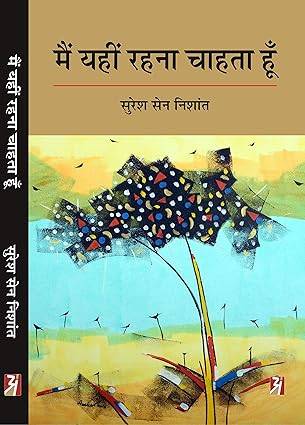
Main Yahin Rahna Chahta Hoon
- Author Name:
Suresh Sen Nishant
- Book Type:
- Description:
Collection of Poems
Dhoomil Ki Shreshth Kavitayan
- Author Name:
Brahma Dev Mishra +3
- Book Type:
- Description:
‘धूमिल की श्रेष्ठ कविताएँ’ अत्यन्त प्रखर और हिन्दी काव्य-जगत में नई हलचल पैदा करनेवाले सुदामा पाण्डेय ‘धूमिल’ की कविताओं का प्रथम सम्पादन है। एक लम्बी भूमिका के साथ सम्पादकों ने उनकी श्रेष्ठ कविताओं का चयन किया है, साथ ही भाषा के माध्यम से गाँव को शहर की होड़ में लानेवाले कवि की कविताओं पर संक्षिप्त टिप्पणी भी प्रस्तुत की है। लक्ष्य, धूमिल की अनगढ़ भाषा और नए मुहावरे को पाठकों तक सहजता से पहुँचाना है। सम्पादकों की दृष्टि में धूमिल का सर्जनात्मक व्यक्तित्व उनकी कविता में सक्रियता से मुखर है। ‘धूमिल को उनके कथ्य और भाषा के स्वीकृत स्वरूप के लिए जानना चाहिए, न कि प्रयोगात्मक शैलीकार के रूप में।’

Zameen Pak Rahi Hai
- Author Name:
Kedarnath Singh
- Book Type:
- Description:
केदार जी की कविताओं में व्यक्तिगत और सार्वजनीन, सूक्ष्म और स्थूल, शान्त और हिंस्र के बीच आवाजाही, तनाव और द्वन्द्वात्मकता लगातार देखी जा सकती है। ‘सूर्य’ कविता की पहली आठ या शायद नौ पंक्तियाँ कुहरे में धूप जैसा गुनगुना मूड तैयार करती ही हैं कि ‘ख़ूँख़ार चमक, आदमी का ख़ून, गंजा या मुस्तंड आदमी, सिर उठाने की यातना’ इस गीतात्मक मूड को जहाँ एक ओर नष्ट करते से लगते हैं वहाँ उसका कंट्रास्ट भी देते हैं। दुनिया की सबसे आश्चर्यजनक चीज़ रोटी ताप, गरिमा और गन्ध के साथ पक रही है। केदार जी चाहते तो इस मृदु चित्र को कुछ और पंक्तियों में ले जा सकते थे लेकिन शीघ्र ही रोटी एक झपट्टा मारनेवाली चीज़ में बदल जाती है और कवि आदिमानव के युग में पहुँच जाता है—वह कहता अवश्य है कि पकना लौटना नहीं है जड़ों की ओर, किन्तु रोटी का पकना उसे आदिम जड़ों की ओर ही ले जाता है। उसकी गरमाहट उसे नींद में जगा रही है, आदमी के विचारों तक पहुँच रही है और वह समझ रहा है कि रोटी भूखे आदमी की नींद में नहीं गिरेगी, बल्कि उसका शिकार करना होगा और यह समझना कविता लिखते हुए भी कविता लिखने की हिमाकत नहीं बल्कि आग की ओर इशारा करना है। केदार जी की कविताओं का अपनापन असन्दिग्ध है और वे कवि और कविताओं की भारी भीड़ में भी तुरन्त पहचानी जा सकती हैं।” —विष्णु खरे

Ek Janam Mein Sab
- Author Name:
Anita Verma
- Book Type:
- Description:
जिस जीवन के भीतर से चलकर अनीता वर्मा और उनकी कविताएँ हमारे पास आती हैं वह एकांगी या द्वि-आयामीय नहीं है, बल्कि वे उसके दुर्निवार वैविध्य को पहचानने, स्वीकारने और फिर उसे हमें देने की चुनौती और जोखिम उठाती हैं। वे हिंदी के उन बहुत कम रचनाकारों में हैं जो आत्म-मोह या आत्म-रति के परे अपनी अंदरूनी दुनिया का भी अन्वेषण करते हैं और उसे स्वपीड़न या सुखवाद की चाशनी में पाग कर पेश नहीं करते। अनीता वर्मा को ‘आत्मा’, ‘प्रेम’, ‘शून्य’, ‘चुंबन’, ‘यातना’, ‘विषाद’, ‘पवित्र’, ‘उजास’, ‘दुख’, ‘देह’, ‘रूप’, ‘मृत्यु’, ‘निराशा’, ‘स्पंदन’, ‘अनंत’, ‘वृंत’, ‘सिहरन’, ‘एकांत’, ‘छाया’, ‘स्पर्श’, ‘उदासी’, ‘प्राण’, ‘बेसुध’, ‘स्निग्ध’ जैसे आज की कविता से लगभग निर्वासित प्रत्ययों के हठीले और दुस्साहसिक इस्तेमाल से कोई गुरेज़ नहीं है जिनसे वे एक ऐसा भीतरी, निजी–एकांत नहीं–संसार बसाती हैं जिससे गुज़रते हुए कभी महादेवी-शिम्बोर्स्का जैसी कवयित्रियों की याद आती है तो कभी शमशेर-लोर्का की जटिल, ऐन्द्रिक बिम्बात्मकता की। उनकी ऐसी कविताओं में कोमल मानवीय भावनाओं और रिश्तों के कई संवेदनशील चित्र हैं लेकिन वे लगभग हमेशा भावुकता, दैन्य तथा आत्मावसाद से बच पाई हैं और उन्हें एक मननशील आत्माभिव्यक्ति में बदल सकी हैं। परिणामस्वरूप हिंदी को ‘प्रार्थना’, ‘प्रेम’, ‘व्यर्थ’, ‘अभी’, ‘भीतर’, ‘पानी के दरवाज़े’, ‘खेल’, ‘वह’, ‘विकलता’, ‘सुंदरता’, ‘अवसान’, ‘पृथ्वी के ऊपर’, ‘जुलाई’, ‘चुंबन’, ‘स्पर्श’, ‘लक्ष्यहीन’, ‘इसी तरह’ तथा ‘न बोलो’ जैसी अपूर्व रचनाएँ मिल पाई हैं जिनमें भावनाओं, विचारों, शब्दों, चित्रों, बिम्बों, संगीत तथा गीतिमयता का एक विस्मयकारी सामंजस्य नज़र आता है। चित्रांकन और बिम्बसृष्टि अनीता वर्मा को बहुत आकृष्ट करते लगते हैं और वे कभी-कभी अभिव्यक्तिवादियों-बिम्बवादियों-प्रतीकवादियों की तरह उनके तर्कातीत सौंदर्य के लिए एक निजी, स्वायत्त, परिष्कृत भाषा के प्रयोग का ख़तरा उठा लेती हैं और हिंदी की नई उद्रेक-क्षमता को उजागर करती हैं। लेकिन ऐसी कविता में हर्ष-विषाद तथा प्रेम की अनूठी, यथार्थ अभिव्यक्तियाँ भी हैं। ऐसी रचनाएँ ही कवयित्री को महत्त्वपूर्ण बनाने में अपर्याप्त न होतीं लेकिन उसकी निगाह केवल अभ्यंतर और व्यष्टि तक सीमित नहीं है, वह बाह्य विश्व और समष्टि को भी देखती है। यह इसी दृष्टिसम्पन्नता का परिणाम है कि अनीता वर्मा वान गॉग, दा विंची और रेन्वा की सुप्रसिद्ध कृतियों के चाक्षुष पक्ष को ही नहीं देखतीं, उनमें छिपी तकलीफ़देह कहानियों और जटिल ज़िंदगियों को भी पहचानती-महसूस करती हैं। कलाकृतियों के पीछे के समाज और जीवन को हिंदी कविता में इस तरह कम ही देखा गया है। इससे भी आगे, अनीता वर्मा को अपने आसपास ‘इसी समय’ चलते ‘कोमलता और दर्द के व्यापक संसार’ का पूरा भान है जिसमें नवजात शिशु हैं, पूँजी के भयावह व्यापार हैं, वहशियों के बीच चीख़ती स्त्री है, ईर्ष्या, लालच और मासूम सपने हैं, मृत्यु की परछाइयों से परे हँसी और प्रेम हैं। यह दृष्टि महज़ एक ‘टूटता मकान’ नहीं देखती, उसके गिरते अतीत, भयानक भविष्य, मज़दूरों, भिखारियों, जानवरों तथा उस घर की गृहिणी को भी देखती है जिसकी ईंटें ले जाने के लिए अब एक ट्रक रात गये आता है। ‘घर’ में कवयित्री आज के बसेरे से शुरू कर आदिम आसरों तक जाती है, सारी पृथ्वी को निवास की तरह देखती है लेकिन इस क्रूर वास्तविकता को जानती है कि अब समझौतों से घर बनता है, जिसमें प्रेम संस्कारों पर टिका हुआ है। यथार्थ को देखती हुई कवयित्री की दृष्टि सर्वसंशयी नहीं है। कवयित्री अपने कथ्य, भाषा तथा शिल्प पर हमेशा एक संतुलित नियंत्रण रख पाने में सफल हो पाती है। वृहत्तर संसार की उसकी कविताएँ असंदिग्ध रूप से वंचितों, औरतों और बच्चों के पक्ष में हैं और पूँजी, मुनाफ़े, नियमों, बाज़ार, विज्ञापन, शोषण और नृशंसताओं के खिलाफ़ हैं। यदि ‘अमीर’ में विलासिता का जीवन उसके निशाने पर है तो ‘एक और प्रार्थना’ में उसे यह आत्म-विडंबनापूर्ण एहसास भी है–“प्रभु मेरी दिव्यता में/सुबह-सवेरे ठंड में काँपते/रिक्शेवाले की फटी कमीज ख़लल डालती है।” ‘तर्पण’ में धर्म और सभ्यता को मानवताविरोधी बताने का दुस्साहस है जबकि ‘विज्ञापन’ में उपभोक्तावाद से बर्बाद होते आदमी और समाज की तस्वीर है। स्त्रियों और बच्चों पर कुछ निहायत अलग ढंग की कविताएँ अनीता वर्मा के पास हैं। ‘अब भी विरोध’ में एक ऐसी औरत की कहानी है जो पहले ‘पैसे कमाती और दुआ माँगती थी’ लेकिन जब खुले, सुंदर संसार में आती है तो भी उसकी मुखालिफ़त की जाती है। ‘स्त्रियों से’ कविता का उद्बोधन लोकप्रिय नारीवादी पदावली का इस्तेमाल नहीं करता बल्कि ‘अपनी निबिड़ताओं से निकाल लानी होगी उजली हँसी’ का आह्नान करता है। स्त्री-शरीर के बाज़ारीकरण का गहरा आकलन ‘इस्तेमाल’ में है जिसकी “शुक्र करो कि खूबसूरत माँएँ बच्चे नहीं बेचतीं/यह काम बदसूरत माँओं के लिए तय किया गया है” सरीखी मार्मिक पंक्तियाँ भयावह हैं। लक्ष्मणपुर बाथे और शंकर बिगहा के दलित हत्याकांडों पर लिखी गयी कविता एक रोती हुई स्त्री से शुरू होती है। स्कूली बच्चों पर लिखी अनीता वर्मा की ‘अपनी कक्षा’, ‘ज़ाहिद अली का पन्ना’ (जो बचपन और साम्प्रदायिकता दोनों विषयों के बीच अद्भुत आवाजाही करती है), ‘स्कूल’ तथा ‘हम जो हैं’ सरीखी रचनाएँ एक विरल कोमलता से बच्चों के जटिल वर्तमान तथा अनिश्चित भविष्य को देखती हैं। ज़मीन सार्वजनीन हो या निजी, विषय समसामयिक हों या देश-कालातीत, अनीता वर्मा ने एक ऐसी भाषा और शैली अर्जित की है, पूरी मानवीय सहानुभूति देने और अपनी अंतर्तम बात को कह पाने का ऐसा तरीक़ा, कि वे पिछले दो दशकों में उभरी हिंदी युवा कवियों की बड़ी पीढ़ी में भी अगली पंक्तियों में अपनी विशिष्ट पहचान और स्थायी जगह बना चुकी हैं। — विष्णु खरे

Sansad Se Sarak Tak
- Author Name:
Sudama Pandey Dhoomil +1
- Book Type:
- Description:
धूमिल मात्र अनुभूति के नहीं, विचार के भी कवि हैं। उनके यहाँ अनुभूतिपरकता और विचारशीलता, इतिहास और समझ, एक-दूसरे से घुले-मिले हैं और उनकी कविता केवल भावात्मक स्तर पर नहीं बल्कि बौद्धिक स्तर पर भी सक्रिय होती है। धूमिल ऐसे युवा कवि हैं जो उत्तरदायी ढंग से अपनी भाषा और फ़ार्म को संयोजित करते हैं। धूमिल की दायित्व-भावना का एक और पक्ष उनका स्त्री की भयावह लेकिन समकालीन रूढि़ से मुक्त रहना है। मसलन, स्त्री को लेकर लिखी गई उनकी कविता ‘उस औरत की बग़ल में लेटकर’ में किसी तरह का आत्मप्रदर्शन, जो इस ढंग से युवा कविताओं की लगभग एकमात्र चारित्रिक विशेषता है, नहीं है बल्कि एक ठोस मानव स्थिति की जटिल गहराइयों में खोज और टटोल है जिसमें दिखाऊ आत्महीनता के बजाय अपनी ऐसी पहचान है जिसे आत्म-साक्षात्कार कहा जा सकता है। उत्तरदायी होने के साथ धूमिल में गहरा आत्मविश्वास भी है जो रचनात्मक उत्तेजना और समझ के घुले-मिले रहने से आता है और जिसके रहते वे रचनात्मक सामग्री का स्फूर्त लेकिन सार्थक नियंत्रण कर पाते हैं। यह आत्मविश्वास उन अछूते विषयों के चुनाव में भी प्रकट होता है जो धूमिल अपनी कविताओं के लिए चुनते हैं। ‘मोचीराम’, ‘राजकमल चौधरी के लिए’, ‘अकाल-दर्शन’, ‘गाँव’, ‘प्रौढ़ शिक्षा’ आदि कविताएँ, जैसा कि शीर्षकों से भी आभास मिलता है, युवा कविता के सन्दर्भ में एकदम ताज़ा बल्कि कभी-कभी तो अप्रत्याशित भी लगती हैं। इन विषयों में धूमिल जो काव्य-संसार बसाते हैं, वह हाशिए की दुनिया नहीं, बीच की दुनिया है। यह दुनिया जीवित और पहचाने जा सकनेवाले समकालीन मानव-चरित्रों की दुनिया है जो अपने ठोस रूप-रंगों और अपने चारित्रिक मुहावरों में धूमिल के यहाँ उजागर होती है। —अशोक वाजपेयी

Verses in Bloom
- Author Name:
Swati Sani
- Book Type:
- Description:
“Verses in Bloom” is a rare collection of 150+ timeless couplets from the most prominent poets of Urdu. The book contains these couplets in Urdu, Devanagari and Roman scripts, accompanied by an English translation, capturing their true essence. Through these couplets, the book also provides an insight about different stages of life and love.

Thank You for Leaving
- Author Name:
Rithvik Singh Rathore
- Book Type:
- Description:
Dear reader, I wrote this book for the ones who feel everything too deeply. The rare souls who still listen to their hearts and believe in love. The ones who don’t hurt others just because they’re in pain. The ones who wear their hearts on their sleeves and carry kindness within. The ones who overthink, over-invest in people and over-love, always. This book is an ocean full of feelings, so if at any point, you feel like you’re drowning, take a moment to remind yourself that it’s a privilege to feel emotions as intensely as you do. Some people are so disconnected from their hearts that they don’t allow themselves to feel anything at all. That being said, I wish you a happy reading. This book will make you cry. Love, Rithvik

Kuchh Ishq Kiya Kuchh Kaam Kiya
- Author Name:
Piyush Mishra
- Book Type:
- Description:
सिनेमा और थिएटर के अन्तरिक्ष में विधाओं के आर-पार उड़नेवाले धूमकेतु कलाकार पीयूष मिश्रा यहाँ, इस जिल्द के भीतर सिर्फ़ एक बेचैन शब्दकार के रूप में मौजूद हैं। ये कविताएँ उनके जज़्बे की पैदावार हैं जिन्हें उन्होंने अपनी कामयाबियों से भी कमाया है, नाकामियों से भी। हर अच्छी कविता की तरह ये कविताएँ भी अपनी बात ख़ुद कहने की क़ायल हैं, फिर भी जो ख़ास तौर पर सुनने लायक़ है वह है इनकी बेचैनी जो इनके कंटेंट से लेकर फ़ार्म तक एक ही रचाव के साथ बिंधी है। दूसरी ध्यान रखने लायक़ बात ये कि इनमें से कोई कविता अब तक न मंच पर उतरी है, न परदे पर। यानी यह सिर्फ़ और सिर्फ़ कवि-शायर पीयूष मिश्रा की किताब है।

Customer Reviews
03/04/2023
Sweta K
The King of Rimes" by Ziad Dib Jreige is a collection of sonnets and poems The book is a beautiful exploration of love, nature, and the human experience. The author has an incredible command of language and a unique ability to express complex emotions and ideas through his poetry. The author's attention to detail and his willingness to experiment with different poetic forms make each poem a joy to read. Overall, "The King of Rimes" is a wonderful collection of poetry that showcases Ziad Dib Jreige's considerable talent as a poet. It's a great read for anyone who loves poetry, particularly those who appreciate the sonnet form.
The King of Rimes announces itself as the work of a poet who inhabits two traditions at once — the Shakespearean sonnet's rigorous fourteen-line architecture and the experimental impulse of a Lebanese voice writing in English for Indian readers. The collection opens with thirty sonnets that follow the English model precisely: three quatrains and a closing couplet, meter as scaffold, rhyme as pulse. Yet the subjects these forms hold — self-worth, the oscillation between life and death, the poet's simultaneous birth and witnessing — press against that classical containment. Beyond the sonnets, the book gathers shorter poems and aphoristic lines, each a fragment of what the poet calls "experimental literary perspectives." This is not verse that seeks to comfort or charm; it seeks to speak to the core, to make the reader feel the weight of each chosen word. For readers drawn to formal poetry that does not retreat into nostalgia, this collection offers a singular fusion of discipline and daring.
What kind of reading experience will The King of Rimes give me?
This collection demands concentration and rewards patience. The thirty Shakespearean sonnets move with deliberate rhythm, their meter creating a hypnotic pulse that slows the reader into contemplation. The tone is introspective and occasionally solemn, circling themes of mortality and self-discovery without offering easy resolution. Beyond the sonnets, the shorter poems and quotes shift into sharper, more experimental fragments — voice becomes aphorism, thought becomes image. The experience is not immersive in a narrative sense; it is meditative, asking you to sit with each poem as a discrete meditation rather than rush toward conclusion. Readers who value formal discipline married to philosophical ambition will find this collection lingers in the mind long after the page is turned.
Who is this book best suited for and what does it expect of its reader?
- Readers who already appreciate Shakespearean sonnets and want to see the form inhabited by a contemporary, non-English cultural voice.
- Poetry students exploring how classical English forms translate across geographies and identities.
- Readers drawn to philosophical verse that prioritizes depth and abstraction over narrative or lyric prettiness.
- Those comfortable with experimental structures in the shorter poems — fragmented syntax, aphoristic compression — that follow the more structured sonnets.
- Anyone seeking poetry that treats life and death not as metaphors but as lived inquiries, questions the poet revisits without pretending to answer.
What is the cultural significance of a Lebanese poet writing Shakespearean sonnets in English for Indian readers?
The collection embodies a postcolonial literary reality: English as a medium shared across former colonies and diasporic communities, no longer tethered to England itself. A Lebanese poet adopting the Shakespearean sonnet in India speaks to how classical forms have become global tools, reinterpreted by voices Shakespeare never imagined. For Indian readers, this resonates with their own complex relationship to English — a language of education, power, and creative possibility. The book also affirms that experimentation need not mean abandoning tradition; one can honour the sonnet's architecture while filling it with perspectives born from entirely different histories. In contemporary India, where multilingual poets constantly negotiate form and identity, The King of Rimes models how to claim a tradition without submitting to its origins.
What makes this poet's approach to the Shakespearean sonnet distinctive?
While many contemporary poets treat the Shakespearean sonnet as a nostalgic exercise or a constraint to subvert, this poet uses it as a philosophical container — a space where abstract questions about selfhood and mortality can be held under formal pressure. The voice is not confessional in the contemporary lyric sense; it is oracular, distanced, addressing "the core of life and death" as a subject rather than a personal crisis. The diction avoids the archaic flourishes some sonnet-writers indulge in, yet it also resists the flat conversational tone of much modern verse. The result is a middle register — elevated but not ornate, serious without self-importance. The inclusion of aphoristic quotes alongside the sonnets suggests the poet sees form not as an end but as one mode among many for arriving at truth.
What does this book leave the reader with after finishing it?
- A renewed respect for the discipline of form — how meter and rhyme can slow thought, deepen it, make it resonant rather than merely clever.
- A sense of poetry as philosophical inquiry rather than emotional catharsis; these poems think aloud, they do not confess or perform feeling.
- Awareness that classical English forms are no longer owned by any single culture — they are sites of ongoing negotiation, reinterpretation, and sometimes defiance.
- Curiosity about the poet's identity as the "Lebanese Nightingale" — a figure who claims both tradition and experiment, both voice and silence.
- A quiet unease, perhaps, at how little the poems resolve; they leave questions suspended, inviting the reader to continue the inquiry long after the book closes.