
Match Point - A Shuttler's Story
₹
149
126.65 (15% off)
Unavailable
Inside these pages lies the story of a shuttler – but not just any shuttler. A sportsman of true grit, he has faced, fought and overcome unimaginable battles. How did a boy rise to become one of the widely known, ace badminton players of India, and smash down hardships that came his way? How did he protect his well-earned reputation from the wrongdoings of the then sports federation? And how has he, years later, kept the sportsman inside him alive, as he goes on to overcome health battles to unbelievable extents? Every word written to inspire, this is the story of a shuttler who never gives up.
Read moreFormat:
About the Book
Inside these pages lies the story of a shuttler – but not just any shuttler. A sportsman of true grit, he has faced, fought and overcome unimaginable battles. How did a boy rise to become one of the widely known, ace badminton players of India, and smash down hardships that came his way? How did he protect his well-earned reputation from the wrongdoings of the then sports federation? And how has he, years later, kept the sportsman inside him alive, as he goes on to overcome health battles to unbelievable extents? Every word written to inspire, this is the story of a shuttler who never gives up.
Book Details
Adhure Sapne, Gahre Ghav
- Author Name:
Vinod Anand
- Book Type:

- Description:
अधूरे सपने, गहरे घाव (एक पिता के संघर्ष और विश्वास की कहानी) यह पुस्तक एक ऐसे पिता की आत्मकथात्मक यात्रा है, जिसने जीवन में अनेक उतार-चढ़ाव, पारिवारिक परिस्थितियों, टूटते रिश्तों और अप्रत्याशित घटनाओं के बीच अपने परिवार के लिए संघर्ष करना सीखा। यह केवल एक पिता की कहानी नहीं, बल्कि उन भावनाओं की कहानी है जिन्हें अक्सर शब्द नहीं मिल पाते। विनोद आनंद ने अपने जीवन के अनुभवों को बेहद आत्मीयता और ईमानदारी के साथ व्यक्त किया है। बेटे की कठिन परिस्थितियों, उसके जीवन में आए संकटों, परिवार की चिंताओं, रिश्तों में पैदा हुए तनाव और एक पिता के भीतर चलती उम्मीद तथा पीड़ा, इन सभी अनुभवों को पुस्तक में संवेदनशील ढंग से दर्ज किया गया है। कई बार परिस्थितियाँ मनुष्य को ऐसे मोड़ पर खड़ा कर देती हैं, जहाँ सपने अधूरे रह जाते हैं और अपने ही रिश्ते गहरे घाव दे जाते हैं। फिर भी जीवन आगे बढ़ने का नाम है। इस पुस्तक में एक पिता की वही जिजीविषा दिखाई देती है। टूटकर भी परिवार के लिए खड़े रहने की, निराशा के बीच उम्मीद बचाए रखने की और कठिन समय में विश्वास को थामे रखने की।अधूरे सपने, गहरे घाव पाठकों को भावनात्मक रूप से जोड़ने वाली एक सच्ची, मार्मिक और जीवन से निकली कहानी है, जो परिवार, रिश्तों, संघर्ष, जिम्मेदारी और उम्मीद के अर्थ पर सोचने के लिए प्रेरित करती है।

Syama Prasad Mookerjee : His Death In Detention
- Author Name:
Uma Prasad Mookerjee
- Book Type:
- Description:
When it appeared in 1953, Uma Prasad’s book on Dr. Syama Prasad Mookerjee’s detention and death in Kashmir created a wave of indignation. It reproduced documents connected to Dr. Mookerjee’s arrest and death and gave a gripping account of the manner in which he was arrested, detained and allowed to die. Dr. Mookerjee’s mother Jogmaya Debi’s letter to Nehru, pleading for an enquiry, Nehru’s refusal to order it, Sheikh Abdullah’s obfuscations, all of these find place in this book. Why was Dr. Mookerjee allowed to enter Jammu and Kashmir and then arrested? Why were high doses of a particular injection, to which he was allergic, administered to him? How did his diary disappear—are among the many questions that this book raises and attempts to answer. Above all it gives the readers an idea of how obstinate, self-obsessed, arrogant and scheming a man was Jawaharlal Nehru, who, as it comes across in this book, was not only economical with the truth but had literally pushed Dr. Mookerjee to his end. A must read for all those who wish to understand the truth behind the sudden end of a momentous and promising life.

Narayana Murthy: A Complete Biography of Indian Businessman
- Author Name:
Dinkar Kumar
- Book Type:
- Description:
This book takes you on an inspiring journey through the life of a visionary who transformed the global business landscape. From his modest beginnings in a small town to becoming the co-founder of Infosys, this is the story of how one man's determination and values reshaped India's IT industry. Discover how Murthy's bold decisions, unwavering ethics and innovative thinking propelled Infosys from a fledgling startup to a global powerhouse. Explore the challenges he faced, the milestones he achieved and the leadership philosophies that made him a revered icon in the corporate world. Beyond the boardroom, this biography delves into Murthy's personal life, his enduring partnership with Sudha Murthy and their shared commitment to giving back to society. It captures the essence of a man who believes in the power of simplicity, hard work and compassionate capitalism. Told with authenticity and insight, this book is not just a biography it's a testament to the transformative power of vision and values

Virat Kohli : A Complete Biography | An Indian International Crickter
- Author Name:
Pushkar Kumar
- Book Type:
- Description:
This book takes you into the extraordinary Life of a cricketer who redefined the spirit of the game and captured the hearts of millions. From his early days as a determined boy in Delhi to becoming one of the greatest icons in international cricket, this is the story of grit, passion and relentless pursuit of excellence. Follow Virat's journey through his record-breaking performances, fearless leadership and unwavering commitment to fitness that revolutionised modern cricket. Witness the highs of his remarkable centuries, the challenges he faced both on and off the field and his transformation into a global superstar. But there's more to Virat than the fiery batsman we see on the pitch. This biography explores his personal triumphs, his deep bond with family and his inspiring transition from a cricketing prodigy to a symbol of resilience and determination. Packed with inspiration and riveting detail, this book paints a vivid portrait of a legend who continues to inspire, both in sport and in life.

I Think Therefore I Play
- Author Name:
Andrea Pirlo Alessandro Alciato
- Book Type:
- Description:
Andrea Pirlo is one of the finest footballers of his generation - a World Cup and Champions League winning playmaker who has redefined his position at the base of midfield, and one of the most deadly free-kick takers the game has known. This is his story, in his words. It is written with a level of humour and insight which confound his image as a dead-eyed assassin on the field of play. All the big names are in there: Lippi, Ancelotti, Conte, Maldini, Shevchenko, Seedorf, Buffon, Kaka, Nesta, Balotelli, Costacurta, Gattuso, Berlusconi and Ronaldo ("the real one"). But they're not always in their work clothes. We hear Berlusconi playing the piano and telling "various types of jokes" at Milan's training ground. We see Pirlo and Daniele De Rossi drawing Nesta's ire as they take him on a mystery tour of the German countryside in a hire car days before a World Cup semi-final. And we smell the aftermath of Filippo Inzaghi's graphically-described pre-match routine. With the 2014 World Cup being his last international tournament, this is a timely salute to a special talent who may yet have one final chapter left to write.

Gautam Adani: A Complete Biography
- Author Name:
Mahesh Dutt Sharma
- Book Type:
- Description:
Gautam Adani is an exceptional entrepreneur, full of determination and vision. From the modest beginnings, he became a global billionaire, showing us the true power of hard work. His diverse business success reflects his smart decision-making and inspires aspiring entrepreneurs everywhere. This book tells the inspiring story of Gautam Adani, a visionary business leader who has made a significant impact on the global corporate world. With remarkable business skills and unwavering determination, Adani built a diverse and successful business empire from humble beginnings. “No business is small or big, and there is no religion greater than the business”. Implementing this maxim in his life, Gautam Adani left the narrow streets behind and became the most famous businessman in India. This book will inspire aspiring entrepreneurs, showcasing the incredible power of determination and forward-thinking in achieving greatness in the business world.

Kumar Gandharv: An Improbable Life
- Author Name:
Sopan Joshi +1
- Book Type:
- Description:
Sopan Joshi has written a biography of Kumar Gandharv and illustrated by Rishi Sahany.

Major Shaitan Singh, PVC: The Man In Half Light | Major Shaitan Singh Ki Shaurya Gathaa Complete Biography in Hindi Awarded by Param Veer Chakra For Courage and Sacrifice
- Author Name:
Jai Samota
- Book Type:
- Description:
मैं आपको आश्वस्त करता हूँ कि मेरा स्वास्थ्य उत्तम और उत्साह चरम पर है। आपने जहाँ चाहा, मैं वहाँ आया हूँ। मेरा विश्वास कीजिए कि यहाँ आकर मुझे सच में गर्व और खुशी का अनुभव हो रहा है। हम सब खुश हैं और चिंता की कोई बात नहीं है। — मेजर शैतान सिंह ने रेजांग ला से एक पत्र में लिखा।

Yoon Guzari Hai Ab Talak
- Author Name:
Seema Kapoor
- Book Type:
- Description:
हिन्दी सिनेमा की सुपरिचित निर्माता, निर्देशक और लेखक सीमा कपूर की आत्मकथा ‘यूँ गुज़री है अब तलक’ सिर्फ़ उनके ही जीवन की कहानी नहीं है, इसमें हम एक पूरे दौर के जाने-माने कलाकारों, फ़िल्मकारों के साथ-साथ उनके परिवार के बारे में भी जान पाते हैं। उनकी पारिवारिक पृष्ठभूमि पारसी थियेटर के ज़माने की कला से जुड़ी रही है। पिता मदनलाल कपूर का पारसी रंगमंच को जो योगदान रहा, उसे अब भी याद किया जाता है। माँ कमल कपूर ‘शबनम’ शायर थीं। बड़े भाई रंजीत कपूर रंगमंच के और अन्नू कपूर हिन्दी सिने-जगत के जाने-माने चेहरे हैं। छोटे भाई निखिल कपूर कवि हैं। सीमा जी प्रसिद्ध अभिनेता ओम पुरी की जीवन-संगिनी हैं, तो ज़ाहिर है इस आत्मकथा में उनका जीवन भी हमारे सामने आता है, वे संघर्ष भी दिखाई देते हैं जिनसे आप दोनों को गुज़रना पड़ा और ख़ुशियों के वे पल भी जो उन्होंने जिये। ओम पुरी के जीवन के अन्तिम दिनों की उदास करनेवाली छवियाँ हमें सिर्फ़ इसी पुस्तक में मिलती हैं। कलाकार-दम्पती ने उन दिनों को जैसे जिया, वह पठनीय तो है ही अनुकरणीय भी है। कहने की आवश्यकता नहीं कि हिन्दी सिने-जगत की बड़ी दुनिया के कई अहम पहलू भी इसमें पाठकों को देखने-जानने को मिलेंगे।

Charlie Chaplin
- Author Name:
Mamta Jha
- Book Type:
- Description:
"चार्ली चैप्लिन—ममता झा निर्विवाद रूप से चार्ली चैप्लिन सार्वकालिक सर्वश्रेष्ठ हास्य अभिनेता माने जाते हैं। छोटी मूँछें, तंग कोट, काली ऊँची टोपी, बड़े जूते, ढीली पैंट और छड़ी के साथ ‘ट्रैंप’ के किरदार के रूप में विश्व भर के सिनेदर्शकों के मन में उन्होंने अमिट पहचान बनाई। चार्ली चैप्लिन एक सितारे की तरह फिल्म जगत् के फलक पर चमके। उनकी फिल्मों ने आम दर्शकों को हँसाया भी, रुलाया भी। ‘द किड’, ‘द सर्कस’, ‘द गोल्ड रश’, ‘सिटी लाइट’, ‘मॉडर्न टाइम्ज’, ‘द ग्रेट डिक्टेटर’ आदि वे फिल्में हैं, जिनके लिए आज भी विश्व सिनेमा चार्ली का ऋणी है। सात वर्ष की उम्र में रंगमंच पर अभिनय के साथ चार्ली का कैरियर शुरू हुआ। खूब दौलत और शोहरत पाने के बावजूद चार्ली एक तन्हा और बेचैन कलाकार थे। एक दर्जन से अधिक स्त्रियाँ उनके जीवन में आईं। कई विवाह और तलाक हुए। खुद दुःखी होते हुए भी उन्होंने हमेशा अपनी कला से अपने दर्शकों का भरपूर मनोरंजन किया। चार्ली चैप्लिन के बारे में अधिकाधिक जानने की उत्कंठा रहती है। प्रस्तुत पुस्तक में उनके जीवन के विविध पहलुओं पर रोशनी डाली गई है और उनकी संघर्ष-गाथा को प्रस्तुत किया गया है। सुख-दुःख, हर्ष-विषाद, शोक-आनंद के रंगों में रँगी एक महान् कलाकार की प्रामाणिक जीवनी।

Jab Se Aankh Khuli Hain
- Author Name:
Leeladhar Mandaloi +1
- Book Type:
- Description:
हिन्दी के वरिष्ठ कवि-गद्यकार लीलाधर मंडलोई की यह आत्मकथा ‘जब से आँख खुली हैं’ केवल उनकी नहीं बल्कि सतपुड़ा के जंगलों में विस्थापित होकर पहुँचे खान-मज़दूरों, दलित-अल्पसंख्यक और पिछड़े वर्गों की भी कथा है। कोरकू, गोंड़ और भारिया आदिवासियों के जीवन के स्याह चित्र भी इसमें आपको मिलेंगे। वेस्टर्न कोल्ड फ़ील्ड के छिन्दवाड़ा और दमुआ जिलों में कोयला-खानों की एक बड़ी शृंखला है। एक में कोयला ख़त्म हुआ तो दूसरी, तीसरी, चौथी और यह प्रक्रिया चलती रहती है जिसमें मज़दूरों को बार-बार उजड़ना पड़ता है। न पक्की नौकरी, न अस्पताल, न स्कूल, न मकान; बस भूख, ग़रीबी, अकाल मृत्यु, दुर्घटनाएँ और दुखों का असीम संसार। ओपनकास्ट और अंडर ग्राऊंड खदानों में बाल-मज़दूर का जीवन जीते हुए लेखक ने यह सब बचपन में ही देख-जी लिया था। आस-पास का जीवन त्रासद था लेकिन जीवन की प्रतिकूलताओं में बनी सामुदायिकता ने वहाँ संघर्ष, जिजीविषा और आनन्द की एक पारिस्थितिकी भी निर्मित की थी जिसमें गोंडवाना, बुन्देलखंड और बाहर से आए लोगों की बोली-बानी, भाषा, खानपान, रहन-सहन और संगीत की समावेशी संस्कृति दिखाई देती थी। इस आत्मकथा को पढ़ते हुए हम जान पाते हैं कि खदानों की गहराइयों ने खदानों को कैसे खोखला कर दिया, कैसे जल-स्तर हज़ारों फ़ीट नीचे चला गया, पानी का संकट गहराया और जंगल उजड़ने लगा। जंगल का जीव-जगत समाप्त होने लगा। कई प्रजातियाँ खो गईं। आदिवासियों का विस्थापन शुरु हुआ। उनकी संस्कृति लुप्त होने लगी। इसके अलावा प्राइवेट कम्पनी के कार्यकाल में शोषण, अनाचार, उपेक्षा, शोषण आदि के आख्यान भी इस पुस्तक का हिस्सा हैं।

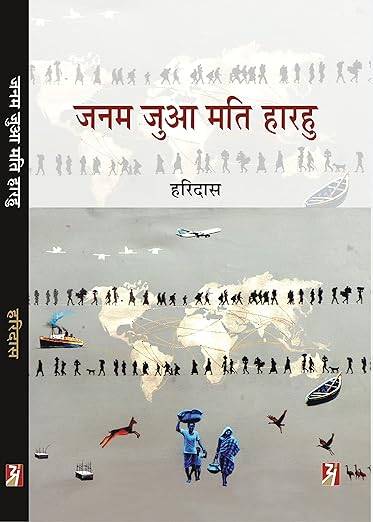
Janam Jua Mat harhu
- Author Name:
Haridas
- Book Type:
- Description:
Autobiography हरिदास जीक आत्मकथा मे जाहि तरहक जीवन संघर्षक मार्मिक वर्णन भेल अछि तकरा लगातार पढ़ब मुश्किलअछि। कोसीक विभीषिका मे माय, पिता, भाइ, परिवार खतम भेलाक बादो अपन इच्छाशक्ति आ संकल्प सँ एक टा व्यक्ति आपदा सँ कोना बाहर निकलैत अछि तकर प्रमाण ई आत्मकथा थिक। हरिदास जिजीविषाक प्रतिमूर्ति बनि क' हमरा सोझाँ अबैत छथि। एक टा बीतराग व्यक्ति करोड़ोक संपत्ति केँ अनुराग भावना सँ त्याग क' अही लेल विवाह करैत छथि किएक त' हिनका परिवार मे पचासोक संख्या रहनि जे चारि-पाँच वर्षक भीतर मात्र किछुए व्यक्ति बचि जाइत अछि... मृत मायक छाती पर दूध पिबैत छओ मासक बच्ची... पुतोहु केँ जे ससुर आगि देलनि सेहो ओही राति मरि गेलाह आ भोरे हुनको ओही अछिया पर जरा देल गेलनि... मैथिली मे एक सँ एक नामवर व्यक्ति द्वारा आत्मकथा लिखल गेल अछि मुदा एहि आत्मकथा मे ओ ताकत छै जे एहि लेखक केँ नामवर बना देत। ओहने नामवर बना देत जेहन नामवर व्यक्तिक लिखल आत्मकथा होइत अछि। हरिदास गृहस्थ रहितो हृदय सँ संन्यासी रहथि तेँ अपना सताबैवला गार्जियनक बारे मे एको शब्द अमर्यादित नहि लिखैत छथि। ई आत्मकथा एक टा सामान्य लेखक केँ महान बनाबयवला महत्त्वपूर्ण कृति थिक। —डॉ भीमनाथ झा मिथिला मे सबाल्टर्न इतिहास लिखबाक परंपरा नहि रहल अछि मुदा हरिदास जीक आत्मकथा अही इतिहास सँ शुरू होइत अछि... एहि आत्मकथा मे जतेक कम शब्द मे पैघ बात कहल गेल अछि तकर टीका सैकड़ो शब्द मे कैल जा सकैत छै। हरिदास अपन जीवन-संघर्षक क्रम मे एक टा विरक्तक जीवन छोड़ि गृहस्थक जीवन चुनैत छथि। असल मे ई आत्मकथा विरक्ति पर अनुरक्तिक कथा थिक। ई आत्मकथा मैथिली मे बहुत समय धरि मन राखल जायत। —अशोक
Naye Daur Ki Ore
- Author Name:
Kishore Biyani
- Book Type:
- Description:
नए दौर की ओर’ भारतीय ग्राहक तथा फ्यूचर ग्रुप, बिग बाजार एवं पैंटलून्स की किशोर बियानी के अपने शब्दों में लिखी कहानी है। एक मध्यवर्गीय परिवार में जनमे किशोर बियानी ने ‘स्टोन वॉश’ कपड़े को रिटेल व्यापारियों को बेचने से अपने व्यापारिक जीवन की शुरुआत की। कुछ ही वर्षों में पैंटलून्स, बिग बाजार, फूड बाजार, सेंट्रल और अन्य कई रिटेल मॉडल शुरू कर उन्होंने भारतीय रिटेल व्यापार को एक नया आयाम और नई दिशा दी। किशोर बियानी की कोशिश रही कि वे मुंबई के निवेशक से लेकर मेरठ के किसान तक की जेब में रखे हर नए पैसे को अपने रिटेल व्यापार की तरफ आकर्षित कर सकें। बियानी शॉपिंग मॉल बनाने एवं उपभोक्ता ब्रांड्स बनाने से बीमा बेचने तक, हर उस क्षेत्र में प्रवेश कर रहे हैं जहाँ उपभोक्ता है और पैसा खर्च करता है। ‘नए दौर की ओर’ में सिर्फ उनके शब्द ही नहीं हैं, बल्कि इस उतार-चढ़ाव की यात्रा में उनके मित्र, सहयोगी, पार्टनर, परिवार के सदस्यों की राय एवं संस्मरण शामिल हैं। ‘रिटेल के राजा’ के रूप में प्रसिद्ध किशोर बियानी अनेक पुरस्कारों एवं सम्मानों से विभूषित हुए हैं। पैंटलून्स को अमेरिका के नेशनल रिटेल फेडरेशन ने ‘अंतरराष्ट्रीय रिटेलर-2007’ से सम्मानित किया है। ‘नए दौर की ओर’ दृढ़ निश्चय, आत्मविश्वास एवं अदम्य इच्छाशक्ति से सपने सच करने की कहानी है और ‘नियमों को बदलो—मूल्यों को बनाए रखो’ मंत्र का सजीव चित्रण है।

Rameswaram Se Rashtrapati Bhavan Tak
- Author Name:
Dr. Ranjit Kumar Singh
- Book Type:
- Description:
यह पुस्तक भारत के राष्ट्रपति के रूप में कलाम के समय पर भी प्रकाश डालती है, एक ऐसी अवधि, जिसके दौरान उन्होंने एक विकसित और समृद्ध भारत के अपने दृष्टिकोण से राष्ट्र को प्रेरित करना जारी रखा। पूरी पुस्तक द्वारा पाठकों को कलाम के व्यक्तित्व, उनके मूल्यों और उनकी मान्यताओं के बारे में अंतर्दृष्टि प्राप्त होती है। यह पुस्तक उन लोगों के व्यापक शोध और साक्षात्कार पर आधारित है, जो कलाम को व्यक्तिगत रूप से जानते थे, जिनमें उनके परिवार, दोस्तों और सहयोगियों को शामिल किया गया था। हमें आशा है कि यह पुस्तक पाठकों को कलाम के पदचिन्हों पर चलने और एक बेहतर, अधिक समृद्ध और अधिक समावेशी भारत बनाने की दिशा में काम करने के लिए प्रेरित करेगी। हम यह भी उम्मीद करते हैं कि यह भारत के महानतम सपूतों में से एक और एक सच्चेदूरदर्शी के लिए उपयुक्त श्रद्धांजलि होगी।

Homi Jahangir Bhabha
- Author Name:
Ganeshan Venkatraman
- Book Type:
- Description:
भारत में परमाणु ऊर्जा कार्यक्रम के जनक महान् वैज्ञानिक होमी जहाँगीर भाभा बहुमुखी प्रतिभा के धनी थे। उन्होंने भारत के आधुनिक विज्ञान को एक नई दिशा देने में महत्त्वपूर्ण भूमिका निभाई। उनकी दूरदर्शिता के कारण ही भौतिकी के साथ-साथ विज्ञान के अन्य क्षेत्रों में भी अनुसंधान कार्य हो रहे हैं, भैंफ- इलेक्ट्रानिक्स, अंतरिक्ष विज्ञान, रेडियो खगोलिकी, सूक्ष्म जैवविज्ञान आदि। लेकिन उनकी रुचि और प्रतिभा किसी सीमा में आबद्ध नहीं थी। भाभा एक महान् स्वन्नद्रष्टा. संस्था- संस्थापक, प्रबंधक, कला व सौंदर्य-प्रेमी तथा प्रकृति-प्रेमी वैज्ञानिक थे। उनकी कार्यशैली, कर्मठता और प्रभावी व्यक्तित्व के कारण ही उनके कार्यकाल के केवल पच्चीस वर्षो में देश की वैज्ञानिक व प्रौद्योगिकी के विकास में जो गति आई. वह बेमिसाल है। यह पुस्तक उन लोगों के लिए है जिन्हें ज्ञान प्राप्त करने की तीव्र अभिलाषा है। केवल भाभा की जीवनी ही नहीं, बल्कि उनके शोधकार्यो के बारे में महत्त्वपूर्ण विस्तृत जानकारी सरस-सुबोध भाषा में दी गई है। प्रस्तुत पुस्तक सभी आयु वर्ग के लोगों में विज्ञान के प्रति उत्सुकता जगाने में सफल होगी. ऐसी आशा है। विशेषकर भारत की नई पीढ़ी के लिए यह पुस्तक मार्गदर्शक एवं प्रेरणा का स्रोत बनेगी।

Sri Aurobindo and Shakespeare
- Author Name:
Dr. Meenu Sodhi Sharma
- Book Type:
- Description:
In this book an attempt has been made to compare the two legendary writers by comparing the eastern way of thinking with the western way. Shakespeare is amongst the writers Sri Aurobindo holds in high esteem. Sri Aurobindo’s admiration for the great dramatist resulted in obvious Shakespearean influences on him. He adopts for his plays Elizabethan model of drama perfected by Shakespeare’s genius. Shakespeare’s influence is traceable also in Sri Aurobindo’s sonnets. It is said that Sri Aurobindo had Shakespearean literature on his bed-side when he left his mortal remains. Both the great writers were not satisfied by merely holding mirror to the nature but due to their greater and deeper life power, they recreated the human life in its beauty and completeness. Therefore, there is an obvious need to compare and contrast Shakeapeare and Sri Aurobindo so as to bring out affinities that may be there between their creative ideal and vision as well as their poetic and dramatic art, along with the former’s influence on the later. In this book an attempt has been made to fulfill the need and to contribute, in some measure to the appreciation of Sri Aurobindo’s poetry and plays. It also briefly touches upon Indian response to Shakespeare. It focuses mainly on Sri Aurobindo’s numerous insights and critical observations on him. To sum up writings of the two such outstanding writers, who represent two very different ways of thinking. On one hand Shakespeare potrays lot of blood shed, gory tales and a wild kind of poetic justice in his writings, but on the other hand Sri Aurobindo truely follows Indian ethos of non violence or ‘Ahimsa’. The author underlines the stark similarities and differences in both the writer’s exploring their plays and sonnets. The structure of plays and sonnets may be same of both the greatest minds but ethos and personna ingrained in their writings is quite different.

Selected Readings of Sri Ramanuja
- Author Name:
S Ranganath
- Book Type:
- Description:
Selected Readings of Sri Ramanuja: Sri Ramanujacharya is one of the three great acharyas whose Sahasramanotsava was recently celebrated with joy and grandeur. His efforts to uplift the poor and oppressed are remarkable. Over his 120-year life, he authored numerous works to inspire devotion in the masses by emphasising the concept of Saranagati or Prapatti (self-surrender to God). Scholars from both Eastern and Western traditions, including Swami Vivekananda and Dr. S. Radhakrishnan, as well as Goethe and Ninian Smart, have honoured Ramanuja with high praise. His altruistic service, compassion, and love for the uneducated and impoverished remain relevant today. This book, in 25 chapters, explores the influence of the Vishishtadvaita philosophy within Indian tradition, organised into three sections: Predecessors of Ramanuja, Ramanuja himself, and his Successors. The final chapter discusses Ramanuja's enduring significance for the 21st century, offering a comprehensive overview of his contributions to Indian thought.

One Immigrant, A Hundred Stories
- Author Name:
Debajyoti Chatterji
- Book Type:
- Description:
One Immigrant, A Hundred Stories is Debajyoti Chatterji’s intimate reflection on a life shaped by family, culture, and the immigrant experience. It is a story told not for the public eye but for his children and their descendants. Through vivid recollections, he explores his upbringing in India, the challenges of building a new life in America, and the insights gained along the way. With a blend of personal memories and reflections on his research, Chatterji offers a view of his journey that is deeply personal and universally relatable to anyone who has faced the complexities of navigating two cultures. This memoir is a thoughtful collection of moments that reveal the essence of his life as a Bengali immigrant—one who, with unwavering commitment, continues to hold fast to his language, culture, and identity. Written for his family, it is a legacy of love, understanding, and heritage passed from generation to generation.

From Hampi to Harappa
- Author Name:
Tirumala Ramachandra +1
- Book Type:
- Description:
"From Hampi to Harappa" is considered among the top ten Telugu autobiographies of the twentieth century. Ramachandra's honesty, self-reflection, and the conflict between his traditional Vaishnava beliefs and modern education make this book remarkable. During the nationalist struggle, he was attracted to extremist ideas but found his own path again through personal struggles. It's astonishing that someone who was a great scholar in Sanskrit, Telugu, Kannada, and Prakrit, had to experience hunger and travel across India to find work to feed himself in the 1930s and 40s. The book is filled with unbelievable incidents, such as his mentor Veturi Prabhakara Sastry experiencing extreme hunger while the author survived on very little food. Similarly, he survived on Ganga water for almost a month while waiting in Kanpur for a conman who had promised a business partnership. He did a variety of jobs, including working as a cataloguer in manuscript libraries, a hotel worker, and a Havaldar clerk in the military, before finally settling in a newspaper. Through his experiences, Ramachandra provides us with glimpses of the civilizations around Hampi and Harappa and insights into modern India during the Independence Movement.

Kalam's Family Tree: Ancestral Legacy of Dr. A.P.J. Abdul Kalam
- Author Name:
Dr. A. P. J. M. Nazema Maraikayar +1
- Book Type:
- Description:
"This book is an intimate memoir written by A.P.J. Abdul Kalam’s niece, who is closely connected to him and the family. The book offers a rare glimpse into the family life and ancestral roots of India’s beloved “Missile Man.’ The book was originally written in Tamil and later translated in English and Hindi. It takes you to Dr. Kalam’s humble beginnings in Rameshwaram, Tamil Nadu, where the young Kalam’s curiosity and thirst of knowledge were nurtured within the embrace of a close-knit Muslim family. From the sacrifices of his parents to the wisdom imparted by his grandparents, the book celebrates the indelible impact of family on his journey to becoming the President of India. It emphasises on the cultural and religious roots that he inherited from different generations. It mainly reflects how historical events, wars, societal changes, economic conditions, etc., had an effect on his personality. The book is a tribute to the power of heritage, perseverance and the pursuit of knowledge values that resonated deeply within the Kalam lineage."

Customer Reviews
16/01/2023
Lokeshna Bulani
At the point when competitors used to remain mum about their preparation, the brandishing framework and the experts in that framework or association, Sanjay Sharma chose to be forthright and vocal about it. Having addressed India in the field of badminton for north of 16 years as a player and a mentor, Sharma's collection of memoirs "Match Point — A Shuttler's Story" mirrors major areas of strength for him. Be it composing for the media while playing for the nation or being suspended and given a daily existence boycott by the then Badminton Relationship of India for expounding on them, Sharma has persevered through everything. Inside the quick 219-page long book lies the coarseness and assurance of a shuttler who faced various conflicts on and off the badminton court. The initial not many pages of the book begins with his ongoing battle against Caveroma in the spinal rope and his family support prior to beholding back to his profession in Indian badminton from 1975 to 1990 (as a player) and 1998-2003 (as a mentor). Among the few successes in his profession, Sharma feels that the success against Malaysia in the 1979 Asian Zone Thomas Cup finals in their home ground was the most essential. "Playing the primary pairs against the then World No. 2, Pradeep Gandhe and I worked out of our skin to cut a tremendous win, which assisted India with overcoming Malaysia interestingly," he states. While lamenting not bringing home the public singles championships in view of the presence of stalwarts like Prakash Padukone and Syed Modi, his appreciation towards the two players emerges all through the book. Valuing Padukone, Sharma monikers him the 'supervisor' while giving the perusers an inside and out point of view of the Indian badminton scene during the 1970s and 80s.
Match Point: A Shuttler's Story is not a triumphalist sports memoir. It is the account of an Indian badminton player who reached national prominence, then fought a second war—this time against the sports federation that threatened to destroy what he had built. The narrative moves between the shuttler's early rise, marked by discipline and sacrifice, and the institutional betrayal that forced him to defend his reputation in public. Years after retirement, the book reveals a third struggle: health battles that test whether the athlete's mental fortitude survives beyond the court. Published by Inkfeathers Publishing, the memoir is direct, unadorned, and grounded in the specific pressures of Indian competitive sport. It offers no easy resolutions, only the record of a man who refused to let his story be written by others.
What kind of reading experience does Match Point give you?
This memoir delivers a sobering, undramatic account of resilience tested across three fronts: athletic rise, institutional betrayal, and physical decline. The tone is restrained, almost reportorial, which makes the emotional weight land harder. It rewards readers who want honesty over heroics, and who appreciate narratives where victory is not the end of the story but the beginning of new, quieter battles. The pacing is episodic, moving between formative years, federation conflict, and post-retirement health crises without sentimentality.
Who should read this book and what does it expect of the reader?
- Readers interested in the unglamorous machinery of Indian sports federations and how athletes navigate institutional corruption.
- Those who follow badminton or Indian sports history and want an insider's perspective on career-making and reputation defence.
- People drawn to memoirs of endurance beyond competition—how the discipline of sport carries into personal health battles.
- Readers who prefer unvarnished storytelling over inspirational packaging, and who can handle narratives without neat closure.
Why does this badminton story matter to Indian readers today?
Indian sports still grapple with opaque federation governance, athlete rights, and the gap between public adulation and institutional support. This memoir documents one shuttler's collision with that system, offering a case study in how careers can be jeopardised by administrative wrongdoing even after years of achievement. It speaks to ongoing debates about accountability in Indian sports bodies, and to the cultural tension between individual merit and collective gatekeeping that persists across Indian professional life.
What makes this shuttler's account different from other sports memoirs?
Most athlete autobiographies end at retirement or peak glory. This one begins a second act there—the fight to protect reputation from federation actions, then a third act confronting health decline. The author does not mythologise his rise or villainise opponents in simple terms. Instead, the narrative treats institutional conflict and physical frailty with the same measured attention given to match preparation. The result is a memoir that refuses to let sport be a metaphor and insists on its material, institutional reality.
What does this book leave you with after you finish it?
It leaves you with a clearer understanding that the athlete's true test is not winning but enduring—through bureaucratic betrayal, public scrutiny, and the body's eventual refusal to cooperate. Emotionally, it offers a quiet, unsentimental respect for those who keep the discipline alive long after applause fades. Intellectually, it complicates the sports hero narrative, showing how reputation, health, and institutional power shape an athlete's life as much as talent ever did. The lingering impression is one of dogged, unglamorous persistence.