
The “Moving Out” Story
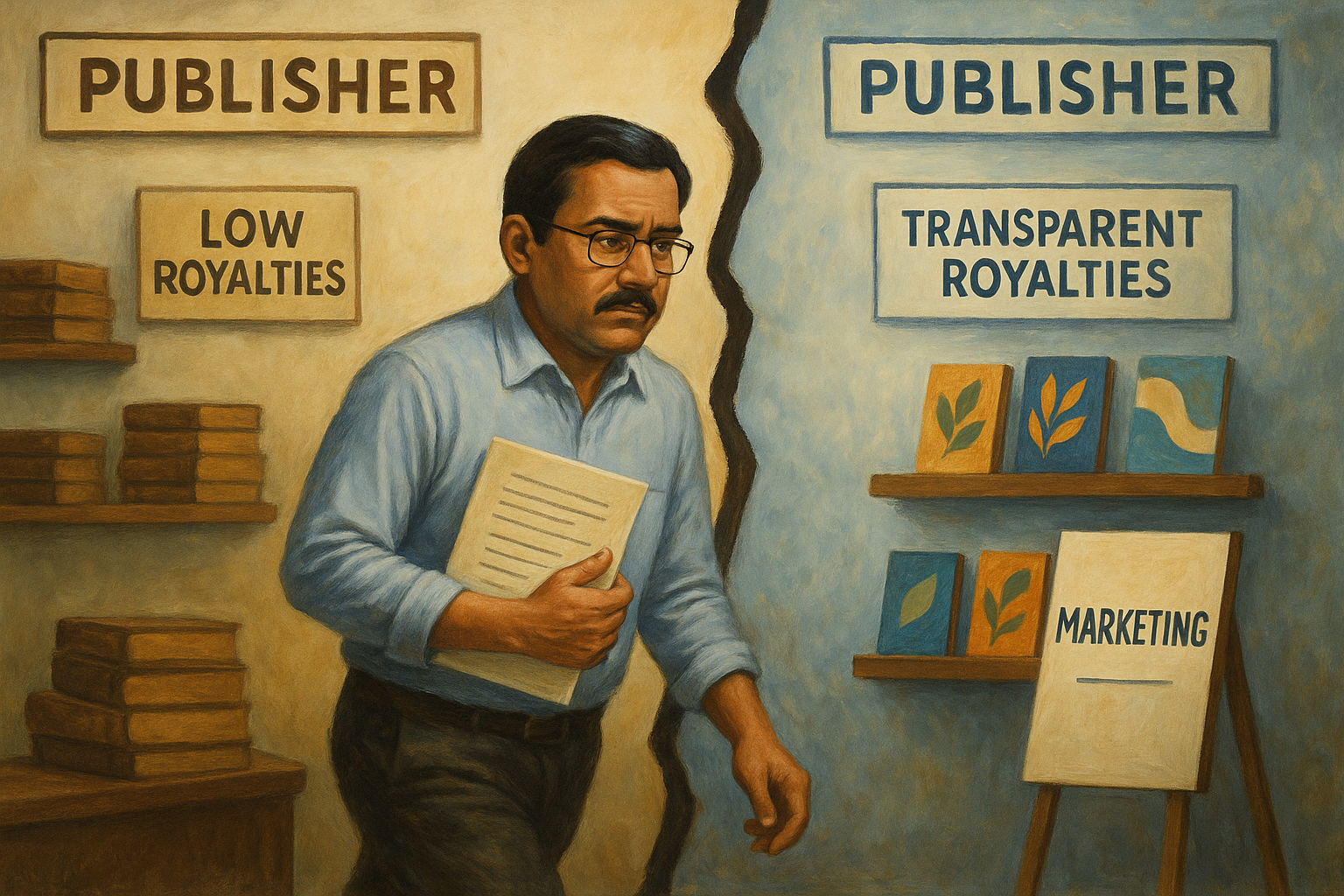
Why Do Writers Switch Publishers?
- Royalty & Transparency: Money matters, but so does knowing how much money is actually made.
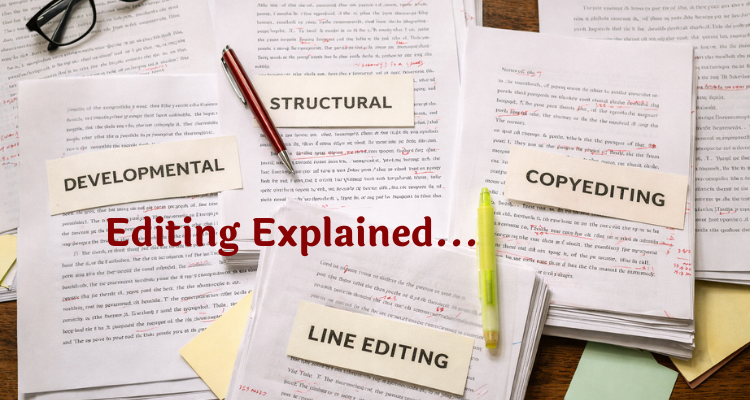
- Editorial Dynamics: Editors can be saviours or silent saboteurs of a manuscript.
- Book Design & Quality: A cover that looks like a toothpaste ad? A definite push factor.
- Marketing Muscle: Who should put in effort for the book: the writer or the publisher? The ambiguity is that the book might not sell off the shelves.
- Relationships & Ego: Writers are emotional beings. Respect matters as much as sales.
- Future Vision: Writers want to grow; some publishers don’t think beyond “one book at a time.”
- Shared Responsibility: It’s never just the writer’s fault. Publishers, editors, designers, printers — everyone shares the load.
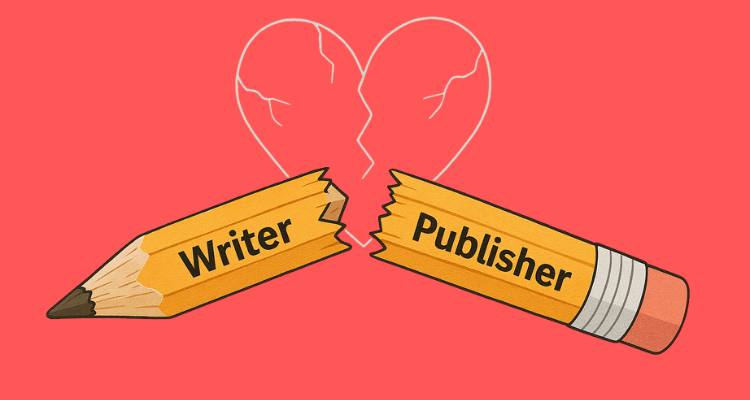
- Humorous Truth: Sometimes, it’s just like a bad breakup. “It’s not you, it’s… well, actually, it is you.”
In the world of literature, writers switching publishers is as common as politicians switching parties before elections. Both claim “it’s in the best interest of the people (or readers),” but deep down, we know the real reasons are more layered. Let’s unpack why authors jump ship, and whether the grass is really greener on the other publisher’s side.
Royalty & Transparency: The Eternal Tug-of-War
Every writer dreams of those glorious royalty cheques, but many are left wondering: “Wait, did my book really sell only 276 copies in two years?” Transparency in reporting book sales is often murky. Some publishers still behave like secretive treasure keepers. A new publisher with promises of better royalty percentages and transparent dashboards suddenly looks very attractive.
But here’s the twist: sometimes a writer moves, expecting more money, only to discover that the “higher royalty” is on lower sales. That’s like getting a bigger slice of a much smaller pizza.
Editorial Dynamics: Friend, Foe, or Frenemy?
An editor is often the unsung hero of a book. But let’s be honest, an unsympathetic editor who insists on chopping your beloved metaphor because “it’s too poetic” can push a writer away. On the flip side, some editors become so close to a writer that when they move to a different publisher, the writer follows like a loyal person.
So yes, editors play a pivotal role; they can keep a writer tied or untie the knot.
Book Covers, Page Quality & Printing Nightmares
Readers say, “Don’t judge a book by its cover,” but the market proves otherwise. Writers cringe when their soul-stirring novel about grief gets a neon-pink cover with flying birds. Or when the paper quality makes readers feel they’re reading on recycled tissue. These “aesthetic betrayals” are enough for writers to start window-shopping for another publisher.
Marketing Muscle & Distribution Reach
A good publisher should be part book midwife, part marketing ninja. But many stop at “book launch” and leave the rest to fate. Writers then find themselves answering relatives: “Arre beta, when will your book come in the Crossword of our area? or Flipkart pe toh dikhi hi nahi tumhari book!” Distribution gaps and marketing apathy are serious deal-breakers.
The Ego Factor: Respect and Relationships
Writers are not machines producing word-count outputs. They crave respect, acknowledgement, and sometimes just a warm email saying, “Your book is doing well, congrats!” A publisher who treats them like just another cog in the revenue wheel risks losing them. On the other hand, a small but attentive publisher who nurtures relationships may win lifelong loyalty.
Shared Responsibility: It Takes a Village
It’s unfair to pin the blame solely on writers for “being impatient” or on publishers for “being commercial.” The truth lies in the shared ecosystem:
- Editors: Shape the manuscript, but also influence trust.
- Printers: Poor print runs can harm your reputation.
- Cover Designers: One bad design can sink a good book.
- Marketers: The invisible army that decides if a book trends or tanks.
When things go wrong, everyone has fingerprints on the crime scene.
The Dream vs. Reality Check
Many writers move, thinking the next publisher will treat them like royalty (pun intended). But soon they realise, publishers, like relationships, come with compromises. The smart ones negotiate better contracts, insist on sales dashboards, and build personal branding in parallel, so they don’t remain dependent.
The Humorous Truth: The Break-Up Analogy
At its heart, moving publishers is like breaking up.
- “It’s not you, it’s me”, the writer blames self-doubt.
- “You never listened to me”, editor-publisher communication gap.
- “We wanted different things in life”, one wants literary awards, the other wants mass-market sales.
And much like relationships, sometimes they reunite after a few years. Yes, literary love stories exist too!
The question isn’t whether writers should stay loyal or publishers should always be perfect. The question is: can both sides find a middle ground where creativity thrives and commerce sustains? Because at the end of the day, books deserve better than broken partnerships.





Add a comment
Add a comment