
Unbosoming
₹
120
102 (15% off)
Unavailable
Poetry is the mist tying our human souls together in intricate, compelling knots of life (and lies). ‘unbosoming’ is the maiden attempt of Samridhi to unravel these knots while struggling to trap the waves of self-loathing, anger, doubt and fear inside the tip of her pen every night. For it’s always better to brandish a pen than a knife. This book is about the webs we spin and trip over, again and again, only to smile for others the next morning and crumble within ourselves again at night. ‘unbosoming’ is the secret child of such spirals, scribbled over for months. It is the journey of the pleasure of self-abuse and acceptance and redemption and the faint knowledge of hope.
Read moreFormat:
About the Book
Poetry is the mist tying our human souls together in intricate, compelling knots of life (and lies). ‘unbosoming’ is the maiden attempt of Samridhi to unravel these knots while struggling to trap the waves of self-loathing, anger, doubt and fear inside the tip of her pen every night. For it’s always better to brandish a pen than a knife. This book is about the webs we spin and trip over, again and again, only to smile for others the next morning and crumble within ourselves again at night. ‘unbosoming’ is the secret child of such spirals, scribbled over for months. It is the journey of the pleasure of self-abuse and acceptance and redemption and the faint knowledge of hope.
Book Details
Songs of Life (Collection of Poems)
- Author Name:
Dr. A.P.J. Abdul Kalam
- Book Type:

- Description:
The Songs of Life is presented with selected poems from my books of poem Life Tree, Luminous Sparks and My Journey and also some of my new poems. The purpose of this Songs of Life is to celebrate the human life. In spite of many sufferings all around, God has blessed us with his grace in multiple dimensions of nature smiling at us. Hence, Songs of Life is the Song of every heart and soul in happiness and, in sorrow. The result of the poems should be to cheer our hearts.

Herstory
- Author Name:
Neha Bansal
- Book Type:
- Description:
Herstory is a new collection of poems by Neha Bansal, a civil servant, providing a fresh perspective on the lives of others.

Chand Ki Vartani
- Author Name:
Rajesh Joshi
- Book Type:
- Description:
राजेश जोशी का यह कविता-संग्रह हिन्दी कविता का एक नया शिखर है। तीन दशकों से भी अधिक की काव्य-साधना एवं जीवन के लगभग साठ वसन्तों की हरीतिमा से दीप्त यह संग्रह अनेक स्वरों का विलक्षण पुंज है। राजेश ने न केवल अपने को बदला है, बल्कि अपने को बदलते हुए समस्त समकालीन काव्य में सर्वथा नए घूर्ण उत्पन्न कर दिए हैं। वे सारे गुण और स्वाद जिनके लिए राजेश जोशी जाने और माने जाते हैं, यहाँ अपनी पूर्णता एवं सौष्ठव के साथ उपस्थित हैं, साथ ही बहुत कुछ ऐसा भी है जो नितान्त अप्रत्याशित पर आह्लादकारी है और वह है जीवन को उसकी जटिलता में जाकर देखने का उपक्रम, सभी तहों-परतों को उलट-पुलट अनुभव के नामिक तक उत्खनन का धैर्य—‘दिखने में जो अक्सर आसान से दिखते हैं एक कवि को करने होते हैं ऐसे कई पेचीदा काम’। और इसके लिए राजेश तदनुरूप भाषा की खोज भी करते हैं, बनी-बनाई भाषिक आदतों को छोड़ते हुए वह अभिव्यक्ति के ख़तरे उठाते हैं—‘ताप से भरे शब्दों’ को ढूँढ़ते दूर बीहड़ में जाते हैं और ‘आँसुओं के लिए’ भी ढूँढ़ लाते हैं वैसे ही ‘पारदर्शी शब्द’। राजेश की कविता हमारे समय का ऐसा संघनित दस्तावेज़ है कि केवल उसके आधार पर हम समकालीन भारत का एक दृश्य-लेख बना सकते हैं। इतने तात्कालिक ब्योरे हैं यहाँ, इतने प्रसंग, पात्र और राजनीतिक-सामाजिक उद्वेलन। साथ ही उनकी कविता जीवन के उन तन्तुओं की खोज करती है जहाँ उन उद्वेलनों का कम्प सबसे तीव्र है, और उन लोगों का यशोगान करती है जो निरन्तर संघर्ष करते हुए जीवन को बदलने का ताब रखते हैं। उनकी कविता साहस के साथ सत्ता के सभी पायदानों पर वार करती है, एक विराट सत्ता जो अर्थव्यवस्था से लेकर हमारी रसोई तक व्याप्त है। नागार्जुन और धूमिल के बाद सत्ता के तिलिस्म को उघाड़नेवाले सर्वाधिक सशक्त कवि राजेशी जोशी हैं। आख्यान, कथोपकथन, लोक-कथाओं के स्वप्न-वृत्तान्त, जातीय मिथक, अतियथार्थ के खम, सपाटबयानी, शब्दों के खेल और कल्पना-क्रीड़ा, फंतासी सब कुछ मिलकर एक नया रसायन बनाते हैं जो अन्यत्र दुलर्भ है। राजेश की कविता अब भाषा के नए उपकरणों एवं आयुधों का व्यवहार करती है तथा कविता को वहाँ ले जाती है जहाँ भाषा ‘अर्थ से अधिक अभिप्रायों में निवास करती है’। यह ठोस जगत् की, ठोस जीवन की कविता है उर्फ़ चाँद की वर्तनी नीले नभ पर। — अरुण कमल

Yah Mera Hi Ansh Hai
- Author Name:
Ravindra Bharti
- Book Type:
- Description:
रवीन्द्र भारती की कविताओं में चारों ओर की वास्तविकताओं से मनुष्य के लिए रचनात्मक संस्कार खोजने की शक्ति दीखती है। अपनापे का यह अनुभव छायावादोत्तर रोमानी मिठास का नहीं, एक संघर्षरत मनुष्य के लौकिक-भौतिक प्रेम का अनुभव है। सबसे बड़ी बात तो यह है कि उनकी कविता उन दृश्यों को भी साकार कर देती है, जो उसमें लिखे नहीं गए, परन्तु छाया की भाँति इसके तथ्यों से निसृत हैं। कई आयामों को एक में समाहित कर सकने की यह सामर्थ्य आज की कविता में दुर्लभ ही है। रवीन्द्र भारती की कविताएँ गाँव, घर, खेत, लोग आदि सबके दृश्यमान यथार्थ के पीछे करुणा के आयामों को खोलती और सम्पूर्ण अनुभव के आयामों को गहरा करती हैं। आज के दौर में जहाँ सरल भाषा में दुरूह कविता खुलेआम स्वीकृत की जा रही है, वहाँ यह कवि सरल भाषा में गहराई का अन्वेषण कर रहा है और भावुकता को आत्मदया बनाने से बचता हुआ सहानुभूति को व्यापक अर्थ देकर काव्य-भाषा को समृद्ध कर रहा है। —रघुवीर सहाय; ‘रविवार’, 15-21 नवम्बर, 1987 रवीन्द्र भारती ने इतनी तीव्र और मर्मान्तक संवेदना से अपने अनुभवों को जो काव्यात्मक अभिव्यक्ति दी है, उसने मुझे बराबर प्रभावित किया है। गाँव के अनुभवों की जो सम्पदा आप अपने भीतर समोए हैं, वह अथाह जान पड़ती हैं—और जब उनमें से कुछ को चुनकर अभिव्यक्त करते हैं—बिलकुल अपने निजी मुहावरे में तो लोग, लैंडस्केप और चारों तरफ़ की पीड़ा का प्रदेश आलोकित हो उठता है। —निर्मल वर्मा; पत्रांश, 10.5.1981

Main Yahin Rahna Chahta Hoon
- Author Name:
Suresh Sen Nishant
- Book Type:
- Description:
Collection of Poems
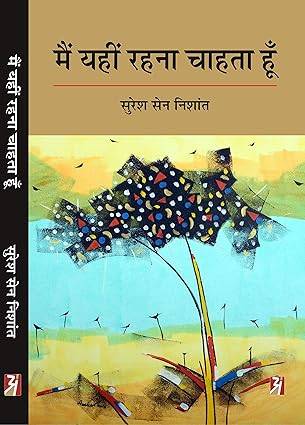
Zameen Pak Rahi Hai
- Author Name:
Kedarnath Singh
- Book Type:
- Description:
केदार जी की कविताओं में व्यक्तिगत और सार्वजनीन, सूक्ष्म और स्थूल, शान्त और हिंस्र के बीच आवाजाही, तनाव और द्वन्द्वात्मकता लगातार देखी जा सकती है। ‘सूर्य’ कविता की पहली आठ या शायद नौ पंक्तियाँ कुहरे में धूप जैसा गुनगुना मूड तैयार करती ही हैं कि ‘ख़ूँख़ार चमक, आदमी का ख़ून, गंजा या मुस्तंड आदमी, सिर उठाने की यातना’ इस गीतात्मक मूड को जहाँ एक ओर नष्ट करते से लगते हैं वहाँ उसका कंट्रास्ट भी देते हैं। दुनिया की सबसे आश्चर्यजनक चीज़ रोटी ताप, गरिमा और गन्ध के साथ पक रही है। केदार जी चाहते तो इस मृदु चित्र को कुछ और पंक्तियों में ले जा सकते थे लेकिन शीघ्र ही रोटी एक झपट्टा मारनेवाली चीज़ में बदल जाती है और कवि आदिमानव के युग में पहुँच जाता है—वह कहता अवश्य है कि पकना लौटना नहीं है जड़ों की ओर, किन्तु रोटी का पकना उसे आदिम जड़ों की ओर ही ले जाता है। उसकी गरमाहट उसे नींद में जगा रही है, आदमी के विचारों तक पहुँच रही है और वह समझ रहा है कि रोटी भूखे आदमी की नींद में नहीं गिरेगी, बल्कि उसका शिकार करना होगा और यह समझना कविता लिखते हुए भी कविता लिखने की हिमाकत नहीं बल्कि आग की ओर इशारा करना है। केदार जी की कविताओं का अपनापन असन्दिग्ध है और वे कवि और कविताओं की भारी भीड़ में भी तुरन्त पहचानी जा सकती हैं।” —विष्णु खरे

Betarteeb - Weekend Wali Kavita
- Author Name:
Vinod Dubey
- Book Type:
- Description:
सुबह का वक़्त कपालभांति में गुज़ारा, तो चाय पर पत्नी के विचार छूट गए। कॉर्नफ़्लेक्स और फ़्रूट प्लेट में रखे, तो आलू के परांठे और नींबू के अचार छूट गए। न ज़िन्दगी की ये छोटी-बड़ी उलझने बदलती हैं, ना हम बदलते है। कविताएँ बस इन्हें देखने का नज़रियाँ बदल देती हैं। लाख योजनाओं के बावज़ूद जैसे हम अस्त-व्यस्त-सी ज़िन्दगी जीते हैं, ठीक उसी तरह इस संग्रह की कविताएँ भी बेतरतीब विषयों पर लिखी गयी हैं। कई बार हमारी रोज़मर्रा की ज़िन्दगी बिलकुल नीरस हो जाती है, जैसे जेठ की दुपहरी में सड़क पर लावारिस पड़ा टीन का डिब्बा। इसी ज़िन्दगी से निकली इन कविताओं को फुर्सत के पलों में पढ़ियेगा, क्या पता उस जेठ की नीरसता को बसंत की नज़र लग जाए।

Bagh Duhne Ka Kaushal
- Author Name:
Raman Kumar Singh
- Book Type:
- Description:
हिन्दी की समकालीन कविता में कुछ समय से आए बदलाव अभी ठीक से परिभाषित नहीं किए गए हैं, लेकिन यह निर्विवाद है कि वह काव्य-पीढ़ियों से आगे की, जीवन के ज़्यादा विस्तारों को देखती-पहचानती हुई कविता है। अपने पूर्वज कवियों का विवेक उसके अनुभव-संसार में उपस्थित है लेकिन उसकी संवेदना बिलकुल नई और अपनी है। इस संवेदना में यह जानने की बेचैनी है कि समाज, मानव-सम्बन्ध और राजनीति में हमने क्या-क्या खोया है, कौन-सी दुनियाएँ हमसे छूट गई हैं और हमारी मूलभूमि का, हमारी स्थानीयता का क्या हाल है। आश्चर्य नहीं कि रमण कुमार सिंह अपने पहले कविता-संग्रह ‘बाघ दुहने का कौशल’ की ज़्यादातर कविताओं में बार-बार उस जीवन को जाँचते-परखते लौटते हैं जो हमारे पीछे रह गया है और जिसकी जर्जरता और उदासी हमारा पीछा करती रहती है। एक सहज, गँवई यथार्थ और उसका जादू जो अब हमारा अतीत है और हमारे सामने फैले शहरी निम्न-मध्यवर्गीय यथार्थ के आपसी तनाव भी इन कविताओं की अन्तर्वस्तु बनाते हैं और उस ‘लुटेरे समय’ की छवियाँ उभारते हैं जो ‘दादी की लोरियों’ और ‘बुजुर्गों की लाठी’ से लेकर ‘आकाश की नीलिमा’ तक को छीन रहा है और जिसके प्रति विरोध दर्ज करना जरूरी है, अन्यथा वह हमारी अभिव्यक्ति को भी नष्ट कर दे सकता है। रमण कुमार सिंह की कविताओं में हमारे लोकजीवन का जर्जरित होता स्वरूप बहुत शिद्दत से व्यक्त हुआ है। वे एक तरफ उस संसार की बची-खुची चीजों, परम्पराओं और सम्बन्धों को कविता की स्थायी स्मृति की तरह बचा लेना चाहते हैं तो दूसरी तरफ उस युवक की बेचैनी के पास भी जाते हैं जो लोक में प्रवेश करते बाजार, टूटती चौपाल और डरावने हो रहे पनघट और राजनीति के सत्ता-समीकरणों का साक्षी है और इस यथार्थ को बदल पाने में असमर्थ है। ‘गुजरे हुए बाबा से संवाद’ इसी तरह की एक मार्मिक कविता है जिसमें आज की पीढ़ी का एक प्रतिनिधि अपने पूर्वज को ग्रामीण संस्कृति का मौजूदा हाल सुनाते हुए उस सपने के बारे में पूछता है जिसे देखते-देखते वे अन्ततः सो गए थे। गौरतलब यह है कि यथार्थ बदल रहा है लेकिन स्वप्न भी जीवित है। दरअसल रमण की कविता उम्मीद और नाउम्मीद के बीच कई तरह के रिश्तों की पहचान की दस्तावेज है और कई बार वे ‘देश-परदेस’ को भी इसी रूप में पहचानते हैं। ‘बाघ दुहने का कौशल’ की रचनाएँ हमें उस सरल और मासूम संसार में ले जाती हैं जो वास्तविकता में टूट रहा है, लेकिन हमारे स्वप्नों में साबुत है। भाषा की ताज़गी और शिल्प की लोक-लय के साथ गँवई-शहरी जीवन के विकल रूप रमण की कविताओं के केन्द्रीय बयान हैं जिनमें संवेदना की स्थानिकता का संगीत भी सुनाई देता है। —मंगलेश डबराल

Ek Janam Mein Sab
- Author Name:
Anita Verma
- Book Type:
- Description:
जिस जीवन के भीतर से चलकर अनीता वर्मा और उनकी कविताएँ हमारे पास आती हैं वह एकांगी या द्वि-आयामीय नहीं है, बल्कि वे उसके दुर्निवार वैविध्य को पहचानने, स्वीकारने और फिर उसे हमें देने की चुनौती और जोखिम उठाती हैं। वे हिंदी के उन बहुत कम रचनाकारों में हैं जो आत्म-मोह या आत्म-रति के परे अपनी अंदरूनी दुनिया का भी अन्वेषण करते हैं और उसे स्वपीड़न या सुखवाद की चाशनी में पाग कर पेश नहीं करते। अनीता वर्मा को ‘आत्मा’, ‘प्रेम’, ‘शून्य’, ‘चुंबन’, ‘यातना’, ‘विषाद’, ‘पवित्र’, ‘उजास’, ‘दुख’, ‘देह’, ‘रूप’, ‘मृत्यु’, ‘निराशा’, ‘स्पंदन’, ‘अनंत’, ‘वृंत’, ‘सिहरन’, ‘एकांत’, ‘छाया’, ‘स्पर्श’, ‘उदासी’, ‘प्राण’, ‘बेसुध’, ‘स्निग्ध’ जैसे आज की कविता से लगभग निर्वासित प्रत्ययों के हठीले और दुस्साहसिक इस्तेमाल से कोई गुरेज़ नहीं है जिनसे वे एक ऐसा भीतरी, निजी–एकांत नहीं–संसार बसाती हैं जिससे गुज़रते हुए कभी महादेवी-शिम्बोर्स्का जैसी कवयित्रियों की याद आती है तो कभी शमशेर-लोर्का की जटिल, ऐन्द्रिक बिम्बात्मकता की। उनकी ऐसी कविताओं में कोमल मानवीय भावनाओं और रिश्तों के कई संवेदनशील चित्र हैं लेकिन वे लगभग हमेशा भावुकता, दैन्य तथा आत्मावसाद से बच पाई हैं और उन्हें एक मननशील आत्माभिव्यक्ति में बदल सकी हैं। परिणामस्वरूप हिंदी को ‘प्रार्थना’, ‘प्रेम’, ‘व्यर्थ’, ‘अभी’, ‘भीतर’, ‘पानी के दरवाज़े’, ‘खेल’, ‘वह’, ‘विकलता’, ‘सुंदरता’, ‘अवसान’, ‘पृथ्वी के ऊपर’, ‘जुलाई’, ‘चुंबन’, ‘स्पर्श’, ‘लक्ष्यहीन’, ‘इसी तरह’ तथा ‘न बोलो’ जैसी अपूर्व रचनाएँ मिल पाई हैं जिनमें भावनाओं, विचारों, शब्दों, चित्रों, बिम्बों, संगीत तथा गीतिमयता का एक विस्मयकारी सामंजस्य नज़र आता है। चित्रांकन और बिम्बसृष्टि अनीता वर्मा को बहुत आकृष्ट करते लगते हैं और वे कभी-कभी अभिव्यक्तिवादियों-बिम्बवादियों-प्रतीकवादियों की तरह उनके तर्कातीत सौंदर्य के लिए एक निजी, स्वायत्त, परिष्कृत भाषा के प्रयोग का ख़तरा उठा लेती हैं और हिंदी की नई उद्रेक-क्षमता को उजागर करती हैं। लेकिन ऐसी कविता में हर्ष-विषाद तथा प्रेम की अनूठी, यथार्थ अभिव्यक्तियाँ भी हैं। ऐसी रचनाएँ ही कवयित्री को महत्त्वपूर्ण बनाने में अपर्याप्त न होतीं लेकिन उसकी निगाह केवल अभ्यंतर और व्यष्टि तक सीमित नहीं है, वह बाह्य विश्व और समष्टि को भी देखती है। यह इसी दृष्टिसम्पन्नता का परिणाम है कि अनीता वर्मा वान गॉग, दा विंची और रेन्वा की सुप्रसिद्ध कृतियों के चाक्षुष पक्ष को ही नहीं देखतीं, उनमें छिपी तकलीफ़देह कहानियों और जटिल ज़िंदगियों को भी पहचानती-महसूस करती हैं। कलाकृतियों के पीछे के समाज और जीवन को हिंदी कविता में इस तरह कम ही देखा गया है। इससे भी आगे, अनीता वर्मा को अपने आसपास ‘इसी समय’ चलते ‘कोमलता और दर्द के व्यापक संसार’ का पूरा भान है जिसमें नवजात शिशु हैं, पूँजी के भयावह व्यापार हैं, वहशियों के बीच चीख़ती स्त्री है, ईर्ष्या, लालच और मासूम सपने हैं, मृत्यु की परछाइयों से परे हँसी और प्रेम हैं। यह दृष्टि महज़ एक ‘टूटता मकान’ नहीं देखती, उसके गिरते अतीत, भयानक भविष्य, मज़दूरों, भिखारियों, जानवरों तथा उस घर की गृहिणी को भी देखती है जिसकी ईंटें ले जाने के लिए अब एक ट्रक रात गये आता है। ‘घर’ में कवयित्री आज के बसेरे से शुरू कर आदिम आसरों तक जाती है, सारी पृथ्वी को निवास की तरह देखती है लेकिन इस क्रूर वास्तविकता को जानती है कि अब समझौतों से घर बनता है, जिसमें प्रेम संस्कारों पर टिका हुआ है। यथार्थ को देखती हुई कवयित्री की दृष्टि सर्वसंशयी नहीं है। कवयित्री अपने कथ्य, भाषा तथा शिल्प पर हमेशा एक संतुलित नियंत्रण रख पाने में सफल हो पाती है। वृहत्तर संसार की उसकी कविताएँ असंदिग्ध रूप से वंचितों, औरतों और बच्चों के पक्ष में हैं और पूँजी, मुनाफ़े, नियमों, बाज़ार, विज्ञापन, शोषण और नृशंसताओं के खिलाफ़ हैं। यदि ‘अमीर’ में विलासिता का जीवन उसके निशाने पर है तो ‘एक और प्रार्थना’ में उसे यह आत्म-विडंबनापूर्ण एहसास भी है–“प्रभु मेरी दिव्यता में/सुबह-सवेरे ठंड में काँपते/रिक्शेवाले की फटी कमीज ख़लल डालती है।” ‘तर्पण’ में धर्म और सभ्यता को मानवताविरोधी बताने का दुस्साहस है जबकि ‘विज्ञापन’ में उपभोक्तावाद से बर्बाद होते आदमी और समाज की तस्वीर है। स्त्रियों और बच्चों पर कुछ निहायत अलग ढंग की कविताएँ अनीता वर्मा के पास हैं। ‘अब भी विरोध’ में एक ऐसी औरत की कहानी है जो पहले ‘पैसे कमाती और दुआ माँगती थी’ लेकिन जब खुले, सुंदर संसार में आती है तो भी उसकी मुखालिफ़त की जाती है। ‘स्त्रियों से’ कविता का उद्बोधन लोकप्रिय नारीवादी पदावली का इस्तेमाल नहीं करता बल्कि ‘अपनी निबिड़ताओं से निकाल लानी होगी उजली हँसी’ का आह्नान करता है। स्त्री-शरीर के बाज़ारीकरण का गहरा आकलन ‘इस्तेमाल’ में है जिसकी “शुक्र करो कि खूबसूरत माँएँ बच्चे नहीं बेचतीं/यह काम बदसूरत माँओं के लिए तय किया गया है” सरीखी मार्मिक पंक्तियाँ भयावह हैं। लक्ष्मणपुर बाथे और शंकर बिगहा के दलित हत्याकांडों पर लिखी गयी कविता एक रोती हुई स्त्री से शुरू होती है। स्कूली बच्चों पर लिखी अनीता वर्मा की ‘अपनी कक्षा’, ‘ज़ाहिद अली का पन्ना’ (जो बचपन और साम्प्रदायिकता दोनों विषयों के बीच अद्भुत आवाजाही करती है), ‘स्कूल’ तथा ‘हम जो हैं’ सरीखी रचनाएँ एक विरल कोमलता से बच्चों के जटिल वर्तमान तथा अनिश्चित भविष्य को देखती हैं। ज़मीन सार्वजनीन हो या निजी, विषय समसामयिक हों या देश-कालातीत, अनीता वर्मा ने एक ऐसी भाषा और शैली अर्जित की है, पूरी मानवीय सहानुभूति देने और अपनी अंतर्तम बात को कह पाने का ऐसा तरीक़ा, कि वे पिछले दो दशकों में उभरी हिंदी युवा कवियों की बड़ी पीढ़ी में भी अगली पंक्तियों में अपनी विशिष्ट पहचान और स्थायी जगह बना चुकी हैं। — विष्णु खरे

Kisi Rang Ki Chhaya
- Author Name:
Sunder Chand Thakur
- Book Type:
- Description:
सुन्दर चन्द ठाकुर का पहला कविता-संग्रह ‘किसी रंग की छाया’ अनुभव-सघनता और भाषाई-सजगता दोनों स्तरों पर एक कवि की बुनियादी बेचैनी को दर्ज करता है। सुन्दर की ये कविताएँ संख्या में अट्ठावन हैं लेकिन उनके सरोकारों को गिनना कठिन है। वे स्वाभाविक तौर पर प्रेम, अच्छाई, मनुष्यता और एक बेहतर संसार को तरह-तरह से प्रकट करती हैं या उनके कम होते जाने या न होने का शोक मनाती हैं, जहाँ उनके होने की जरा भी सम्भावना बची हो। यह अकारण नहीं है कि सुन्दर अपनी कविता में बचपन, नींद, घर-परिवार, नदी, जंगल, अभयारण्य आदि परिचित चीजों से होते हुए इतिहास, भूगोल, गणित, भौतिकी और गृह विज्ञान जैसे अपरिचित विषयों तक चले जाते हैं और उनके माध्यम से आज की किसी न किसी मानवीय परिस्थिति पर टिप्पणी करते हैं जो हमारे अन्तस को झकझोरते हुए एक नयी सम्वेदना से भी हमारा परिचय कराती हैं। अपनी गहरी सम्वेदना, सजग दृष्टि और तीक्ष्ण अनुभूतियों के कारण सुन्दर चन्द ठाकुर नदी के भीतर ‘बहती हुई एक और नदी’ को पहचानते हैं और इतिहास के स्नानागारों में 'सदियों के सूखे हुए पानी' को भी तैरता देख लेते हैं। इस संग्रह की ज़्यादातर कविताओं में पहाड़ के आवेग और मैदान की थिरन को हम एक साथ महसूस कर सकते हैं जो शिल्प के स्तर पर कहीं न कहीं सोच की उड़ान और भाषा के संयम में रूपान्तरित हो जाती है। ‘किसी रंग की छाया’ में आशा और निराशा के बीच अनुभवों का एक पूरा वर्ण क्रम है और यह पहचानने की शिद्दत भरी कोशिश है कि वह रंग कौन-सा है और उसकी कैसी छाया है या यह कैसी छाया है और उसका कौन-सा रंग है। यही कोशिश एक सच्चे कवि की पहचान होती है।

Deshnama Gaonnama
- Author Name:
Devisharan +2
- Book Type:
- Description:
देवीशरण ठेठ आदमी हैं। वे अपने उपनाम ‘ग्रामीण’ को सार्थक करते हैं। गाँव का आदमी रूप, रंग और शृंगार की परवाह किये बिना अपनी मूल वस्तु के भरोसे जीवन जीता है। उसमें कुंठायें नहीं होतीं। आइने के सामने होकर वह फूलता नहीं। वह आदमी अपनी रचना के लिये जो भी चुनता है, वह उपयोग की प्रेरणा से बनती है। देवीशरण ‘ग्रामीण’ इसी प्रकृति की छाया में कविता, कहानी या गाँवनामा लिखते हैं। धूल, लाटा, चना, मजदूर, नदी-नाले, घर-छप्पर उनकी कविताओं के शीर्षक हैं। इन वस्तुओं के विश्लेषण के बजाय ‘ग्रामीण’ जी अपनी रचनाओं के द्वारा उनकी वस्तुओं से अपने अभिप्राय व्यक्त करते हैं। उनसे अपने मन की बात कहलवाते हैं। मानवीकरण करते हैं। इन वस्तुओं के प्रति अपना राग व्यक्त करते हैं। वे वस्तुओं को बुद्धि के आकाश में नहीं उड़ाते। वे आम आदमी को सम्बोधित करते रहते हैं। वे सिखाने-समझाने की प्रतिज्ञा से आगे बढ़ते हैं। देवीशरण जी की अपनी आस्था है। आस्था ऐसी जो मनुष्य की समानता के लिये प्रतिबद्ध है। और आगे कहें तो यह कि वे मार्क्सवाद पर भरोसा करते हैं। मार्क्सवाद की बुनियादी निष्पत्तियाँ उनके भावबोध का अंग बन गई हैं। वे स्वाभाविक सी हो गई हैं, उनके लिये। अतः रचनाओं का स्फुरण इसी आस्थाजन्य स्वाभाविक प्रक्रिया से होता है। ग्रामीण जी मानते हैं कि श्रमिकों की संगठित शक्ति अपराजेय होती है। वे अपनी अनेक कविताओं में इसे व्यक्त करते हैं। उनका कविता संसार जीवन का वास्तविक क्षेत्र है। वह ज्यादातर अभिधा में हैं। उसमें गहरा आशावाद है। इस तरह की निरलंकृत कविता जनता की प्राथमिक दीक्षा के काम आती है। जनता के भावों का सीधा-साझापन इसकी सबसे बड़ी विशेषता है। इन कविताओं की प्रासंगिकता लम्बे समय तक रहेगी। — कमला प्रसाद

The Darkness is Vanishing
- Author Name:
Ramesh Pokhriyal 'Nishank'
- Book Type:
- Description:
The poems of Ramesh Pokhriyal "Nishank" represent innate, passionate ramifications and poetic mystification for readers. While they may include hymns and religious instructions, what stands out is the sentimental piety in the poems offered within this collection. As a poet, Nishank surveys possibilities, comparing them to actualities, facts, theories, alternatives, and ideals, weighing them together. Thus, his work is both insightful and foresightful, providing a sense of life’s worth. Remarkably, these poems are not complex; they are simple and pliable. The doctrines and practices they endorse are not new or recent but align with established norms. The poems that emerge from darkness invigorate the spirit, making our hearts dance and enveloping us in a mystical softness, enchanting enough to soothe distressed feelings while instilling a sense of truth, clarity, and refinement. Nishank conjures images of everyday, affable life, depicting socially intellectual and passionate men who dance, croon, and fall yet rise again—shortly devastated but soon resilient. His poems are both popular and distinctly contemplative. Hidden behind his voice lies every man; if you wish to understand his character, let the doors of the heart open and allow them to speak. *** The ardor for humankind may pulse in every throb of my heart; let there be a beautiful person within me. My only desire in this life is to die for my country, with my life as an emblem for humanity. *** Like worms clothing the wheat, jealousy, like termites, hollow out the preposterous. *** To erase darkness, those who burn like torches do so even in adverse torrents; they never extinguish. *** Happiness resides in the present, not in the future; it rests in the depths of the mind. —From this collection.

Thank You for Leaving
- Author Name:
Rithvik Singh Rathore
- Book Type:
- Description:
Dear reader, I wrote this book for the ones who feel everything too deeply. The rare souls who still listen to their hearts and believe in love. The ones who don’t hurt others just because they’re in pain. The ones who wear their hearts on their sleeves and carry kindness within. The ones who overthink, over-invest in people and over-love, always. This book is an ocean full of feelings, so if at any point, you feel like you’re drowning, take a moment to remind yourself that it’s a privilege to feel emotions as intensely as you do. Some people are so disconnected from their hearts that they don’t allow themselves to feel anything at all. That being said, I wish you a happy reading. This book will make you cry. Love, Rithvik

Verses in Bloom
- Author Name:
Swati Sani
- Book Type:
- Description:
“Verses in Bloom” is a rare collection of 150+ timeless couplets from the most prominent poets of Urdu. The book contains these couplets in Urdu, Devanagari and Roman scripts, accompanied by an English translation, capturing their true essence. Through these couplets, the book also provides an insight about different stages of life and love.

Har Mauqe Ke Liye Sher
- Author Name:
Sanjiv Saraf
- Book Type:
- Description:
"हर मौक़े के लिए शेर" उर्दू शाइरी की सदा-बहार खूबसूरती को इस तरह पेश करती है कि वो न सिर्फ़ आसानी से समझ में आए, बल्कि पढ़ने वाला अपनी ज़िंदगी के वाक़िआत को भी इन शेरों के आईने में देख सके। इस संग्रह में ऐसे यादगार शेर शामिल हैं जो इंसानी ज़िंदगी के पूरे दाइरे की तस्वीर पेश करते हैं - चाहे वो हमारे बदलते जज़्बात के विषय में, चाहे ज़िंदगी के ख़ुश-नुमा लम्हों की यादें हो। वो तमाम मौक़े जो हमारी ज़िंदगी को शक्ल देते हैं, इन अशआर में इज़्हार पाते हैं। चाहे मोहब्बत हो या जुदाई, खुशी हो या तड़प, जश्न हो या चिंता - हर एहसास और हर लम्हे के लिए इस संकलन में ऐसा कोई न कोई शेर मौजूद है, जो उलझी से उलझी परिस्थितियों में भी आपके दिल को अपनी बात कहने के लिए सुलझे हुए शब्द मुहय्या करता है। सोच-समझकर चुने और खूबसूरती से पेश किए गए ये शेर पढ़ने, याद कर के दोस्तों को सुनाने और पलट कर फिर से पढ़ने और विचार करने के लिए हैं। "हर मौक़े के लिए शेर" सिर्फ़ उद्धरणों की किताब नहीं बल्कि एक साथी है, जो ज़िंदगी के जज़्बात और लम्हों को को शाइरी की रोशनी से मुनव्वर करती है।

The Eloquence of Ghalib
- Author Name:
Swati Sani
- Book Type:
- Description:
"The Eloquence of Ghalib" is a captivating collection of English poetry that honours the poetic genius of Mirza Ghalib. This collection captures the essence of Ghalib's literary prowess and brings his profound verses to life in English. Each poem is a masterful expression, echoing the spirit of Ghalib's eloquence. The book explores a spectrum of themes, from love and melancholy to profound musings on life, ensuring a diverse and enriching poetic experience. The timeless reverie of Ghalib's poetry shines through "The Eloquence of Ghalib," making it a cherished literary treasure. Whether you are a dedicated poetry enthusiast or new to Ghalib's world, this book is an ideal gift and a must-have for those who appreciate the beauty of his words, now accessible in English. Crafted with premium materials, this book ensures durability, allowing you to revisit the timeless charm of Ghalib's poetry for years to come.

Rocks of Hampi
- Author Name:
Chandrasekhar Kambar +1
- Book Type:
- Description:
Chandrasekhar Kambar draws his strength deeply from folklore as well as contemporary life and his poems are embodied in an earthyly, sensual language. His poetry works at a different altogether from what logical and analytical prose does. Profound insights into life get expressed metaphorically in him. English translation by O.L. Nagabhushan Swamy of Chandrasekhar Kambar's Kannada poems. Sahitya Akademi 2004.

Footprints
- Author Name:
Neelam Dadhwal
- Book Type:
- Description:
Her thoughtful verses which often revolt to gain the roots, upwardly or downwardly enrich the poetry readers with wonderful insights. When she is not recreating the world with her poetry, she indulges in gardening.

Muddled Muff's Musings
- Author Name:
D. V. Gundappa +1
- Book Type:
- Description:
Mankutimmana Kagga (rendered in English as Muddled Muff's Musings) is a collection of sprightly yet profound verses that explore concepts such as the meaning of life, truth, and beauty. Mankutimmana Kagga, also known in English as Muddled Muff's Musings, is a collection of lively yet profound verses that explore concepts such as the meaning of life, truth, beauty, happiness, and the human experience. This literary classic has gained immense popularity among both scholarly and general audiences. Its gentle, non-preachy, and self-deprecating tone has endeared it to generations of readers since its first publication in 1943. It has rightfully earned the affectionate titles of "Kannada Bhagavad Gita" and "Gundopanishad," presenting happiness, the human experience, and related themes in an intimate and relatable manner. It is a literary classic that has enjoyed immense popularity among both erudite scholars and the general public. Its gentle, non-preachy, and self-deprecatory tone has endeared it to generations of readers since its first publication in 1943. It has deservedly garnered love and regard as "Kannada Bhagavad Gita" and "Gundopanishad."

Warmth
- Author Name:
Rithvik Singh Rathore
- Book Type:
- Description:
Dear reader, If you have a heart, you will fall in love. And chances are, someone will end up breaking your heart. I wrote this book after someone broke mine. What do you do when the only person you’ve ever loved with your whole heart decides to leave your life? You keep trying to run away from the hurt, but to no avail. This book is a product of all the running I did from heartbreak. I feel everything too deeply, and when my heart broke, I collected all the broken pieces, and they fueled my art. This book is everything I wrote after someone I loved left me. There’s too much heartbreak in these pages, but also too much hope and, more than anything, a promise that life can’t always hurt you. I hope healing finds its way to you soon. Love, Rithvik

Customer Reviews
01/04/2023
Nikunj Parekh
"Unbosoming" is a collection of emotional and heartfelt poems that explore themes of love, loss, and healing. The author's honest and raw portrayal of her personal experiences makes the poems deeply moving and relatable. The book is a great read for anyone who loves poetry and is looking for inspiration and solace.
Unbosoming is Samridhi's debut poetry collection, written entirely at night — those hours when the performance of the day ends and the mind stops pretending. These poems do not offer comfort or resolution; they document the циклical nature of internal collapse: smiling through mornings, crumbling through evenings, waking to repeat. The book's central metaphor — webs we spin and trip over — captures the way our own thoughts ensnare us, night after night.
Samridhi positions the pen as an alternative to self-destruction, a way to channel self-loathing, anger, doubt, and fear onto the page before they turn inward. The title itself, unbosoming, suggests confession, unburdening, the act of speaking what has been held too close to the chest. For readers who recognize the gap between the face they show the world and the voice that speaks only in private, this collection offers a rare mirror — unflinching, nocturnal, and deeply familiar.
What kind of reading experience will Unbosoming give me?
This collection feels like reading someone's private journal written in the hours when sleep won't come. The tone is raw, unfiltered, and cyclical — poems return again and again to the same emotional traps without pretending to escape them. The pace is confessional and intimate, each poem a small unburdening. It rewards readers who value honesty over consolation, who recognize the exhaustion of performing wellness while struggling internally. You finish the book feeling less alone in your night thoughts.
Who is this book best suited for, and what does it expect of its reader?
- Readers familiar with their own cycles of self-doubt, anger, or performance fatigue
- Young adults navigating the gap between social expectation and internal reality
- Those who find solace in confessional poetry rather than motivational verse
- Anyone who has ever written at night to stop thoughts from turning destructive
The book expects you to meet it without judgment, to sit with discomfort rather than skip past it.
What is the cultural significance of mental health poetry to young Indian readers today?
In a culture where emotional struggle is often privatized or dismissed, poetry like Unbosoming creates a rare public space for acknowledging what happens behind closed doors. For young Indians raised to prioritize family reputation and social performance, confessional verse validates the exhaustion of that double life. It counters the pressure to always be resilient, always grateful. As mental health conversations slowly enter mainstream Indian discourse, these poems serve as early, honest testimonies.
What makes Samridhi's approach to these themes distinctive?
Samridhi does not frame her poems as recovery narratives or self-help affirmations. She writes from inside the loop — the nightly return to the same fears, the morning mask, the evening collapse — without pretending to have broken it. The metaphor of webs we spin and trip over repeatedly captures this cyclical honesty. Her decision to position the pen as an alternative to more destructive outlets gives the collection a grounded urgency. This is not poetry about healing; it is poetry as a survival tactic.
What does Unbosoming leave the reader with after finishing it?
The book does not offer closure or transformation, and that refusal is its most lasting gift. You finish it with a clearer understanding that internal struggle is not something to be solved but something to be lived with, night after night. It validates the reader's own cycles of doubt and performance fatigue. Long after reading, the image of spinning webs and tripping over them lingers — a reminder that our minds often trap us, and that writing those traps down is one way to survive them.