
Rekhta Ke Insha
₹
199
₹ 157.21 (21% off)
Available
Insha Allah Khan (1752-1817), better known by his pen name of Insha, was born in Murshidabad, where his father, Mir Masha Allah khan, a royal physician and also a poet, had migrated from Delhi following the decline of the Mughal Empire and received the patronage of Nawab Sirajuddaulah. Insha received his early education and advice on his poetry mostly from his father. Later, his father brought him back to the court of Shah Alam II in Delhi who valued his poetry, his verbal dexterity, and his ready wit. With the fall of Delhi durbar, Insha migrated to Lucknow where he joined the court of Nawab Mirza Sulaiman Shikoh, a poet and a patron of poets, and became his favourite to the extent that the nawab replaced his mentor Ghulam Hamdani Mus’hafi and appointed Insha in his place. This led to a legendry rivalry between these two major poets of the age which subsequently became a part of the Urdu’s literary history. As Insha was a sociable person and wanted to explore better opportunities in life, he also developed a good relationship with Nawab Sa’adat Yaar Khan. However, his acerbic tongue and derisive remarks, which he made without much consideration, landed him in disfavour with his patrons and contemporary poets. With the seizure of stipend from his patrons and left with no sources of sustenance in the later period of his life, Insha lived a life of misery in Lucknow where he died and lies buried. Insha was a remarkable polyglot and had a unique expertise in various languages and dialects like Arabic, Persian, Turkish, Punjabi, Pushto, Marathi, Kashmiri, Poorabi, Rekhti, Marwari, and Hindi. He could also compose verses in them. He is regarded as the first author of a complete Persian grammar of the Urdu language, titled Daryaa-i-Lataafat. He also wrote a fascinating fictional narrative titled Raani Ketaki ki Kahaani that contained not a single word of Arabic or Persian. It is also the earliest work of Urdu prose. Endowed with unique resourcefulness with the written word, he could appropriate a great variety of ideas, events, and anecdotes into his poetry. Insha has left behind his works in various forms and genres of ghazal, qasida, and mathnawi in Persian and Urdu, as well as miscellaneous poetical compositions in the forms of hamd, naat, manqabat, qita, rubai, hajw, and riddles.
Read moreAbout the Book
Insha Allah Khan (1752-1817), better known by his pen name of Insha, was born in Murshidabad, where his father, Mir Masha Allah khan, a royal physician and also a poet, had migrated from Delhi following the decline of the Mughal Empire and received the patronage of Nawab Sirajuddaulah. Insha received his early education and advice on his poetry mostly from his father. Later, his father brought him back to the court of Shah Alam II in Delhi who valued his poetry, his verbal dexterity, and his ready wit. With the fall of Delhi durbar, Insha migrated to Lucknow where he joined the court of Nawab Mirza Sulaiman Shikoh, a poet and a patron of poets, and became his favourite to the extent that the nawab replaced his mentor Ghulam Hamdani Mus’hafi and appointed Insha in his place. This led to a legendry rivalry between these two major poets of the age which subsequently became a part of the Urdu’s literary history. As Insha was a sociable person and wanted to explore better opportunities in life, he also developed a good relationship with Nawab Sa’adat Yaar Khan. However, his acerbic tongue and derisive remarks, which he made without much consideration, landed him in disfavour with his patrons and contemporary poets. With the seizure of stipend from his patrons and left with no sources of sustenance in the later period of his life, Insha lived a life of misery in Lucknow where he died and lies buried.
Insha was a remarkable polyglot and had a unique expertise in various languages and dialects like Arabic, Persian, Turkish, Punjabi, Pushto, Marathi, Kashmiri, Poorabi, Rekhti, Marwari, and Hindi. He could also compose verses in them. He is regarded as the first author of a complete Persian grammar of the Urdu language, titled Daryaa-i-Lataafat. He also wrote a fascinating fictional narrative titled Raani Ketaki ki Kahaani that contained not a single word of Arabic or Persian. It is also the earliest work of Urdu prose. Endowed with unique resourcefulness with the written word, he could appropriate a great variety of ideas, events, and anecdotes into his poetry. Insha has left behind his works in various forms and genres of ghazal, qasida, and mathnawi in Persian and Urdu, as well as miscellaneous poetical compositions in the forms of hamd, naat, manqabat, qita, rubai, hajw, and riddles.
Book Details
Qashqa Kheencha Dair Mein Baitha
- Author Name:
Farhat Ehsas
- Book Type:

- Description:
प्रस्तुत किताब रेख़्ता नुमाइन्दा कलाम’ सिलसिले के तहत प्रकाशित प्रसिद्ध उर्दू शाइर फ़रहत एहसास का ताज़ा काव्य-संग्रह है| 'क़श्क़ा खींचा दैर बैठा' आज के नुमाइन्दा शाइ'र फ़रहत एहसास का ताज़ा ग़ज़ल-संग्रह है जिसमें उनकी क़लंदरी, बेबाकी और बज़्ला सन्जी खुलकर सामने आती है| उनकी दिलचस्पियाँ सिर्फ़ शाइ’री तक सीमित नहीं हैं बल्कि संस्कृति , सभ्यता, इति हास, धर्म-शास्त्र, अध्यात्म, मौसीक़ी और फ़लसफ़े पर उनसे बात-चीत एक रौशनी अ’ता करती है। यह किताब उनसे बिना मिले उस रौशनी में नहाने का एक भरपूर मौक़ा' है|यह किताब देवनागरी लिपि में प्रकाशित हुई है और पाठकों के बीच ख़ूब पसंद की गई है|

Rekhta Ke Aatish
- Author Name:
Farhat Ehsas
- Book Type:
- Description:
Khwaja Haider Ali Aatish (1777-1847), who hailed from a Sufi family of Delhi, was born in Faizabad. After spending his adolescent years there, he shifted to Lucknow, which was then the goal of all literary dilettantes and masters. Neither associated with a court nor influenced by the privileged and the powerful, Aatish enjoyed his self-respect and courage of conviction. True to his spirit, he refused to be carried away by the splendour of the people in high places and preferred to lead the life of a liberal Sufi and devote himself to the vocation of poetry. Aatish was a disciple of Mus’hafi and wrote both in Persian and Urdu. He is, however, remembered for his Urdu poetry as his Persian poetry has remained untraceable. He was extremely resourceful with Urdu idioms and played on the softness of its tone. Striking a balance between the odds and the evens in his poetry, he was now spontaneous, now remote, now restrained, now sentimental, now ratiocinate, now mystical. His sincere sentiments and robust language blended well to create a condition of lasting appeal. Even while he maintained a uniform level of expression, he also turned wordy and flamboyant at times, but remained simple and eminently accessible. Aatish chose to philosophise on the pleasures of the flesh and delve deeper to discover the ecstatic moments of the union. The cumulative impact that Aatish creates is that of a poet who has a healthy attitude towards life and art and expresses himself with remarkable vigour and vitality. He brought life to bear upon art and art on life. He has left behind two deewaans that exemplify his independent and proud poetic stance.

Rekhta Ke Momin
- Author Name:
Farhat Ehsas
- Book Type:
- Description:
Momin Khan Momin (1800-1852), whose father and grandfather were court physicians, was born, educated, and settled in Delhi. He received his education at the famous Shah Abdul Qadir’s school under the coveted guidance of Shah Abdul Aziz, a celebrated theologian and reformer of his times. Momin had broader exposure to a variety of disciplines and languages, including Arabic, Persian, Urdu, medicine, mathematics, and astrology. Music and chess were the other areas of his keen interest, which he cultivated with care. Momin was essentially a poet of earthly love, which he expressed best in the form of a ghazal. The lover in his poetry is one of amorous disposition; he represents love along with lust, and lust as a part of life’s romance. As Momin dwelt upon the psychology of the lover, he explored his moods and reflexes, as also his erotic tendencies. In celebrating romantic love in all its manifestations, he drew upon the purity of diction, deeply nuanced phrases, and indirect modes of expression. All these made way, sometimes, for a metaphysical apprehension of the phenomenon of love and the figure of the lover. Momin was an aesthete; he personalised his material, which distinguished him from many other poets who objectified it. Apart from his Urdu divaan, Momin has also left behind a Persian divaan and prose works.

100 Shayar 100 Ghazlein
- Author Name:
Farhat Ehsas
- Book Type:
- Description:
With "100 Shayar 100 Ghazalein", Rekhta Books presents selected poetry of the top 100 poets in the history of Urdu poetry, which takes you in awe with its beauty and emotional influence.

Rekhta Ke Zauq
- Author Name:
Farhat Ehsas
- Book Type:
- Description:
Mohammad Ibrahim Zauq was one of the most acclaimed Urdu poets and a shayar laureate of the Mughal Court in Delhi. His father was a humble soldier in the Mughal army and could provide only a basic education to Zauq. He was sent to an elementary religious school, where he developed an interest in Urdu poetry. His flair was further honed under the mentorship of the famous poet Shah Nasir. Zauq was introduced to the Mughal Court through his friend, and thereafter, he became the guide to Bahadur Shah Zafar. He served as the poet laureate of the Mughal Court until 1854, the year of his passing. Zauq was a major contemporary of Ghalib, and in the history of Urdu sher-o-shayari, the rivalry of the two poets is widely known. When he was alive, Zauq’s popularity exceeded that of Ghalib, for the critical values in those days were mainly confined to judging a piece of poetry on the play of words, phrases and idioms. Matter and flair were barely taken into account while relishing poetry. The credit for Zauq’s reputation in Urdu poetry goes to his eulogies, which reflect his command of the language and his expertise in composing poetry in extremely difficult meters.

Rekhta Ke Nazeer
- Author Name:
Farhat Ehsas
- Book Type:
- Description:
Syed Wali Mohammad, known as Nazeer Akbarabadi, is the only poet of his kind in Urdu for a variety of reasons. He was born in 1735 in Delhi. There was a huge celebration at his birth, as he was his parents' only male child, born after twelve daughters. He was brought up with great care, and his mother took him to Agra when Delhi fell into bad days. Nazeer received his early education in Agra. He belonged to a prosperous family and led his childhood and early life in comfort. Following the usual practice of the day, he trained himself as a soldier. He was deeply interested in sports also. When it was time to choose a profession to earn a livelihood, he chose to become a teacher and began teaching children in Mathura. It is said that he was a teacher to the six children of Raja Vilas Rao. Later, the raja of Bharatpur and the nawab of Lucknow, Wajid Ali Shah, wanted to enrol him in their courts, but Nazeer did not agree to leave his place. Nazeer was a contemporary of Meer, Sauda, Jurat, Insha, and Mushafi, who stood as the vanguard of classical Urdu poetry, with the ghazal as the most prestigious form of poetic expression. Nazeer opened up entirely new avenues for Urdu poetry as he chose his material from life brilliantly spread all around. There is hardly any aspect of secular life that did not engage his attention. He wrote poems on all religious festivals, communal events, carnivals, sports, hobbies, and scenes and scenarios of common life, which none had done before him. He evolved a diction that was entirely new for the kind of poems he wrote. There is a general misconception that Nazeer wrote only on folk life and its various manifestations, but he also wrote highly sophisticated, Persianised, and creatively rich ghazals, which place him among the elite poets of Urdu.

Mujhko Meri Yaad Aa Rahi Hai
- Author Name:
Farhat Ahsas +1
- Book Type:
- Description:
रेख़्ता पब्लिकेशन से प्रकाशित पुस्तक ‘मुझ को मेरी याद आ रही है : फरहत एहसास’ इस दृष्टि से भी महत्वपूर्ण है कि इसमें 1973 से 2023 तक का उनका काव्य-संग्रह शामिल है। इसमें ग़ज़लें और कविताएँ सम्मिलित हैं, जिनमें जीवन की विषमताएँ, मानव मनोविज्ञान, भावनाएँ, व्यक्तिगत पीड़ा, सामाजिक विचलन, सामाजिक परिवर्तनों के साथ-साथ परंपराओं के प्रति विद्रोह की स्पष्ट झलक मिलती है। फरहत एहसास का जन्म 25 दिसंबर 1950 को बहराइच (उत्तर प्रदेश) में हुआ। अलीगढ़ मुस्लिम विश्वविद्यालय से शिक्षा प्राप्त करने के बाद वे उर्दू साप्ताहिक अख़बार ‘हजूम’ से जुड़े। उन्हें उर्दू, हिंदी, ब्रज, अवधी और अन्य भारतीय भाषाओं के साथ-साथ अंग्रेज़ी और पाश्चात्य साहित्य में भी दक्षता हासिल है। फरहत एहसास की शायरी जीवन की शायरी है। इसमें मानव मनोविज्ञान, भावनाओं और संवेदनाओं का हर पहलू जीवित महसूस होता है। पुरानी और जर्जर परंपराओं से विद्रोह उनकी शायरी की एक महत्वपूर्ण विशेषता है। उनके काव्य-संग्रह ‘मैं रोना चाहता हूँ’, ‘शायरी नहीं है यह’ और ‘क़श्क़ा खींचा देर में बैठा’ इसी कड़ी के महत्वपूर्ण हिस्से हैं।

Ghazal Usne Chhedi 7
- Author Name:
Farhat Ehsas
- Book Type:
- Description:
ग़ज़ल उसने छेड़ी ... उर्दू ग़ज़ल की विकास यात्रा का आईना ग़ज़ल उसने छेड़ी ... अमीर ख़ुसरो से लेकर आजतक, लगभग 800 वर्षों के दौरान, उर्दू ग़ज़ल की पूरी विकास-यात्रा का एक ऐसा आईना है, जिसमें इस शा’इरी के सारे रचनात्मक वैभव और अनुभव-संसार की सारी विविधता के हर मुमकिन रंगों, लहजों और ज़ायकों को उनकी सारी जादूगरी और बाँकपन के साथ पेश करने की कोशिश की गई है।

Qashqa Khincha Dair Mein Baitha
- Author Name:
Farhat Ehsas
- Book Type:
- Description:
प्रस्तुत किताब रेख़्ता नुमाइन्दा कलाम’ सिलसिले के तहत प्रकाशित प्रसिद्ध उर्दू शाइर फ़रहत एहसास का ताज़ा काव्य-संग्रह है| 'क़श्क़ा खींचा दैर बैठा' आज के नुमाइन्दा शाइ'र फ़रहत एहसास का ताज़ा ग़ज़ल-संग्रह है जिसमें उनकी क़लंदरी, बेबाकी और बज़्ला सन्जी खुलकर सामने आती है| उनकी दिलचस्पियाँ सिर्फ़ शाइ’री तक सीमित नहीं हैं बल्कि संस्कृति , सभ्यता, इति हास, धर्म-शास्त्र, अध्यात्म, मौसीक़ी और फ़लसफ़े पर उनसे बात-चीत एक रौशनी अ’ता करती है। यह किताब उनसे बिना मिले उस रौशनी में नहाने का एक भरपूर मौक़ा' है|यह किताब देवनागरी लिपि में प्रकाशित हुई है और पाठकों के बीच ख़ूब पसंद की गई है|

Baatein Ghazal Ki
- Author Name:
Farhat Ehsas +1
- Book Type:
- Description:
The world of Urdu Ghazal is enchanting and magnificent. Many poetry enthusiasts are drawn to this genre but can’t find a source to help them understand the fundamental concepts of the Ghazal. This book is specially intended for such readers. It discusses the history of the Urdu Ghazal, its structural nuances, and its poetics. It also includes a selection of 50 Ghazals with commentary at the end for readers.

Mohabbat Kar Ke Dekho Na
- Author Name:
Farhat Ehsas
- Book Type:
- Description:
Book is Awaiting its Description from Publisher

Ghazal Usne Chhedi 2
- Author Name:
Farhat Ehsas
- Book Type:
- Description:
The Urdu Ghazal is one of the most prominent forms of Urdu poetry to have survived the passage of time. Despite almost eight hundred years of its existence, ghazal hasn’t lost its sheen. Instead, it still resonates in the hearts of poetry enthusiasts with the same fervour. Ghazal, in its journey from Amir Khusro to what it is today, has seen many ups and downs. Farhat Ehsas is one of the most prominent contemporary Urdu poets, and he has tried to capture this journey of Ghazal with the help of the ‘Ghazal usne chhedi’ series. With the help of these books, one can enjoy the beautiful journey of ghazal. These books are in the Devanagari script, and meanings are also provided for difficult words to make them easier for readers.

Ghazal Usne Chhedi 4
- Author Name:
Farhat Ehsas
- Book Type:
- Description:
ग़ज़ल उसने छेड़ी ... उर्दू ग़ज़ल की विकास यात्रा का आईना ग़ज़ल उसने छेड़ी ... अमीर ख़ुसरो से लेकर आजतक, लगभग 800 वर्षों के दौरान, उर्दू ग़ज़ल की पूरी विकास-यात्रा का एक ऐसा आईना है, जिसमें इस शा’इरी के सारे रचनात्मक वैभव और अनुभव-संसार की सारी विविधता के हर मुमकिन रंगों, लहजों और ज़ायकों को उनकी सारी जादूगरी और बाँकपन के साथ पेश करने की कोशिश की गई है।

Qashqa Kheencha Dair Mein Baitha
- Author Name:
Farhat Ehsas
- Book Type:
- Description:
Awating description for this book
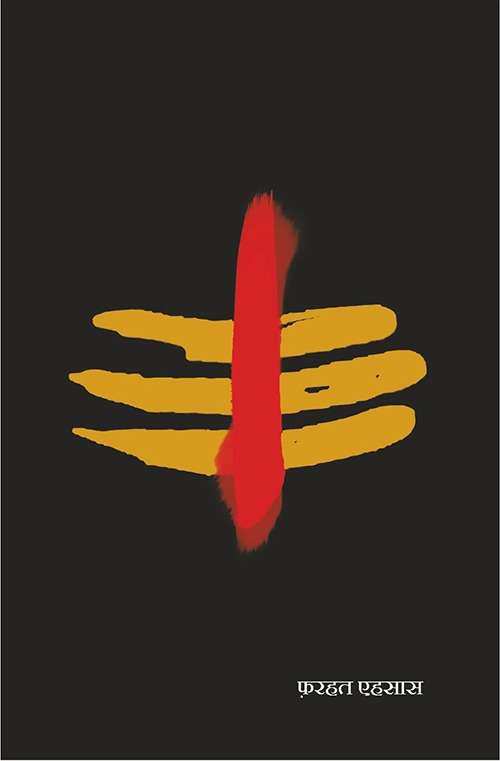
Mujhko Meri Yaad Aa Rahi Hai
- Author Name:
Farhat Ehsas
- Book Type:
- Description:
The book “Mujh Ko Meri Yaad Aa Rahi Hai: Farhat Ehsaas,” published by Rekhta Publications, is also significant because it includes his poetic works from 1973 to 2023. It contains both ghazals and poems that vividly reflect life's unevenness, human psychology, emotions and feelings, personal anguish, social deviations, societal changes, and a clear spirit of rebellion against tradition. Farhat Ehsaas was born on 25 December 1950 in Bahraich (Uttar Pradesh). After completing his education at Aligarh Muslim University, he became associated with the urduweekly newspaper “Hujuum.” He has proficiency in Urdu, Hindi, Biraj, Awadhi, and various other Indian languages, as well as in English and Western literature. The poetry of Farhat Ehsaas is poetry of life itself. Every aspect of human psychology, emotions, and feelings appears to breathe within it. Rebellion against long-standing and worn-out traditions is an important characteristic of his poetry. His poetry collections “Main Rona Chahta Hoon,” “Shaayari Nahin Hai Yeh,” and “Qashqa Kheencha Dair Mein Baitha” are significant links in this continuum.

Shri Hanuman Chalisa
- Author Name:
Sanjiv Saraf +1
- Book Type:
- Description:
Shri Hanuman Chalisa' by Goswami Tulsidas is one of the most recited devotional compositions which extols the virtues of Lord Hanuman. The original text of the Chalisa is in Avadhi. This unique book aims to extend tie reach of this marvelous work to a wider audience with rhymed English and urdutranslations. Attractive illustrations for each verse and QR codes of mesmerizing renditions make this an invaluable collectible. Sanjiv Saraf is an industrialist, investor, and social entrepreneur with a deep passion for urdupoetry. He founded Rekhta Foundation, the world’s largest resource for urduliterature, focusing on preserving texts and engaging youth through events. An alumnus of Scindia School (1975) and IIT Kharagpur (1980), he spent over 30 years in business, founding Polyplex Corporation Ltd., Manupatra, and ventures in green energy before fully dedicating himself to urduliterature, which he finds the most fulfilling. He has received several honors, including a Doctor of Letters from Maulana Azad National urduUniversity (2016) and the National Sir Syed Excellence Award (2018) from the AMU. Farhat Ehsas: Prominent urdupoet Farhat Ehsas (Farhatullah Khan) was born in Bahraich, Uttar Pradesh. An alumnus of Aligarh Muslim University, Farhat Ehsas co-edited the urduweekly Hujoom in 1979, published from Delhi. In 1987, he joined the urdudaily Qaumi Awaz in Delhi, editing its Sunday edition and setting new standards for creative and intellectual journalism in Urdu. He worked at Jamia Millia Islamia from 1998, co-editing two research journals. Farhat Ehsas also contributed to All India Radio and BBC urduService. Known for his intellectual depth, he has deep interests in Indian and Western literature and philosophy. He is currently the Editor-in-Chief at Rekhta Foundation.

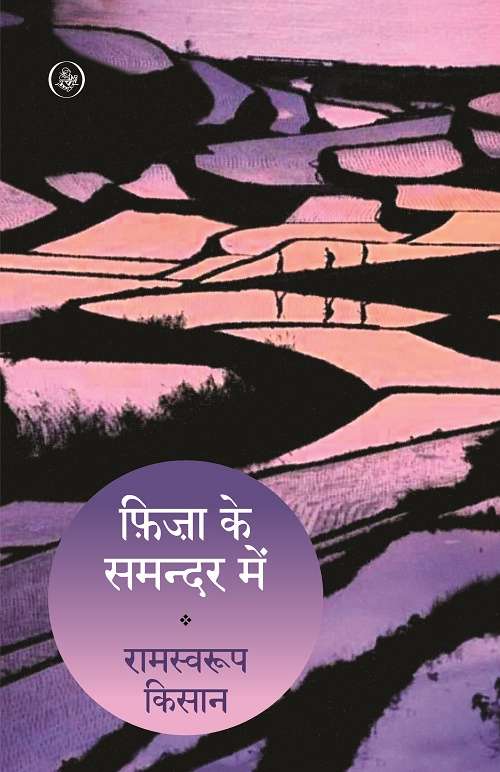
Fiza Ke Samandar Mein
- Author Name:
Ramswaroop Kisan
- Book Type:
- Description:
ग्रामीण जीवन के अनूठे चित्र और मनुष्य के संसार के ऐसे बिम्ब जिन पर सामान्यतः हमारी निगाह कम ही ठहरती है, रामस्वरूप किसान की कविताओं में बहुतायत से मिलते हैं।
मिसाल के तौर पर इस संग्रह की पहली ही कविता-शृंखला ‘पीठ’ को लिया जा सकता है जिसमें कुल सोलह कविताएँ शामिल हैं। ‘पीठ एक कारुणिक क्षेत्र’ है जिसे देखकर कवि-मन बार-बार कभी अपने भीतर और कभी बाहर की ओर एक प्रश्नाकुल चिन्तन-यात्रा पर निकल जाता है।
‘फ़िज़ा के समन्दर में’ शीर्षक कविता-शृंखला की ग्यारह कविताएँ पुनः कवि की विशिष्ट दृष्टि का पता देती हैं जिसमें प्रेम के लिए घर से भागती हुई लड़की हमें और हमारे समाज को पुनः पुनः सवालों के घेरे में खड़ा कर देती है—
यह रहा/तुम्हारा दूल्हा/साथ-साथ रहोगे तो/प्यार हो जाएगा/पापा ने कहा।...नहीं, ऐसा कहो पापा/यह रहा तुम्हारा प्यार/साथ-साथ रहोगे/तो दूल्हा हो जाएगा।
संग्रह में शामिल अधिकांश कविताएँ इसी तरह पाठक को सहसा चौंका देती हैं और हमारी देखी जानी चीज़ों को नये ढंग से हमारे सामने ला देती हैं।
आम जन-जीवन के दैनन्दिन दुखों, व्यवस्था-जनित असहायताओं और मनुष्य की आन्तरिक और बाह्य पीड़ाओं के साथ इन कविताओं की राजनैतिक चेतना भी मुखर रूप में सामने आती है—
पब्लिक लड़ती है चुनाव—पैसों से/बातों से/लातों से/भालों-बन्दूक़ों-तलवारों से/ख़ून के फ़व्वारों से/और लड़ा-लड़ाया चुनाव/उनके गले में डाल देती है.../वे चुनाव नहीं लड़ते/वे तो पहनते हैं चुनाव।
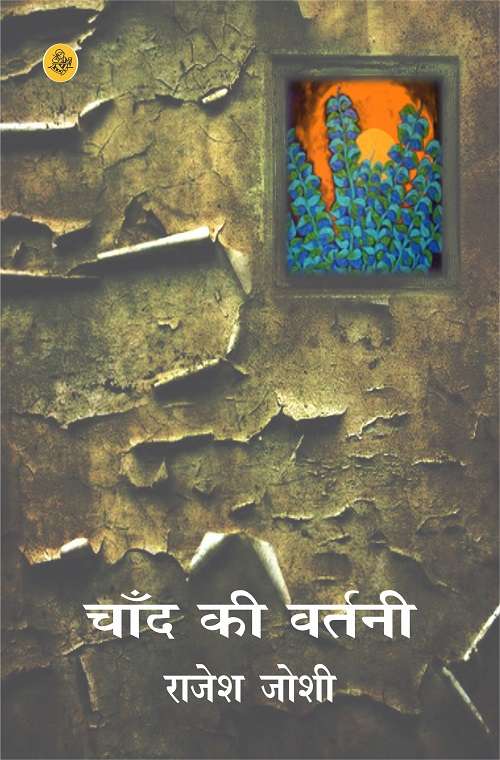
Chand Ki Vartani
- Author Name:
Rajesh Joshi
- Book Type:
- Description:
राजेश जोशी का यह कविता-संग्रह हिन्दी कविता का एक नया शिखर है। तीन दशकों से भी अधिक की काव्य-साधना एवं जीवन के लगभग साठ वसन्तों की हरीतिमा से दीप्त यह संग्रह अनेक स्वरों का विलक्षण पुंज है। राजेश ने न केवल अपने को बदला है, बल्कि अपने को बदलते हुए समस्त समकालीन काव्य में सर्वथा नए घूर्ण उत्पन्न कर दिए हैं। वे सारे गुण और स्वाद जिनके लिए राजेश जोशी जाने और माने जाते हैं, यहाँ अपनी पूर्णता एवं सौष्ठव के साथ उपस्थित हैं, साथ ही बहुत कुछ ऐसा भी है जो नितान्त अप्रत्याशित पर आह्लादकारी है और वह है जीवन को उसकी जटिलता में जाकर देखने का उपक्रम, सभी तहों-परतों को उलट-पुलट अनुभव के नामिक तक उत्खनन का धैर्य—‘दिखने में जो अक्सर आसान से दिखते हैं एक कवि को करने होते हैं ऐसे कई पेचीदा काम’। और इसके लिए राजेश तदनुरूप भाषा की खोज भी करते हैं, बनी-बनाई भाषिक आदतों को छोड़ते हुए वह अभिव्यक्ति के ख़तरे उठाते हैं—‘ताप से भरे शब्दों’ को ढूँढ़ते दूर बीहड़ में जाते हैं और ‘आँसुओं के लिए’ भी ढूँढ़ लाते हैं वैसे ही ‘पारदर्शी शब्द’। राजेश की कविता हमारे समय का ऐसा संघनित दस्तावेज़ है कि केवल उसके आधार पर हम समकालीन भारत का एक दृश्य-लेख बना सकते हैं। इतने तात्कालिक ब्योरे हैं यहाँ, इतने प्रसंग, पात्र और राजनीतिक-सामाजिक उद्वेलन। साथ ही उनकी कविता जीवन के उन तन्तुओं की खोज करती है जहाँ उन उद्वेलनों का कम्प सबसे तीव्र है, और उन लोगों का यशोगान करती है जो निरन्तर संघर्ष करते हुए जीवन को बदलने का ताब रखते हैं। उनकी कविता साहस के साथ सत्ता के सभी पायदानों पर वार करती है, एक विराट सत्ता जो अर्थव्यवस्था से लेकर हमारी रसोई तक व्याप्त है। नागार्जुन और धूमिल के बाद सत्ता के तिलिस्म को उघाड़नेवाले सर्वाधिक सशक्त कवि राजेशी जोशी हैं। आख्यान, कथोपकथन, लोक-कथाओं के स्वप्न-वृत्तान्त, जातीय मिथक, अतियथार्थ के खम, सपाटबयानी, शब्दों के खेल और कल्पना-क्रीड़ा, फंतासी सब कुछ मिलकर एक नया रसायन बनाते हैं जो अन्यत्र दुलर्भ है। राजेश की कविता अब भाषा के नए उपकरणों एवं आयुधों का व्यवहार करती है तथा कविता को वहाँ ले जाती है जहाँ भाषा ‘अर्थ से अधिक अभिप्रायों में निवास करती है’। यह ठोस जगत् की, ठोस जीवन की कविता है उर्फ़ चाँद की वर्तनी नीले नभ पर। — अरुण कमल
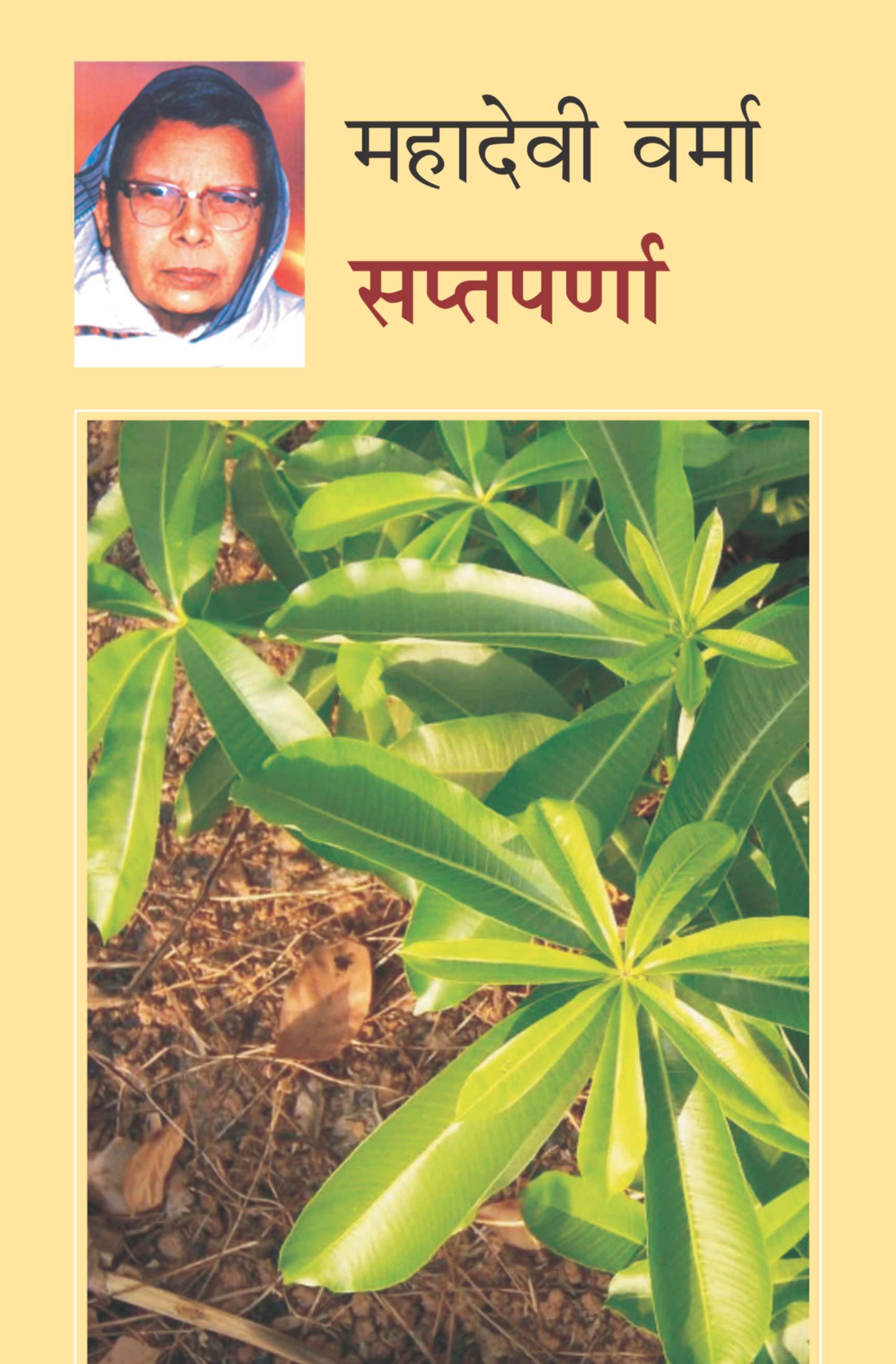
Saptaparna
- Author Name:
Mahadevi Verma
- Book Type:
- Description:
मनुष्य की स्थूल पार्थिव सत्ता उसकी रंग-रूपमयी आकृति में व्यक्त होती है। उसके बौद्धिक संगठन से जीवन और जगत सम्बन्धी अनेक जिज्ञासाओं, उनके तत्त्व के शोध और समाधान के प्रयास, चिन्तन की दिशा आदि संचालित और संयमित होते हैं! उसकी रागात्मक वृत्तियों का संघात उसके सौन्दर्य-संवेदन, जीवन और जगत के प्रति आकर्षण-विकर्षण, उन्हें अनुकूल और मधुर बनाने की इच्छा, उसे अन्य मानवों की इच्छा से सम्पृक्त कर अधिक विस्तार देने की कामना और उसकी कर्म-परिणति आदि का सर्जक है।
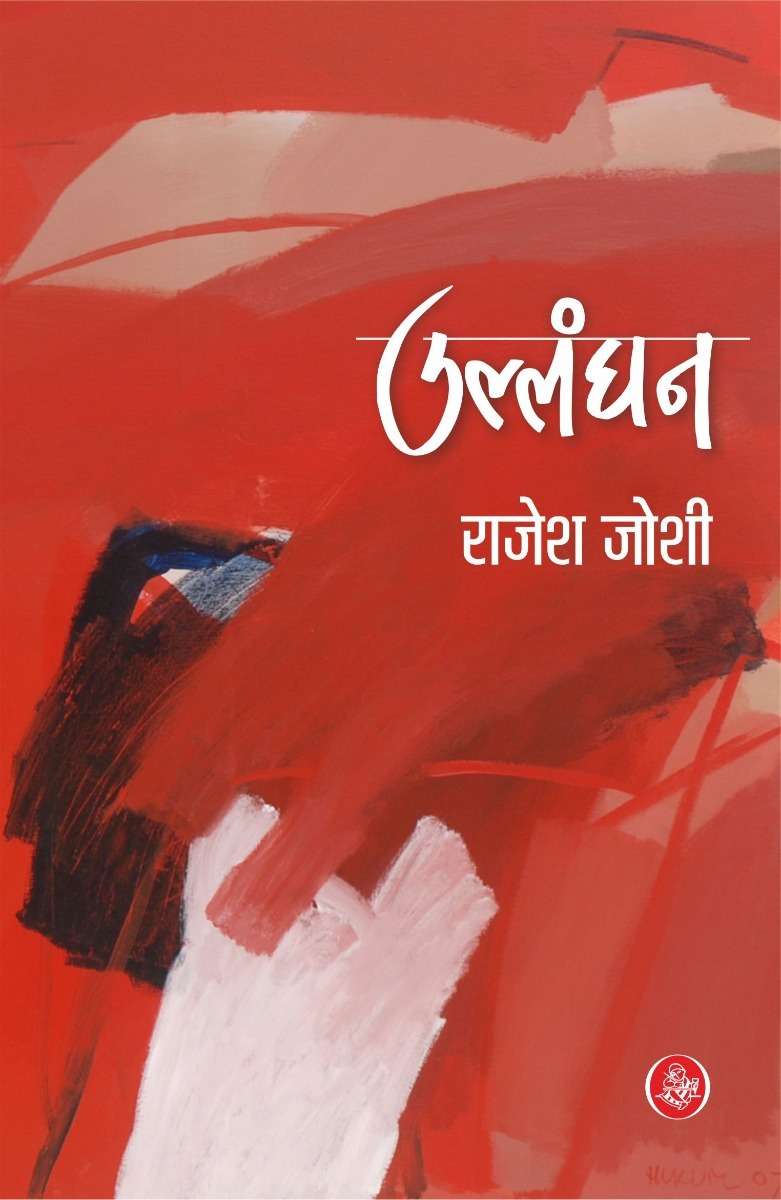
Ullanghan
- Author Name:
Rajesh Joshi
- Book Type:
- Description:
उल्लंघन संग्रह में कवि हुक्म-उदूली की अपनी प्राकृतिक इच्छा से आरम्भ करते हुए मौजूदा दौर की उन विवशताओं से अपनी असहमति और विरोध जताता है, जिन्हें सत्ता हमारी दिनचर्या का स्वाभाविक हिस्सा बनाने पर आमादा है।
एक ऐसे समय में ‘जिसमें न स्मृतियाँ बची हैं/न स्वप्न और जहाँ लोकतंत्र एक प्रहसन में बदल रहा है/एक विदूषक किसी तानाशाह की मिमिक्री कर रहा है’—ये कविताएँ हमें निर्प्रश्न अनुकरणीयता के मायाजाल से निकलने का रास्ता भी देती हैं, और तर्क भी।
कवि देख पा रहा है कि ‘सिकुड़ते हुए इस जनतंत्र में सिर्फ़ सन्देह बचा है’, ताक़त के शिखरों पर बैठे लोग नागरिकों को शक की निगाह से देखते हैं, तरह-तरह के हुक्मों से अपने को मापते हैं; कहते हैं कि साबित करो, तुम जहाँ हो वहाँ होने के लिए कितने वैध हो, और तब कविता जवाब देती है–‘ओ हुक्मरानो/मैं स्वर्ग को भूलकर ही आया हूँ इस धरती पर/तुम अगर मुझे नागरिक मानने से इनकार करते हो/तो मैं भी इनकार करता हूँ /इनकार करता हूँ तुम्हें सरकार मानने से!’
लगातार गहरे होते राजनीतिक-सामाजिक घटाटोप के विरुद्ध पिछले चार-पाँच सालों में जो स्वर मुखर रहते आए हैं, राजेश जोशी उनमें सबसे आगे की पाँत में रहे हैं। इस संग्रह की ज़्यादातर कविताएँ इसी दौर में लिखी गई हैं। कुछ कविताएँ महामारी के जारी दौर को भी सम्बोधित हैं जिसने सामाजिक ताने-बाने को छिन्न-भिन्न करने के सरकारी उद्यम पर जैसे एक औपचारिक मुहर ही लगा दी–‘सारी सड़कों पर पसरा है सन्नाटा/बन्द हैं सारे घरों के दरवाज़े/एक भयानक पागलपन पल रहा है दरवाज़ों के पीछे/दीवार फोड़कर निकल आएगा जो/किसी भी समय बाहर/और फैल जाएगा सारी सड़कों पर!’
Customer Reviews
Be the first to write a review...