
The Seven Tears of God
₹
120
102 (15% off)
Unavailable
What happens when a human is suddenly chosen and reaches an isolated island? Far from everyone he knew, with other species, he fears? Species he disgusted and species he didn’t even know existed? Join Sir Antonio de Iden III, a Nobel Aristocrat, who sets out on an adventure after being chosen by a golden coin that allows him to ask God to grant him one wish. One wish to change his past, future or anything that he wants. He soon realises that he is not the only one chosen by the mysterious coin, leading him to a secluded island along with other chosen ones from different species – beasts, elves, demons and more. Welcome to a world full of desires, sins, curses, dreams, and how one wish can be the hardest choice ever. Will their wishes lead them one step towards their destinies? Or will it change their destiny forever?
Read moreFormat:
About the Book
What happens when a human is suddenly chosen and reaches an isolated island? Far from everyone he knew, with other species, he fears? Species he disgusted and species he didn’t even know existed?
Join Sir Antonio de Iden III, a Nobel Aristocrat, who sets out on an adventure after being chosen by a golden coin that allows him to ask God to grant him one wish.
One wish to change his past, future or anything that he wants.
He soon realises that he is not the only one chosen by the mysterious coin, leading him to a secluded island along with other chosen ones from different species – beasts, elves, demons and more.
Welcome to a world full of desires, sins, curses, dreams, and how one wish can be the hardest choice ever. Will their wishes lead them one step towards their destinies? Or will it change their destiny forever?
Book Details
Rahashyamayi Safar
- Author Name:
Devendra Prashad
- Book Type:

- Description:
अनजान रहस्यमयी टापू, खौफनाक कहानी और रहस्यमयी सफ़र डबडबा टापू की भूमि पर जहाँ वीरता और बलिदान की कहानियाँ कदम-कदम पर नज़र आती थी, वहीं अब कदम-कदम पर नज़र आता है, रहस्य और रोमांच से परे एक ऐसा अद्भुत संसार जो अपनी बर्बरता की दास्तां ख़ुद कहता है। वहीं दूसरी तरफ़ है कालुभर टापू, जहाँ शाम के साये गहराने लगते हैं तो हवा में एक रहस्यमयी-सी सरसराहट घुल जाती है। अपनी ही आहट से हृदय की धड़कने रुकने को अक्सर विवश हो जाती है। अटल के घुमक्कड़ी के शौक ने उसे निशा से मिलवाया, जिसके मोहपाश में फँसकर वह पहुँच गया, हर चौबीस साल में जलमग्न हो जाने टापुओं पर। यहाँ उसका सामना हो रहा था ऐसे अतीत से, जिसके वर्तमान में खुद को पाकर, वह अपने भविष्य को लेकर चिंतित हो चला था। कैसा था ये रहस्यमयी सफर ? क्या अटल को मिल पाई थी निशा? आखिर कौन थी ये निशा? क्या निशा कोई थी या थी कोई मरीचिका?

Kinchulka : shuddham sharnam gachchami
- Author Name:
Vikas Bhanti
- Book Type:
- Description:
सुखदुःखे समे कृत्वा लाभालाभौ जयाजयौ । ततो युद्धाय युज्यस्व नैवं पापमवाप्स्यसि।। अर्थात्: जय-पराजय, लाभ-हानि और सुख-दुख को समान समझकर, उसके बाद युद्ध के लिए तैयार हो जा, इस प्रकार युद्ध करने से तू पाप को नहीं प्राप्त होगा। युद्ध एक विभीषिका है जो मानव ही नहीं बल्कि प्रकृति को भी आतंकित करती है, पर क्या किया जाये यदि उसके अतिरिक्त कोई भी विकल्प ही नहीं बचे। विज्ञान की ताक़तों से बनाया गया महामनव जब विज्ञान के लिए ही ख़तरा साबित होने लगे तब क्या करे विज्ञान, किसी अन्य सकती का उदय और अगर वह भी हावी होने लगे तब? विज्ञान को तुच्छ करने का सामर्थ्य केवल ईश्वर ही रखता है। यदा यदा हि धर्मस्य ग्लानिर्भवति भारत। अभ्युत्थानमधर्मस्य तदात्मानं सृजाम्यहम्।। महामनव शील और भारत के साधारण सिपाही वल्लभ के बीच के युद्ध की कहानी है, किंचुलका: शुद्धं शरणं गच्छामि

Jadui Jungle aur Ashwamanavon ki wapsi
- Author Name:
Mithilesh Gupta
- Book Type:
- Description:
ये कहानी कई सौ बरस पुरानी है.. ये कहानी है उस जंगल की, जो न सिर्फ जादुई था, बल्कि कुछ अजीबोगरीब रहस्यों से भरा हुआ था। ये कहानी है उन अश्वमानवों की, जिन पर कभी इस जंगल का भविष्य निर्भर था। ये कहानी उन तिलिस्मी वृक्षों की भी है जिन्होंने जंगल के इतिहास को करीब से देखा और जिनकी हुकूमत उस जादुई जंगल के कोने-कोने तक फैली हुई थी! लेकिन वक्त बदला और एक दुष्ट सर्प 'सर्पांग' ने उस सुनहरे जंगल को अपनी विषैली शक्तियों के आगोश में ले लिया। और फिर वह जादुई जंगल व उसके विलक्षण प्राणी फिर कभी किसी को नजर नहीं आए। 1300 साल बाद, फिर समय बदला और अब 'अश्वमानवों' को देखा जाना इस बात का सुबूत है कि वाकई कुछ जादुई घटनाएं घटने वाली है। लेकिन क्या... कोई नहीं जानता...

Arnayam Ka Rakshak
- Author Name:
Bhanupratap Yadav 'Shubharambh'
- Book Type:
- Description:
रामायण काल की एक घटना जो इतिहास के पन्नों से मिट चुकी है। जिसने क्रूरता और षड्यंत्र की सारी सीमाएँ लांघ कर रच दिया था एक रक्त रंजित इतिहास। यह कहानी है इतिहास के अंधकार में खो चुके एक विशाल साम्राज्य की। एक घटना और जिसके पीछे छिपा हुआ है वह भयावह रहस्य जो आने वाले समय में शापित भूमि एर्यनम को फिर से पुनर्जीवित कर देने वाला था। इस संतप्त भूमि के उद्धार हेतु अवतरित हुआ वह योद्धा, जो कहलाया एर्यनम का रक्षक। जागृत हो चुके हैं ग्यारह हज़ार वर्षों तक मृत पड़े दानवीय योद्धा। तो क्या प्रारंभ हो चुका है एक और विध्वंस? लेकिन सबसे बड़ा प्रश्न क्या एर्यनम का रक्षक कर पाएगा इन सभी दुष्टों का संहार और बचा पाएगा अपनी मातृभूमि को? एक महागठा, संतप्त भूमि बेरुंडा रचना (चतुर्थांश) की पहली कड़ी

Adventure of Konchige
- Author Name:
Anupama K Benachinamardi
- Book Type:
- Description:
Konchige is a captivating tale of a small hat that accidentally flew away in the wind one day. As it embarked on its adventurous journey, it encountered various daring experiences. This story unfolds the enchanting journey of the hat and reveals its fate.

Detective Pranav
- Author Name:
Anupama K Benachinamardi
- Book Type:
- Description:
Detective Pranav is a story about a young boy filled with imagination who often finds himself in trouble. Join him as he navigates through his investigation to prove his innocence and get to the bottom of mischief he is not guilty of!

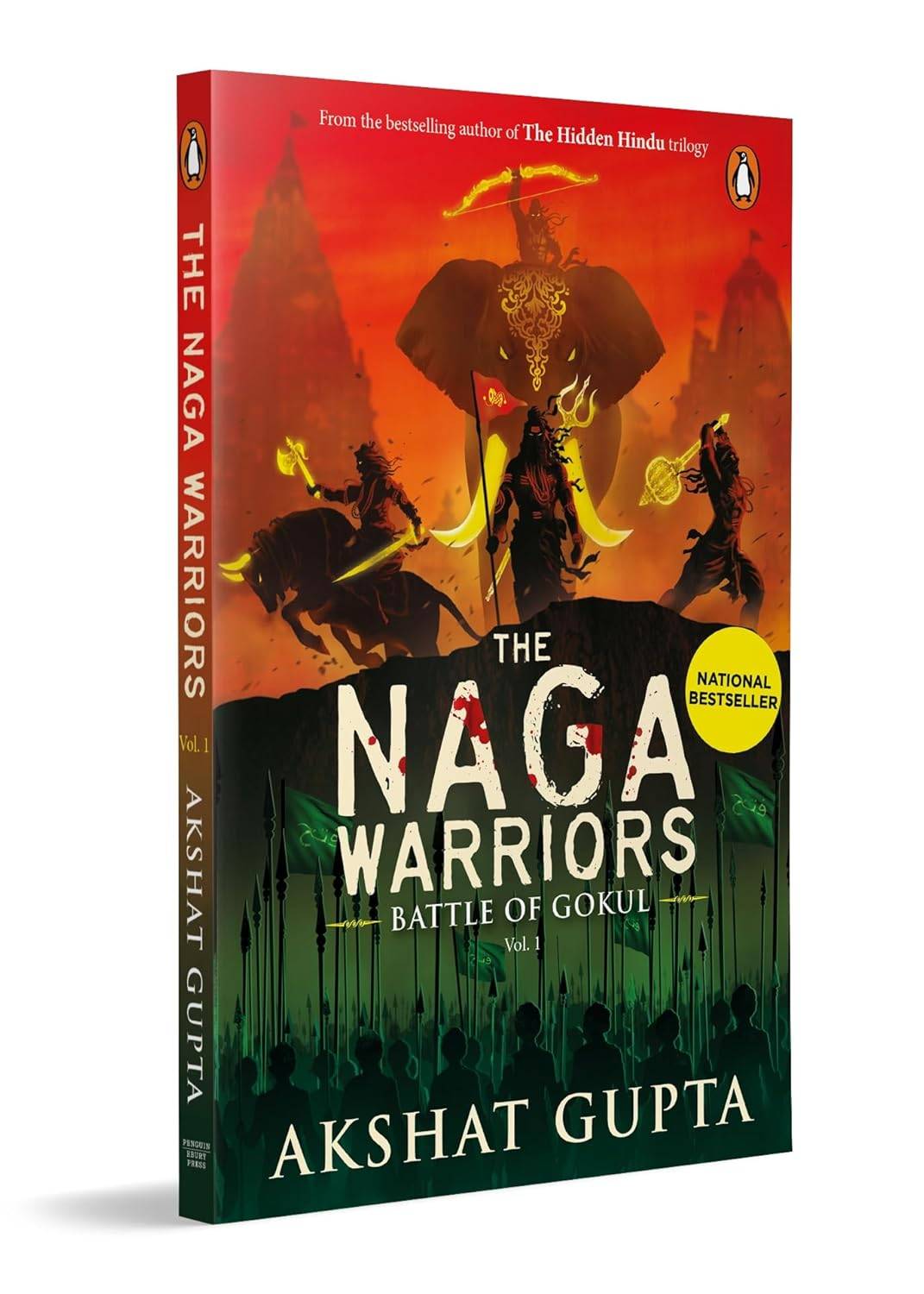
The Naga Warriors : Battle of Gokul Vol 1
- Author Name:
Akshat Gupta
- Book Type:
- Description:
To prepare for the future, our ancestors created the Naga sadhus―a clan of warriors for the protection of Dharma, as proclaimed by Adi Guru Shankaracharya in the eighth century. This sect of Shiva devotees has stood firm, living selflessly and fighting fearlessly. For centuries, they have died the death of heroes, serving and saving Dharma and the temples. In the year 1757, 111 Naga sadhus borrowed the majestic weapons of the idols of their gods. Fueled by their belief in Lord Shiva, they gathered an invincible courage to protect the temples of Gokul. They stood as an indestructible wall, led by Ajaa, a fearless Naga warrior, against the Afghan army of 4000 men, a cavalry of 200 horses and 100 camels, and 20 cannons. The brutal Afghan army was led by Sardar Khan, the most ruthless commander of Emperor Ahmed Shah Abdali, ill-famed for the demolition of temples and building a history of genocide in Bharat. The fight continues. This is the Naga warrior’s commitment to courage and determination. This is the clash of Shiva devotees against the devils that lie under men’s skin. This is the Battle of Gokul.
Bhag Chudail Bhag
- Author Name:
Devendra Pandey
- Book Type:
- Description:
अपनी नीरस और बोझिल जिंदगी से परेशान प्रीतम के पास दोस्त के नाम पर केवल केशव था, केशव जो अपनी ही अजीबोगरीब दुनिया में खोया रहता था। रोजमर्रा की इस बेमकसद जिंदगी में उन्हें किसी रोमांच की तलाश थी। और एक दिन मुम्बई की बरसात में वह मिली। अजीब, रहस्यमय और बला की खूबसूरत। लेकिन उनकी जिंदगी में आने वाली वह अकेली नही थी, उसके साथ आई थी कुछ अनचाही अनजानी मुसीबतें। वह कहते है ना इश्क का भूत सिर चढ़ कर बोलता है। लेकिन यहां तो इश्क वाकई भूत बना हुआ था। माईथोलॉजी, प्रेम, आदि जैसे विषयों पर लिखने वाले लेखक देवेन्द्र पाण्डेय इस बार लेकर आए हैं ‘हॉरर रोमांटिक कॉमेडी’ (Horror RomCom) नाम की विधा की हिन्दी की पहली पुस्तक ।

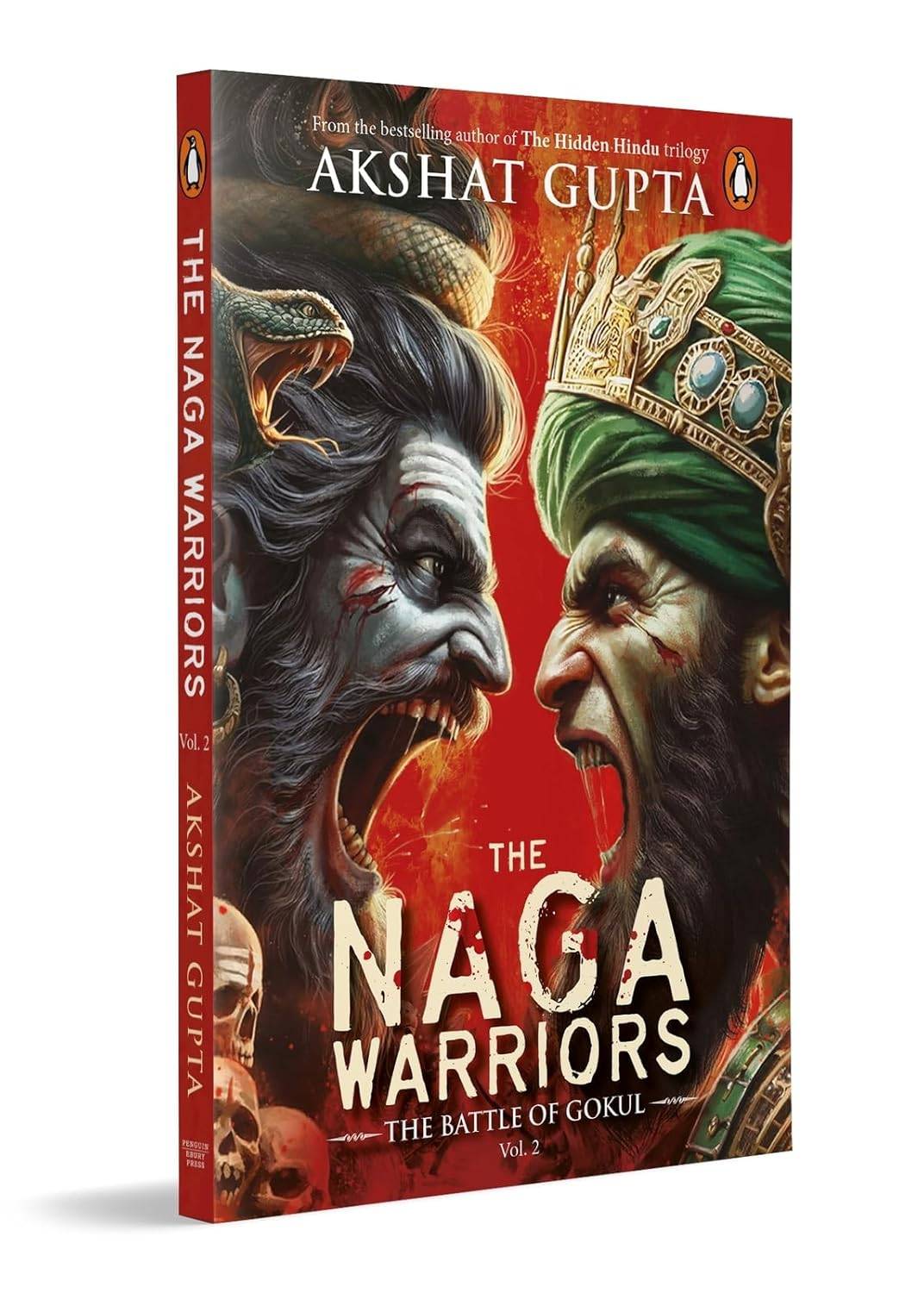
The Naga Warriors : Battle of Gokul Vol 2
- Author Name:
Akshat Gupta
- Book Type:
- Description:
Who is nameless Naga? What became of the remaining eighteen sadhus and sadhvis who stood against the brutal Afghans? Where does Krishna go with his unflinching devotion? And what does the mysterious Adhiraj know about the real war being fought―inside the hearts of those who dare to pursue their legacy, as much as in the fields? What is the fate of Ahmad Shah Abdali? What will become of Gokul? Will the Nagas retain the Dharma they fought so valiantly to protect? The story follows fate, myth, and history that dance together in a way that is truly epic. A tale of fidelity, selflessness, and unwavering commitment brings together mystical fighters, mesmerized troops, and formidable avatars. Get ready for an adventure where each response raises a new query and where the shockingly brave and betrayed moments disclose the real stakes. Explore the thrilling follow-up to The Naga Warriors as the nameless Naga solves the puzzles.
Watchers of Time
- Author Name:
Fatma Burçak
- Book Type:
- Description:
When four children whisper the same impossible wish without knowing it, time itself begins to listen. Ezo, Nes, Teo, and Zer are swept away from their ordinary lives into the Time Garden, a strange realm where seconds breathe, hours watch, and nothing moves as it should. Guided by Rapus, the wise goat who guards the past, and Temora, the curious watcher of the future, the children must make sense of a world ruled by ticking hands and hidden choices. As time teeters on the edge of stopping, the four must discover what their wish truly means and whether time should be halted, understood, or protected. Watchers of Time is a spellbinding, fast-paced adventure that explores time, choice, and the world we inhabit through a child’s eyes.

The Chronicles of The Last Timesmith
- Author Name:
Mia Lecomte
- Book Type:
- Description:
Inspired by the freedom movement of Bangladesh, Dipen Bhattacharya conjures a one of a kind fantasy of alternating timescapes and realities. Rebellion and remembrances join in one unique chorus to narrate a timeless saga of love,war, hope and inspirations.

Golden Five ke Karnaame
- Author Name:
Neha Arora
- Book Type:
- Description:
गोल्डन फाइव - पाँच दोस्त - विवान, मान्या, हेयांश, किमाया और करनव। पाँचों एक से बढ़कर एक होशियार और जिज्ञासु। जिनके आगे हर रहस्य पड़ जाता है छोटा। जो मिलकर निकले हैं कुछ रहस्यों को सुलझाने। एक पुराने खण्डहर के पास खेलते हुए मिला उन्हें एक प्राचीन बॉक्स, जिसमें क़ैद है एक ख़ज़ाने का रहस्य। कैसा है ये खज़ाना? और इस रहस्य को सुलझाने में आखिर किन-किन मुसीबतों का करना पड़ा सामना? यह रहस्य अभी सुलझा ही था कि ‘गोल्डन फ़ाइव’ टीम एक चमकते पत्थर का रहस्य सुलझाने एक ऐसे गाँव पहुंची, जोकि नक़्शे में भी नहीं था। क्या इस पत्थर का महाभारत से कोई था नाता? या थी यह कोई साज़िश। पढ़िए गोल्डन फाइव का पहला रोमांचक कारनामा और मिलकर उठाइए इन रहस्यों पर से पर्दा।

Chandausi Junction
- Author Name:
Shankar Sahay
- Book Type:

- Description:
A collection of short-stories set in the 20th Century India for the 21st Century kids & a nostalgic walk, for their parents & grandparents. Although this book has been named after the city of Chandausi, it contains stories from various places like Rishikesh, Agra, Champaran, Tilhar, Sambhal, Kanpur, Banaras, Lucknow and many others. These are the short stories of a bygone era-a period when India had either not gained independence or had been independent for not more than 35 years. These are the tales of journeys-taken up from the early 20th century to the end of a millennium, from Shahjahanpur to Delhi, from Bijnor to Hyderabad, from Hathras to Sweden & Norway, from Lakshmi Talkies, Allahabad to Night Watchman, Bangalore, from Panki to USA, from Dehradun to Canada, from Chandausi to Australia and many others. We are sure in all these stories, you will be able to find at least one character, which reminds you of your own self-of what you are, were or always wanted to be. Let us know the character with whom you have been able to relate to the most. Happy reading. “Genius is one percent inspiration and 99 percent perspiration,”-Thomas A. Edison. -Here’s a collection of short stories to inspire the readers.

Unjudging Women
- Author Name:
Rachna Chaudhary
- Book Type:
- Description:
This book is based on a critical feminist reading of selected Delhi High Court judgements pronounced in the 1990s. It focuses on the phenomenon of female criminality and the pervasiveness of the disciplinary powers of law in our lives. Through an overview of existing studies on female crime in India and the interaction with the working) of the law and the legal system, This engagement pushes our understanding of law from an instrument of control and mode of social transformation to mere rhetoric. Not to argue for the futility of engaging with the law but emphasising the need to look at it closely and critically.

Kailas: Shiva's Abode
- Author Name:
Hemant Sharma +2
- Book Type:
- Description:
Wanderlust and the desire to know the land and society more had been fueling my wish to visit Kailas. There were many curiosities. All our major rivers have their source in the region. The largest reservoir of fresh water on earth is situated there. The celestial swans are found there. I recall that how in my childhood, my Grandmother used to describe Kailas as being akin to a dreamland. According to her, Shri Krishna has said in the Gita – Meruru shikhirinamaham – ‘Among mountains I am Kailas!’ It was Sage Mandhata who first set foot on this sacred soil. Adi Shankaracharya shed his mortal body here. Guru Nanak meditated here and Swaminarayana, the founder of the sect that bears his name, saw the vision of god here. The Ramayana and the Mahabharata mention Kailas. This is where Ravana had worshipped Lord Shiva. He wanted to take Kailas with him. Shiva guilefully dissuaded him from doing so. Arjuna performed penance here and received the Pashupata Astra from Shiva. Yudhishthir proceeded heavenwards via this route. One by one, all the family members fell by the roadside; only the faithful dog kept company. Bhasmasur, the Rakshas, a devotee of Shiva was reduced to cinders here. Today the dark shadow of civilisation has begun to fall even on Mansarovar. This lake is shrinking. The sacred water body, that once stretched across 410 square kilometres, is now shrunk to only 10 square kilometres. Consider this the rage of Nature. Had Kalidasa been alive, he would have been deeply saddened to see his beloved Himalaya in this state. Is it the same Himalaya that is described in Raghuvamsham and Kumar Sambhavam? Civilisation has reached a point where the divine dimensions of Himalaya are disturbed.

Case Files of The Dead
- Author Name:
Various Authors
- Book Type:
- Description:
Welcome to a mysterious land where ghosts. Ghouls and spirits rule. Welcome to a place where haunted houses and evil souls will make a shiver run down your spine. A spooky tale in the scenic hills of Mussoorie awaits you while uncanny happenings in a literary competition are sure to intrigue you. The case of a mysterious white Maruti baffles everyone, even as the unsuspecting jogger experiences something he had never bargained for. A group of friends will encounter the worst terror of their lives while nightmares of his death rack the young man! Author's In and The Book Bakers present an eclectic mix of true stories, legends, and fables that have often been a part of India's folklore—armed with some of the best authors in India's paranormal literature history. CASE FILES OF THE DEAD; India's first pure horror public anthology will turn every host into (G)Host!!!

An Alternative Perspective On Education
- Author Name:
Atul Kothari
- Book Type:
- Description:
Education is the foundation of the development of any country. But in our country, the First Education Policy was framed in 1968, 21 years after independence; the second policy was formulated in 1986; 34 years later, India got the National Educational Policy-2020 on 25th July, 2020. Besides these, certain commissions were also constituted for reforms in education, which made some good recommendations, but these could not be implemented for sheer want of political will. For an instance, the Kothari Commission in 1968, recommended 6 per cent of Gross Domestic Product (GDP) for expenditure on education, which was also adopted by the Education Policy-1986, but this is yet to be translated into practice. If we ignore pre-colonial period, the Bharat of post-independence has not yet been able to determine the aim of education. Character building and moulding a human i.e. holistic development of personality should be the aim of education. Essays on related subjects are included in this book. To identify the issues and problems that plague the education, and their solution, we carried out basic but innovative experiments in schools, colleges and universities. The original experiences of these exercises have been penned down as articles and research papers. This book is an anthology of the related writings.

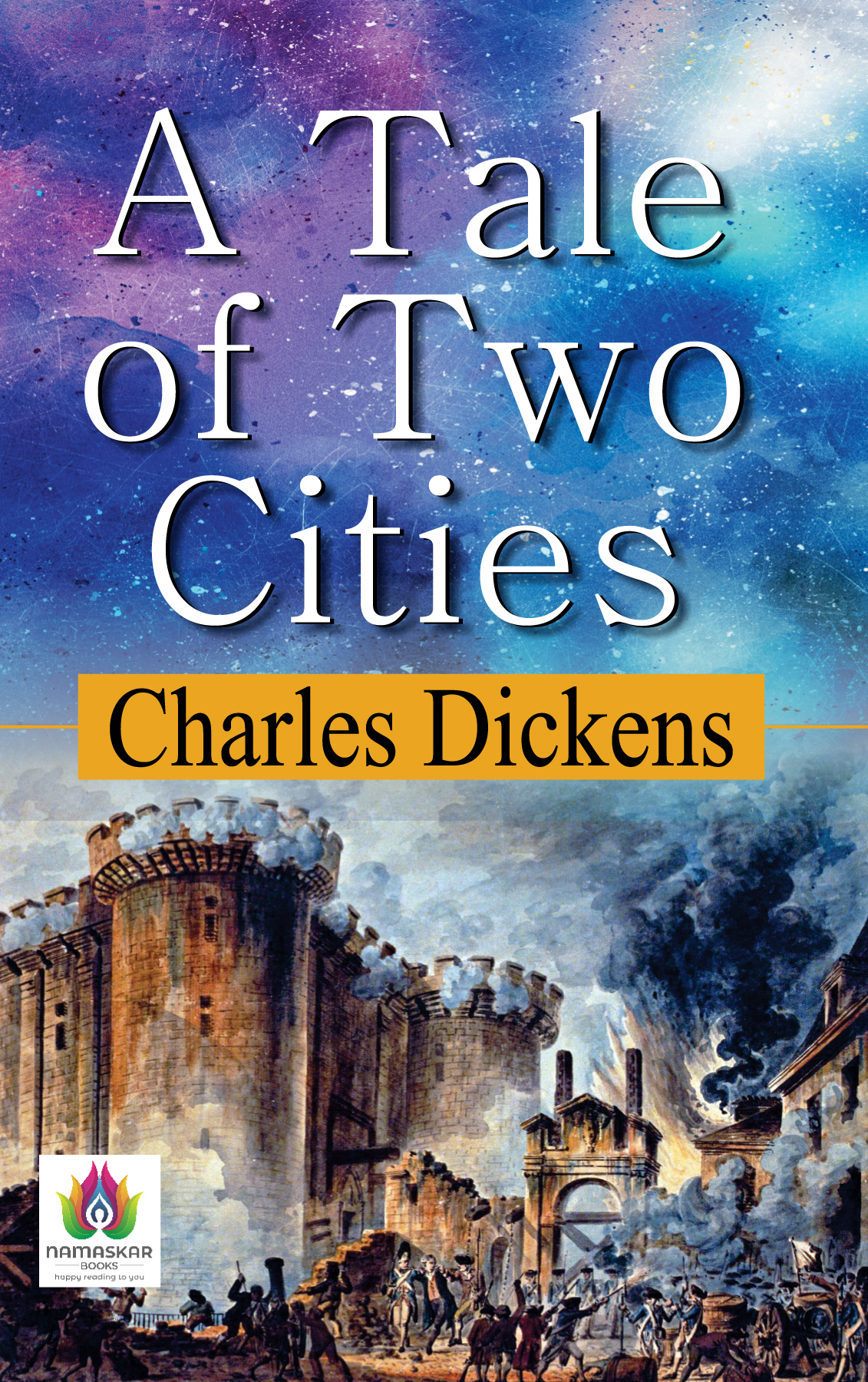
A TALE OF TWO CITIES
- Author Name:
Charles Dickens
- Book Type:
- Description:
This Book Doesnt have any Description.
Child Health And Nutrition In India
- Author Name:
Sanjay Prasad +2
- Book Type:
- Description:
This book is an attempt to present, in a consolidated form of research articles that can provide a common platform for communication and discussion about healthcare and service providers, functionaries, scholars and social workers involved with child health and nutrition. The scope of this book is to present an overview of child health, maternal health and community issues in India and also attempt to highlight some of the important issues in this field.

Where Love Was Sinful
- Author Name:
Chirasree Bose
- Book Type:

- Description:
A tangled love on the battlefield of sinners… Maya: I’ve arrived in Delhi to meet my husband’s family after six months of our wedding. But what should have been a celebration turns catastrophic and people begin to die. Has it got anything to do with my secret? Shaaman: I love my wife, Maya, and God knows I have tried to be what she likes. But as I step into this house, my maternal grandfather’s house, I can feel the demon in me waking. I need help. But…what if it’s too late? Aahil: Maya. She always called me a mystery. And so I am. The mystery that started it all. The mystery that will end it all. Sparing none, not even her. Witness the most gruesome game of love, greed, revenge, power, betrayal, and hate in a tale full of sinners, a tale where love was sinful.

Customer Reviews
03/07/2022
Shailendra Singh
good read
The Seven Tears of God opens with a premise that strips a nobleman of everything familiar: Sir Antonio de Iden III, a Nobel Aristocrat, is suddenly chosen by a golden coin and transported to an isolated island populated by species he has long feared, disgusted, and never imagined existed. What sets this fantasy apart is its psychological interrogation of prejudice under duress — Antonio must cooperate with the very beings he despises to pursue a single wish from God, one that could rewrite his past or future. The island becomes a crucible where survival depends not on swordsmanship but on unlearning disgust, and the revelation that others have been chosen by similar coins introduces a competitive edge to what begins as a solitary quest. The novel examines whether redemption is possible when it is instrumentalised, and whether a wish earned through forced tolerance holds any moral weight at all.
What kind of reading experience does The Seven Tears of God offer?
This novel delivers a morally uncomfortable fantasy that forces you to sit with a protagonist whose prejudices are laid bare from the first chapter. The pacing is deliberate, not action-driven — it rewards readers who enjoy watching internal resistance slowly erode under necessity. The emotional tone is tension-laden and introspective, as Antonio's disgust for the species around him collides with his desperate need for their cooperation. You finish the book questioning whether survival-driven change is genuine transformation or merely strategic performance, a question the narrative refuses to answer cleanly.
Who is this book best suited for, and what does it expect of its reader?
This is for readers who enjoy fantasy that prioritises moral complexity over world-building spectacle, and who are patient with protagonists who begin deeply flawed. It expects you to tolerate a nobleman whose disgust for non-human species is visceral and ugly, trusting that the narrative is interrogating that disgust rather than endorsing it. Fans of character-driven fantasy where the real conflict is internal — and readers interested in how forced proximity reshapes identity — will find this compelling. It assumes familiarity with quest narratives but subverts the genre's usual celebration of heroism.
What is the cultural significance of a wish-granting quest narrative to Indian readers today?
The motif of a single wish granted by divine intervention resonates deeply in Indian storytelling traditions, from the boons of rishis in the Mahabharata to folk tales where wishes reveal the wisher's true character. In contemporary India, where aspiration and ambition are both celebrated and scrutinised, a narrative that asks what one would sacrifice or compromise for a single wish feels culturally immediate. Antonio's journey — choosing between erasing the past or reshaping the future — mirrors the anxieties of a generation navigating inherited identity versus self-made destiny.
What makes this author's treatment of the isolated island quest distinctive?
Rather than presenting the island as a site of wonder or discovery, the author treats it as a space of enforced reckoning with prejudice. Antonio's disgust for the species he encounters is not a flaw to be quickly overcome but a structural obstacle that the narrative refuses to dissolve through easy camaraderie. The golden coin's choice of a nobleman — someone accustomed to hierarchies and entitled to comfort — introduces a class dimension rarely explored in multi-species fantasy. The revelation that Antonio is not alone in being chosen shifts the quest from solitary redemption to competitive survival, adding strategic tension to moral introspection.
What does this book leave the reader with emotionally and intellectually after finishing it?
You are left questioning whether change driven by necessity rather than conviction has any lasting value, and whether Antonio's arc represents growth or merely learned performance. Emotionally, the book resists catharsis — it does not grant the comfort of redemption cleanly earned or disgust fully purged. Intellectually, it lingers as a meditation on the ethics of wish fulfillment: whether a wish granted after forced tolerance carries moral weight, or whether it simply rewards strategic survival. The final pages refuse closure, leaving you to decide if Antonio's journey was one of transformation or transaction.