
A Window Lived in a Wall
₹
125
₹ 103.75 (17% off)
Unavailable
Raghuvar Prasad teaches Mathematics at a local college. He lives in a one-room rental eight miles away from his place of work. He travels to work by jitney, cramming into whatever space is left by other passengers, milk cans, winter blankets and vegetable baskets. The mode of transportation is unreliable; jitneys won't stop for him when they are full. A sadhu atop an elephant befriends him, offering him a ride to the college on his elephant. The Head of the Mathematics Department suggests that Raghuvar Prasad borrow the bicycle which seems to have been abandoned on the college verandah. Raghuvar Prasad tries these variations and wonders whether he shouldn't move closer to the college to save on travel costs. He has just been married. The day his wife Sonsi, arrives in town to begin their domestic life together, Raghuvar Prasad happens to come home mounted on an elephant. She imagines elephants are part of Raghuvar Prasad's usual lifestyle. Vinod Kumar Shukla's apparently slight novel reaches into the depths of feeling Raghuvar Prasad and Sonsi have for one another and for the world of lower-middle-class neighbours among whom they belong. Their possessions are meagre: the single room barely accommodates their bed, the water pot, the kitchen utensils and the tin box in which Sonsi keeps her precious things. But there is a magical place beyond the window that sustains Raghuvar Prasad's and Sonsi's spirit. This window lived in a wall.
Read moreFormat:
About the Book
Raghuvar Prasad teaches Mathematics at a local college. He lives in a one-room rental eight miles away from his place of work. He travels to work by jitney, cramming into whatever space is left by other passengers, milk cans, winter blankets and vegetable baskets. The mode of transportation is unreliable; jitneys won't stop for him when they are full. A sadhu atop an elephant befriends him, offering him a ride to the college on his elephant. The Head of the Mathematics Department suggests that Raghuvar Prasad borrow the bicycle which seems to have been abandoned on the college verandah. Raghuvar Prasad tries these variations and wonders whether he shouldn't move closer to the college to save on travel costs.
He has just been married. The day his wife Sonsi, arrives in town to begin their domestic life together, Raghuvar Prasad happens to come home mounted on an elephant. She imagines elephants are part of Raghuvar Prasad's usual lifestyle.
Vinod Kumar Shukla's apparently slight novel reaches into the depths of feeling Raghuvar Prasad and Sonsi have for one another and for the world of lower-middle-class neighbours among whom they belong. Their possessions are meagre: the single room barely accommodates their bed, the water pot, the kitchen utensils and the tin box in which Sonsi keeps her precious things. But there is a magical place beyond the window that sustains Raghuvar Prasad's and Sonsi's spirit. This window lived in a wall.
Book Details
Ek Chuppi Jagah
- Author Name:
Vinod Kumar Shukla +1
- Book Type:

- Description:
लकीर कहीं होती है...जिसे पेंसिल या कलम से खींचकर हम बुलाते हैं। मिटाते हैं तो चली जाती है लकीर कहाँ रहती है? उसे कहाँ ढूँढ़ें? चलो, उस गाँव चलते हैं... जहाँ मिटाने पर लकीर लौट जाती है... A delightfully long story with a mix of magic and reality. Bolu speaks when he walks. When not walking, he becomes quiet. If someone tells him, Be Quiet', Bolu will first stop talking and then he will stop walking. If someone tells him, "Stop". He will stop walking, then he will stop talking. He is like a Patrangi that talks only while flying. She is quiet when perched. She must get doubly tired when speaking and flying. So, she rests doubly...by sitting and quieting down. Vinod ji constructs a comprehensive world. He constructs his own language. When you read him, you will feel as if you are listening for the first time. As it is said in this manner for the first time. Illustrator Taposhi Ghoshal fills the magical reality with magic.

Ped Nahi Baithate
- Author Name:
Vinod Kumar Shukla +1
- Book Type:
- Description:
PEN/Nobokov Award recipient Vinod Kumar Shukla is one of the most celebrated writers of Hindi literature. He has authored many good children's books. In these books, there exists a lively, fulfilling world that readers of all ages can enjoy. This collection has some of his beautiful stories that will expand the craft of storytelling. With commonplace sentence structures, he conveys the most unusual of tales. Chandramohan Kulkarni has created a parallel text to the stories through his illustrations. Together, stories and illustrations walk like a river with its two arms. Age group 9-12 years

Ped Nahi Baithta
- Author Name:
Vinod Kumar Shukla +1
- Book Type:
- Description:
PEN/नोबोकोव पुरस्कार प्राप्तकर्ता, विनोद कुमार शुक्ला, हिंदी साहित्य के सबसे प्रसिद्ध लेखकों में से एक हैं। उन्होंने बच्चों के लिए कई अच्छी किताबें लिखी हैं। इन किताबों में एक जीवंत, संतुष्टिदायक दुनिया मौजूद है जिसका हर उम्र के पाठक आनंद ले सकते हैं। इस संग्रह में उनकी कुछ खूबसूरत कहानियाँ हैं जो कहानी कहने की कला का विस्तार करेंगी। सामान्य वाक्य संरचनाओं के साथ वह सबसे असामान्य कहानियाँ व्यक्त करता है। चंद्रमोहन कुलकर्णी ने अपने चित्रण के माध्यम से कहानियों का एक समानांतर पाठ तैयार किया है। कहानियाँ और चित्र एक साथ मिलकर अपनी दो भुजाओं वाली नदी की तरह चलते हैं।

Aakash Dharti Ko Khatkhataata Hai
- Author Name:
Vinod Kumar Shukla +1
- Book Type:
- Description:
विनोद कुमार शुक्ल समकालीन कविता के संसार में उन थोड़े से ऐसे कवियों में शुमार हैं जिन्होंने समकालीन कविता की दिशा और दृष्टि को काफ़ी हद तक नियंत्रित किया है। उनकी इस हैसियत को हिन्दी में लगभग सभी कवियों ने स्वीकार किया है। काव्याभिव्यक्ति में मित कथनों का जितना सार्थक प्रयोग वे करते हैं, उतना शमशेर ही कर पाते थे। शब्दों को कम से कम ख़र्च करके कैसे अर्थ के भंडार को समेटा जाए इसे सीखने के लिए विनोद कुमार शुक्ल की कविता काम की चीज़ है। उनकी कविता नितांत समसामयिक होकर भी समयातीत लगती है। वह पीछे भी देखती है और आगे भी, पर उल्लेखनीय बात यह है कि वह अपने समय में धँसी होने के बावजूद अपने समय में फँसती नहीं है। उनके काव्यबोध में जो अचूक क़िस्म की पारदर्शी सूक्ष्मता है, वह कई लोगों को जटिलता, रूपवाद, कलावाद का अवतार लगती है लेकिन रूपवादी कविता है नहीं। काव्य-प्रयोगों के लिए उनसे बड़ा कवि आज कम से कम हिन्दी में दिखाई नहीं देता वे विचारधारा के पुल से होकर रास्ता तय करने वाले कवि नहीं हैं, बल्कि वे कविता की नदी को ख़ुद तैर कर पार करने वाले कवि हैं। कम से कम उनके लम्बे कवि-कर्म का संघर्ष यही प्रतिमान हमारे सामने रखता है। वे हिन्दी कविता के संसार में उन थोड़े से कवियों में हैं जिन्होंने चालू मुहावरे को तोड़कर अपनी कविता में संवेदना और काव्य-शिल्प के लिए अनोखा आयाम चुना है। अपनी काव्यभाषा के चुनाव में वे जितने विरल, संयमी और जागरूक कवि हैं, उतने कम ही कवि रहे हैं। यह उनकी चुनिन्दा कविताओं का संकलन है।

Naukar Ki Kameez
- Author Name:
Vinod Kumar Shukla
- Book Type:
- Description:
‘नौकर की कमीज़’ भारतीय जीवन के यथार्थ और आदमी की कशमकश को प्रस्तुत करनेवाला उपन्यास है। इस उपन्यास की सबसे बड़े ख़ासियत यह है कि इसके पात्र मायावी नहीं बल्कि दुनियावी हैं, जिनमें कल्पना और यथार्थ के स्वर एक साथ पिरोए हुए हैं। कहीं भी ऐसा नहीं लगता कि किसी पात्र को अनावश्यक रूप से महत्त्व दिया गया हो। हर पैरे और हर पात्र की अपनी महत्ता है। केन्द्रीय पात्र संतू बाबू एक ऐसा दुनियावी पात्र है जो घटनाओं को रचता नहीं, बल्कि उनसे जूझने के लिए विवश, है और साथ ही इस सोसाइटी के हाथों इस्तेमाल होने के लिए भी। आज की ‘ब्यूरोक्रेसी’ और अहसानफ़रामोश लोगों पर यह उपन्यास सीधा प्रहार ही नहीं करता, बल्कि छोटे-छोटे वाक्यों के सहारे व्यंग्यात्मक शैली में एक माहौल भी तैयार करता चलता है। विनोद कुमार शुक्ल की सूक्ष्म निरीक्षण शक्ति का ही कमाल है कि पूरे उपन्यास को पढ़ने के बाद ज़िन्दगी के अनगिनत मार्मिक तथ्य दिमाग़ में तारीख़वार दर्ज होते चले जाते हैं। उनके छोटे-छोटे वाक्यों में अनुभव और यथार्थ का पैनापन है, जिसकी मारक शक्ति केवल मिलमिलाहट ही पैदा नहीं करती बल्कि बहुत अन्दर तक भेदती चली जाती है।

Ghoda Aur Anya Kahaniyan
- Author Name:
Vinod Kumar Shukla +1
- Book Type:
- Description:
हमारे प्रसिद्ध हिंदी लेखक विनोद कुमार शुक्ल द्वारा बच्चों के लिए एक कहानी संग्रह। इसमें उनकी कलम की जादुई स्याही में डूबी 7 कहानियाँ हैं। उनकी कहानियों में सामान्य से सामान्य शब्दों का प्रयोग इतने असामान्य तरीके से किया जाता है कि हमें आश्चर्य होता है। हम आराम से बैठते हैं और देखते हैं कि उनके शब्द एक अच्छी तरह से अभ्यास की गई संरचना की तरह सहजता से वाक्यों से जुड़ते हैं। यह वह शिल्प है जो कहानियों के माध्यम से चमकता है। Age 12+

Gamle Main Jungle
- Author Name:
Vinod Kumar Shukla +1
- Book Type:
- Description:
यह कविता प्रकृति के साथ हमारे सह-अस्तित्व की ताज़ा अभिव्यक्ति है। चंद्रमोहन का चित्रण रंग के सामंजस्य के साथ इस सह-अस्तित्व की कल्पना करता है। Age group 0-6 years

Bana Banaya Dekha Aakash
- Author Name:
Vinod Kumar Shukla +1
- Book Type:
- Description:
बना बनाया देखा आकाश बनते कहाँ दिखा आकाश बना बनाया पहाड़,जंगल तरह तरह की चिड़िया नदियाँ, समुद्र, जीव-जंतु बनते कहाँ दिखा सूरज, पत्थर, जंगल बीज, बरसात ऋतु, बसंत और रंग-बिरंगे फूल दिन, संध्या और रात बना बनाया, रहे सब यह बना रहे ख्याल।

Kavita Se Lambi Kavita
- Author Name:
Vinod Kumar Shukla
- Book Type:
- Description:
अपने असाधारण मितकथन के लिए विनोद कुमार शुक्ल समकालीन साहित्यिक परिदृश्य में इतने विख्यात हैं कि कइयों को उनकी इतनी सारी लम्बी कविताएँ देखकर थोड़ा अचरज हो सकता है। अपेक्षाकृत अधिक व्यापक फलक को समेटती हुई ये कविताएँ, फिर भी, उनके संयम और काव्य–कौशल की ही उपज हैं। उनका भूगोल किसी भी तरह से स्फीति नहीं, विस्तार है। एक तरह से यह कहा जा सकता है कि अपने प्रथम प्रस्तोता गजानन माधव मुक्तिबोध के शिल्प का विनोद कुमार शुक्ल अपने ढंग से पुनराविष्कार कर रहे हैं। वहीं खड़े–खड़े मेरी जगह निश्चित हुई थोड़ी हुई ज़्यादा नहीं हुई। एक ऐसे संसार और समय में जहाँ प्राय: सभी अपने लिए ज़्यादा से ज़्यादा की चाह करते और न पाकर दुखी होते रहते हैं, विनोद ‘थोड़े–से’ को ही टटोलने और उसी को अपनी निश्चित जगह मानकर उससे अपने समय को ज़्यादा से ज़्यादा पकड़ते–समझते रहते हैं। उनकी कविता हमारी समझ और संवेदना, जो होता है उसके लिए हमारी ज़िम्मेदारी के अहसास को बढ़ानेवाली कविता है। वह हम पर अपना बोझ नहीं डालती और न ही किसी नैतिक ऊँचाई से हमें आतंकित करने की चेष्टा करती है। उसमें आत्मदया नहीं, बेबाकी है : दोषारोपण नहीं, आत्मालोचन है। वह हमारी सहचारी कविता है और हर समय उसे पढ़ते हुए हम इस विस्मय से भर जाते हैं कि वह हमसे हमारी तकलीफ़, संघर्ष, बेचारगी और ज़िम्मेदारी की कथा कहती है और ऐसे कि कवि और हम दोनों का ही वह जैसे शामिलात खाता है। लम्बी कविताओं का यह संकलन हिन्दी कविता की निश्चय ही शताब्दी के अन्त पर एक नई उपलब्धि है। —अशोक वाजपेयी।

Godam
- Author Name:
Vinod Kumar Shukla +1
- Book Type:
- Description:
मास्टर कहानीकार, विनोद कुमार शुक्ला की एक ऐसे व्यक्ति की बहुत ही मार्मिक लघु कहानी है जो एक पेड़ वाले घर में रहना चाहता है। उनके वर्तमान घर में करंज का पेड़ है। करंज की पत्तियाँ और फूल उसके घर में उड़ते हैं क्योंकि हवा उसकी सुगंध उड़ा देती है। एक दिन मालिक ने उससे घर खाली करने को कहा. उसने तलाश की और एक पेड़ वाले दूसरे घर की तलाश की। अब कम से कम घरों में एक पेड़ लगाया जा सकता है। आपका क्या करते हैं? वह कहाँ रहेगा? अनुभवी चित्रकार, तपोशी घोषाल के पानी के रंग के चित्र एक दृश्य आनंद हैं। इतने कम रंगों के साथ, वह करंज के पेड़ को उसके सभी साथियों - घर और कबूतरों के साथ जीवंत कर सकती है। चित्रण के माध्यम से, वह न केवल पुस्तक का एक शांत और शांत मूड बनाती है, बल्कि वह इसकी प्रस्तुति में परिपक्वता की भावना भी जोड़ती है। Age group 9-12 years

Hari Ghaas Ki Chhappar Wali Jhopadi Aur Bauna Pahad
- Author Name:
Vinod Kumar Shukla
- Book Type:
- Description:
विनोद कुमार शुक्ल ने उपन्यास के क्षेत्र में एक नए मुहावरे का आविष्कार किया है। वे उपन्यास के फ़ार्म की जड़ता को जड़ से उखाड़कर, सजगतापूर्वक नए फ़ार्म और शिल्प का लहलहाता हुआ नया संसार रचते हैं। ‘हरी घास की छप्पर वाली झोपड़ी और बौना पहाड़’ उनका चर्चित उपन्यास है। इसे विनोद जी ने किशोर, बड़ों और बच्चों का उपन्यास माना है। इस उपन्यास में बच्चों की मित्रता के साथ ही अमलताश वाला पेड़ है, हरेवा नाम का पक्षी है, बुलबुल, कोतवाल, शौबीजी, किलकिला, दैयार, दर्जी, मधुमक्खी का छत्ता और छोटा पहाड़ है। इसे फ़ैंटेसी कहें या जादुई यथार्थवाद या फिर हो सकता है कि आलोचकों को विनोद जी की इस भाषा, शैली और कल्पनाशीलता के लिए कोई नया ही नाम गढ़ना पड़े। फ़ंतासी की इस बुनावट में एक ताज़गी और नयापन है। गल्प व कल्प की जुगलबन्दी में गद्य और पद्य की सीमा रेखा मिटती जाती है। सच तो यह है कि विनोद कुमार शुक्ल के कल्पना-जगत में भी वास्तविक संसार ऐसा है जो जीवन्त और रचनात्मकता के आनन्द से भरा-पूरा है। उपन्यास में बच्चों की सपनीली दुनिया जैसी सुन्दर बातें हैं। भाषा की चमक के साथ भाषा का संगीत भी कथा को मोहक बनाता है। भाषा का आन्तरिक गठन कथ्य के साथ ही वर्तमान के बोध को भी जीवन्त बनाता है। हमारी और बच्चों की भागती-दौड़ती ज़िन्दगी में मीडिया की मायावी संस्कृति, सबको बाज़ार या ग्लोबल मंडी में जकड़ लेना चाहती है, इन्टरनेट, चिटचेट के साथ उत्तेजनामूलक समाचारों के बीच परम्परा और संस्कृति में मिली दादी-नानी की कहानियों से बच्चे दूर होते जा रहे हैं। ऐसे जटिल समय में भी प्रकृति और परम्परा से सम्पृक्त ‘हरी घास की छप्पर वाली झोपड़ी’ उपन्यास की यह नई संरचना अनूठी है।

Wah Aadami Naya Garam Coat Pahinkar Chala Gaya Vichar Ki Tarah
- Author Name:
Vinod Kumar Shukla
- Book Type:
- Description:
विनोद कुमार शुक्ल की कविता, उस पूरे काव्यानुभव को एक विकल्प देती है जिसके हम अभ्यस्त हैं। हम जैसे सिर्फ़ एक क़दम उठाकर एक ऐसी दुनिया में आ जाते हैं जो बहुत बड़ी है, जहाँ चाहें तो उड़ा भी जा सकता है। यह कविता आपको बदल देती है। आपके पढ़ने और आपके जीने, दोनों की आदत को। वह पहले आपको एक अलग भाषा देती है, फिर देखने का, महसूस करने का एक अलग तरीक़ा। एक सामर्थ्य जो हमें अपने आसपास मौजूद तमाम चीज़ों के प्रति नए सिरे से जीवित कर देती है। विनोद कुमार शुक्ल न आपको विचार देते हैं, न सन्देश, बस दुनिया में होने का एक हल्का, सरल और मानवीय ढंग देते हैं, एक विज़न, जहाँ वह सब ख़ुद चला आता है, जिसे मनुष्यों, पेड़ों, हवाओं, आसमानों, आदिवासियों, समुद्रों, नदियों, मिट्टियों, पत्तियों, चिड़ियाओं, लड़कियों, बादलों और मज़दूरों की इस दुनिया में होना चाहिए। ‘वह आदमी नया गरम कोट पहिनकर चला गया विचार की तरह’ विनोद कुमार शुक्ल का दूसरा कविता संकलन है जो 1981 में प्रकाशित हुआ था। काफ़ी समय से यह अनुपलब्ध था।

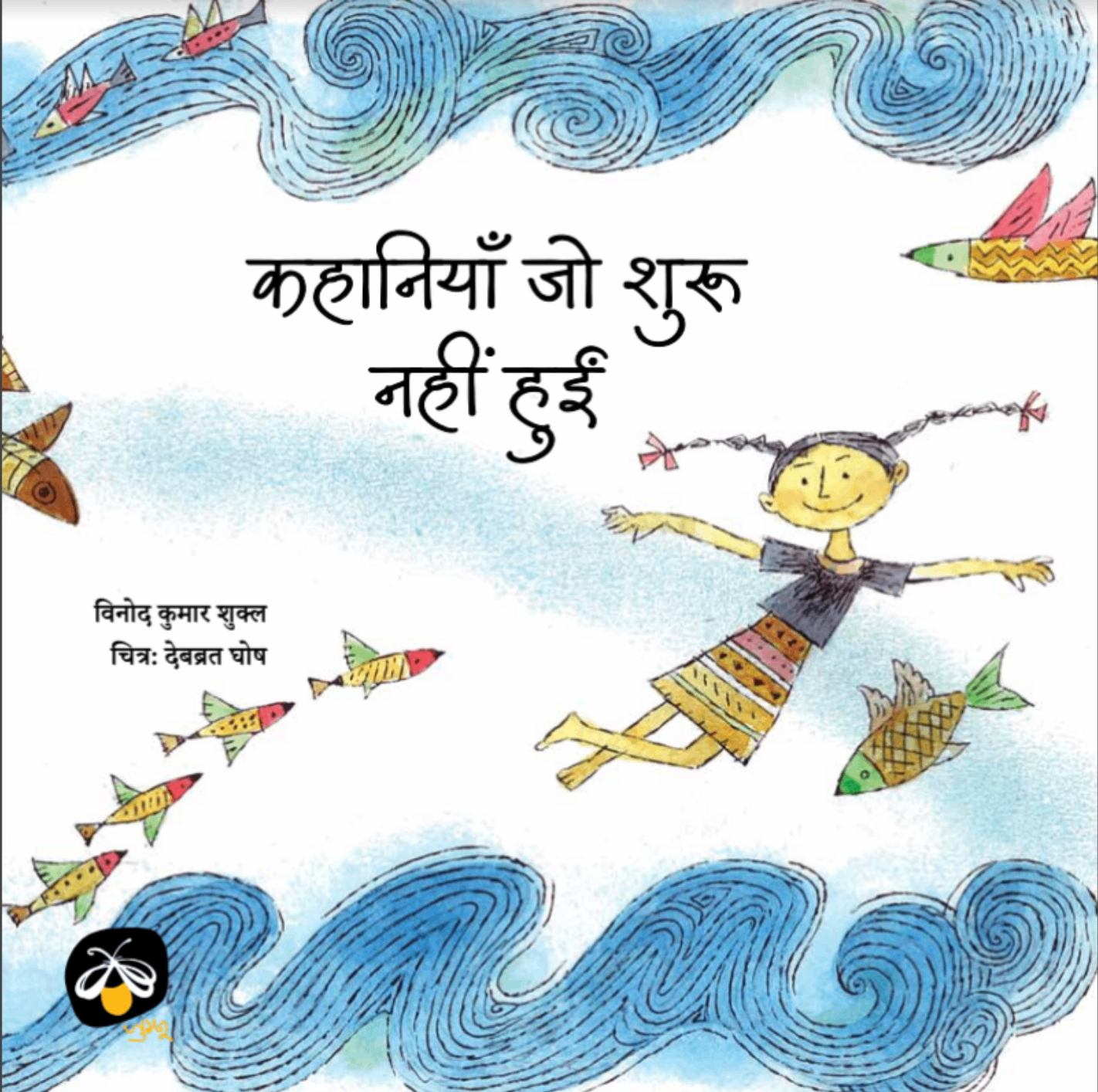
Kahaniyan Jo Shuru Nahi Huyi
- Author Name:
Vinod Kumar Shukla +1
- Book Type:
- Description:
बचपन में मैं पीपल के पत्ते की पिपहरी बनाकर उसको बजाने का आनन्द लिया करता था। इन दिनों पिपहरी बजाने जैसा वही आनन्द बच्चों के लिए लिखने में मिल रहा है। हाल ही में विनोद कुमार शुक्ल ने बच्चों के लिए लिखने के बारे में यह बात कही है। आप बच्चों के लिए लिखकर सचमुच पिपहरी बजाने का मज़ा ले रहे हैं। मज़े से की गई इन रचनाओं में उनके अन्दाज़ और भाषा का मज़ा भी है। देबब्रत घोष के चित्रों में कहानी सुनाने वाली बड़ी चाची और कहानी सुनते बच्चे पड़ोस के बच्चे लगते हैं। लगभग सभी चित्रों में दो रंगों का जोड़ है। जैसे अनगिनत रंग पढ़ने वाले की कल्पना में उमड़ने के लिए छोड़ दिए हों।

Khilega To Dekhenge
- Author Name:
Vinod Kumar Shukla
- Book Type:
- Description:
‘खिलेगा तो देखेंगे’ विनोद कुमार शुक्ल का बहुत चर्चित उपन्यास है। आदिवासी जीवन और परिवेश के दृश्यों में रचे-बसे इस उपन्यास में भी विनोद कुमार शुक्ल की वह कथा-शैली देखने को मिलती है जो उनका अपना आविष्कार है। बिना किसी ठोस कथा-सूत्र के ‘खिलेगा तो देखेंगे’ एक सामूहिक जीवन की कथा कहता है, जिसमें असाधारण शिल्प में बुनी दृश्यावली और कल्पनाशील बिम्बों के द्वारा साधनहीनों और अकसर मूक रहनेवाले लोगों के सुख और दु:ख ख़ुद-ब-ख़ुद सामने आकर अपने आपको दिखाते हैं। यह उपन्यास जो आप को बताता है, आप उससे ज़्यादा महसूस कर पाते हैं जिसका श्रेय विनोद कुमार शुक्ल के जादू जैसे गद्य, उनकी दृष्टि और भाषा को जाता है। प्रकृति इस कथा में जीवन की भी सहचरी है, पीड़ा और प्रसन्नताओं की भी, और उस उम्मीद की भी जिसे विनोद कुमार शुक्ल हर हाल में बचाए रखते हैं।

Teesra Dost
- Author Name:
Vinod Kumar Shukla +1
- Book Type:
- Description:
उसी की चप्पल पहन कर मैं उसे ढूँढने निकला। मैं अपने मन से और चप्पल के मन से चल रहा था कि चप्पल मुझे वहाँ पहुँचा देगी जहाँ वह जाता है। विनोद कुमार शुक्ला की कहानी दो दोस्तों के बारे में है जो एक साथ स्कूल जाते हैं, एक साथ खाना खाते हैं, एक दिन तक एक-दूसरे के साथ पूरा दिन बिताते हैं... यह कहानी दोस्ती पर है और यह करुणापूर्वक बच्चों की स्थान की जरूरतों और एक-दूसरे को बिना शर्त स्वीकार करने पर प्रकाश डालती है। अतनु रॉय के चित्रण कहानी को समृद्ध बनाते हैं। इसके रंग और रूप दोस्ती में महसूस होने वाली गर्माहट को उजागर करते हैं। Age group 9-12 years

Mahavidyalaya
- Author Name:
Vinod Kumar Shukla
- Book Type:
- Description:
विनोद कुमार शुक्ल ऐसे कथाकार हैं जिन्होंने कम कहानियाँ लिखकर भी इस विधा पर अपनी गहरी छाप छोड़ी है। साधारण आय वाले मामूली लोग, उनके छोटे-छोटे जीवन संघर्ष और स्मृतियों का संसार उनकी कहानियों का निर्माण करते हैं। रुपये और बोझ जैसी उनकी कहानियाँ मामूली लोगों के जीवन में कठिन परिश्रम से कमाए गए रुपयों के मूल्य की कहानियाँ हैं जिनमें ख़ास ढंग का परिवेश और पात्रों का मिज़ाज कहानियों को अविस्मरणीय बनाता है। ‘पेड़ पर कमरा’ प्रकृति और मनुष्य के साहचर्य की कथा है तो ‘गोष्ठी’ साहित्य में तानाशाही का विरल चित्र है। महाविद्यालय’ को शुक्ल जी की प्रतिनिधि कहानी माना जाता है जहाँ मनुष्य और बाज़ार का द्वन्द्व हमारे समय के विद्रूप का बखान करता है। ‘आदमी की औरत’ और ‘मछली’ शुक्ल के कथा-संसार का स्त्री पक्ष ही नहीं हैं, बल्कि यहाँ पितृसत्तात्मक विचार के विरुद्ध कथाकार की अपनी अर्जित की हुई दृष्टि है। महाविद्यालय’ संग्रह की कहानियों की भंगिमाएँ कहानी के ख़ास शुक्ल-शिल्प का उदाहरण बन गई हैं। अपनी तरह के कथा रस से भरी इन कहानियों को पढ़ना स्मृति और जीवन के संसार में प्रवेश करना है जहाँ कहानीकार आशा और उजास की तमाम सम्भावनाएँ बचाए रखता है।

Kabhi Ke Baad Abhi
- Author Name:
Vinod Kumar Shukla
- Book Type:
- Description:
हिन्दी कविता के लोकतंत्र और लोकायतन में विनोद कुमार शुक्ल की कविता अनूठी सहजता के साथ उपस्थित मिलती है। विनोद कुमार शुक्ल जीवन के विपुल वैविध्य को नगण्य प्रतीत होते उदाहरणों में अनुभव करते हैं। यह ‘मुलायम मामूलीपन’ उनकी कविता में आकर संवेदना का अक्षर-आलेख बन जाता है। कभी के बाद अभी विनोद कुमार शुक्ल की कविताओं का वह संग्रह है जिस पर कवि के लम्बे जीवनानुभव की सजग छायाएँ हैं। इन छायाओं के बीच जितना दिखना चाहिए उतना ही दिखता है, अतिरिक्त कुछ भी नहीं। शब्दों की अन्तर्ध्वनियों और उनके सहजीवन के पारखी विनोद कुमार शुक्ल की कविताएँ मन्द्र स्वरों में व्यक्त होती हैं। वे कहते हैं, ‘चुप रहने को भी सुन लेना/जीवन की उम्मीद से।’ घर, पड़ोस, मृत्यु, जन्म सरीखे बीज-शब्द इस संग्रह की रचनाओं में अँखुए की तरह उकसे दिखाई देते हैं। ऐसे बहुतेरे शब्दों से हरे-भरे जीवन की शाश्वत सरलता पर कवि मुग्ध है। मनुष्य और प्रकृति के बीच सम्बन्धों के साझा-सौन्दर्य को कवि भाँति-भाँति से व्यक्त करता है। इसके पश्चात् भी जाने कितना है जो अल्पविराम के बाद और पूर्णविराम से पहले अनुभव किया जा सकता है। अपूर्णता की गरिमा और सार्थकता को भी विनोद कुमार शुक्ल ने रेखांकित किया है। इसका महत्त्व चीन्हते हुए लिखते हैं, ‘इस असमाप्त अधूरे से भरे जीवन को/अभी अधूरा न माना जाए/कि जीवन भरपूर जिया गया।’ प्रस्तुत कविता-संग्रह विनोद कुमार शुक्ल की रचनाशीलता की अद्वितीय आभा का एक और आयाम है।

Ek Kahani
- Author Name:
Vinod Kumar Shukla +1
- Book Type:
- Description:
मैंने आकाश की तरफ़, चाबी का गुच्छा उछाला तो आसमान खुल गया ज़रूर मेरी कोई चाबी आसमान में लगती है। ~ धूप थी। और मैदान में उड़ती चीलों की परछाई थी। हम तैयार थे। सावधान होकर पास-पास खड़े थे।माधव ने एक, दो, तीन कहा। हम परछाई के पीछे दौड़ पड़े। Age group 6-8 years

Kahaniyan Jo Shuru Nahi Huyi
- Author Name:
Vinod Kumar Shukla +1
- Book Type:
- Description:
बचपन में मैं पीपल के पत्ते की पिपहरी बनाकर उसको बजाने का आनन्द लिया करता था। इन दिनों पिपहरी बजाने जैसा वही आनन्द बच्चों के लिए लिखने में मिल रहा है। हाल ही में विनोद कुमार शुक्ल ने बच्चों के लिए लिखने के बारे में यह बात कही है। आप बच्चों के लिए लिखकर सचमुच पिपहरी बजाने का मज़ा ले रहे हैं। मज़े से की गई इन रचनाओं में उनके अन्दाज़ और भाषा का मज़ा भी है। देबब्रत घोष के चित्रों में कहानी सुनाने वाली बड़ी चाची और कहानी सुनते बच्चे पड़ोस के बच्चे लगते हैं। लगभग सभी चित्रों में दो रंगों का जोड़ है। जैसे अनगिनत रंग पढ़ने वाले की कल्पना में उमड़ने के लिए छोड़ दिए हों।
Pratinidhi Kavitayen : Vinod Kumar Shukla
- Author Name:
Vinod Kumar Shukla +1
- Book Type:
- Description:
विनोद कुमार शुक्ल समकालीन कविता के संसार में आज ऐसे कवि के रूप में बहुप्रतिष्ठित हैं जिनकी कविता को बिना उनके नाम के भी जागरूक पाठक पहचान लेते हैं। उनकी कविता, कविता के तुमुल कोलाहल के बीच चुपचाप अपने सृजन में व्यस्त दिखती है। किसी भी तरह के दिखावे, छलावे, भुलावे से दूर अपनी राह का ख़ुद निर्माण करती और उस पर निर्भय अकेले चलने की हिम्मत रखती, वह अपनी मंज़िलें तय करने में संलग्न है। विनोद की काव्य-संवेदना के विस्तार को देखने के लिए उनकी कविताओं की गहराई में उतरना होगा। उनकी काव्यात्मक जटिलता इसीलिए ऊपर से दिखाई पड़ती है क्योंकि उनकी काव्य संवेदना की तहें इकहरी न होकर दुहरी और कहीं तिहरी हैं। देखा जाए तो उनकी काव्योपलब्धि में सिर्फ़ अनोखे काव्य-शिल्प का ही योगदान नहीं है, बल्कि उनकी काव्य-वस्तु में यथार्थ को ‘देखने’ का नज़रिया भी उनके अपने समकालीनों से अलहदा रहा है। कहना चाहिए कि विनोद कुमार शुक्ल की कविता समकालीन कविता के दृश्य पर समकालीन जीवनानुभव को प्राचीनता से, प्रकृति से मनुष्य को जिस तरह उद्घाटित करती है, उससे कविता की एक दूसरी दुनिया की खिड़की खुलती है। इस दुनिया को देखने के लिए विनोद कुमार शुक्ल जैसी ‘अतिरिक्त’ देखने की दृष्टि और कला चाहिए।

Customer Reviews
Be the first to write a review...
A Window Lived in a Wall captures the quiet desperation and surreal comedy of Raghuvar Prasad, a mathematics teacher whose daily eight-mile commute by jitney—squeezed between milk cans, winter blankets, and vegetable baskets—becomes a parable of middle-class Indian endurance. What distinguishes this novel is its willingness to treat the mundane as philosophically urgent: unreliable transport, cramped rental rooms, and the bureaucratic inertia of a local college become the stage for a man's search for dignity. The arrival of a sadhu astride an elephant, offering Raghuvar Prasad an absurdly majestic alternative to his jitney ordeal, shifts the narrative into symbolic terrain—elevating the everyday into fable. Published by Sahitya Akademi, this work inhabits the space between realism and allegory, where a window in a wall is not merely architecture but a frame through which ordinary lives glimpse something larger.
What kind of reading experience does A Window Lived in a Wall offer?
This novel offers a slow, observational experience that finds strangeness in the familiar rhythms of Indian middle-class life. The tone is both gently comic and quietly melancholic, inviting readers to notice what is normally dismissed as routine—commutes, rentals, departmental politics—and to sense the philosophical weight these carry. It rewards patience and an appetite for fiction that treats the mundane as worthy of sustained attention, leaving behind a feeling of recognition rather than resolution.
Who will find this book most rewarding, and what does it expect of its reader?
- Readers who appreciate character-driven fiction rooted in the texture of everyday Indian life
- Those drawn to quiet, allegorical storytelling where symbolic gestures (a sadhu on an elephant) interrupt realism
- Readers patient with narratives that explore the inner lives of ordinary professionals navigating dignity and constraint
- Anyone interested in fiction published by Sahitya Akademi that bridges literary tradition and contemporary observation
What is the cultural significance of a mathematics teacher's story to Indian readers today?
The figure of the mathematics teacher living in a one-room rental, dependent on unreliable jitneys, speaks directly to the precarity of India's educated middle class—a condition that persists across generations. The novel locates meaning not in upward mobility or dramatic escape, but in the small negotiations required to preserve selfhood within systems indifferent to individual dignity. It holds a mirror to a vast demographic whose stories are rarely centred in Indian fiction.
What makes this author's treatment of middle-class Indian life distinctive?
Rather than framing middle-class struggle as tragedy or satire, this narrative treats it with a kind of surreal tenderness. The inclusion of the sadhu on an elephant—a fantastical, almost mythic intrusion into Raghuvar Prasad's routine—suggests that escape or transcendence might arrive not through conventional success but through unexpected grace. The prose resists both sentimentality and cynicism, instead offering a patient, almost allegorical gaze on how dignity is quietly maintained.
What does this book leave the reader with long after finishing it?
It leaves behind a heightened attentiveness to the symbolic potential of ordinary routines—the way a commute, a rented room, or a chance friendship can carry existential freight. Readers may find themselves noticing the quiet heroism required to live within constraint, and the strangeness that lives just beneath the surface of predictable days. The image of the window in the wall lingers as a question about what we frame, what we see, and what remains just out of view.