
Yesterday’s Train to Nowhere
₹
149
126.65 (15% off)
Unavailable
This is a compilation of seventeen unique ‘feel good’ short stories inspired by real-life incidents that reflect the inimitable yet enchanting adventures of a young doctor newly commissioned into the medical corps of the Indian Army and posted to a remote military cantonment in the Northeast of the country four decades ago. While imparting medical aid, advice and relief to the soldiers and their families is the essence of his newfound life, his experiences and interactions while on duty make for fun and often illuminating stories. This narrative is also a testimony to the intricacies of army life and its culture, the ethos and its spirit and celebrates in full measure the honourable life lived and the camaraderie enjoyed by the men and women in uniform. Many of the tales have joyful endings, a few culminate in tears but nonetheless, they reveal the soul of those bygone days of youthful exuberance and the carefree life in olive – green. This is just the kind of book that will appeal to the discerning reader seeking a large measure of humour, cheer and optimism in these difficult times.
Read moreFormat:
About the Book
This is a compilation of seventeen unique ‘feel good’ short stories inspired by real-life incidents that reflect the inimitable yet enchanting adventures of a young doctor newly commissioned into the medical corps of the Indian Army and posted to a remote military cantonment in the Northeast of the country four decades ago. While imparting medical aid, advice and relief to the soldiers and their families is the essence of his newfound life, his experiences and interactions while on duty make for fun and often illuminating stories. This narrative is also a testimony to the intricacies of army life and its culture, the ethos and its spirit and celebrates in full measure the honourable life lived and the camaraderie enjoyed by the men and women in uniform. Many of the tales have joyful endings, a few culminate in tears but nonetheless, they reveal the soul of those bygone days of youthful exuberance and the carefree life in olive – green. This is just the kind of book that will appeal to the discerning reader seeking a large measure of humour, cheer and optimism in these difficult times.
Book Details
Dancing Bear
- Author Name:
Jung A Park +2
- Book Type:

- Description:
Somu the bear is unusual. He can dance! But Somu wants to be free and unchained. Can his friend Altaf understand that? This poignant story is about friendship between a young boy and an animal and the boy’s unique understanding of what the animal truly wants. This story describes the true predicament of dancing bears in India.

The Story of Doctor Dollittle
- Author Name:
Hugh Lofting
- Book Type:
- Description:
ONCE upon a time, many years ago—when our grandfathers were little children—there was a doctor; and his name was Dolittle—John Dolittle, M.D. “M.D.” means that he was a proper doctor and knew a whole lot. He lived in a little town called, Puddleby-on-the-Marsh. All the folks, young and old, knew him well by sight. And whenever he walked down the street in his high hat everyone would say, “There goes the Doctor!—He’s a clever man.” And the dogs and the children would all run up and follow behind him; and even the crows that lived in the church-tower would caw and nod their heads. The house he lived in, on the edge of the town, was quite small; but his garden was very large and had a wide lawn and stone seats and weeping-willows hanging over. His sister, Sarah Dolittle, was housekeeper for him; but the Doctor looked after the garden himself. He was very fond of animals and kept many kinds of pets. Besides the gold-fish in the pond at the bottom of his garden, he had rabbits in the pantry, white mice in his piano, a squirrel in the linen closet and a hedgehog in the cellar. He had a cow with a calf too, and an old lame horse—twenty-five years of age—and chickens, and pigeons, and two lambs, and many other animals. But his favorite pets were Dab-Dab the duck, Jip the dog, Gub-Gub the baby pig, Polynesia the parrot, and the owl Too-Too. His sister used to grumble about all these animals and said they made the house untidy. And one day when an old lady with rheumatism came to see the Doctor, she sat on the hedgehog who was sleeping on the sofa and never came to see him any more, but drove every Saturday all the way to Oxenthorpe, another town ten miles off, to see a different doctor

Jiya Jale : Geeton Ki Kahaniyaan
- Author Name:
Nasreen Munni Kabeer +3
- Book Type:
- Description:
एक महान गीतकार, शायर और फ़िल्मकार गुलज़ार—हमारे जज़्बात को अल्फ़ाज़ का जामा पहनानेवाले शख़्स—उनके गानों ने लाखों-करोड़ों लोगों के दिल को छुआ है, आधी सदी से ज़्यादा वक़्त हुआ, उनकी लोकप्रियता की चमक लगातार कायम है। इस पुस्तक में लेखक और डॉक्यूमेंट्री फ़िल्मों की निर्देशक नसरीन मुन्नी कबीर ने गुलज़ार से बातें की हैं और गुलज़ार ने अपने कुछ सबसे मशहूर गानों के बारे में बताया है—चाहे वो ‘मोरा गोरा अंग लै ले’ (बंदिनी : 1963) हो या फिर ‘दिल ढूँढ़ता है’ (मौसम : 1975), ‘जिया जले’ (दिल से : 1998) और ‘दिल तो बच्चा है जी’ (इश्क़िया : 2010)। उन्होंने शैलेंद्र और साहिर लुधियानवी जैसे कुछ दूसरे महान गीतकारों, सचिन देव बर्मन, राहुल देव बर्मन, हेमंत कुमार और ए.आर. रहमान जैसे संगीतकारों और लता मंगेशकर, मोहम्मद रफ़ी, आशा भोसले, वाणी जयराम, जगजीत सिंह और भूपिंदर सिंह जैसे गायकों के बारे में बातें भी की हैं। इस किताब में ढेर सारे क़िस्से हैं, विचार हैं, विश्लेषण है और हैं चालीस से ज़्यादा गीत। ये पुस्तक छात्रों और हिन्दी सिनेमा, संगीत और कविता के दीवानों के लिए एक ख़ज़ाना है।

Nainitala Nainitala
- Author Name:
Pushpesh Pant
- Book Type:
- Description:
आदमी ही शहर में नहीं बसता, शहर भी आदमियों में बसते हैं। दरअसल, हरेक आदमी की अपनी ज़मीन और जड़ें होती हैं, जिनसे वह ताउम्र आज़ाद नहीं होना चाहता; भले ही ज़िन्दगी की भागमभाग—उसकी मर्ज़ी से या उसके चाहे बिना—उसे उनसे कितना भी दूर कर दे। बेदख़ली के बावजूद वह अपनी ज़मीन को दिल में आबाद कर लेता है और इस तरह अपनी जड़ों को ज़िन्दा रखता है। ‘नैनीताला नैनीताला’ किताब इस सचाई का शिद्दत से अहसास कराती है, जिसमें पुष्पेश पन्त ने नैनीताल का ऐसा रससिक्त बखान किया है जो इस पहाड़ी शहर से उनके अपने रिश्ते का बयान तो है ही; अनगिनत लोगों, इमारतों, दुकानों, सड़कों, ढलानों, चढ़ाइयों, गाड़ियों, सूर्योदय, सूर्यास्त समेत तमाम तरह के नज़ारों के हवाले से उतना ही पुख़्ता शहरनामा भी है। उनका निजी भी इस किताब में जाने-देखे-सुने लोगों के क़िस्सों के साथ मिलकर एकमेक हो गया है। गागर में सागर की मानिन्द नैनीताल का भूगोल, इतिहास, संस्कृति, समाज, आर्थिकी सब कुछ अपने भीतर समेटे हुए; जितना संस्मरण उतनी ही शहरगाथा! ग़ौर से देखें तो इसमें एक झलक उस हिन्दुस्तान की भी दिख जाएगी जिसकी बुनियाद बेशक सुदूर अतीत में पड़ गई थी लेकिन जो आज़ादी के आसपास शक्ल ले रहा था और उसके बाद के एक-दो दशक में मुकम्मल हुआ। यादों का सफ़रनामा!

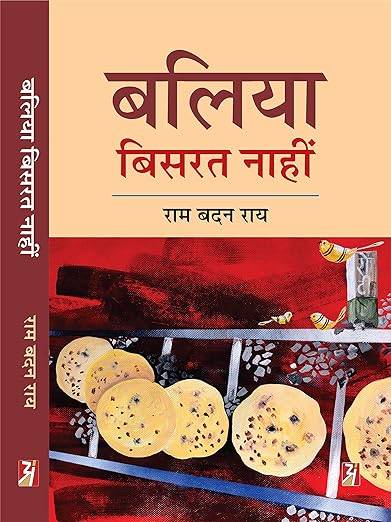
Baliya Bisrat Nahin
- Author Name:
Ram Badan Rai
- Book Type:
- Description:
इस पुस्तक की प्रसव-पीड़ा ने मुझे दुख भी दिया है और अपार सुख भी। दुख इस बात का कि अतीत के वे सुनहरे पल अब पुन: लौटकर नहीं आने वाले। और सुख इस बात का कि थोड़े दिनों के लिए ही सही, उन मनहर सुनहरे क्षणों को मैंने ज्यों का त्यों इस कृति में जिया है। जीने का मजा लिया है। इसमें कुछ प्रसंग तो ऐसे आये हैं, जिन्हें उरेहते समय मैं सिर्फ सुखी ही नहीं, आनन्द विभोर हो उठा हूँ, यथा 'कथा कन्या कलावती की', 'हम नाहीं जइबें गवनवाँ हे रामा', 'जब देवी बनी दिदिया', 'एक लड़कीनुमा लड़के की अजीब दास्तान', 'जब मान्य मुरली मनोहर सनिचरी से मिले' तथा 'मेरे शुभेच्छु शिवशंकर गौरीशंकर' आदि और भी कुछेक प्रकरण। इस किताब में कुछ ऐसी बातें आ पायी हैं, जिन्हें मैं देना चाहता था। मसलन बलिया (खासकर गुदड़ी बाजार) की नाचने-गाने वाली मशहूर तवायफों का इतिहास, मानीखेज भाँड़ (नाच) मंडलियों का इतिहास, विभिन्न प्रकारीय लोक नर्तकों-गायकों, स्वाँग सर्जकों का इतिहास, कुछ करतबी किन्नरों का इतिहास, जो मेरी जानिब सिकन्दर पुर में ज्यादा पाये जाते हैं। इसी तरह देश के लिए प्राणों की आहुति देने वाले शहीदों, उच्च स्तरीय खिलाडिय़ों, वैज्ञानिकों तथा तबला, पखावज, बेंजू, पिस्टीन (बैण्डवादक), बाँसुरी आदि के वादकों का नामोल्लेख तक मैं नहीं कर सका हूँ। पुस्तक के प्राय: प्रसंग जाने, सुने, देखे, समझे तथा भोगे हुए यथार्थ पर आधारित हैं। कहीं-कहीं इन्हें मैंने कल्पना और अनुमान की आँखों से भी आँकने-झाँकने की कोशिश की है, मसलन 'नफवा चला ददरी देखने' या 'किस्सा-ए-कोलकाता' आदि। (इसी किताब से)
Smritiyon Ki Basti
- Author Name:
Abdul Bismillah
- Book Type:
- Description:
‘स्मृतियों की बस्ती’ कथाकार अब्दुल बिस्मिल्लाह के संस्मरणों का संग्रह है। इन संस्मरणों के केन्द्र में हैं हिन्दी के वे महान व्यक्तित्व जिनसे उनकी भेंट-मुलाक़ात हुई, जिनसे उन्होंने सीखा और जिन्हें उन्होंने अपने ढंग से समझा। संस्मरणों की विशेषता यह है कि वे उनके व्यक्तित्व को ही नहीं, उनकी रचनात्मकता, उनके अवदान को रेखांकित करते हुए उनका चित्र पाठक के सामने रखते हैं। बहुभाषाविद् त्रिलोचन के बारे में लिखते हुए उनकी इस मान्यता पर विशेष ज़ोर देते हैं कि शब्द का अर्थ शब्दकोश से नहीं बोध से खुलता है, प्रत्यक्ष अनुभव से खुलता है। इसी तरह अमृतलाल नागर से जुड़े संस्मरण में वे उनके साथ लखनऊ शहर के कुछ सजीव चित्र भी आँकते हैं जो नागर जी के व्यक्तित्व को और अच्छे ढंग से समझने में सहायक होते हैं। उनकी तुलना वे बरगद से करते हैं, तो अमरकान्त की अशोक वृक्ष से। बताते हैं कि अमरकान्त हिन्दू-मुस्लिम समस्या पर बहुत सोचते थे। कहते थे कि ‘विभाजन सिर्फ़ वही नहीं जो भारत-पाकिस्तान के बीच हुआ, यह एक सार्वभौम प्रक्रिया है। इस पर गम्भीरतापूर्व सोचा नहीं गया।’ इसी प्रकार हजारीप्रसाद द्विवेदी, नागार्जुन, केदारनाथ सिंह, हरिवंश राय बच्चन, हरिशंकर परसाई, दूधनाथ सिंह, सोमदत्त, काशीनाथ सिंह, चित्रकार भाऊ समर्थ तथा फ़िराक़ गोरखपुरी, अलग-अलग समय पर हुई मुलाक़ातों-वार्ताओं को जोड़कर उन्होंने इनमें से हर किसी को हमारे और नज़दीक ला दिया है। ज़ाहिर है इनके साथ इन संस्मरणों में हम उस दौर के साहित्यिक वातावरण और उनके समकालीन अन्य लोगों को भी देखते हैं। एक संग्रहणीय पुस्तक।

Sri Aurobindo and Shakespeare
- Author Name:
Dr. Meenu Sodhi Sharma
- Book Type:
- Description:
In this book an attempt has been made to compare the two legendary writers by comparing the eastern way of thinking with the western way. Shakespeare is amongst the writers Sri Aurobindo holds in high esteem. Sri Aurobindo’s admiration for the great dramatist resulted in obvious Shakespearean influences on him. He adopts for his plays Elizabethan model of drama perfected by Shakespeare’s genius. Shakespeare’s influence is traceable also in Sri Aurobindo’s sonnets. It is said that Sri Aurobindo had Shakespearean literature on his bed-side when he left his mortal remains. Both the great writers were not satisfied by merely holding mirror to the nature but due to their greater and deeper life power, they recreated the human life in its beauty and completeness. Therefore, there is an obvious need to compare and contrast Shakeapeare and Sri Aurobindo so as to bring out affinities that may be there between their creative ideal and vision as well as their poetic and dramatic art, along with the former’s influence on the later. In this book an attempt has been made to fulfill the need and to contribute, in some measure to the appreciation of Sri Aurobindo’s poetry and plays. It also briefly touches upon Indian response to Shakespeare. It focuses mainly on Sri Aurobindo’s numerous insights and critical observations on him. To sum up writings of the two such outstanding writers, who represent two very different ways of thinking. On one hand Shakespeare potrays lot of blood shed, gory tales and a wild kind of poetic justice in his writings, but on the other hand Sri Aurobindo truely follows Indian ethos of non violence or ‘Ahimsa’. The author underlines the stark similarities and differences in both the writer’s exploring their plays and sonnets. The structure of plays and sonnets may be same of both the greatest minds but ethos and personna ingrained in their writings is quite different.

Selected Readings of Sri Ramanuja
- Author Name:
S Ranganath
- Book Type:
- Description:
Selected Readings of Sri Ramanuja: Sri Ramanujacharya is one of the three great acharyas whose Sahasramanotsava was recently celebrated with joy and grandeur. His efforts to uplift the poor and oppressed are remarkable. Over his 120-year life, he authored numerous works to inspire devotion in the masses by emphasising the concept of Saranagati or Prapatti (self-surrender to God). Scholars from both Eastern and Western traditions, including Swami Vivekananda and Dr. S. Radhakrishnan, as well as Goethe and Ninian Smart, have honoured Ramanuja with high praise. His altruistic service, compassion, and love for the uneducated and impoverished remain relevant today. This book, in 25 chapters, explores the influence of the Vishishtadvaita philosophy within Indian tradition, organised into three sections: Predecessors of Ramanuja, Ramanuja himself, and his Successors. The final chapter discusses Ramanuja's enduring significance for the 21st century, offering a comprehensive overview of his contributions to Indian thought.

Khari Nadi
- Author Name:
Richa Nagar +2
- Book Type:
- Description:
खारी नदी को आप मुमताज़ बेगम की कहानी कहिए, या फिर उनकी कहानी से हिम्मत बटोरती कई कहानियाँ कहिए, आपबीती कहिए, ज़िन्दगी के तजुर्बे कहिए, [पर] यह कहानी हमें अपने आप से और दुनिया की कठोर सच्चाई से रू-ब-रू कराती है और आगे के रास्ते भी दिखाती है। इसलिए ये महज़ कहानी या आपबीती नहीं रह जाती [बल्कि] खारी नदी कहलाती है। खारा तो समुन्दर भी होता है, लेकिन इस नदी का खारापन आँसुओं से जुड़ा है। उसके बावजूद इसमें उमंगों की लहरें हैं जो इस कहानी को ख़ास बनाती हैं। हमारे आसपास की दुनिया ने कुछ दस्तूर बना दिए हैं, कुछ ठप्पे बना दिए हैं, जो बस इनसानों पर लगा दिए जाते है, कि ये तो ऐसा ही होगा। एक तयशुदा नज़रिया और तयशुदा सज़ा... लेकिन खारी नदी तो इन सब नज़रियों से परे एक औरत का संघर्ष दिखाती है जो किसी भी वंचित समुदाय की औरत का संघर्ष हो सकता है। खारी नदी में बयाँ की गई मुमताज़ बेगम, नन्दा, और चन्द्रभागा के साथ-साथ तमाम औरतों की आपबीतियाँ हमें झकझोर कर रख देती हैं। हर कहानी किसी एक औरत की नहीं, बल्कि तमाम औरतों का बयान है जो उन पर लगाए गए असंख्य बन्धनों और दुखों को उजागर करता है। और ये सारे बन्धन और दुख कहीं-न-कहीं धर्म और जाति के साथ उलझकर अलग-अलग जगहों पर अपना जाल बिछाए हुए हैं, औरत गाँव-देहात की हो या शहर की, अनपढ़ हो चाहे पढ़ी-लिखी। लेकिन खारी नदी की हर कहानी में एक ज़िन्दा मन भी है, और संघर्ष की तैयारी भी। खारी नदी औरतों के दुख, आँसू और शोषण के साथ-साथ उनकी ज़िन्दगी को बेहतरीन बनाने के लिए किया गया संघर्ष है। उम्मीद है यह संघर्ष पाठक को बहुत कुछ सोचने, समझने, आँकने और उसे जीवन में उतारने पर मजबूर करेगा; एक नया नज़रिया देगा।

One Immigrant, A Hundred Stories
- Author Name:
Debajyoti Chatterji
- Book Type:
- Description:
One Immigrant, A Hundred Stories is Debajyoti Chatterji’s intimate reflection on a life shaped by family, culture, and the immigrant experience. It is a story told not for the public eye but for his children and their descendants. Through vivid recollections, he explores his upbringing in India, the challenges of building a new life in America, and the insights gained along the way. With a blend of personal memories and reflections on his research, Chatterji offers a view of his journey that is deeply personal and universally relatable to anyone who has faced the complexities of navigating two cultures. This memoir is a thoughtful collection of moments that reveal the essence of his life as a Bengali immigrant—one who, with unwavering commitment, continues to hold fast to his language, culture, and identity. Written for his family, it is a legacy of love, understanding, and heritage passed from generation to generation.

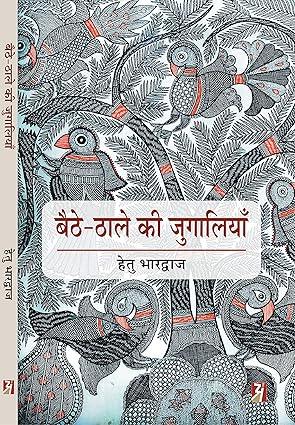
Baithe-Thale Ki Jugaliyan
- Author Name:
Hetu Bharadwaj
- Book Type:
- Description:
Hindi Memoires
From Hampi to Harappa
- Author Name:
Tirumala Ramachandra +1
- Book Type:
- Description:
"From Hampi to Harappa" is considered among the top ten Telugu autobiographies of the twentieth century. Ramachandra's honesty, self-reflection, and the conflict between his traditional Vaishnava beliefs and modern education make this book remarkable. During the nationalist struggle, he was attracted to extremist ideas but found his own path again through personal struggles. It's astonishing that someone who was a great scholar in Sanskrit, Telugu, Kannada, and Prakrit, had to experience hunger and travel across India to find work to feed himself in the 1930s and 40s. The book is filled with unbelievable incidents, such as his mentor Veturi Prabhakara Sastry experiencing extreme hunger while the author survived on very little food. Similarly, he survived on Ganga water for almost a month while waiting in Kanpur for a conman who had promised a business partnership. He did a variety of jobs, including working as a cataloguer in manuscript libraries, a hotel worker, and a Havaldar clerk in the military, before finally settling in a newspaper. Through his experiences, Ramachandra provides us with glimpses of the civilizations around Hampi and Harappa and insights into modern India during the Independence Movement.

Dosti
- Author Name:
Amarkant
- Book Type:
- Description:
‘दोस्ती’ कथाकार अमरकान्त के संस्मरणों का संग्रह है। इसकी शुरुआत ही एक ऐसे संस्मरण से होती है जिसमें हमें बाद में अत्यन्त प्रतिष्ठित हुए रचनाकारों के शुरुआती दिनों और उनके संघर्षों का विवरण प्राप्त होता है। ‘लेखक की दोस्ती’ शीर्षक इस वृत्तान्त में कमलेश्वर, मार्कण्डेय, भैरवप्रसाद गुप्त, दुष्यन्त कुमार और अन्य समकालीनों की मित्रताओं और निजी व सामाजिक-रचनात्मक द्वन्द्वों का लेखा-जोखा पढ़ते ही बनता है। संस्मरण विधा में प्रवेश करते ही अमरकान्त जी की लेखनी इतनी चुटीली और चुस्त हो जाती है कि उनकी एक-एक पंक्ति आपको पकड़कर रखती है। उपरोक्त के अलावा इस पुस्तक में महादेवी वर्मा, नागार्जुन, रेणु, रवीन्द्र कालिया, मोहन राकेश आदि से सम्बन्धित संस्मरणों के अलावा कुछ यात्रा-वृत्तान्त भी शामिल हैं। ‘मेरा बचपन कब समाप्त हुआ’ शीर्षक लम्बे संस्मरण में अमरकान्त अपने जीवन के उन दिनों को याद करते हैं जब उनकी किशोर चेतना अलग-अलग दिशाओं से समझ और संस्कार ग्रहण कर रही थी। इस आलेख में कई बेहद मनोरंजक घटनाओं के विवरण भी उन्होंने दिए हैं और उस समय के सामाजिक-राजनीतिक हालात के भी। अमरकान्त और उनके समय को जानने-समझने में उनके ये संस्मरण साहित्य के अध्येताओं और पाठकों, दोनों को रुचिकर तथा सार्थक प्रतीत होंगे।

Fansi ke Takhte Se
- Author Name:
Juliyas Fuchik +2
- Book Type:
- Description:
चेकोस्लोवाकिया के पत्रकार, साहित्यालोचक और कम्युनिस्ट नेता जूलियस फ़ूचिक ने ‘फाँसी के तख़्ते से’ पुस्तक नाज़ियों की क़ैद में रहते हुए काग़ज़ के छोटे-छोटे टुकड़ों पर लिखी थी। बर्लिन की एक नात्सी अदालत तब उन्हें मौत की सज़ा सुना चुकी थी, और मृत्यु उनके सामने थी। अदम्य साहस और भविष्य में अटल विश्वास की सूचक इस पुस्तक में न सिर्फ़ फ़ासिस्ट क्रूरताओं के भयावह चित्र दिखाई पड़ते हैं, बल्कि उस व्यक्ति के नैतिक बल की प्रेरक छवियाँ भी दिखाई देती हैं जो फ़ासिज़्म का शिकार ज़रूर था, लेकिन उससे हारा नहीं; इतिहास के सामने उस अमानवीय शक्ति को उसने मुजरिम के रूप में खड़ा किया; और उस पर फ़ैसला भी दिया। दुनिया की अनेक भाषाओं में अनूदित हो चुकी इस पुस्तक में फ़ूचिक ने अपनी मनस्थिति के अलावा तत्कालीन घटनाओं के बहाने अपने विचार भी प्रकट किए हैं और मनुष्यता के शान्तिपूर्ण भविष्य में अपना गहरा विश्वास और जीवन से अपने अटूट प्रेम को भी व्यक्त किया है। माना जाता है कि यह पुस्तक उस लड़ाई में जोकि फ़ासिज़्म की बर्बरताओं के ख़िलाफ़ दुनिया में लड़ी गई, या लड़ी जा रही है; एक प्रेरक घटक के रूप में स्वीकार की जाती रही है।

Padchihna Bulate Hain
- Author Name:
Devendra Swarup
- Book Type:
- Description:
प्रो. देवेंद्र स्वरूप—इतिहासकार, पत्रकार, अध्यापक, चिंतक, लेखक—72 वर्ष के सार्वजनिक जीवन में हजारों लोगों से संपर्क; सभी से आत्मीय संबंध पर उनमें से कुछ से अधिक प्रभावित। उनके द्वारा लिखे गए कुछ संस्मरणों में किसी व्यक्ति पर ही नहीं, वरन् तात्कालिक परिस्थितियों एवं कालखंड पर भी टिप्पणी होती हैं। राष्ट्रीय स्वयंसेवक संघ की व्यक्तित्व-निर्माण की पद्धति की झलक और इस निर्माणशाला से निकले लोगों द्वारा खड़े किए गए कुछ प्रकल्पों की जानकारी। सामाजिक एवं राष्ट्रीय कार्यों में जीवन खपाने वाली कुछ विभूतियों का परिचय। पठनीय ग्रंथ।

Pashubhasha Visheshgya Doctor Dolittle Ki Kahani
- Author Name:
Alok Kumar
- Book Type:
- Description:
यह कहानी एक ऐसे व्यक्ति की है जो पशु-भाषा विशेषज्ञ था। डॉक्टर जॉन डूलिटिल। जो था तो इंसानों का डॉक्टर किन्तु उसके पशुप्रेम ने उसे इंसानों से दूर कर जानवरों के करीब ला दिया। उसने जानवरों की भाषा सीखी और उनका इलाज करने लगा। उसकी प्रसिद्धि इतनी फैली कि अफ्रीका से उसे एक संदेश आया। वहाँ के बंदरों को जानलेवा बीमारी से बचाने के डॉक्टर जॉन डूलिटिल अपने पशुओं के साथ एक ऐसी खतरनाक और रोमांचक यात्रा पर निकल पड़ा जिसे आप कभी भी नहीं भुला सकेंगे।

Getting Dressed And Parking Cars
- Author Name:
Alok Kejriwal
- Book Type:
- Description:
Getting Dressed and Parking Cars captures the minute-to-minute, event-by-event, nail-biting business adventure of Alok Kejriwal’s fourth entrepreneurial venture—Games2win. The Walt Disney Company acquired Alok’s previous company. Games2win has been creating car parking and dress-up games online with the aim of becoming India’s most successful casual gaming start-up in the global market. Each chapter in this book captures Alok’s real-life experience of building, scaling and routinely failing in his venture. The book throbs with adrenaline as Alok thrills readers with stories of his website traffic vanishing in thin air, his games getting stolen, his arrest and his partner’s amazing creation of ‘invisible’ ads. Getting Dressed and Parking Cars is not a book glorifying a successful start-up but a journey of business adventures that celebrates the spirit of ‘starting something’. Think of it as a playbook for professionals and entrepreneurs to create something new . . .

The World As I See It
- Author Name:
Albert Einstein
- Book Type:
- Description:
The World as I See It is a book by Albert Einstein, translated from the German by A. Harris. The Bodley Head (London). The original German book is “Mein Weltbild” by Albert Einstein. Composed of assorted articles, addresses, letters, interviews, and pronouncements, it includes Einstein’s opinions on the meaning of life, ethics, science, society, religion, and politics. Albert Einstein believed in humanity, in a peaceful world of mutual helpfulness, and in the high mission of science. This book is intended as a plea for this belief at a time that compels every one of us to overhaul his mental attitude and his ideas.

Dr. Syama Prasad Mookerjee The Great Educationist
- Author Name:
Namarta Sharma +1
- Book Type:
- Description:
Whatever has been written about Dr Syama Prasad Mookerjee so far doesn't do justice to his tremendous and multi-faceted personality. This leading sentiment is behind the motivation for writing the present book. A lot has been written about Dr Mookerjee's political endeavours. However, his persona is immeasurably significant beyond his political life. The simplest explanation of his life proclaims him master of social, educational and economic thought. This book attempts to know how Dr Mookerjee became a powerful personality, an educationist, a thinker, and an administrator. The focal point is to explore the new experiments and innovations he brought into the world of education. He always saw the role of education as of utmost importance in the process of national regeneration. Throughout his life, he spoke in favour of teaching, teachers and students. He was an educationist par excellence. It was under his tenure that Gurudev Rabindranath Tagore delivered the convocation address in Bengali, which was no less than a revolution in British India. This book will help the readers see the profound blending of tolerance, humanity, and tradition, together with the scientific outlook in the personality of Dr Syama Prasad Mookerjee.

Golden Five ke Karnaame
- Author Name:
Neha Arora
- Book Type:
- Description:
गोल्डन फाइव - पाँच दोस्त - विवान, मान्या, हेयांश, किमाया और करनव। पाँचों एक से बढ़कर एक होशियार और जिज्ञासु। जिनके आगे हर रहस्य पड़ जाता है छोटा। जो मिलकर निकले हैं कुछ रहस्यों को सुलझाने। एक पुराने खण्डहर के पास खेलते हुए मिला उन्हें एक प्राचीन बॉक्स, जिसमें क़ैद है एक ख़ज़ाने का रहस्य। कैसा है ये खज़ाना? और इस रहस्य को सुलझाने में आखिर किन-किन मुसीबतों का करना पड़ा सामना? यह रहस्य अभी सुलझा ही था कि ‘गोल्डन फ़ाइव’ टीम एक चमकते पत्थर का रहस्य सुलझाने एक ऐसे गाँव पहुंची, जोकि नक़्शे में भी नहीं था। क्या इस पत्थर का महाभारत से कोई था नाता? या थी यह कोई साज़िश। पढ़िए गोल्डन फाइव का पहला रोमांचक कारनामा और मिलकर उठाइए इन रहस्यों पर से पर्दा।

Customer Reviews
08/03/2023
Theerthika Palanisamy
Life in Olive Green is not simple or easy, in so many ways. But a certain amount of discipline and compassion could make the job lovable. "Yesterday's train to nowhere" by Krishna Rau is a compilation of 17 real life inspired stories, a memoir of his olive green days in his life. The language is expressive and easy to follow. All the stories are unique and engaging. The story that I liked the most is Romeo,Juliet and the elephant. It is hilarious, fun and cute , all at the same time. PPP, I immediately fell in love with his antics and how the author pulled him out of his mess. A beautiful read you can enjoy with a hot cup of coffee on a breezy day!
03/01/2023
Lokeshna Bulani
This amazing collection of short stories is in the book. that depict different aspects of life in uniform. Rau has expertly incorporated fun into each of his but concentrated on the characters in his writings. Be it a cook and either a helicopter pilot or his brother-in-law who actually drops the physician off at the airport. They are all quite unique characters. Suitable for readers of all ages, including those who enjoy light reading and well-told stories. Rau communicates with his readers right away, which is something that many well-known authors struggle with. I read from cover to cover because I couldn't put it down, and I'm not ashamed to admit that I really laughed a few times. Kudos to the author ❤️✨ Rating : 🌟🌟🌟🌟/5
Yesterday's Train to Nowhere is not a war memoir but a portrait of intimacy in uniform—seventeen short stories drawn from the real-life postings of a young Army doctor sent to India's remote Northeast in the early 1980s. Each story captures a different encounter: a soldier's family in distress, an unexpected act of generosity, a moment of cultural collision or grace. What makes this collection distinctive is its refusal to dramatise. These are not tales of crisis or combat but of the quiet, surprising textures of duty—treating ailments in cantonments where medical resources are scarce, navigating cultural difference with humility, and discovering human warmth in isolation. The author, newly commissioned into the Indian Army Medical Corps, writes with the clarity of someone who was paying attention when others were just passing through. Four decades later, the stories retain their warmth, offering a rare window into military life as lived experience rather than myth.
What kind of reading experience does Yesterday's Train to Nowhere offer?
This book offers a gentle, reflective reading experience—seventeen short stories that unfold like unhurried conversations over chai. The tone is warm, observant, and grounded in the everyday textures of military cantonment life rather than drama or conflict. Expect moments of quiet surprise, cultural encounters that reveal human warmth, and a pace that rewards readers who appreciate nuance over spectacle. It leaves you with a sense of intimacy, as though you've been granted access to a doctor's private journal from a time and place few outsiders ever see. The book honors memory without sentimentality.
Who is this book best suited for and what does it expect of its reader?
- Readers interested in Indian military life beyond combat narratives—those curious about the human side of service in remote postings.
- Fans of memoir-style short fiction that values restraint and observation over plot twists.
- Anyone with ties to Northeast India or the Army Medical Corps seeking authentic period detail from the 1980s.
- Readers who appreciate stories grounded in real-life incidents and cultural encounter.
- Those who find satisfaction in 'feel good' writing that earns its warmth through specificity, not cliché.
What is the cultural significance of Northeast India postings to Indian readers today?
Northeast India remains culturally and geographically distant for much of the country, and military postings there in the 1980s were even more isolated—no instant communication, no easy travel. This book offers a rare civilian-accessible glimpse into that world during a turbulent period. For contemporary Indian readers, it serves as a reminder of the quiet sacrifice and cross-cultural negotiation required of servicemen and their families in regions often reduced to headlines. It humanizes both the Northeast and the military apparatus, bridging divides that persist today.
What makes this author's treatment of military life distinctive?
The author writes as a healer, not a soldier—his lens is that of the Medical Corps, where duty means diagnosing ailments, comforting families, and navigating scarcity rather than commanding troops. This shifts the entire narrative frame: violence recedes, and the everyday kindnesses, absurdities, and ethical dilemmas of caregiving come forward. The stories resist heroism. They are interested in what happens between moments of consequence—how strangers become familiar, how isolation fosters generosity, how a young doctor learns to read a culture not his own. It is military memoir as witness, not conquest.
What does this book leave the reader with long after finishing it?
It leaves you with a renewed sense of the weight of small gestures—a hand extended, a diagnosis delivered with care, a moment of shared laughter across language barriers. Emotionally, the book cultivates gratitude for the unglamorous labor of service and the resilience of people living on India's margins. Intellectually, it challenges stereotypes about both military life and the Northeast, replacing them with lived complexity. Culturally, it restores dignity to a period and place often forgotten, offering stories that feel like recovered artifacts—proof that ordinary kindness survives even in the most remote corners of duty.