
JHARKHAND ADIVASI VIKAS KA SACH
₹
500
400 (20% off)
Available
Awating description for this book
Read moreAbout the Book
Awating description for this book
Book Details
Mera Daur "मेरा दौर: एक आत्मकथा" Book in Hindi- J.B. Kriplani
- Author Name:
J.B. Kriplani
- Book Type:

- Description:
अनेक दूसरे लोगों की तरह मैं भी विदेशी साम्राज्यवाद के जुए से मातृभूमि को आजाद कराने के लिए क्रांतिकारी आंदोलन से करीब से जुड़ा था। गांधीजी जब सन् 1915 के शुरू में दक्षिण अफ्रीका से आए तो उनके निकट संपर्क में आने वाला मैं पहला राजनीतिक कार्यकर्ता था। मैं उनके पहले सत्याग्रह आंदोलन के साथ भी करीब से जुड़ा था, जो चंपारण (बिहार) में गोरे निलहों के अत्याचार के खलाफ हुआ। हमारी आजादी की लड़ाई के सबसे महत्वपूर्ण और बेचैनी वाले दौर में मैं कांग्रेस का बारह वर्ष तक महामंत्री रहा। जिस साल देश को आजादी मिली, उस वक़्त मैं कांग्रेस अध्यक्ष था। मेरे दोस्तों को लगता है कि हमारे राष्ट्रीय आंदोलन की महत्वपूर्ण घटनाओं और व्यक्तियों के बारे में मेरी जानकारी काफी अंतरंग और नई चीजें सामने लाने वाली होगी। इस कारण मेरे संस्मरणों का कुछ ऐतिहासिक महत्व होगा। इसलिए मैंने जो कुछ लिखा है, उसमें अपने बारे में कम लिखकर हमारी आजादी की लड़ाई पर ज्यादा लिखा है। इस पुस्तक को मैंने ‘माई टाइम्स : मेरा दौर’ नाम दिया है, पर इसमें ‘मैं’ का जिक्र उतना ही भर है, जितना जरूरी है। मेरे जीवन की कथा में भी कांग्रेस और स्वतंत्रता संग्राम के इतिहास का बड़ा हिस्सा समाया हुआ है। इसलिए यह कोई आत्मकथा न होकर, इन बड़ी और महत्वपूर्ण घटनाओं का रिकॉर्ड भी है और इनका वर्णन करते हुए मैंने यह जिक्र कम किया है कि मैंने क्या-क्या किया, बल्कि यह बताने की कोशिश की है कि मैंने तब क्या देखा और समझा।

Ethics For Civil Services With 100 Case Studies
- Author Name:
Alok Ranjan
- Book Type:
- Description:
Awating description for this book

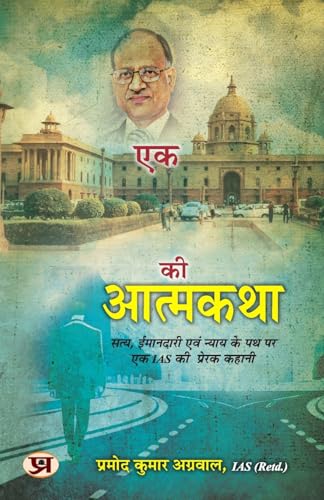
Autobiography of An IAS "एक IAS की आत्मकथा" Inspirational Story of An IAS on The Path of Truth, Honesty and Justice by Pramod Kumar Agrawal, IAS (Retd.) in Hindi
- Author Name:
Pramod Kumar Agrawal
- Book Type:
- Description:
Awating description for this book
Leo Tolstoy Ki Lokpriya Kahaniyan
- Author Name:
Leo Tolstoy
- Book Type:
- Description:
"‘‘क्या वे लोग खेत जोत रहे हैं? क्या उन लोगों ने अपना काम खत्म कर लिया?’’ ‘‘उन लोगों ने आधे से अधिक खेत जोत लिये हैं।’’ ‘‘क्या कुछ भी काम बचा नहीं है?’’ ‘‘मुझे तो नहीं दिखा; पर उन्होंने जुताई अच्छी तरह से की है। वे सभी डरे हुए हैं।’’ ‘‘ठीक है। अब तो जमीन ठीक हो गई है न?’’ ‘‘हाँ, अब खेत तैयार हैं और उनमें अफीम के पौधों के बीज डाले जा सकते हैं।’’ मैनेजर थोड़ी देर चुप रहने के बाद बोला, ‘‘वे लोग मेरे बारे में क्या कहते हैं? क्या वे मुझे गाली देते हैं?’’ बूढ़ा कुछ हकलाने लगा, पर माइकल ने उसे सच बोलने के लिए कहा, ‘‘तुम मुझे सच बताओ। तुम अपने शब्द नहीं, बल्कि किसी और के शब्द बोल रहे हो। यदि तुम मुझे सच-सच बताओगे, तब मैं तुमको इनाम दूँगा; और अगर तुम मुझे धोखा दोगे तो ध्यान रखना, मैं तुम्हें बहुत मारूँगा। कर्तुशा! इसे एक गिलास वोदका दो, ताकि इसमें साहस पैदा हो।’’ —इसी संग्रह से • सुप्रसिद्ध रूसी कथाकार लियो टॉलस्टॉय ने जीवन के सभी पक्षों पर प्रभावी रचनाएँ की हैं। उन्होंने धर्म में व्याप्त पाखंड तथा तत्कालीन कुरीतियों को अनावृत किया। मनोरंजन के साथ-साथ मन को उद्वेलित करनेवाली सरस टॉलस्टॉय की लोकप्रिय कहानियों का संग्रह।"

Hanuman Gatha (Shri Hanuman Ji Ka Sampuran Jeevan Gatha) Devotional & Spiritual Hanuman Katha Book in Hindi
- Author Name:
Ashok Narayan
- Book Type:
- Description:
ज्ञानिनामाग्रगण्य सकल गुणनिधान कपिप्रवर हनुमान के बारे में कौन नहीं जानता? अद्वितीय प्रतिभा और अतुलित बल के कुबेर होते हुए भी उन्होंने स्वार्थ के लिए उसका उपयोग कभी नहीं किया। साधारण मनुष्य में यदि विद्या, गुण या कौशल आदि थोड़े से गुण भी आ जाएँ, तो वह दर्प से चूर हो जाता है, परंतु हनुमान सर्वगुण-संपन्न होकर भी सेवक ही बने रहे। प्रस्तुत पुस्तक ‘हनुमानगाथा’ में संकट-मोचक हनुमान के संपूर्ण जीवन को रामायण, रामचरितमानस आदि ग्रंथों के परिप्रेक्ष्य में आत्मकथात्मक शैली में पवनपुत्र के श्रीमुख से विवेचन हुआ है। हनुमान का चरित्र अलौकिक गुणों से संपन्न असंभव को संभव बनानेवाला है। आज के भौतिकवादी संसार में हनुमान के पावनचरित को अपनाए जाने की महती आवश्यकता है। वर्तमान में संसार को सेवा और भक्ति की पहले से कहीं ज्यादा आवश्यकता है। इसके लिए सबसे बड़े आदर्श और प्रेरणास्रोत हनुमान ही हो सकते हैं। इस नाते परोपकारी हनुमान का चरित अनुकरणीय है। सुधी पाठक हनुमान के पावन गुणों को आत्मसात् कर घोर कष्टों और अशांति से निजात पाएँ, इसी में इस पुस्तक के लेखन की सफलता है।

Main J. Krishnamurti Bol Raha Hoon
- Author Name:
Ed. Rajasvi
- Book Type:
- Description:
"जिद्दू कृष्णमूर्ति का नाम आध्यात्मिक जगत् में विशेष रूप से उल्लेखनीय है। जब वे मात्र तेरह वर्ष के थे, तभी उनमें एक आध्यात्मिक गुरु होने की विशिष्टताएँ दृष्टिगोचर होने लगी थीं। उन्होंने न केवल भारत में, बल्कि विदेशों में भी आध्यात्मिकता का परचम लहराया। जे. कृष्णमूर्ति के विचार केवल आध्यात्मिक ही नहीं, बल्कि भौतिक दृष्टि से अत्यंत महवपूर्ण हैं, जो जाति, धर्म और संप्रदाय में उलझे, असमंजस में फँसे और दिग्भ्रमित हुए लोगों का यथोचित मार्गदर्शन करते प्रतीत होते हैं। उन्होंने मानव-जीवन के लगभग सभी पहलुओं को अपनी विचारशीलता के दायरे में लाने का सफल प्रयास किया है। किंचित् मात्र भी ऐसा नहीं लगता कि जीवन की कोई भी जटिल वीथि उनकी दृष्टि से ओझल हो गई हो। उनके जीवन का परम लक्ष्य विश्व को शांति, संतुष्टि और संपूर्णता प्रदान करना था, ताकि ईर्ष्या, द्वेष और स्वार्थ का समूल नाश किया जा सके। वे अपने जीवन-लक्ष्य में काफी हद तक सफल रहे। जो भी उनके संपर्क में आया, मानो उनका ही होकर रह गया। उनकी प्रेरक वाणी के कुछ रत्न इस पुस्तक में संकलित हैं।

Vetal Pachchisi
- Author Name:
Mahesh Dutt Sharma
- Book Type:
- Description:
"वेताल पच्चीसी 25 कहानियों का एक अनूठा संग्रह है, जो जगत्-प्रसिद्ध राजा विक्रमादित्य के न्याय-प्रेम के विभिन्न पहलुओं को उजागर करता है | प्रत्येक कहानी के अंत में वेताल विक्रमादित्य से गुदगुदाने वाला एक प्रश्न पूछता है, जिसका उत्तर राजा को देना होता है | जैसे ही विक्रमादित्य उत्तर देते हैं, पहले से तय शर्त के अनुसार, वेताल फिर से अपने पसंदीदा पेड़ पर लटकने के लिए उड़ जाता है। ये कहानियाँ राजा विक्रमादित्य के ज्ञान, न्यायप्रियता, प्रजाप्रेम, शौर्य और मूल्ययरक शासन से परिचय करवाती हैं। इन्हें पढ़कर पाठकों को तत्कालीन शासन व्यवस्था का बोध हो सकेगा।"

21 ANMOL KAHANIYAN
- Author Name:
Premchand
- Book Type:
- Description:
हिदी के कालजयी रचनाकार मुंशी प्रेमचंद की कहानियाँ जनसाधारण की समस्याओं, आकांक्षाओं, उलझनों, पारिवारिक विघटन, दहेज-प्रथा, बाल विवाह, राष्ट्रद्रोह, घूसखोरी, अंधविश्वास, ग्रामीण शोषण, आर्थिक वैषम्य इत्यादि विषयों को समेटे हुए अपने पाठकों से एक आत्मीय एवं भावनात्मक नाता जोड़ती हैं। उनकी कहानियों में समस्याओं की जितनी चर्चा है, समाधान की उससे ज्यादा। उनके पात्र अर्थगत दबावों से बेशक पीडि़त हैं, पर वे बाहरी संघर्षों द्वारा समस्याओं पर विजय प्राप्त करने का प्रयास करते हैं। उन्होंने अपनी कथाओं में नग्न यथार्थ नहीं, वरन् यथार्थ का भरसक चित्रण किया है, क्योंकि नग्न यथार्थ वितृष्णा उपजाता है। पात्र कभी सुख की अनुभूति करते हैं तो कभी दुःख की। इसी को रचनाओं के साथ साहित्यिक न्याय कहा जाता है, जिस पर मुंशी प्रेमचंद खरे उतरे हैं। ‘21 अनमोल कहानियाँ’ उनके ऐसे ही नगीने हैं, जो आज भी प्रासंगिक हैं और समाज की विद्रूपताओं पर गहरी चोट करते हैं।

The Little Book of Rumi
- Author Name:
Mahesh Dutt Sharma
- Book Type:
- Description:
Awating description for this book

Ikigai
- Author Name:
Dr. Rashmi
- Book Type:
- Description:
क्या है इकिगाई इकिगाई के बारे में कोई भी चर्चा मिएको कामिया के उल्लेख के बिना पूरी नहीं होगी, जिन्हें प्राय: ‘इकिगाई मनोविज्ञान की माँ’ कहा जाता है। वह इकिगाई के अध्ययन में अग्रणी लोगों में शामिल थीं और अपनी पुस्तक ‘इकिगाईनी- सुइत’ (क्या हमारे जीवन को जीने योग्य बनाता है) में उन्होंने अपने विचारों और शोध कार्य को प्रस्तुत किया है। पुस्तक को इकिगाई साहित्य में श्रेष्ठ ग्रंथों में माना जाता है, इस तथ्य के बावजूद कि यह सन 1966 में प्रकाशित हुई थी। —इसी पुस्तक से इकिगाई में जीवन में खुशियाँ समाई हैं। यह हमारे होने का कारण है। इकिगाई की मदद से आप जीवन में हर दिन संतुलन, प्रसन्नता और तृप्ति ढूँढ़ पाते हैं। इकिगाई मात्र एक जीवन-दर्शन या विचारधारा नहीं बल्कि एक परिवर्तनकारी मानव-अनुभव है। इकिगाई किसी कंपास की तरह कॅरियर और जीवन के फैसलों में राह दिखा सकता है।

Katha Ek Kans Ki "कथा एक कंस की" | A Classic Play of Theatre Book in Hindi
- Author Name:
Daya Prakash Sinha
- Book Type:
- Description:
"नाटक साहित्य है और कला भी। नाटक का यह द्विआयामी चरित्र ही उसकी विशेषता है। कुछ नाटकों का साहित्य में बड़ा सम्मान होता है, किंतु रंगमंच पर उनकी प्रस्तुति सफल नहीं होती । इसी प्रकार कुछ नाटक रंगमंच पर बड़े सफल होते हैं, किंतु उनके आलेख में साहित्यगत मूल्यों का अभाव होता है। श्रेष्ठ नाटक वे होते हैं, जो साहित्यगत मूल्यों से भरपूर हों और जिनकी प्रस्तुतियाँ रंगमंच पर भी उतनी ही सफल सिद्ध हों; जैसे शेक्सपियर के नाटक। यह नाटक के मूल्यांकन की कसौटी हैं। नाटक “कथा एक कंस की' इस कसौटी पर खरा उतरता है। “कथा एक कंस की' नाटक देश के प्राय: सभी बड़े नगरों दिल्ली, कोलकाता, मुंबई, लखनऊ, जयपुर, भोपाल, चंडीगढ़, भुवनेश्वर, गोरखपुर, कानपुर, देहरादून, प्रयागगाज, उदयपुर आदि की नाट्य संस्थाओं द्वारा मंचित हो चुका है। पंजाबी तथा ओडिया भाषाओं में भी इसका अनुवाद हो चुका है। तमिल, कनन्नड, तेलुगु, मलयालम और बांग्ला भाषाओं में अनुवाद प्रकाशनाधीन हैं। “कथा एक कंस की"" नाटक दिल्ली विश्वविद्यालय सहित अनेक विश्वविद्यालयों तथा राष्ट्रीय नाट्य विद्यालय के पाठ्यक्रम में पढ़ाया जाता रहा है। साहित्य-जगत तथा कला-जगत दोनों द्वारा स्वीकृत और सम्मानित “कथा एक कंस की ' हिंदी नाटक विधा की एक कालजयी कृति है।"

Hamara Panchayati Raj
- Author Name:
Pratapmal Devpura
- Book Type:
- Description:
भारत की आत्मा गाँवों में बसती है। ग्राम-व्यवस्था वस्तुतः राष्ट्र-व्यवस्था की बुनियाद है। यही कारण है कि हमारे राष्ट्रनायकों ने सामाजिक उन्नयन, आर्थिक विकास, सांस्कृतिक प्रगति और राजनीतिक चेतना की दृष्टि से गाँवों को पर्याप्त महत्त्व दिया है। सबका मानना है कि भारत के विकास का रास्ता गाँवों से होकर गुज़रता है। महात्मा गांधी के श्रम, स्वदेशी और स्वावलम्बन की कर्मभूमि अधिकांश अर्थ में गाँव ही है। प्रतापमल देवपुरा द्वारा लिखित ‘हमारा पंचायती राज’ पुस्तक पंचायती राज के प्रति जानकारी व जागरूकता उत्पन्न करने हेतु लिखी गई है। पुस्तक जनप्रतिनिधियों से लेकर सामान्य नागरिकों के लिए सामाजिक रूप से उपयोगी है। 50 छोटे-छोटे अध्यायों में पंचायती राज से जुड़ी विभिन्न जिज्ञासाओं व जानकारियों की सूत्र-शैली में प्रस्तुति सकारण है। इस पद्धति से सूचनाएँ सरलता से प्राप्त हो जाती हैं। जैसे ‘सूचना का अधिकार’ के अन्तर्गत पहला सूत्र है, ‘सूचना के अधिकार का अर्थ है—नागरिकों द्वारा सूचना माँगने पर सूचना मिले जिससे उसका जीवन बेहतर एवं सुरक्षित बने; इसके साथ ही सरकारी विभागों द्वारा सूचना देने का कर्तव्य।’ सरल व सुबोध भाषा में लिखित ‘हमारा पंचायती राज’ अत्यन्त जनोपयोगी पुस्तक है।

Over The Top "ओवर द टॉप" : OTT ka Mayajaal Book in Hindi - Anant Vijay
- Author Name:
Anant Vijay
- Book Type:
- Description:
ओवर द टॉप (ओ.टी.टी.) प्लेटफॉर्म हमारे देश के लिए मनोरंजन का अपेक्षाकृत नया माध्यम है। इस माध्यम को हमारे देश में आरंभ हुए ज्यादा समय नहीं हुआ है। देश में इंटरनेट का बढ़ता घनत्व और डाटा सस्ता होने के कारण इस प्लेटफॉर्म की व्याप्ति बढ़ी है। कोरोना महामारी के दौरान देशव्यापी लॉकडाउन ने भी इस माध्यम को लोकप्रिय बनाया। सूचना एवं प्रसारण मंत्रालय के अधिकारियों और ओ.टी.टी. प्लेटफॉर्म के प्रतिनिधियों के बीच ओ.टी.टी. के कंटेंट को लेकर विचारों का आदान-प्रदान होता रहा है। ओवर द टॉप प्लेटफॉर्म्स पर दिखाई जानेवाली सामग्री के विनियमन को लेकर जो त्रिस्तरीय व्यवस्था बनाई गई थी, उसके परिणाम संतोषजनक नहीं दिखाई दे रहे हैं। न तो अश्लीलता रुक रही है और न ही विवादित प्रसंग। ओ.टी.टी. प्लेटफॉर्म्स पर दिखाई जानेवाली सामग्री में गालियों की भरमार, यौनिकता और नग्नता का प्रदर्शन, जबरदस्त हिंसा और खून- खराबा, अल्पसंख्यकों की स्तिथि को लेकर आपत्तिजनक टिप्पणियाँ, कई बार सैनिकों की छवि खराब करने जैसे प्रसंग भी सामने आते रहे हैं। अभिव्यक्त की रचनात्मक स्वतंत्रता और यथार्थ की आड़ में नग्नता एवं गाली-गलौज दिखाने का चलन कम नहीं हुआ। संसदीय समिति ने ओ.टी.टी. प्लेटफॉर्म पर दिखाई जानेवाली अश्लीलता पर चिंता प्रकट की थी। समिति के अधिकांश सदस्यों का मानना था कि इनमें दिखाई जानेवाली सामग्री भारतीय संस्कृति के विरुद्ध है। ओ.टी.टी. के सभी पक्षों पर विश्लेषणात्मक विवरण देती विचारप्रधान पुस्तक।

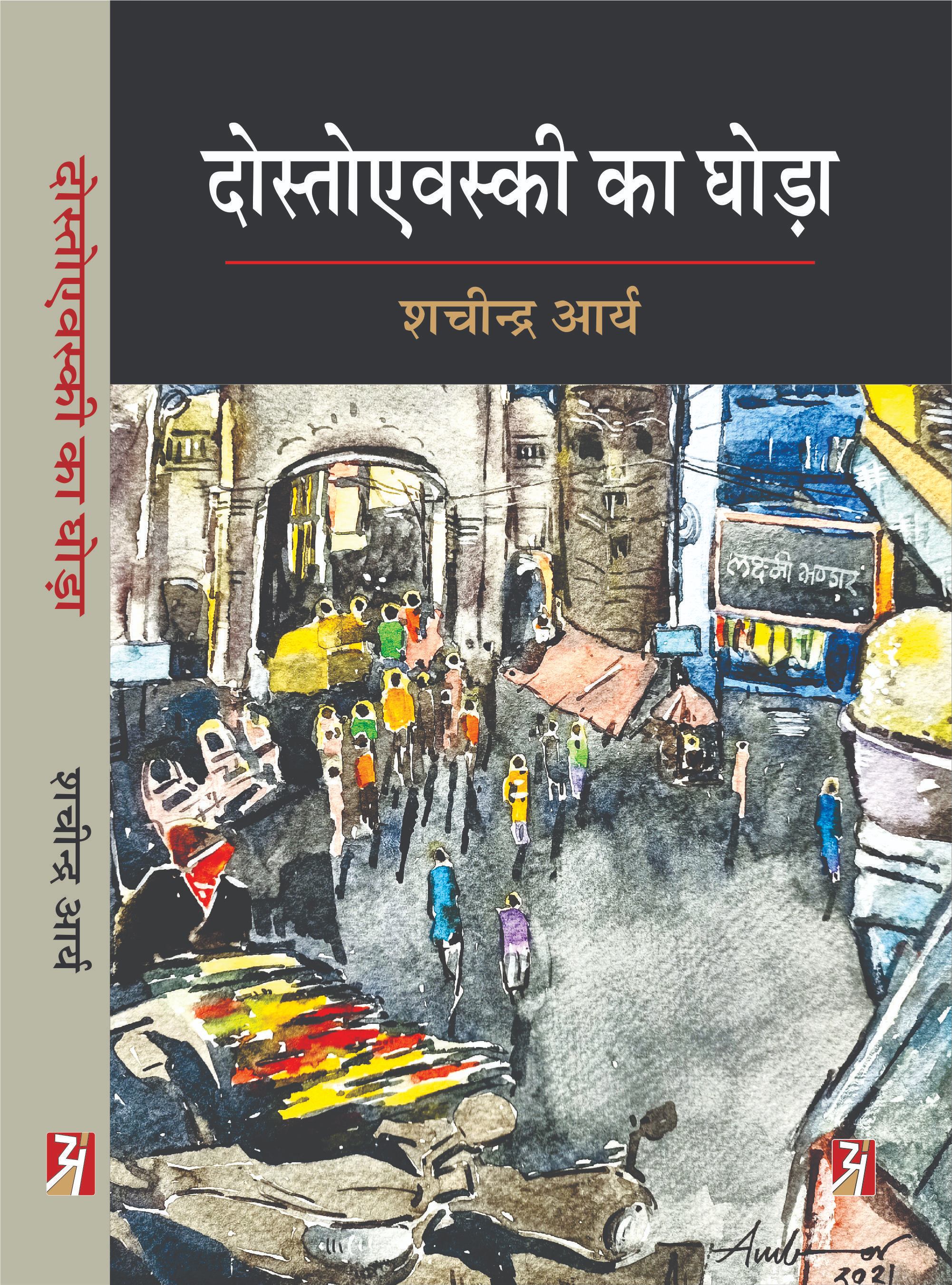
Dostoevsky Ka Ghoda
- Author Name:
Shachinder Arya
- Book Type:
- Description:
शचींद्र आर्य की किताब 'दोस्तोएवस्की का घोड़ा' से गुज़रते कुछ ऐसा एहसास हुआ कि कोई अपने मन के अंतरंग कोनों अतरों को परत दर परत उधेड़ रहा है बिना हिचक के, ज़रा निस्संग हुये और एक जगह जहाँ वो लिखते हैं, कुछ ऐसी जगहें होती हैं जहाँ हम खुद होते हैं अपने आप में बिलकुल नंगे, तो इन्हीं गलियों में शचींद्र हमें लिये चलते हैं, बहुत ईमानदारी से, बहुत हौसले से। बहुत सरलता से। इन पन्नों में हम उनके बचपन, उनके परिवार, उनकी दुनिया और दोस्त अहबाब, जि़ंदगी के तमाम ज़द्दोज़हद और रंगीनी, जीवन के दुलार और मीठेपन को उनकी नज़र से देखते चलते हैं, उनके पढऩे और उन पढ़े का उनपर असर को देखते हैं और धीरे-धीरे उनकी दुनिया हमारे भीतर सहजता से प्रवेश करती जाती है। एक किस्म के ठहराव और संजीदगी के साथ। तब उनकी दुनिया सिर्फ उनकी नहीं रह जाती, कुछ कुछ हमारी भी होती जाती है। कथेतर के इस कथ्य में उन्होंने जो पारदर्शिता दिखाई है, जो बुनावट और कहन का हुनर दिखाया है, जो परिपक्वता दिखाई है वो खुशी और उम्मीद जगाने वाली बात है। इसलिये भी कि वो पारंपरिक विधा से अपने को अलग करते दिखते हैं। डायरी की विधा ऐसी नहीं कि नई है पर शुरुआती दौर में इस तरह की दुनिया में प्रवेश कर लेने की साध सुखद है। ये सचमुच 'याद की किताब' है' और उनकी याद में हमारी याद भी घुलती मिलती चलती है, इसकी उन्हें बहुत बधाई और अशेष शुभकामनायें। —प्रत्यक्षा
BPSC TRE 4.0 Bihar Shikshak Bahali Class 11 To 12 Geography (Bhugol) Higher Secondary School Teacher | 20 Practice Sets with Latest Solved Papers | Based on NCERT & SCERT Syllabus - Book in Hindi
- Author Name:
Dr. Ranjit Kumar Singh, IAS (AIR-49)
- Book Type:
- Description:
Awating description for this book

Sundarakanda
- Author Name:
Tulsidas
- Book Type:
- Description:
संवत् 1631 में तुलसीदासजी ने श्रीरामचरितमानस की रचना प्रारंभ की। दो वर्ष, सात महीने और छब्बीस दिन में यह अद्भुत ग्रंथ संपन्न हुआ। सुंदरकांड मूलतः गोस्वामी तुलसीदास कृत इसी श्रीरामचरित मानस का एक भाग है। सुंदरकांड में हनुमानजी द्वारा किए गए महान् कार्यों का वर्णन है। मानस पाठ में सुंदरकांड के पाठ का विशेष महत्त्व माना जाता है। सुंदरकांड में हनुमान का लंका प्रस्थान, लंका दहन कर लंका से वापसी तक के घटनाक्रम आते हैं। साथ ही उनकी असीम शक्ति, बुद्धि-कौशल और अनन्य भक्ति का पता चलता है। सुंदरकांड का पारायण वाले साधक को असीम ऊर्जा और प्रेरणा प्राप्त होती है।

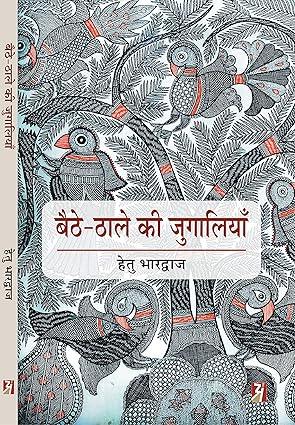
Baithe-Thale Ki Jugaliyan
- Author Name:
Hetu Bharadwaj
- Book Type:
- Description:
Hindi Memoires
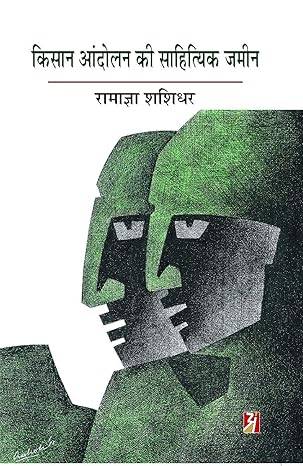
Kishan Andolan ki sahityik jamin
- Author Name:
Ramagya Shashidhar
- Book Type:
- Description:
Kisan Aandolan
Rochak Bal Kathayen
- Author Name:
Shriramvriksha Benipuri
- Book Type:
- Description:
"रोचक बाल कथाएँ स्वागत-समिति के अध्यक्ष महाराज रोहूजी की आज्ञा लेकर मंत्री श्रीमती पोठिया देवी ने कार्य आरंभ किया। सबसे पहले संगीताचार्य श्री मेढकजी खड़े होकर मृदंग बजाने और अपनी सुरीली आवाज में स्वागत-गीत गाने लगे— टर्र! टर्र! टर्र! आओ-आओ जलचर-भाई। हिलें-मिलें सब फूट बिहाई। दुश्मन-मुँह पर उड़े हवाई। टर्र! टर्र! टर्र! यह बगुला जो भगत बना है। रूप श्वेत मन श्याम घना है। बिना हटाए चैन मना है।। टर्र! टर्र! टर्र! —इसी पुस्तक से ‘रोचक बाल कथाएँ’ पुस्तक को बेनीपुरीजी ने अपनी पहली संतान—पुत्री—को भेंट किया था यह लिखते हुए—“जिसका मुख देखने का सौभाग्य भी मुझे प्राप्त नहीं हुआ था, अपनी उसी प्रथम स्वर्गीय संतान की शिशु-आत्मा के पारलौकिक मनोरंजन के लिए यह सस्नेह समर्पित है।” यह अपने समय की सबकी लोकप्रिय व प्रशंसित बाल-पुस्तक मानी जाती है।

Leo Tolstoy
- Author Name:
Ramesh Ranjan
- Book Type:
- Description:
"रूस के महान् लेखक लियो टाल्सटॉय 19वीं सदी के एक सम्मानित लेखक थे। युवावस्था में कुछ समय उन्होंने रूसी सेना में नौकरी की और इसी दौरान क्रीमियन युद्ध (1855) में भाग लिया। अगले वर्ष ही उन्होंने नौकरी छोड़ दी और लेखन आरंभ कर दिया, जिसकी नींव उनके बचपन में ही पड़ चुकी थी। उनके उपन्यास ‘वॉर ऐंड पीस’ (1865-69) तथा ‘एना कैरनीना’ (1875-77) विश्व साहित्य की महान् रचनाओं में शामिल हैं। आर्थिक दृष्टि से अति संपन्न और सम्मानित होने के बावजूद वे आंतरिक शांति के लिए तरसते रहे। आखिरकार सन् 1890 में घर-बार और धन-संपत्ति त्यागकर वे गरीबों की सेवा करने लगे और 20 नवंबर, 1910 को कंगाली की हालत में गुमनाम वृद्ध के रूप में मृत्यु को प्राप्त हुए। मानव मन को छूनेवाली सामाजिक समदर्शिता और पारस्परिकता का बोध करानेवाली अगणित पठनीय रचनाओं के महान् लेखक की प्रेरणादायी जीवनी।"

Customer Reviews
Be the first to write a review...