A Patriot Monk Swami Vivekananda
About the book
"In jail, I read the complete literature of Swami Vivekananda. One thing which impressed and amazed me very much was that Swami Vivekananda left his home and all worldly affairs to attain salvation but after travelling the whole of India for four years and seeing the poverty of our country, gave up the idea of Moksha too. On the rock of Kanyakumari, he made a historical announcement—“O Lord! I do not want salvation till every human being of my country is not free from hunger: And let me be born again and again to serve my motherland.” Not only this, he called upon all the countrymen to forget all the Gods and Goddesses for some time as the poor countrymen are the greatest Gods and Goddesses and their service is the highest worship. He gave the Mantra of DRIDARA-NARAYANA. —Shanta Kumar"
Read more₹
350
280 20% off
Unavailable
Format
About the Book
"In jail, I read the complete literature of Swami Vivekananda. One thing which impressed and amazed me very much was that Swami Vivekananda left his home and all worldly affairs to attain salvation but after travelling the whole of India for four years and seeing the poverty of our country, gave up the idea of Moksha too. On the rock of Kanyakumari, he made a historical announcement—“O Lord! I do not want salvation till every human being of my country is not free from hunger: And let me be born again and again to serve my motherland.” Not only this, he called upon all the countrymen to forget all the Gods and Goddesses for some time as the poor countrymen are the greatest Gods and Goddesses and their service is the highest worship. He gave the Mantra of DRIDARA-NARAYANA.
—Shanta Kumar"
Book details
- Format
- Hardbound
- Publisher
- Prabhat Prakashan
- Weight
- 250 grams
- ISBN-13
- 9788184301595
- Pages
- 176
- Reading time
- ~11 hrs
- Age
- 18+
- Country of origin
- India
- Dimensions
- 14 × 21.5 cm
- Language
- English
THE HELL OF HEAVEN
- Author Name:
Shanta Kumar
- Book Type:

- Description:
The Hell of Heaven’ is one of the most famous novels of Shanta Kumar, which has a multiplicity of themes ranging from petty politics to the communal nationalism which represents integrity of character, sense of belonging and commitment to the human cause. It is also a story of Promod and Savitri, their hopes and illusions, their obligations and disillusions, which ultimately flower into cherished values of life. The best and the worst of politics, the best and worst of women's exploitation find simultaneous place in the novel. The novel also depicts the hard, mountainous life of people living beyond the Rohtang Pass in the Lahaul and Spiti valleys. The book is a fascinating exposition of hill life and the dreams, faltering, illusions, and disillusions of the hill people. The author is sensitive to even the most minor incidents and events in villagers' lives. The astute and crooked politicians also find their share in the novel's descriptions, which take on epic dimensions as it reaches its culmination.

Lockdown ke Chalees Din
- Author Name:
Shanta Kumar
- Book Type:
- Description:
Awating description for this book

Bhrashtachaar Ka Kadva Sach
- Author Name:
Shanta Kumar
- Book Type:
- Description:
Awating description for this book

Himalaya Par Lal Chhaya
- Author Name:
Shanta Kumar
- Book Type:
- Description:
वर्ष 1962 में भारत पर चीनी आक्रमण स्वतंत्र भारत के इतिहास की एक दुर्भाग्यपूर्ण घटना है और भारतीय सेना की शर्मनाक पराजय एक कलंक। वह हार सेना की नहीं थी, अपितु तत्कालीन सरकार की लापरवाही के कारण हुई थी। भारत की सरकार पंचशील के भ्रम में और ‘हिंदी-चीनी भाई-भाई’ के नारे में मस्त रही; यद्यपि चीन द्वारा तिब्बत के अधिग्रहण के बाद भारतीय सीमा पर घुसपैठ चलती रही थी। जो भारत की सेना अपनी बहादुरी के लिए विश्व भर में प्रसिद्ध थी और जिस सेना के पराक्रम से मित्र देशों ने दो विश्वयुद्धों में जीत हासिल की थी, भारत की वही बहादुर सेना 1962 में बुरी तरह से परास्त हुई। पिछले कुछ वर्षों से सीमा पर घुसपैठ कुछ अधिक होेने लगी है। कई बार चीनी सेना कई मील अंदर आ गई। चिंता का विषय यह है कि चीनी सेना भारतीय सीमा में अपनी मरजी से आती है और अपनी मरजी से ही वापस चली जाती है। इस पुस्तक का एकमात्र उद्देश्य भारत को उस चुनौती के लिए तैयार करना है, जो आज मातृभूमि पर आए संकटों ने हमारे सामने उपस्थित कर दी है। परिस्थितियाँ विपरीत हैं, मानो समय भारत के पौरुष, नीतिज्ञता व साहस की परीक्षा लेना चाहता है। निस्संदेह कुछ ऐसे तथ्य सामने आए हैं, जिनसे भविष्य के प्रति महान् निराशा होती है, परंतु हमें यह भूलना नहीं चाहिए कि विकट और महान् संकटों में से राष्ट्रों के उज्ज्वल भविष्य का उदय हुआ करता है।

Alvida Chunavi Rajneeti
- Author Name:
Shanta Kumar
- Book Type:
- Description:
भारतीय जनता पार्टी के वरिष्ठ नेता, विचारक और चिंतक शान्ता कुमार ने अपने छह दशकों के राजनैतिक जीवन में देश की विभिन्न समस्याओं को बहुत करीब से देखा है। उन्हें जब भी अवसर मिला है, उन्होंने इन समस्याओं पर अपनी चिंता ही व्यक्त नहीं की, अपितु अपनी लेखनी के माध्यम से इन समस्याओं के निदान की राह भी सुझाई है। उनके चिंतन का आधार समाज में अंतिम पंक्ति में खड़ा वह व्यक्ति है, जो आजादी के बाद से आज तक सदा उपेक्षित रहा है। इस उपेक्षा ने देश में आर्थिक विषमता का ऐसा जाल फैला दिया है कि समाज का कोई भी वर्ग इसके क्रूर पंजों से बच नहीं पाया है। अमीरी चमक रही है और गरीबी सिसक रही है। बढ़ती जनसंख्या के कारण सरकार के विकास संबंधी सभी प्रयास निरर्थक साबित हो रहे हैं। छह दशकों की सक्रिय राजनीति के बाद चुनावी राजनीति को सम्मानजनक ढंग से अलविदा कहकर शान्ता कुमार ने सिद्धांतों और मूल्यों की राजनीति को नया आयाम प्रदान किया है, जो निस्संदेह प्रशंसनीय ही नहीं, अनुकरणीय भी है। आशा है सामाजिक, आर्थिक और राजनैतिक विषयों पर पठनीय लेखों के इस संग्रह का पाठक भरपूर स्वागत करेंगे।

KARMA YOGA
- Author Name:
Swami Vivekanand
- Book Type:
- Description:
This Book Doesn't have Description

Raja Yoga
- Author Name:
Swami Vivekanand
- Book Type:
- Description:
Discover the transformative teachings of Swami Vivekananda's 'Raja Yoga.' This timeless guide unlocks the path to self-realisation through concentration, meditation, and self-discipline. Explore profound wisdom, achieve inner tranquillity, and unleash your hidden potentials for spiritual growth

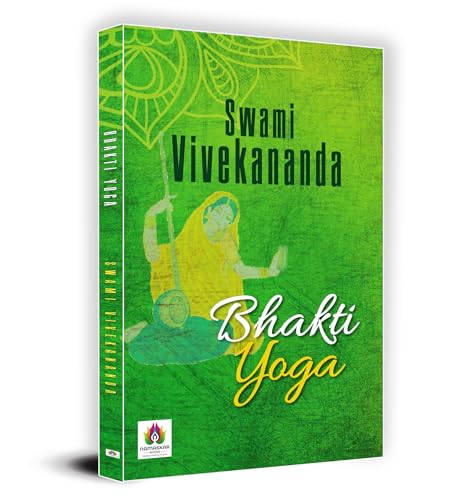
Bhakti Yoga (Pb)
- Author Name:
Swami Vivekanand
- Book Type:
- Description:
Awating description for this book
Jnana Yoga (Pb)
- Author Name:
Swami Vivekanand
- Book Type:
- Description:
This book has no description

MEDITATION AND ITS METHODS
- Author Name:
Swami Vivekanand
- Book Type:
- Description:
This book is a collection of the writings of Swami Vivekananda on the theory and practice of meditation. It is more of an introductory book with plenty of inspiration passages to motivate a reader to adopt meditation for a better and peaceful life. In meditation, for a moment, you can change this nature. Now, if you had that power in yourself, would not that be heaven, freedom? That is the power of meditation.

Chintan Karo, Chinta Nahin
- Author Name:
Swami Vivekanand
- Book Type:
- Description:
भारतीय सांस्कृतिक पुनर्जागरण की वैश्विक आध्यात्मिक विभूति स्वामी विवेकानंद शिकागो में विश्व धर्म सम्मेलन में मंत्रमुग्ध करनेवाले अपने भाषणों के बाद बहुत प्रसिद्ध हो गए थे। उनके शक्तिशाली शब्दों ने दुनिया भर के लोगों को प्रेरित किया है। उन्होंने मानव कल्याण और समाजहित के लिए जो सूत्र बताए, वे आज भी प्रासंगिक हैं। उनकी प्रभावी और ओजस्वी वाणी, प्रखर चिंतन व संवेदनशीलता ने मानवता को समता और समभाव का संदेश दिया। उनके शब्दों में अद्भुत और अप्रतिम सकारात्मकता थी, जो श्रोताओं को प्रेरित करती थी और साथ ही आत्मावलोकन के लिए प्रेरित भी । प्रस्तुत पुस्तक में स्वामी विवेकानंद द्वारा दिए गए सबसे उत्कृष्ट और प्रभावी भाषणों में से केवल पच्चीस संगृहीत हैं, जो कालजयी और सार्वकालिक हैं। स्वामी विवेकानंद के श्रीमुख से निःसृत ये शब्दरल हमारे जीवन को दिशा देने और सार्थकता प्राप्त करने की कुंजी हैं। स्वतंत्र होने का साहस करें, जहाँ तक आपके विचार जाते हैं, जाने का साहस करें और उसे अपने जीवन में उतारने का साहस करें। --स्वामी विवेकानंद

Vyaktitva Ka Sampoorna Vikas
- Author Name:
Swami Vivekanand
- Book Type:
- Description:
हमारी मातृभूमि भारतवर्ष का मेरुदंड धर्म केवल धर्म ही है। धर्म के आधार पर, उसी की नींव पर हमारी जाति के जीवन का प्रासाद खड़ा है। भारत के राष्ट्रीय आदर्श हैं-- त्याग और सेवा। आप उसकी इन धाराओं में तीव्रता उत्पन्न कीजिए और बाकी सब अपने आप ठीक हो जाएगा। संसार में सत्संग से पवित्र और कुछ भी नहीं है, क्योंकि सत्संग से ही शुभ संस्कार चित्त रूपी सरोवर की तली से ऊपरी सतह पर उठ आने के लिए उन्मुख होते हैं । मान लो, किसी में दोष है तो केवल गाली- गलौज से कुछ नहीं होगा; हमें उसकी जड़ में जाना होगा। पहले पता लगाओ कि दोष का कारण क्या है ? फिर उस कारण को दूर करो और वह दोष अपने आप ही चला जाएगा। हमारा प्रत्येक कार्य, हमारा प्रत्येक अंग-संचालन, हमारा हर विचार हमारे चित्त पर इसी प्रकार का एक संस्कार छोड़ जाता है और यद्यपि ये संस्कार ऊपरी दृष्टि से स्पष्ट न हों, तथापि इतने प्रबल होते हैं कि ये अवचेतन मन में अज्ञात रूप से कार्य करते रहते हैं । - इसी पुस्तक से स्वामी विवेकानंद एक आध्यात्मिक विभूति, मानवधर्मी और समाजधर्मी भी थे। वे जीवन को उन्नत, त्याणमय, सत्यनिष्ठ और मानव-मूल्यों से प्रदीप्त करने के प्रबल पक्षधर थे। उनके संपूर्ण व्यक्तित्व का पठन-चिंतन हर भारतवासी के लिए आत्म-विकास, सफलता, संतोष और सुख के द्वार खोलेगा |

Patanjali Yoga Sootra (Hindi Edition)
- Author Name:
Swami Vivekanand
- Book Type:
- Description:
सांख्यदर्शन के अनुसार, ईश्वर का अस्तित्व नहीं है।यह दर्शन कहता है कि जगत् का कोई ईश्वर नहीं हो सकता, क्योंकि यह वह हो तो अवश्य वह एक आत्मा ही होनी चाहिए और आत्मा या तो बद्ध होगी या मुक्त। जो आत्मा प्रकृति के अधीन है, प्रकृति ने जिस पर अपना आधिपत्य जमा लिया है, वह भला कैसे सृष्टि कर सकेगी ? वह तो स्वयं एक दास है। दूसरी ओर, यदि आत्मा मुक्त हो, तो वह क्यों इस जगतू-प्रपंच की रचना करेगी, क्यों इस पूरे संसार की क्रिया आदि का संचालन करेगी? स्वामी विवेकानंद का विश्वास था कि पवित्र भारतवर्ष धर्म एवं दर्शन की पुण्यभूमि है। यहीं बड़े-बड़े महात्माओं तथा ऋषियों का जन्म हुआ, यही संन्यास एवं त्याग की भूमि है तथा यहीं, केवल यहीं आदिकाल से लेकर आज तक मनुष्य के लिए जीवन के सर्वोच्च आदर्श एवं मुक्ति का द्वार खुला हुआ है। प्रस्तुत पुस्तक ' पतंजलि योग सूत्र ' में स्वामीजी ने सरलतम व्याख्या के साथ पतंजलि के योग दर्शन को पाठकों के सामने रखा है, ताकि एक सामान्य अभ्यासकर्ता भी इसका पूरा लाभ उठा सके। इस दृष्टि से यह उनकी एक श्रेष्ठतम कृति कही जा सकती है।

Vedant: Bhavishya Ka Dharma
- Author Name:
Swami Vivekanand
- Book Type:
- Description:
उनतालीस वर्ष की अल्पायु में स्वामी विवेकानंद जो काम कर गए, वे आनेवाली अनेक शताब्दियों तक पीढ़ियों का मार्गदर्शन करते रहेंगे।वे केवल संत ही नहीं थे, एक महान् देशभक्त, ओजस्वी वक्ता, प्रखर विचारक, रचनाधर्मी लेखक और करुणा से ओतप्रोत मानवताप्रेमी भी थे। अमेरिका से लौटकर उन्होंने देशवासियों का आह्वान करते हुए कहा था, “नया भारत निकल पड़े मोची की दुकान से, भड़भूजे के भाड़ से, कारखाने से, हाट से, बाजार से; निकल पड़े झाड़ियों, जंगलों, पहाड़ों, पर्वतों से ।'' और जनता ने स्वामीजी की पुकार का उत्तर दिया। वह गर्व के साथ निकल पड़ी। गांधीजी को आजादी की लड़ाई में जो जन-समर्थन मिला, वह विवेकानंद के आह्वान का ही फल था। इस प्रकार वे भारतीय स्वतंत्रता-संग्राम के भी प्रमुख प्रेरणास्नोत बने । प्रस्तुत पुस्तक 'वेदांत भविष्य का धर्म' में स्वामीजी ने भारतीय अध्यात्म के दो आधारभूत ग्रंथों 'रामायण' और “महाभारत' के माध्यम से भारत के समाज का आध्यात्मिक, सामाजिक और मानसिक दृश्य खींचा है, जो भारतीय जनमानस के भावों का दिग्दर्शन कराता है।

Parivrajak: Meri Bhraman Kahani
- Author Name:
Swami Vivekanand
- Book Type:
- Description:
स्वामी विवेकानंद ने भारत में उस समय अवतार लिया, जब हिंदू धर्म के अस्तित्व पर संकट के बादल मंडरा रहे थे। हिंदू धर्म में घोर आडंबर और अंधविश्वासों का बोलबाला हो गया था। ऐसे में स्वामी विवेकानंद ने हिंदू धर्म को एक पूर्ण पहचान प्रदान की। इसके पहले हिंदू धर्म विभिन्न छोटे-छोटे संप्रदायों में बँटा हुआ था। तीस वर्ष की आयु में स्वामी विवेकानंद ने शिकागो (अमेरिका) में विश्व धर्म संसद् में हिंदू धर्म का प्रतिनिधित्व किया और इसे सार्वभौमिक पहचान दिलाई। प्रस्तुत पुस्तक 'परिव्राजक: मेरी भ्रमण कहानी' में स्वामीजी ने अपनी यूरोप यात्रा के माध्यम से सरल शब्दों में तत्कालीन इतिहास, कला, समाज, जीवन-दर्शन इत्यादि का अत्यंत रोचक वर्णन प्रस्तुत किया है। इनके माध्यम से व्यक्ति अपने तत्कालीन ज्ञान-दर्शन को सहज ही प्रशस्त कर सकता है। स्वामी विवेकानंद की यात्रा-वृत्तांत की यह पुस्तक हमें सांस्कृतिक-सामाजिक यात्रा का आनंद देगी।

Rajyoga
- Author Name:
Swami Vivekanand
- Book Type:
- Description:
Discover the transformative teachings of Swami Vivekananda's 'Raja Yoga.' This timeless guide unlocks the path to self-realisation through concentration, meditation, and self-discipline. Explore profound wisdom, achieve inner tranquillity, and unleash your hidden potentials for spiritual growth.

Mahapurushon Ke Upadesh
- Author Name:
Swami Vivekanand
- Book Type:
- Description:
रोम्या रोलाँ ने स्वामी विवेकानंद के बारे में कहा था, ''उनके द्वितीय होने की कल्पना करना भी असंभव है। वे जहाँ भी गए, सर्वप्रथम हुए। हर कोई उनमें अपने नेता का दिग्दर्शन करता था। वे ईश्वर के प्रतिनिधि थे तथा सब उनसे प्रभावित हो जाते थे--यह उनकी विशिष्टता थी। हिमालय प्रदेश में एक बार एक अनजान यात्री उन्हें देख, ठिठककर रुक गया और आश्चर्यपूर्वक चिल्ला उठा--' शिव !' यह ऐसा हुआ, मानो उस व्यक्ति के आराध्य देव ने अपना नाम उनके माथे पर लिख दिया हो।' प्रस्तुत पुस्तक में स्वामी विवेकानंदजी ने समय-समय पर रामायण, महाभारत, विश्व के महान् आचार्यों की कथाओं से प्रेरक उपदेश अपने अभिभाषणों में दिए, जो मानव-समाज के लिए बेहद उपयोगी हैं। इसलिए यह पुस्तक हर आयु वर्ग के पाठकों के लिए ज्ञानवर्द्धछ के साथ-साथ जीवन में मार्गदर्शन करनेवाली है।

Bhaktiyoga
- Author Name:
Swami Vivekanand
- Book Type:
- Description:
भारतवर्ष के साधु-महापुरुषों के बीच भक्ति ही चर्चा का विषय रही है। भक्ति की विशेष रूप से व्याख्या करनेवाली शांडिल्य और नारद आदि महापुरुषों को छोड़ देने पर भी, स्पष्टत : ज्ञानमार्ग के समर्थक, व्याससूत्र के महान् भाष्यकारों ने भी भक्ति के संबंध में हमें बहुत कुछ बतलाया है। भले ही इन भाष्यकारों ने सब सूत्रों की न सही, पर अधिकतर सूत्रों की व्याख्या शुष्क ज्ञान के अर्थ में ही की है।

Premyoga
- Author Name:
Swami Vivekanand
- Book Type:
- Description:
No Description Available for this Book

Hindu Dharma: Hamara Janmaprapt Dharma
- Author Name:
Swami Vivekanand
- Book Type:
- Description:
तुम लोग आर्य, ऋषियों के वशंधर हो ऋषियों के, जिनकी महत्ता की तुलना नहीं हो सकती। मुझे इसका गर्व है कि मैं तुम्हारे देश का एक नगण्य नागरिक हूँ। अतएवं भाइयो, आत्मविश्वासी बनो। पूर्वजों के नाम से अपने को लज्जित नहीं, गौरवान्वित समझो। याद रहे, किसी का अनुकरण कदापि न करना, कदापि नहीं। जब कभी तुम औरों के विचारों का अनुकरण करते हो, तुम अपनी स्वाधीनता गँवा बैठते हो। —इसी पुस्तक से प्रस्तुत पुस्तक 'हिंदू धर्म : हमारा जन्मप्राप्त धर्म' में स्वामीजी ने सरल शब्दों में वेदप्रणीत हिंदू धर्म, उसकी सार्वभौमिकता, उसकी उदारता, व्यापकता और सर्वधर्म समभाव की उसकी मौलिकता की अनिर्वचनीय व्याख्या की है और मानव-मन में हिंदू धर्म को लेकर सदा से पनपते कतिपय अनुत्तरित प्रश्नों के सटीक व तार्किक उत्तर दिए हैं। एक अत्यंत प्रेरक, रोचक और ओजपूर्ण पुस्तक, जो जीवन में दैविक आशा का संचार करती है।

Customer reviews
Be the first to write a review
Read this one? Tell other readers what you thought about the story, the translation and the print.
A Patriot Monk: Swami Vivekananda reconstructs the moment a seeker chose nation over nirvana. At Kanyakumari, after four years of witnessing India's poverty, Vivekananda renounced even the pursuit of moksha, declaring he would seek no salvation until every compatriot was free from hunger. This is not hagiography—it is a study of spiritual rebellion, of a monk who turned pilgrimage into political awakening.
The book draws on Vivekananda's writings and the testimony of those who encountered him during his wanderings across India in the 1890s. It foregrounds the collision between his Vedantic training and the suffering he witnessed in villages and cities—a collision that redefined what it meant to be a sannyasi in colonial India. Prabhat Prakashan presents this as a study not of renunciation, but of redirection: from the metaphysical to the material, from the individual soul to the collective body of the nation.
What kind of reading experience does Swami Vivekananda's A Patriot Monk offer?
This book offers a contemplative yet politically charged reading experience. It traces Vivekananda's internal transformation from a spiritual seeker to a social reformer, grounded in the poverty he witnessed across India. The tone is reflective rather than celebratory, focusing on the intellectual and emotional turning point at Kanyakumari. Readers who value books that explore the intersection of spirituality and social conscience will find this rewarding. It does not glorify—it investigates the cost of choosing service over salvation.
Who is this book, A Patriot Monk: Swami Vivekananda, best suited for, and what does it expect of its reader?
This book suits readers interested in Indian intellectual history, particularly those curious about how Vedanta was mobilized for national awakening. It assumes familiarity with basic concepts such as moksha and sannyasa, though it contextualizes them. Ideal for students of philosophy, history, or comparative religion who want to understand Vivekananda beyond popular slogans. It also appeals to readers exploring how spiritual figures engaged with colonial-era social crises. The writing assumes a reflective, patient reader willing to examine motivations rather than just achievements.
What is the cultural significance of Vivekananda's vow at Kanyakumari to contemporary Indian readers?
Vivekananda's vow—"I do not want salvation till every human being of my country is free from hunger"—remains a moral challenge in India today. It reframes spirituality as inseparable from social responsibility, questioning any religious practice indifferent to poverty and inequality. In an era when debates over development dominate public discourse, his insistence that the divine cannot be pursued while ignoring human suffering resonates powerfully. The book invites readers to reconsider what patriotism and renunciation mean when the nation itself is suffering.
What makes this book's treatment of Vivekananda distinctive from other biographies?
This book centers on a single transformative decision rather than chronicling an entire life. It isolates the years of parivrajaka wandering and the moment at Kanyakumari when Vivekananda abandoned personal salvation for national service. Unlike hagiographies that present him as infallible, this work examines the tension between his monastic vows and the political awakening he is forced into by witnessing poverty. The framing—through a passage referencing a jail reading—suggests the book also explores how Vivekananda inspired later generations of activists, not just devotees.
What does this book leave the reader with emotionally and intellectually after finishing it?
The book leaves readers with a renewed sense of the ethical weight of privilege and knowledge. Emotionally, it evokes admiration tempered by discomfort—Vivekananda's vow challenges any spirituality divorced from social action. Intellectually, it clarifies how Hindu revivalism was not merely reactionary but could be reformist, channeling ancient philosophy toward modern problems. Readers come away reconsidering the purpose of spiritual seeking: whether it serves the self or the collective. The lasting impression is one of moral urgency—a call to align inner convictions with outer responsibilities.

